
Planning an extensive journey across the southern peninsula of India requires more than just booking flights and choosing hotels. It involves understanding a region that spans five distinct states, each possessing its own language, culinary traditions, and architectural heritage. A comprehensive south india travel plan serves as an indispensable tool to explore this vast geographical expanse without feeling overwhelmed by the sheer volume of choices. With options ranging from the serene backwaters of Kerala to the towering stone temples of Tamil Nadu, travelers often struggle to structure an efficient route. A well-designed south india travel plan is crucial to balancing relaxation with cultural exploration, ensuring that travel times between destinations remain manageable. By mapping out transit corridors, seasonal weather variations, and realistic budgetary allocations, one can transform a complex logistical puzzle into a straightforward, enriching expedition.
Key Takeaways for Your South India Travel Plan
- Slow Travel is Key: South India’s terrain makes transit slower than expected; focusing on one or two states provides a much richer experience.
- Diverse Routes: Choose between the classic heritage of Tamil Nadu & Kerala, the wildlife and palaces of Karnataka, or the coastal charm of Pondicherry.
- Budget Versatility: The region caters to all budgets, with daily expenses ranging from ₹2,100 for backpackers to over ₹30,000 for luxury seekers.
- Best Travel Window: Plan your trip between November and February for optimal weather, or head to high-altitude hill stations during summer (March to May).
- Cultural Etiquette: Always dress modestly at temples, remove footwear before entering holy sites, and carry sufficient cash as UPI can be tricky for international cards.
Understanding South India as a Travel Destination
Before designing a detailed south india travel plan, it is essential to comprehend the geographic and cultural divisions of the region. South India consists of five major states: Karnataka, Andhra Pradesh, Telangana, Kerala, and Tamil Nadu, alongside Pondicherry. The Western Ghats run down the western edge, creating cool hill stations, while the eastern coast is dominated by ancient temple towns.
Each state operates under distinct linguistic and cultural identities, creating a rich tapestry of experiences across the peninsula:
- Tamil Nadu: Speaks Tamil and boasts an ancient literary and architectural tradition dating back over two millennia.
- Karnataka: Speaks Kannada, offering an eclectic mix of royal heritage, historic ruins, and high-tech urban environments.
- Kerala: Speaks Malayalam, globally renowned for its serene backwaters, high human development indicators, and deep-rooted Ayurvedic traditions.
- Andhra Pradesh & Telangana: Share a Telugu heritage, presenting stunning Islamic and Dravidian architectural marvels alongside rich, spicy culinary profiles.
Understanding this cultural mosaic is critical for an authentic journey, as it changes the food, customs, and daily interactions you experience.
When finalizing a south india travel plan, realizing that travel times here are typically long is vital. A distance of 150 kilometers might take four hours due to terrain. This is basically why rushing through multiple states often leads to exhaustion. Selecting a focused region is arguably the wisest approach, especially for first-time visitors.
Furthermore, seasonal shifts dictate route feasibility. The southwest monsoon (running from June to September) heavily impacts Kerala’s hill stations. Conversely, Tamil Nadu experiences its heaviest rains during the northeast monsoon between October and November. Aligning your south india travel plan with weather patterns prevents disruptions and ensures safe road trips.
Crafting Your South India Travel Plan: Key Routing Options
Choosing where to go depends heavily on personal interests. A structured south india travel plan typically fits into one of three distinct geographic or thematic routes. Each of these corridors offers a highly curated experience, whether the priority is historical architecture, pristine nature, or coastal relaxation.
The Classic Kerala and Tamil Nadu Route (14 Days)
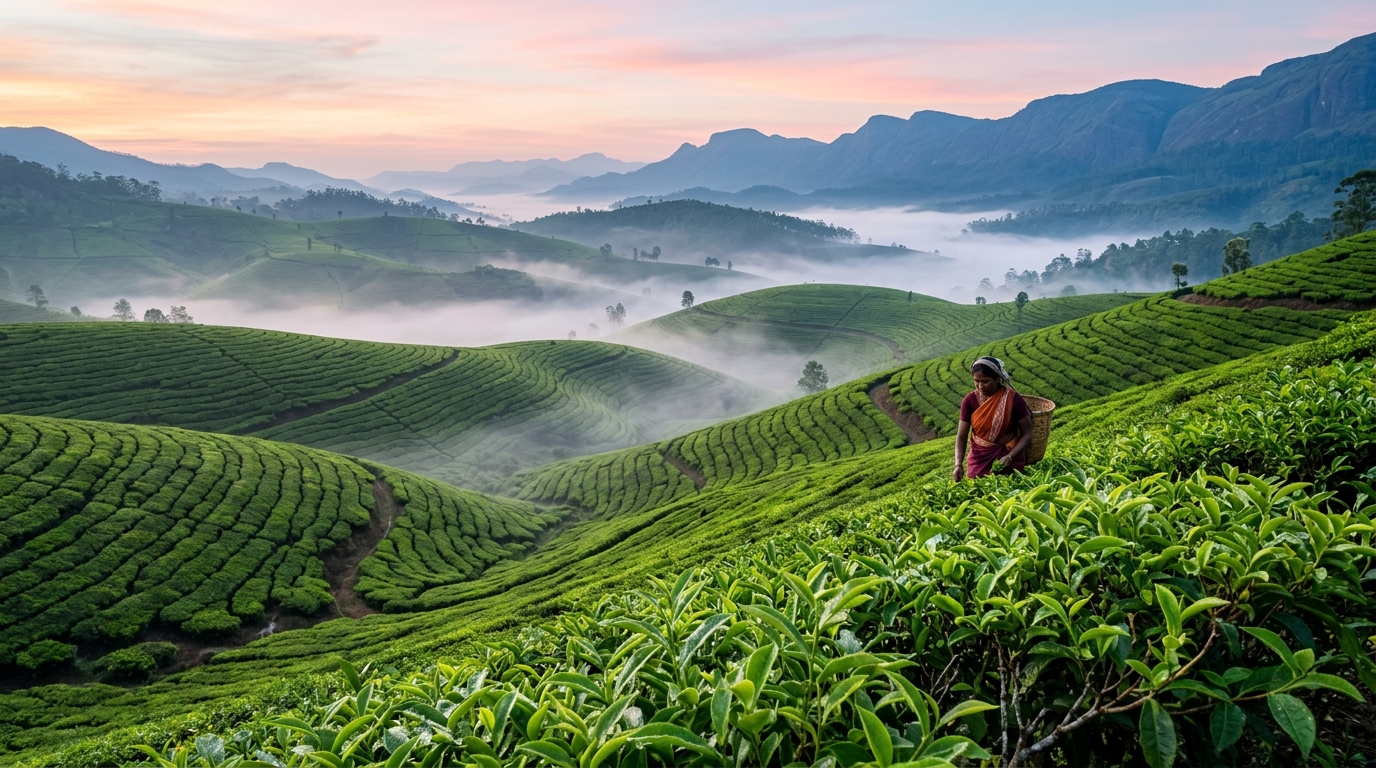
This is the most popular pathway, combining Tamil Nadu’s architectural marvels with Kerala’s natural landscapes. The route typically begins in Chennai, moves through Madurai to witness ancient temple rituals, crosses into the tea-clad hills of Munnar, and concludes in Alleppey’s backwaters.
As you build a south india travel plan along this route, the contrast between the states is clear. Tamil Nadu is characterized by bustling temple cities with thousand-year-old structures. Kerala offers a slower pace focused on wellness and waterways. Incorporating high-quality Kerala tour packages simplifies hiring private drivers and booking traditional houseboats. This combined journey provides a balanced view, though it requires two weeks to execute comfortably without rushing.
The Heritage and Nature Trail: Karnataka and Coorg (10 Days)
For those drawn to ruins, palaces, and forest reserves, a Karnataka-centric south india travel plan is ideal. This route starts in Bangalore before moving to Mysore, Kabini, and the hills of Coorg.
Mysore offers magnificent royal palaces and bustling traditional markets. From Mysore, the journey transitions to Kabini, a premier wildlife destination. According to data from the National Tiger Conservation Authority in 2023, Karnataka holds roughly 563 tigers, making its parks excellent for safaris (National Tiger Conservation Authority, 2023). Finally, your personalized south india travel plan can lead to the misty heights of Coorg, where travelers can stay on working coffee estates, hike scenic ridges, and explore unique Kodava heritage.
The Coastal and Spiritual Circuit: Pondicherry and Beyond (7 Days)
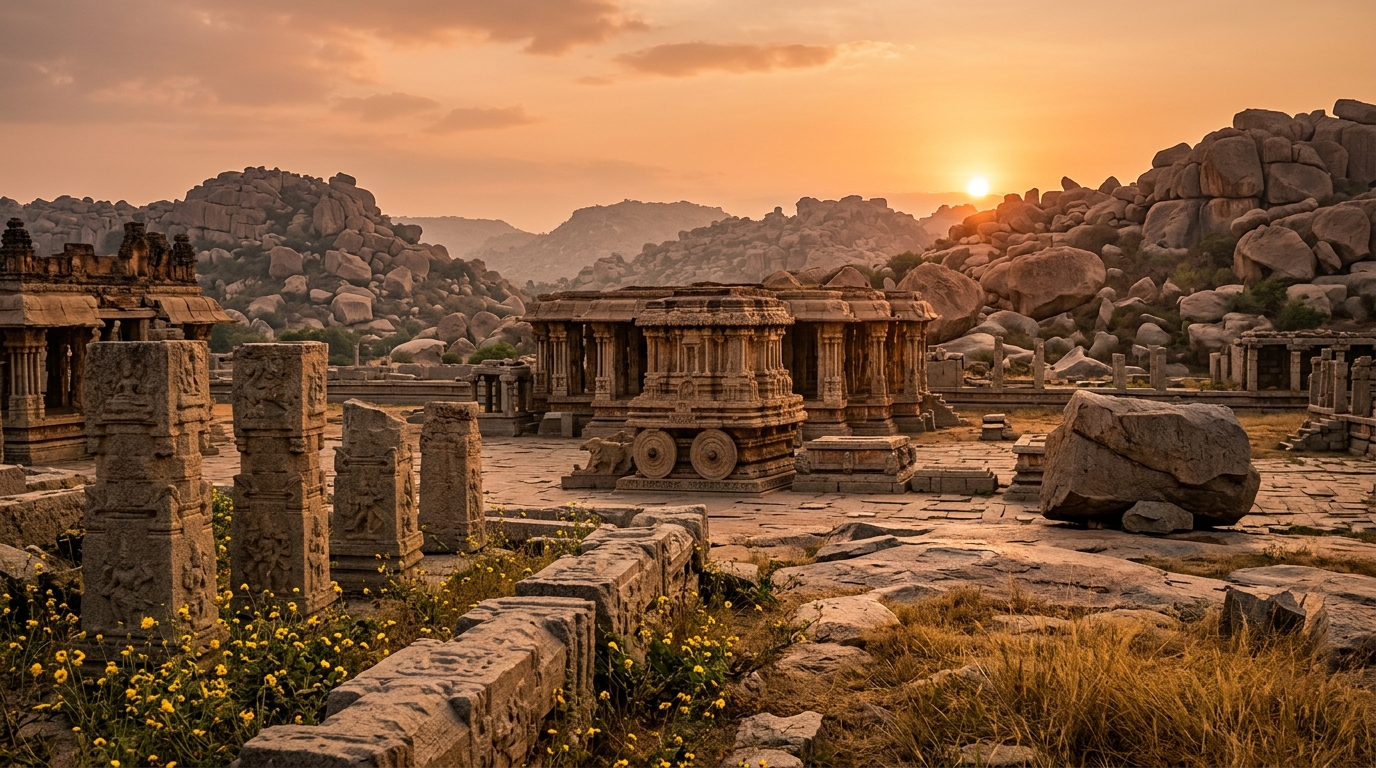
A shorter, highly scenic south india travel plan focuses on the southeastern coastline. Starting in Chennai, travelers drive down the East Coast Road to Mahabalipuram, a UNESCO site famous for monolithic temples, before reaching Pondicherry.
Pondicherry offers a unique architectural blend, where the French Quarter’s quiet streets contrast with the vibrant Tamil quarter. Integrating these destinations into your south india travel plan allows for a leisurely pace. Travelers can explore Promenade beach and visit the experimental township of Auroville. This route is highly accessible, requiring minimal transit.
The table below outlines the key attributes of each major routing option to help determine which route aligns best with specific travel preferences.
| Route Name | Recommended Duration | Primary Highlights | Best Suited For |
|---|---|---|---|
| Kerala & Tamil Nadu Classic | 14 Days | Madurai temples, Munnar tea gardens, Alleppey backwaters | First-time visitors seeking a mix of culture and relaxation |
| Karnataka Heritage & Nature | 10 Days | Mysore Palace, Kabini safaris, Coorg coffee plantations | Wildlife enthusiasts and heritage lovers |
| Southeastern Coastal Circuit | 7 Days | Mahabalipuram ruins, Pondicherry French Quarter, Auroville | Slow travelers seeking coastal cafes and spiritual spaces |
Estimating Your South India Travel Budget
Drafting a realistic financial blueprint is a cornerstone of a successful south india travel plan. The southern states accommodate budget-conscious backpackers as well as those seeking luxury heritage stays. Understanding the primary cost drivers helps prevent unexpected expenses.
Accommodation Options and Costs
Lodging is a major component of any south india travel plan. Travelers can choose from beach guesthouses, mid-range heritage properties, or luxury plantation resorts.
In destinations like Madurai or Pondicherry, comfortable mid-range hotels cost roughly 3,500 to 6,000 INR per night. For luxury, converted heritage mansions or backwater resorts can range from 15,000 to 30,000 INR. Incorporating a mix of these into your south india travel plan optimizes overall expenditure.
Transport and Internal Commute Pricing
Transport logistics represent another essential variable in your south india travel plan. While public transport is economical, hiring a private air-conditioned car with a driver is the most comfortable way to travel long distances.
A private vehicle typically costs between 4,000 and 5,500 INR per day, including driver lodging. This is highly advantageous for small groups. Alternatively, the extensive Indian Railways network is very affordable. Tickets in AC 3-Tier (3A) provide comfortable travel, costing between 500 and 1,500 INR per journey.
Tipping Customs and Currency Logistics
Handling finances on a south india travel plan requires familiarity with local currency customs. Consider these essential payment and tipping guidelines:
- Currency & Payments: The Indian Rupee (INR) is the sole legal tender. While digital payments through UPI are universally accepted, international travelers often struggle to set up these applications without an active Indian phone number. Carrying a combination of cash and international credit cards is highly recommended.
- Restaurant Tipping: While not strictly mandatory, a tip of roughly 7% to 10% of the total bill is standard practice in mid-range to high-end restaurants if a service charge has not already been included.
- Driver Gratuity: For hired drivers, a tip of 500 to 700 INR per day is typical for excellent service.
- Porterage & Guides: Small gratuities of 50 to 100 INR for hotel porters and temple tour guides are customary, making it wise to keep a supply of small-denomination banknotes handy.
Food, Sightseeing, and Miscellaneous Expenditures
Fortunately, dining in South India is remarkably affordable. A traditional meal (thali) served on a banana leaf costs roughly 150 to 300 INR. Even upscale dining in metropolitan hubs rarely exceeds 2,500 INR for two people.
Sightseeing fees are relatively modest. Most heritage sites charge small fees, though international visitors should expect higher dual-pricing rates. Budgeting roughly 1,000 INR per day for entry tickets and local guides in your south india travel plan is a realistic estimate.
To visualize these figures, the table below provides an estimated daily breakdown across three distinct travel tiers.
| Expense Category | Budget Tier (INR/Day) | Mid-Range Tier (INR/Day) | Luxury Tier (INR/Day) |
|---|---|---|---|
| Accommodation | 1,200 – 2,500 | 3,500 – 7,000 | 15,000 – 35,000 |
| Transport (Internal) | 300 – 800 | 4,000 – 5,500 | 8,000 – 12,000 |
| Meals & Dining | 400 – 800 | 1,200 – 2,500 | 4,000 – 8,000 |
| Sightseeing & Activities | 200 – 500 | 800 – 1,800 | 3,000 – 6,000 |
| Total Daily Spend | 2,100 – 4,600 | 9,500 – 16,800 | 30,000 – 61,000 |
Essential Tips for Your South India Travel Plan
Success on any trip comes down to preparation. Implementing a few practical strategies during the early stages of your south india travel plan can save hours of frustration.
To make preparation easier, here is a quick list of essential items to pack for your journey:
- Lightweight, breathable cotton clothing to handle the intense humidity.
- A sturdy, reusable water bottle with an integrated purification filter.
- Slip-on footwear to facilitate quick removal at temple entrances.
- A high-SPF sunscreen and natural insect repellent for forest safaris.
- A lightweight scarf or shawl for instant modest coverage when visiting active shrines.
When is the Best Time to Visit?
Weather is arguably the most critical factor for this journey. The winter months, from November to February, offer the most pleasant climate, with temperatures ranging between 20 and 30 degrees Celsius. This is peak season, so booking accommodations well in advance is essential.
Conversely, the summer months (March to May) bring intense heat and high humidity. If your south india travel plan must occur during summer, focusing entirely on high-altitude hill stations like Ooty, Munnar, or Coorg is the best course of action to enjoy cool weather. The monsoon season (June to September) offers lush green landscapes, though heavy downpours can disrupt transit.
The table below provides a summary of regional climates and recommended periods to optimize your south india travel plan.
| Season | Months | Average Temperature | Travel Feasibility & Recommendations |
|---|---|---|---|
| Winter (Peak Season) | November – February | 20°C – 30°C | Ideal for all regions; sightseeing, beaches, and temple tours are highly comfortable. Highly recommended. |
| Summer (Off-Peak) | March – May | 30°C – 40°C | Intense heat and humidity. Best to focus entirely on high-altitude hill stations like Munnar, Ooty, or Coorg. |
| Monsoon (Lush Season) | June – September | 25°C – 32°C | Heavy downpours, especially in Kerala. Great for Ayurvedic wellness treatments and lush green landscape photography. |
Understanding Cultural Etiquette and Dress Codes
South India is culturally conservative, particularly regarding religious spaces. When visiting temples, both men and women must dress modestly, keeping shoulders and knees covered. Carrying a light shawl in your daypack is highly practical.
Footwear must always be removed before entering homes and temples. Most complexes have secure shoe stalls. It is also customary to use only the right hand when eating or receiving items. Keeping these subtle nuances in mind ensures your south india travel plan is executed smoothly.
Local Transport: Trains, Buses, and Private Cabs
Selecting the right transit methods can make or break your travel experience. For long-distance travel, the Indian Railways network is highly efficient but requires advanced planning. Train reservations open 120 days in advance, and high-demand routes sell out quickly. Securing train tickets is vital once your south india travel plan is finalized.
Local ride-hailing apps operate reliably in major cities like Bangalore or Kochi. However, in remote areas or hill stations, these services are unavailable. Coordinating with a reputable travel provider to secure a private vehicle is the most reliable option.
Sample 14-Day South India Travel Plan Itinerary
For travelers seeking a structured starting point, this balanced 14-day itinerary covers the highlights of Tamil Nadu and Kerala, minimizing backtracking.
Days 1 to 4: Cultural Foundations in Chennai and Pondicherry
This segment of the south india travel plan starts in Chennai, a major gateway, and moves to Pondicherry. Spend your first day exploring Chennai’s colonial history at Fort St. George and visiting the ancient Kapaleeshwarar Temple in Mylapore. Next, take a scenic drive along the East Coast Road to Mahabalipuram to view its majestic 7th-century rock-cut relief carvings and Shore Temple. Continue to Pondicherry to enjoy the unique Franco-Tamil culture, walk through the quiet, mustard-hued streets of the French Quarter, and visit the spiritual township of Auroville.
Days 5 to 8: Temple Heritage in Madurai and Hills of Munnar
From Pondicherry, head inland to Madurai to see the magnificent Meenakshi Amman Temple and its towering, colorful gopurams. On Day 7, transition to the cool, emerald hills of Munnar in Kerala. Spend the next day exploring the Eravikulam National Park, home to the endangered Nilgiri Tahr, and visiting local tea museums. To customize this portion of the trip, exploring specific Tamil Nadu itineraries is highly recommended.
Days 9 to 14: Backwaters, Beaches, and Departure from Kochi
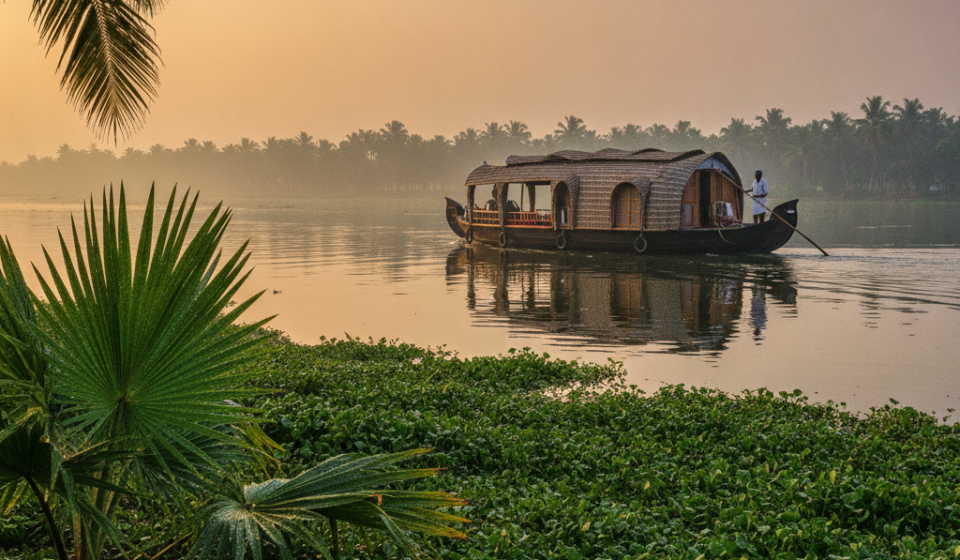
The final segment of this south india travel plan moves from the hills to the coast. Travel to Thekkady to explore Periyar National Park’s spice gardens, then proceed to Alleppey for an overnight cruise on a traditional backwater houseboat. Floating along the palm-fringed canals provides an intimate look at rural life in Kerala. Conclude the journey in Fort Kochi, exploring the iconic Chinese fishing nets, the Mattancherry Palace, and historic synagogues. Spending an evening watching a Kathakali dance performance (a classical art form featuring elaborate makeup and facial expressions) is a highlight. For travelers wishing to extend their coastal relaxation, visiting the golden sands of Kovalam is highly recommended before departing from Kochi.
Conclusion
Critics argue that slow travel is inefficient. And yet, rushing through South India erases its charm. Creating a comprehensive south india travel plan requires balancing cultural curiosity with logistical realities. Rather than trying to cover the entire peninsula in a single trip, focusing on a specific geographic corridor ensures a far more rewarding experience. Whether you choose the temple trails of Tamil Nadu, the serene backwaters of Kerala, or the historic palaces of Karnataka, the region rewards those who travel slowly. By planning ahead, budgeting realistically, and respecting local customs, your journey through South India will undoubtedly be an extraordinary and unforgettable adventure. We invite you to contact TravelDham to finalize your travel plans and secure booking services for your next domestic excursion.