

Planning an extensive journey through the southern peninsula of India requires a careful balance of cultural exploration, scenic retreats, and logistical coordination. A well-structured south india travel plan provides the necessary framework to experience the profound architectural heritage of Tamil Nadu, the tranquil backwaters of Kerala, and the mist-laden hills of the Western Ghats. For those seeking an authentic and deeply enriching travel experience, this region offers an array of historical monuments, culinary masterpieces, and serene coastal sanctuaries. Crafting a precise south india travel plan ensures that travellers do not miss the subtle transitions in cuisine, language, and art that define each state. Whether one is a history enthusiast looking to study ancient temple architecture or a leisure seeker looking to unwind on a traditional houseboat, having a solid south india travel plan is essential. This comprehensive guide serves as an authoritative resource for organising a highly efficient and memorable journey.
Many travellers arrive in India focusing solely on the northern golden triangle, overlooking the distinct charm of the southern states. But still, the south offers a completely different rhythm of life, characterised by a relaxed pace, exceptional cleanliness, and deep-seated traditions. By establishing a clear plan before departing, travellers can maximise their time and ensure they experience the unique highlights of each destination. This guide covers everything from seasonal weather patterns to day-by-day routing, helping turn travel aspirations into a practical reality.
Key Takeaways
- Best Time to Visit: October to March offers ideal weather (18°C – 30°C) across the plains, while April to June is perfect for hill stations like Munnar.
- Ideal Duration: A 10 to 14-day itinerary is recommended to balance the cultural depth of Tamil Nadu and the serene nature of Kerala.
- Transportation Strategy: Use trains for major city connections and hire a private AC car/driver for remote areas and hill stations.
- Cultural Etiquette: Dress modestly (shoulders and knees covered) when visiting active temples in both Tamil Nadu and Kerala.
- Diverse Accommodations: Elevate your travel experience by mixing heritage mansions, spice plantation bungalows, and traditional houseboats.
Why South India Deserves a Spot on Your Travel List
The southern region of India stands as a distinct cultural entity, characterised by ancient Dravidian architecture, classical arts, and geographically diverse environments. Unlike the northern plains, this region remained relatively shielded from external invasions throughout history. This geographic isolation allowed its unique identity to flourish, offering:
- Pure Classical Traditions: Temple rituals, music, and classical dance forms (like Bharatanatyam and Kathakali) preserved for over two millennia.
- Dravidian Architectural Marvels: Distinctive structural design featuring towering gopurams, pillared halls, and intricately carved monolithic structures.
- Ancient Literary Heritage: Rich literary works originating from the classical Sangam era that survive in their purest forms.
- Ritualistic Continuity: Live opportunities to witness temple rituals performed exactly as they were centuries ago.
This historical preservation makes a south india travel plan exceptionally rewarding for cultural historians and curious travellers alike. From the towering gopurams of Madurai to the spice plantations of the Western Ghats, the geographical variety is immense. The region boasts thousands of kilometres of coastline, interspersed with port towns and secluded beaches. To include these environments in a single journey, a structured south india travel plan is highly recommended. It allows you to transition smoothly from coastal plains to high-altitude mountain sanctuaries.
The culinary environment is another major draw. Each locality offers distinct flavours, relying heavily on coconut, curry leaves, tamarind, and local spices. A deliberate south india travel plan allows travellers to experience these culinary nuances, moving from the fiery dishes of Chettinad to the mild preparations of the Malabar Coast.
The Best Time to Visit South India
Climatic conditions across the southern states vary significantly depending on elevation and proximity to the ocean. To maximise comfort, your south india travel plan must take seasonal variations into account. The winter season, spanning from October to March (though slight regional shifts occur depending on the specific monsoon cycle), is the peak period for travel. During these months, temperatures are moderate and humidity is low.
The summer months, from April to June, bring intense heat to the plains. However, this is the perfect time to adjust your south india travel plan to focus on the high-altitude hill stations like Munnar, where the climate remains cool. Traveling to these elevated sanctuaries provides a refreshing escape from the oppressive heat of the lowlands.
Monsoons arrive in June and continue through September. While heavy downpours can disrupt road travel, they transform the Western Ghats into a lush green sanctuary, making it a scenic, though wet, time for a south india travel plan.
To assist in your scheduling, the table below outlines the seasonal metrics for key regions:
| Season | Months | Average Temp Range | Ideal Locations for Your South India Travel Plan |
|---|---|---|---|
| Winter (Peak) | October to March | 18°C – 30°C | Tamil Nadu Temples, Kerala Backwaters, Hampi Ruins |
| Summer (Off-Peak) | April to June | 25°C – 38°C | Munnar, Coorg, Ooty, Kodaikanal Hill Stations |
| Monsoon (Scenic) | July to September | 22°C – 32°C | Western Ghats, Wayanad, Backwater Wellness Retreats |
Essential Elements of a Perfect South India Travel Plan
Designing a balanced itinerary requires a clear understanding of geography and logistics. Given the vast distances between states, a successful south india travel plan must prioritise either depth in a single region or a well-connected multi-state route. Attempting to cover all southern states in a single short trip often leads to travel exhaustion and inadequate time at key monuments.
Choosing the Right Route
When selecting your route, consider focusing on a specific geographic belt. For instance, an eastern route typically emphasises the Dravidian temple architecture of Tamil Nadu and Pondicherry. Conversely, a western route highlights the natural reserves, hill stations, and coastal waterways of Kerala and Karnataka. For a first-time visitor, a cross-peninsular south india travel plan that starts in Chennai, passes through the hill stations, and concludes on the coast of Kerala offers an ideal combination of culture and relaxation.
| Route Option | Primary Focus | Key Destinations Included | Best Suited For |
|---|---|---|---|
| Eastern Coastal Belt | Dravidian architecture, colonial history, spiritual heritage | Chennai, Mahabalipuram, Pondicherry, Madurai | History buffs, spiritual seekers, cultural enthusiasts |
| Western Coastal & Hills Belt | Backwaters, spice plantations, mist-laden mountains | Kochi, Munnar, Alappuzha, Varkala | Nature lovers, leisure travellers, couples, wellness seekers |
| Deccan Heritage Belt | Ruins, rock-cut architecture, wildlife sanctuaries | Bengaluru, Mysore, Coorg, Hampi, Kabini | Adventure seekers, architecture historians, wildlife enthusiasts |
Earlier, we noted that Tamil Nadu draws a high volume of domestic travellers. According to a 2025 statistical report released by the Ministry of Tourism, Tamil Nadu continues to lead the nation in domestic tourist visits. This statistic highlights why starting your journey in Chennai is so practical; the tourism infrastructure is highly developed.
Internal transportation is another critical element. While major cities are connected by efficient rail networks, reaching remote hill stations requires private road transport. If you are travelling as an FIT (a Fully Independent Traveller), coordinating these transitions in advance is crucial. When drafting your south india travel plan, allocating a budget for a reliable private vehicle and driver can significantly enhance comfort and efficiency. It eliminates the stress of coordinating local transit and allows you to stop at spontaneous roadside sights, such as spice stalls or scenic valley viewpoints.
Estimating Your Travel Budget
A realistic budget is a central component of any south india travel plan. The cost of travel in this region can vary widely depending on preferences for accommodation and transport. Medium-range travel options are abundant and provide excellent value, while high-end luxury resorts offer world-class hospitality in restored palaces and houseboats.
To plan your expenses, it is useful to categorise expected daily outlays. The following breakdown represents typical costs for a comfortable, mid-range south india travel plan (assuming roughly 6,000 INR per day, depending on how transport is classified):
- Accommodation: INR 4,000 to INR 8,000 per night for heritage or boutique properties.
- Private Transport: INR 3,500 to INR 5,000 per day for an air-conditioned sedan with a professional driver.
- Meals: INR 1,500 to INR 3,000 per day for two people, focusing on authentic local restaurants and hotel dining.
- Entry Fees and Local Guides: INR 500 to INR 1,500 per day depending on the number of historical sites visited.
These baseline figures will help ensure your south india travel plan remains financially viable from start to finish.
The Ultimate 14-Day South India Travel Itinerary
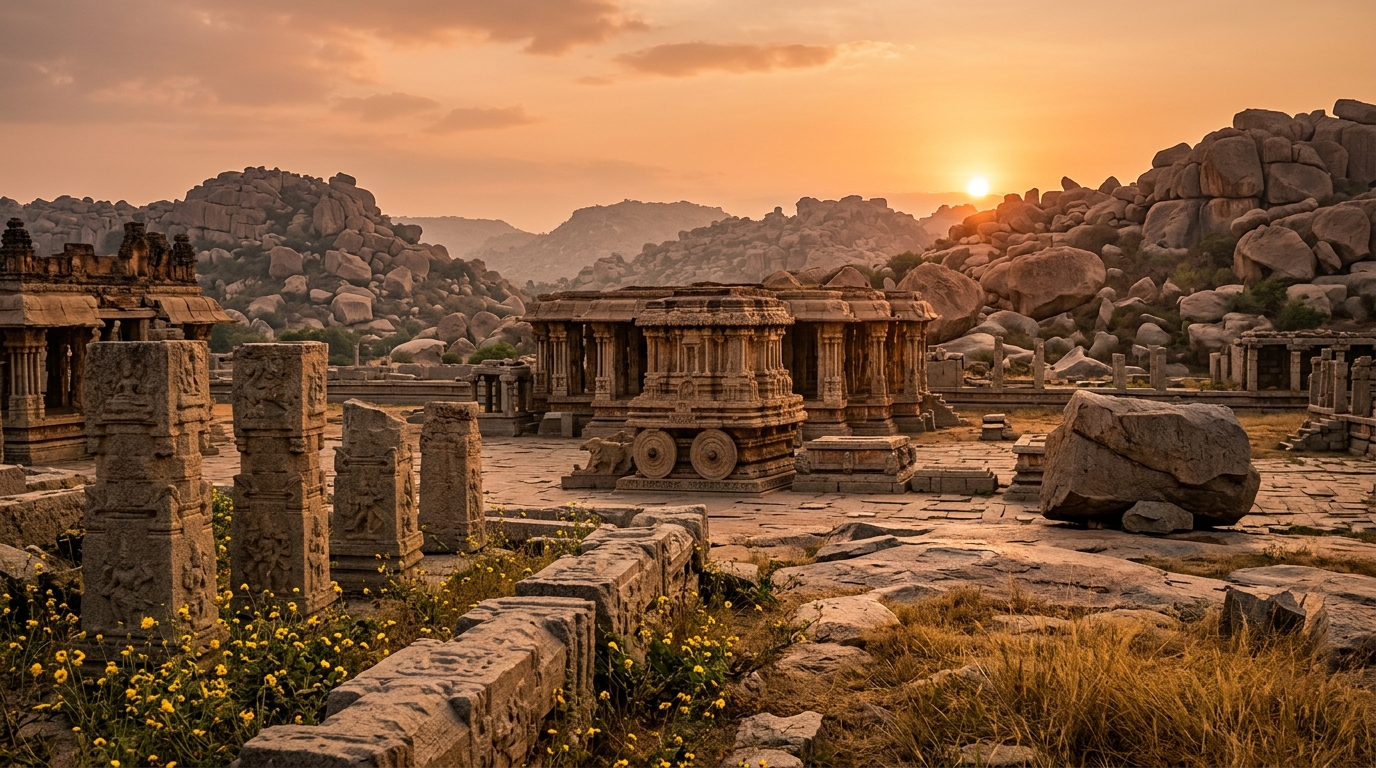
This 14-day itinerary is designed to offer a balanced, multi-state experience, blending cultural exploration with physical relaxation. This route starts in the historic city of Chennai and moves westward across the peninsula, finishing in the coastal port of Kochi. Critics say that a 14-day trip is too short to cover such a vast region. They are not entirely wrong, but with careful coordination, you can experience a meaningful overview without feeling rushed.
Days 1-3: Cultural Heritage in Tamil Nadu
Begin your south india travel plan in Chennai (the capital city of Tamil Nadu), the gateway to the southern states. Spend your first day adjusting to the climate while exploring the San Thome Cathedral and the bronze galleries of the Government Museum. On day two, travel south along the scenic East Coast Road to Mahabalipuram, a UNESCO World Heritage site renowned for its rock-cut temples and monolithic sculptures carved in the 7th century. The Shore Temple, standing on the edge of the sea, offers an incredible perspective of early medieval stone construction.
On day three, proceed to Pondicherry, a unique coastal town where French colonial architecture blends with traditional Tamil style. Walk through the quiet streets of the French Quarter, visit the Sri Aurobindo Ashram, and enjoy local coastal cuisine. Integrating these culturally diverse destinations early in your south india travel plan establishes a solid understanding of the region’s complex historical developments. You can explore our dedicated Tamil Nadu travel packages to further customise this portion of your journey.
Days 4-7: Scenic Hills and Tea Plantations of Munnar
On day four, transition from the eastern plains to the cool heights of the Western Ghats as you cross into Kerala. Your destination is Munnar, a premier hill station situated at the confluence of three mountain streams. The journey itself is highly scenic, featuring winding roads lined with spice gardens and cascading waterfalls. The air grows noticeably cooler and fresher as you ascend, providing an immediate contrast to the humid coastal areas.
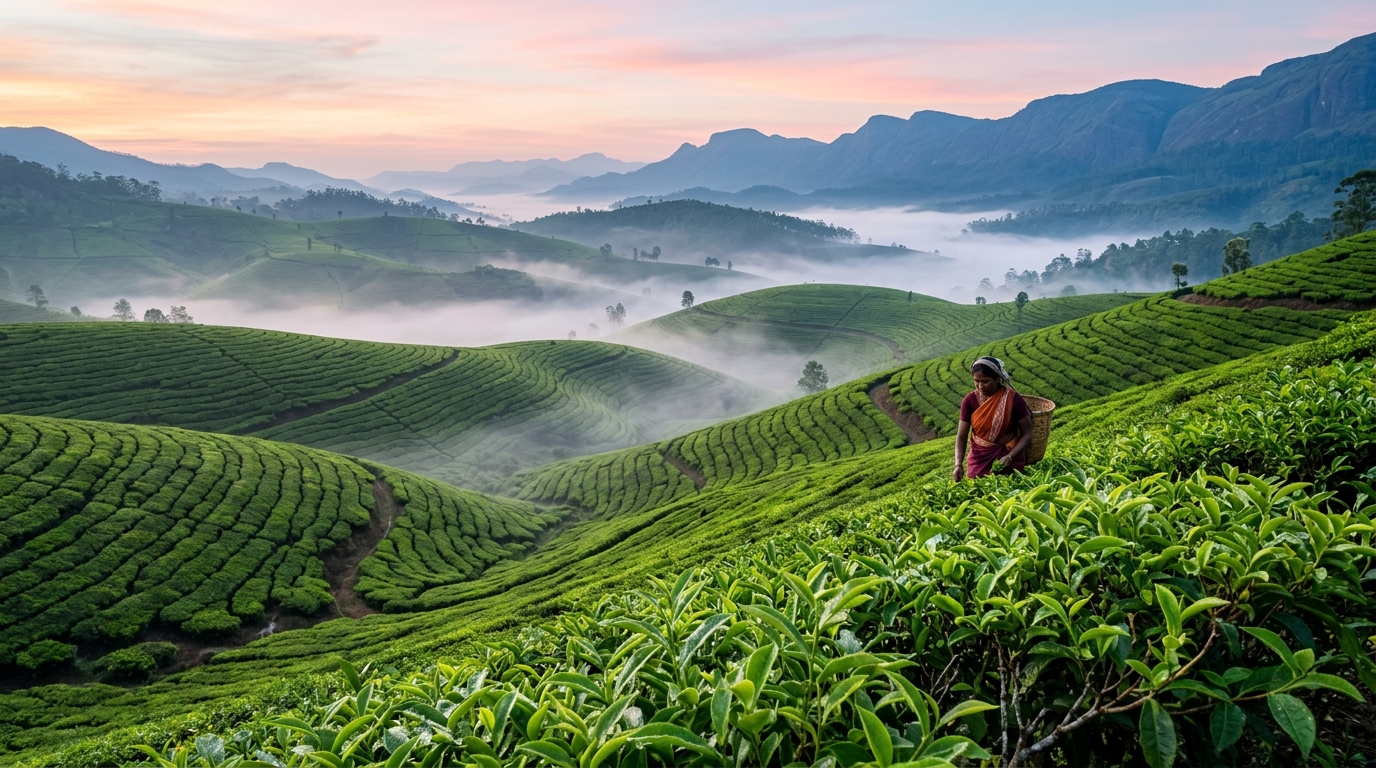
Spend days five and six exploring the tea estates that carpet the hillsides. Visit the local Tea Museum to learn about the processing history of black tea, and hike through the Eravikulam National Park, which serves as a sanctuary for the endangered Nilgiri Tahr (a rare mountain goat endemic to these hills). A comprehensive south india travel plan must include these temperate mountain regions to provide a refreshing break from the warmer coastal lowlands.
Days 8-10: Serene Backwaters and Houseboats in Alappuzha
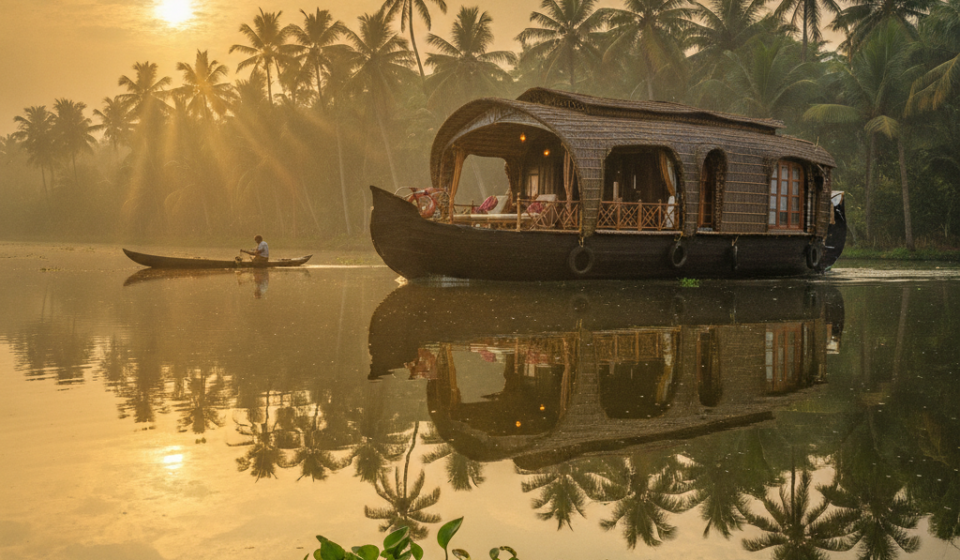
On day eight, travel down the hills toward Alappuzha, the gateway to the backwaters of Kerala. This region is famous for its intricate network of brackish canals, rivers, and lakes that run parallel to the Arabian Sea coast. Boarding a traditional, fully equipped houseboat (locally known as a Kettuvallam) is a highlight of any south india travel plan. These massive vessels were originally used to transport rice but have been carefully converted into luxury floating homes.
Spend day nine gliding slowly through palm-fringed waterways, observing local village life. These houseboats feature private bedrooms, modern amenities, and a dedicated crew that prepares traditional Kerala meals using fresh, local ingredients. A recent tourist survey by the Kerala Department of Tourism indicates that over 85% of visitors to Alappuzha opt for an overnight houseboat stay. This slow-paced experience allows you to disconnect from the frantic pace of modern travel, making it a critical component of a balanced south india travel plan. Check out our Kerala travel packages for premium houseboat selections.
Days 11-14: Coastal Relaxing in Kochi and Varkala
On day eleven, travel north to Kochi, a historic port city that has attracted traders from around the globe for centuries. Key experiences to include are:
- Fort Kochi Shoreline: Witness the iconic, massive Chinese fishing nets operating along the coast during sunset.
- The Jewish Synagogue: Explore the oldest active synagogue in the Commonwealth, located in the heart of Jew Town.
- Mattancherry Palace (Dutch Palace): Admire the highly detailed, stunning mythological murals depicting Hindu epics.
Spend day twelve and thirteen travelling south to Varkala, a coastal town famous for its dramatic red cliffs that overlook the Arabian Sea. Unlike many flat beaches, Varkala offers spectacular cliffside views, active mineral springs, and a relaxed environment ideal for reflection. On day fourteen, return to Kochi for your departure flight, concluding your comprehensive south india travel plan. This diverse itinerary ensures you experience the absolute best of southern India’s culture, hills, and coasts.
Accommodation Options Across South India
Finding the right places to stay is a vital part of executing a successful south india travel plan. The southern states offer a rich variety of lodging, from restored Chettinad heritage mansions to eco-friendly forest lodges in the Western Ghats. Your choice of accommodation can greatly influence your overall travel experience, adding a layer of comfort and local flavour to your journey.
To make your south india travel plan diverse and deeply satisfying, consider integrating a mix of these regional lodging styles:
- Heritage Hotels (Tamil Nadu): Feature central courtyards, hand-carved teak pillars, and authentic regional dining, providing an unparalleled look into the architectural grandeur of the past.
- Eco-Resorts (Western Ghats): Nestled within lush spice plantations, focusing on sustainable tourism, nature walks, and fresh, organic farm-to-table cuisine.
- Premium Beach Resorts (Kerala Coast): Set along the tranquil shores of the Arabian Sea, offering world-class Ayurvedic wellness programs, daily yoga, and physical rejuvenation.
The table below highlights selected accommodation categories to consider when finalising your south india travel plan:
| Property Type | Key Features | Recommended Locations for Your South India Travel Plan |
|---|---|---|
| Heritage Mansions | Traditional courtyard architecture, vintage wooden pillars, authentic regional dining | Karaikudi (Chettinad), Pondicherry French Quarter |
| Tea Plantation Bungalows | Colonial-era architecture, private fireplaces, guided plantation walks | Munnar, Wayanad, Valparai |
| Traditional Houseboats | Hand-woven bamboo roofs, private chefs, scenic canal cruising | Alappuzha Backwaters, Kumarakom |
| Coastal Wellness Resorts | Ayurvedic spa treatments, private beach access, daily yoga sessions | Varkala, Kovalam, Marari Beach |
Practical Travel Tips for Your Journey
To ensure your journey proceeds smoothly, several practical considerations must be incorporated into your south india travel plan. Understanding local customs, dress codes, and transport logistics will prevent common travel disruptions and ensure a highly respectful cultural exchange.
First, pay close attention to temple dress codes. When visiting active temples in Tamil Nadu or Kerala, both men and women are expected to dress modestly, covering their shoulders and knees. Some traditional temples may require men to wear a traditional sarong (dhoti) and remove their shirts before entering. Including these specific dress requirements in your south india travel plan preparation is highly recommended to avoid entry denials.
Second, prioritise health and hydration. The southern climate can be exceptionally warm and humid, particularly in coastal areas. Drink only bottled or purified water, and carry rehydration salts during long days of outdoor exploration. Additionally, allocating time in your south india travel plan for afternoon rests will help you maintain your energy levels throughout the two-week journey.
FAQs
How many days are sufficient for a South India travel plan?
A minimum of 10 to 14 days is highly recommended for a balanced south india travel plan. This timeframe allows you to explore two states (such as Tamil Nadu and Kerala) without rushing through key cultural sites or spending excessive hours on the road. If you have only 7 days, it is best to restrict your south india travel plan to a single geographic area, such as the backwaters and hill stations of Kerala, to minimise travel fatigue. For a multi-state route, 14 days is the ideal baseline.
Is it safe for solo travellers in South India?
Yes, the southern states are generally considered safe and welcoming for solo travellers, including women. Local residents are exceptionally helpful, and English is widely spoken across cities and major tourist hubs. However, standard travel precautions should still be observed. Avoid travelling late at night in unfamiliar or poorly lit areas, use registered prepaid taxis or ride-sharing apps, and keep a reliable digital copy of your south india travel plan and identification documents easily accessible.
What is the local food like in South India?
The culinary offerings are diverse, nutrient-rich, and heavily spice-oriented. The staple food is rice, served with a variety of lentil-based vegetable stews (sambar), spicy broths (rasam), and coconut-based side dishes. Fermented rice crepes (dosas) and steamed rice cakes (idlis) are popular breakfast items. While many dishes are traditionally vegetarian, coastal areas offer spectacular fresh seafood preparations seasoned with local spices. Incorporating diverse local food experiences into your south india travel plan will enrich your cultural journey.
Conclusion
A well-organised south india travel plan offers an incredible journey through some of the country’s most historically rich and geographically diverse environments. By balancing the ancient temple cities of Tamil Nadu with the peaceful, palm-fringed waterways of Kerala, you can experience a profound sense of cultural depth and physical rejuvenation. Organising the logistics, accommodations, and seasonal timing in advance ensures a smooth, stress-free journey. Partnering with a reliable travel planner can make all the difference in executing your itinerary flawlessly. Contact TravelDham today to begin custom-tailoring your perfect south india travel plan and turn your dream journey into reality.