
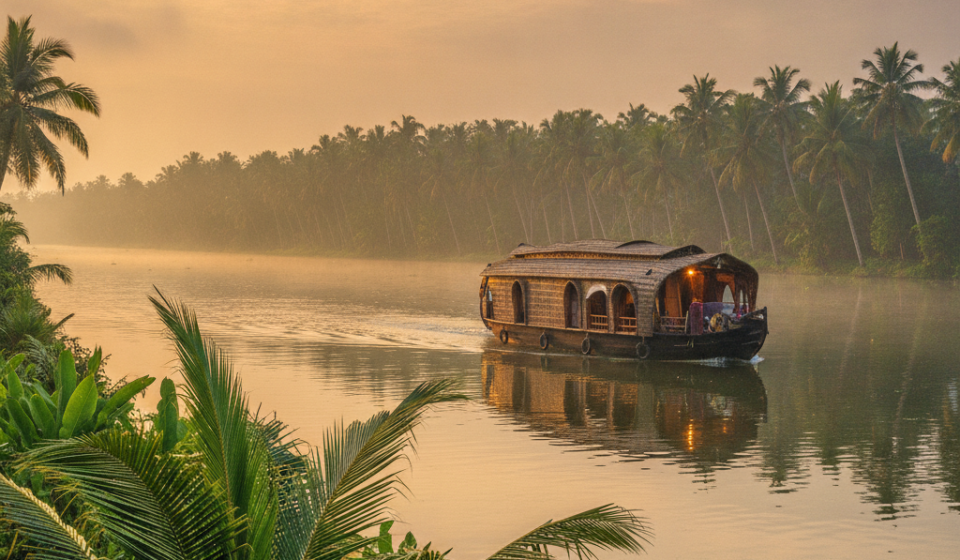

The southern peninsula of India presents a stark contrast to the mountainous north. It is a region defined by ancient palm-fringed coastlines, centuries-old Dravidian temple towers, and mist-laden highland tea estates. While many travelers first flock to the Golden Triangle or Rajasthan, formulating a comprehensive south india travel plan remains the key to unlocking a more relaxed, culturally distinct aspect of the subcontinent. The pace here is noticeably different. Life moves to the rhythm of coastal tides, temple bells, and monsoon cycles. This geographical and cultural distinction makes planning a journey through the southern states both rewarding and complex. Balancing the historic monuments of Tamil Nadu with the serene backwaters of Kerala requires a careful approach to geography and timing. By structuring travel around reliable transit corridors, heritage stays, and regional cuisine, an exceptional travel experience becomes entirely achievable.
Key Takeaways for Your South India Travel Plan
- Pace of Travel: South India offers a more relaxed, slower-paced, and culturally distinct experience compared to busy northern circuits.
- Top Regions: Plan your route around key clusters like Kerala (nature and backwaters), Tamil Nadu (ancient Dravidian heritage), and Karnataka (palaces and highlands).
- Best Time to Visit: The winter months from October to March provide the most pleasant temperatures and manageable humidity levels.
- Local Transit: Utilizing private hired vehicles with local drivers is the most efficient way to navigate winding highland roads and remote temple towns.
- Cultural Etiquette: Dress conservatively at temple sites and prepare for a unique regional culinary profile featuring coconut, rice, and local spices.
Why Choose South India for Your Next Journey?
Choosing this southern region over the more heavily trafficked northern circuits represents a deliberate shift in travel style. The north often overwhelms visitors with its fast-paced metropolitan hubs. In contrast, the south offers a gentler introduction to India, though it is no less profound in its historical and cultural depth. An effective south india travel plan requires an appreciation of this slower tempo, where coastal geography and highland sanctuaries dictate the flow of daily life.
The cultural fabric of the south is anchored by a linguistic and artistic heritage that has remained largely independent for millennia. Here, the Dravidian languages represent some of the oldest continuous literary traditions on earth. The architecture reflects this antiquity. Massive stone temples, constructed under the patronage of ancient dynasties, serve as active centers of community life. The ultimate south india travel plan bridges these spiritual monuments with unparalleled natural environments. From the mist-covered mountains of Coorg to the grand stone temples of Madurai, the best places to visit in south india are highly diverse.
Furthermore, the natural diversity of the peninsula is exceptional. The region’s unique geography shapes unforgettable travel experiences:
- The Western Ghats: An ancient mountain range older than the Himalayas, harboring endemic wildlife, vast coffee valleys, and scenic tea plantations.
- Dynamic Microclimates: Cool highland escapes are situated just a few hours’ drive from warm, tropical coastlines and beaches.
- Tailored Experiences: Ideal for diverse travel ambitions, whether your objective is historical research, culinary exploration, or wilderness relaxation.
South India State-by-State Comparison
| State | Primary Experience Focus | Ideal Minimum Duration | Key Arrival Hub |
|---|---|---|---|
| Kerala | Serene backwaters, wellness/Ayurveda, and misty tea plantations | 5 – 7 Days | Kochi (COK) |
| Tamil Nadu | Monumental Dravidian temples, rich heritage, and French colonial charm | 6 – 8 Days | Chennai (MAA) / Madurai (IXM) |
| Karnataka | Royal history, modern cityscapes, coffee estates, and ancient ruins | 5 – 7 Days | Bengaluru (BLR) |
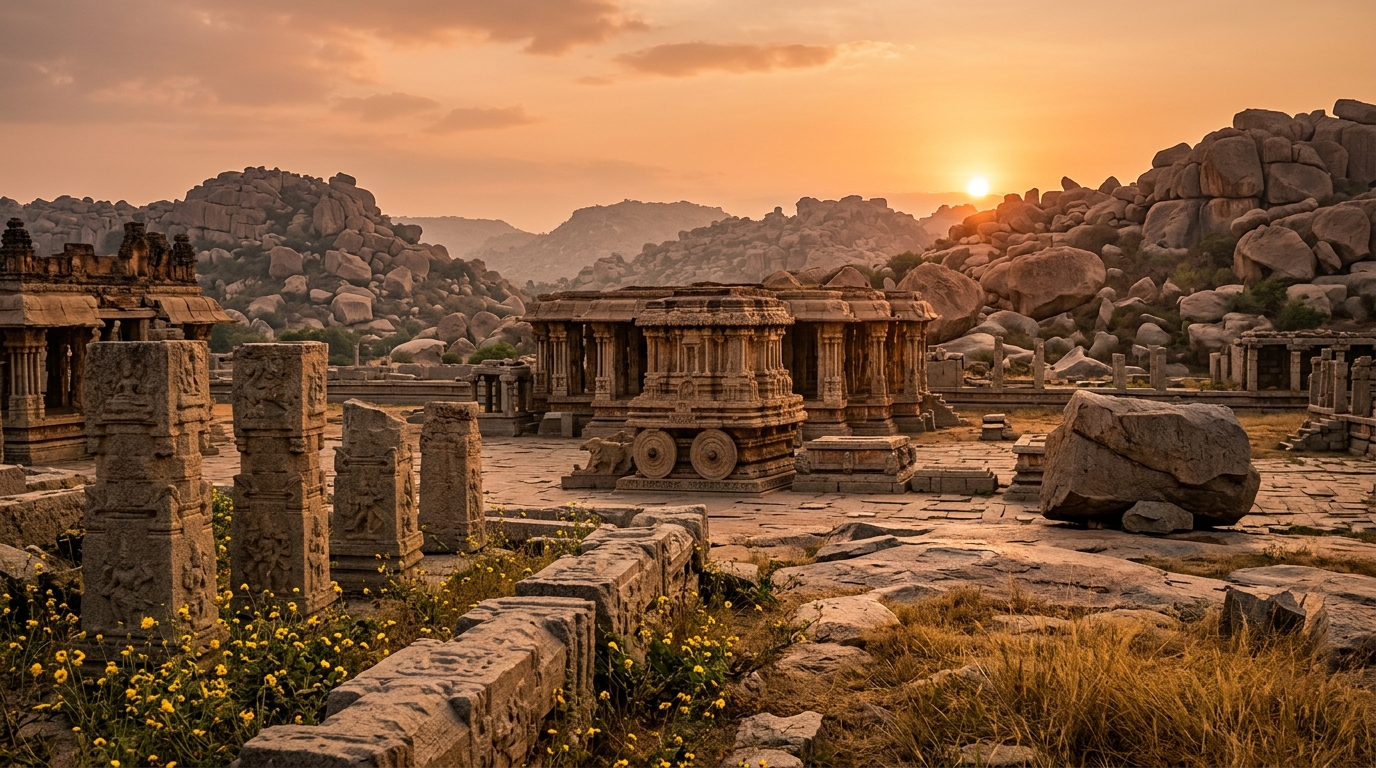
Key Destinations for a South India Travel Plan
With five distinct states and two union territories, creating a balanced south india travel plan involves selecting destinations that complement each other rather than trying to cover the entire peninsula in a single trip. While identifying the best places to visit in south india can feel overwhelming, grouping destinations by regional proximity creates a logical travel route. A rewarding strategy focuses on regional clusters, combining coastal zones, heritage towns, and highland retreats.
Kerala: The Backwaters and Beyond
Kerala is often the initial point of entry for many international travelers, and for good reason. Its tropical coastline, intersected by a vast network of brackish canals, lakes, and rivers, represents a primary highlight of any south india travel plan. The backwaters of Alappuzha (Alleppey) and Kumarakom are best experienced via traditional houseboats. They are basically floating wooden villas that drift past coconut groves and rural villages. This element of a south india travel plan offers a rare opportunity to observe traditional village life from a tranquil vantage point.
Beyond the waterways, the port city of Kochi showcases a fascinating multicultural history. The historic district of Fort Kochi contains elements of Portuguese, Dutch, and British colonial architecture. Moving inland, the terrain ascends sharply into the Western Ghats, where Munnar offers sprawling tea estates. For travelers seeking a comprehensive tropical experience, integrating tailored Kerala tour packages ensures that transportation across these varying elevations is managed comfortably.
Tamil Nadu: Architectural Marvels and Ancient Temples
If Kerala represents natural tranquility, Tamil Nadu is the epicenter of monumental art and spiritual devotion. An integral component of a heritage-focused south india travel plan is visiting the state’s magnificent temple towns. Unlike northern temples, which suffered significant destruction during medieval invasions, the grand structures of Tamil Nadu survived largely intact. The cities of Madurai, Thanjavur, and Tiruchirappalli are anchored by massive temple complexes featuring soaring gopurams (monumental entrance towers covered in detailed stucco sculptures).
In Madurai, the Meenakshi Amman Temple serves as a labyrinthine city within a city, where thousands of worshippers gather daily for elaborate rituals. According to the Tamil Nadu Tourism Development Corporation, Madurai’s Meenakshi Temple receives upwards of 15,000 visitors daily, a testament to its living heritage. Incorporating these sites into a south india travel plan provides profound insight into living religious traditions that have remained unchanged for over a thousand years. To optimize this complex route, selecting specialized Tamil Nadu tour packages allows travelers to secure knowledgeable local guides.
Karnataka: Heritage, Palaces, and Coffee Hills
Karnataka offers a diverse mix of progressive metropolitan culture, royal history, and lush mountain scenery, rounding out a south india travel plan with unique contrasts. The state capital, Bengaluru, is a global technology hub that retains its historical charm through extensive public parks and a thriving culinary scene. A short journey south leads to Mysuru, a city renowned for its grand royal heritage, fragrant sandalwood, and the spectacular Mysore Palace (illuminated by roughly ninety-seven thousand light bulbs on Sunday evenings, according to local heritage logs).
West of Mysuru lies the highland district of Kodagu, commonly known as Coorg. This picturesque hill station is famous for its vast coffee plantations, misty valleys, and unique local culture. Choosing structured Coorg tour packages allows travelers to experience guided plantation walks and observe the distinct traditions of the Kodava community. The juxtaposition of Bengaluru’s modern lifestyle, Mysuru’s royal history, and Coorg’s serene highlands creates a highly satisfying travel sequence.
Pondicherry: French Charm on the Coromandel Coast
Positioned on the eastern coast of Tamil Nadu, the Union Territory of Pondicherry offers an intriguing cultural detour. This former French colonial enclave preserves its European heritage within the White Town district, where yellow-washed villas, bougainvillea-draped walls, and cobbled streets run parallel to the Bay of Bengal. Integrating this enclave into a south india travel plan provides a distinct change of pace and aesthetic.
The town is also internationally recognized for the Sri Aurobindo Ashram and the nearby experimental township of Auroville, which attracts seekers from across the globe. Visitors can spend their days exploring French bakeries on foot, cycling through the Tamil Quarter, or enjoying quiet sunsets on Promenade Beach. It is an ideal spot to pause and reflect, offering a coastal atmosphere that is highly distinct from the bustling temple towns nearby.
Crafting the Perfect South India Travel Plan: 10-Day and 14-Day Itineraries
Designing an actionable south india travel plan requires careful consideration of travel distances and transit times. While the southern states possess relatively modern highway networks and extensive rail connections, the winding mountain roads in the Western Ghats can slow travel times. A modular south india travel plan allows travelers to choose between a focused, shorter circuit and a more comprehensive multi-state journey. For Fully Independent Travelers (FITs – an industry acronym for individuals who prefer planning their own custom paths rather than booking fixed group tours), designing an active loop is highly satisfying. Whether planning a fast-paced route or a slow-tempo exploration, a detailed south india itinerary must balance coastal relaxation with heritage sightseeing.
The Classic 10-Day Southern Circuit
This 10-day south india travel plan highlights the classic cultural and natural landscapes of Kerala and western Tamil Nadu, offering a highly efficient route for first-time visitors who want a diverse experience without excessive travel times.
- Days 1 to 2: Arrival in Kochi and Heritage Exploration. Explore the historic Fort Kochi area, visit the Mattancherry Palace, and attend an evening Kathakali dance performance.
- Days 3 to 4: Munnar’s Tea Estates. Drive inland to Munnar (approximately four hours). Tour the local tea museum, walk through the scenic hills, and enjoy the cool mountain climate.
- Days 5 to 6: Wildlife and Spices in Thekkady (Periyar). Travel south to Periyar National Park. Take a guided spice plantation walk to learn about cardamom and black pepper cultivation.
- Days 7 to 8: Houseboat Experience in Alappuzha. Drive to the backwaters and board a private luxury houseboat. Cruise through the scenic canals of Lake Vembanad.
- Days 9 to 10: Coastal Relaxation in Marari Beach. Conclude the journey with a quiet beach stay at Marari Beach before departing from Kochi International Airport.
This itinerary minimizes backtracking and ensures that travel times between destinations rarely exceed four hours, making it highly manageable.
The Grand 14-Day Comprehensive South India Itinerary
For those seeking an extended south india travel plan, a comprehensive two-week south india itinerary allows for a multi-state loop that combines the historic palaces of Karnataka, the French architecture of Pondicherry, and the massive temple complexes of Tamil Nadu.
- Days 1 to 2: Bengaluru to Mysuru. Arrive in Bengaluru and transfer directly to Mysuru. Visit the Mysore Palace, Chamundi Hill, and the historic island fortress of Srirangapatna.
- Days 3 to 4: Coorg Hill Station. Travel into the Western Ghats to Coorg. Stay on a working coffee plantation, visit the Namdroling Monastery in Bylakuppe, and hike to Abbey Falls.
- Days 5 to 6: Heritage and Culture in Wayanad. Cross the state border into northern Kerala. Explore the Edakkal Caves, which feature prehistoric carvings, and enjoy the tranquil surroundings of Banasura Sagar Dam.
- Days 7 to 8: Train to Coimbatore and Madurai. Take a scenic train ride to Coimbatore, then transfer to Madurai. Witness the evening ceremony at the Meenakshi Amman Temple.
- Days 9 to 10: Chettinad Heritage Region. Drive to Chettinad, famous for its massive nineteenth-century merchant mansions, ornate teak woodwork, and highly spiced local cuisine.
- Days 11 to 12: French Pondicherry via Thanjavur. Stop at the majestic Brihadisvara Temple in Thanjavur before driving to Pondicherry. Spend the following day exploring White Town and visiting Auroville.
- Days 13 to 14: Mahabalipuram to Chennai. Travel north along the East Coast Road to Mahabalipuram, a UNESCO World Heritage site famous for its rock-cut shore temples. Depart from Chennai International Airport.
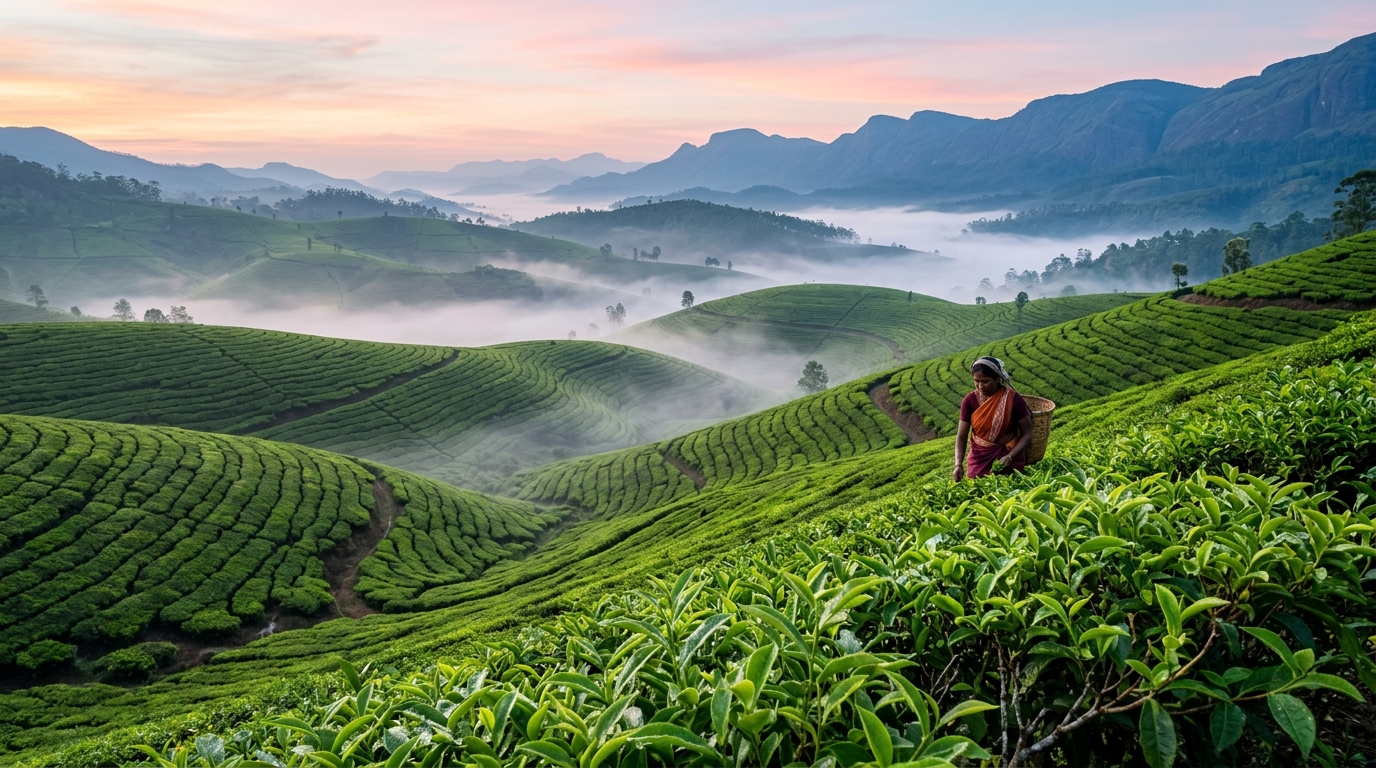
Seasonal Considerations: When to Plan Your Visit
Aligning a south india travel plan with the region’s complex monsoon patterns is critical to ensuring a comfortable and successful trip. Unlike northern India, which experiences a relatively straightforward seasonal cycle, the southern peninsula is influenced by two monsoons: the Southwest monsoon (June to September) and the Northeast monsoon (October to November).
Therefore, the winter season, spanning from October to March, is widely considered the prime window for travel. During these months, temperatures are comfortable, ranging from 22°C to 32°C across the plains, while the hill stations offer pleasantly crisp evenings. A well-timed south india travel plan avoids the intense humidity of the pre-monsoon summer (April and May), when inland temperatures can exceed 40°C, making outdoor sightseeing highly uncomfortable.
Critics sometimes argue that the tropical humidity of the south makes overland travel exhausting. They are not entirely wrong, especially in May. But still, a well-timed winter itinerary completely avoids this issue. Visiting during the monsoon season has its own unique appeal, particularly in Kerala, where the rainwater rejuvenates the landscape and the local Ayurvedic centers offer specialized wellness treatments.
Essential Travel Tips for Exploring South India
Executing a south india travel plan smoothly requires some familiarity with local customs, culinary styles, and logistical realities. Keep these key aspects in mind:
- The Culinary Landscape: Southern cuisine relies heavily on rice, lentils, coconut, and a balance of tamarind and curry leaves. Signature dishes like dosas, idlis, and appams are naturally gluten-free and light on the stomach. However, the spice levels can be intense, so travelers should request milder preparations if they are sensitive to chili.
- Temple Etiquette: Many active temples in Tamil Nadu require visitors to remove footwear before entering the outer complex. Dressing conservatively, with shoulders and knees covered, is mandatory across all spiritual sites. Respecting these traditions ensures the spiritual atmosphere remains deeply welcoming.
- Local Transport Options: Hiring a private air-conditioned vehicle with a professional driver remains the preferred choice for independent travelers seeking maximum flexibility. Given that over 21.8 million domestic tourists visit Kerala annually, booking houseboats and boutique heritage hotels months in advance is critical.
Practical Logistics and Packing Checklist
Completing a south india travel plan requires a methodical approach to logistics and packing. Because travelers often transition from hot, humid coastal lowlands to cool, breezy mountain stations in a single afternoon, a versatile wardrobe is essential.
The following structured table outlines the recommended packing items based on the diverse geographic zones of the region:
| Geographic Zone | Key Packing Items | Logistical Purpose |
|---|---|---|
| Coastal Lowlands (Kochi, Alappuzha, Pondicherry) | Breathable cotton clothing, wide-brimmed hats, high-SPF sunscreen | Managing high humidity and intense tropical sun exposure |
| Highland Hill Stations (Munnar, Coorg, Wayanad) | Light sweaters, fleece jackets, sturdy walking shoes | Comfort during cool evenings and plantation trail walks |
| Temple Cities (Madurai, Thanjavur, Mysuru) | Modest clothing (long trousers, maxi skirts), slip-on shoes, clean socks | Adhering to strict temple dress codes and hot stone floors |
In addition to apparel, finalizing a south india travel plan involves gathering essential travel items. A compact umbrella or high-quality light raincoat is highly recommended, as tropical showers can occur unexpectedly even outside the main monsoon months. A basic medical kit containing rehydration salts, insect repellent with DEET, and stomach-calming medications is also highly advisable. For seamless connectivity, purchasing a local high-speed SIM card at the international arrival airport ensures reliable access to digital maps and translation applications throughout the journey.
FAQs
Below are answers to the most common questions regarding a south india travel plan, compiled to assist with final itinerary decisions.
How many days are ideal for a comprehensive south india travel plan?
A comprehensive south india travel plan typically requires at least 10 to 14 days to appreciate the distinct cultural and environmental differences of the region without feeling rushed. Travelers with more limited schedules can focus exclusively on a single state, such as Kerala or Tamil Nadu, over a 7-day period. Conversely, a multi-state south india travel plan that encompasses Karnataka, Kerala, and Tamil Nadu is best suited for a 3-week journey, allowing for a balanced mix of historical exploration, wildlife safaris, and beach relaxation.
What is the most efficient way to travel between southern states?
While the regional rail network is highly reliable for long-distance travel (which spans roughly 1,200 kilometers on this loop, depending on the route selected), a multi-state south india travel plan is often executed most efficiently by combining short domestic flights with a private hired car for localized sightseeing. Major cities like Bengaluru, Chennai, Kochi, and Madurai are well-connected by air, while high-speed trains like the Shatabdi Express offer rapid transit between Bengaluru, Mysuru, and Chennai. For rural areas and hill stations like Munnar and Coorg, a private vehicle remains the only practical choice.
Are there specific dress codes for entering temples in Tamil Nadu?
Yes, Tamil Nadu temples adhere strictly to traditional dress codes. Men are generally expected to wear dhotis, traditional pajamas, or trousers, while shirts are required (though some specific temples may require men to remain bare-chested in the inner sanctum). Women should wear sarees, salwar kameez, or modest dresses that cover both shoulders and ankles. Shorts, sleeveless tops, and tight-fitting apparel are strictly prohibited. Additionally, leather items, including belts and bags, are occasionally banned from being carried into the inner temple chambers.