
Designing a comprehensive south india travel plan involves managing a vast geographical area. The region is defined by ancient temple architecture, mist-shrouded tea estates, and serene coastal waterways. Unlike the arid northern plains, the southern peninsula presents an intricate mosaic. It features distinct languages, culinary traditions, and microclimates that demand deliberate logistical organization. Historically, travelers underestimated the vast distances between states. This led to rushed schedules and physical exhaustion. Today, executing an efficient south india travel plan requires a clear understanding of regional monsoons. Train booking timelines and state-crossing transport options are equally critical. Choosing to focus on specific zones yields a far more rewarding experience. By understanding the distinct state identities, a traveler can craft a smooth journey. It transitions gracefully from historic stone temples to relaxing backwater cruises.
Key Takeaways for Your South India Travel Plan
- Slow Down: South India is massive; focus on one or two states (like Kerala or Tamil Nadu) for a 10-14 day trip rather than rushing through all five.
- Timing is Everything: The ideal visiting window is October to March to avoid extreme heat and heavy monsoon rains.
- Book Trains Early: IRCTC train tickets sell out weeks in advance, so plan your rail journeys early.
- Respect Local Customs: Dress conservatively when visiting historic Dravidian temples (cover shoulders and knees, and remove shoes).
Why South India belongs on every traveler’s radar
South India appeals to those seeking a reflective travel experience. The region is home to ancient classical cultures. Here, Dravidian architecture serves as a physical testament to dynasties like the Cholas. Beyond stone and mortar, it offers:
- Diverse Landscapes: From the misty hills of the Western Ghats to extensive coastal canal networks.
- Balanced Travel Pace: Opportunities to combine active historical exploration with deep physical relaxation.
- Lush Environments: Vibrant spice plantations, tropical backwaters, and slow-paced rural life.
In practice, the southern states offer a different rhythm. While the north boasts desert horizons, the south presents lush tropical environments, spice plantations, and slow-paced canal systems. For the free independent traveler (who values flexibility), this region provides highly developed infrastructure, making independent exploration feasible. Whether studying temple iconography in Madurai or enjoying a quiet homestay in Coorg, this forms the cultural core of an effective south india travel plan.
Defining Your South India Travel Plan: Key Regions
The southern peninsula comprises five distinct states, each offering unique cultural landscapes. Attempting to visit all of them in a single trip is a common mistake. Building a realistic south india travel plan means selecting specific regional highlights that match individual interests, whether those lean toward wildlife or coastal leisure.
Understanding the geographical layout of each state is key. This knowledge ensures your south india travel plan does not become an exhausting exercise in transit. Roughly speaking, the region can be split into three major travel corridors. These are the coastal west, the temple-dense east, and the hilly interior.
The Coastal Allure of Kerala
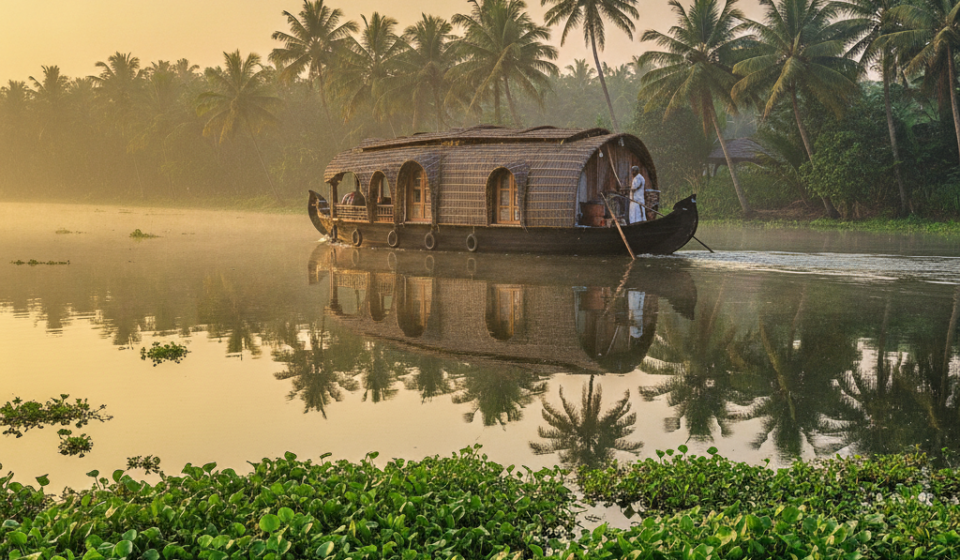
Kerala is defined by its watery geography, making it a highly recommended component of any south india travel plan. The state is famous for its backwaters, a network of brackish canals running parallel to the coast. Renting a traditional houseboat allows travelers to float past quiet rural villages. It is a peaceful experience that stands in contrast to bustling cities.
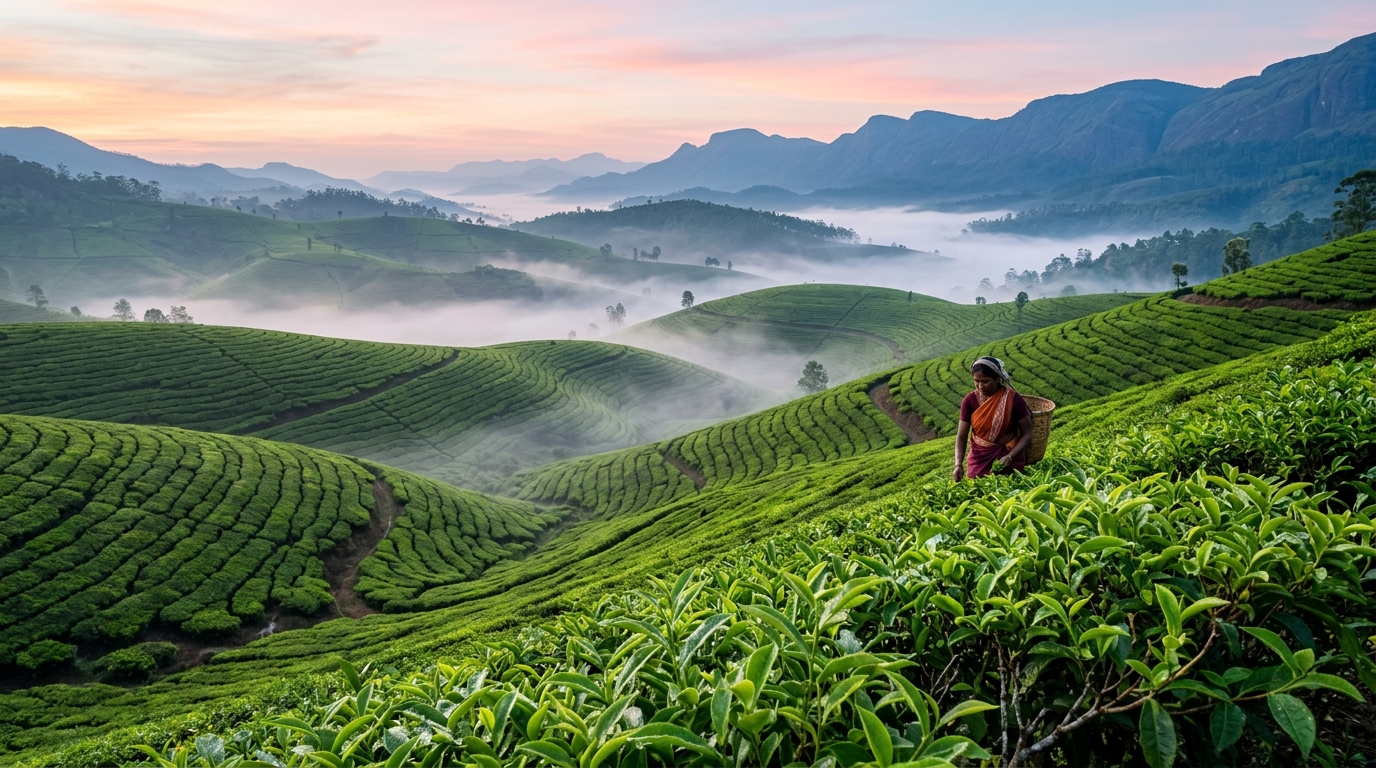
Beyond the waterways, the state offers diverse topographies. In the highlands of Munnar, tea plantations blanket the hillsides, while Fort Kochi showcases a blend of Dutch and British colonial influences. For those seeking wellness, traditional Ayurvedic treatments are deeply integrated. Visiting an Ayurvedic retreat can be woven into a south india travel plan focused on physical rejuvenation. To experience these coastal waterways firsthand, travelers can book custom Kerala tour packages that cover the coast and the highlands.
The Cultural Grandeur of Tamil Nadu
If Kerala is defined by water, Tamil Nadu is defined by stone and devotion. The state boasts thousands of historic temples that have functioned continuously for over a millennium. These marvels are characterized by massive gopurams (gateway towers) covered in colorful carved figures. This preservation of classical heritage remains central to a culture-focused south india travel plan.
Key cities like Madurai and Thanjavur serve as excellent hubs for exploring temple complexes. In Madurai, the Meenakshi Amman Temple dominates city life with its active daily rituals. Further north, the coastal town of Mahabalipuram features rock-cut monuments carved out of granite cliffs. Integrating these locations gives your south india travel plan an ancient architectural focus that is unmatched elsewhere. To witness this heritage, exploring Tamil Nadu is highly recommended.
The Heritage and Hills of Karnataka
Karnataka offers a compelling blend of history, rugged scenery, and modernism. The capital, Bengaluru, is a booming IT hub with pleasant year-round weather. But still, the true treasures lie outside its modern capital. The historical city of Mysuru features the grand Mysore Palace, an example of Indo-Saracenic architecture that glows with thousands of lightbulbs on Sunday evenings. This transition from modern cityscapes to royal heritage makes it a worthy inclusion in a south india travel plan.
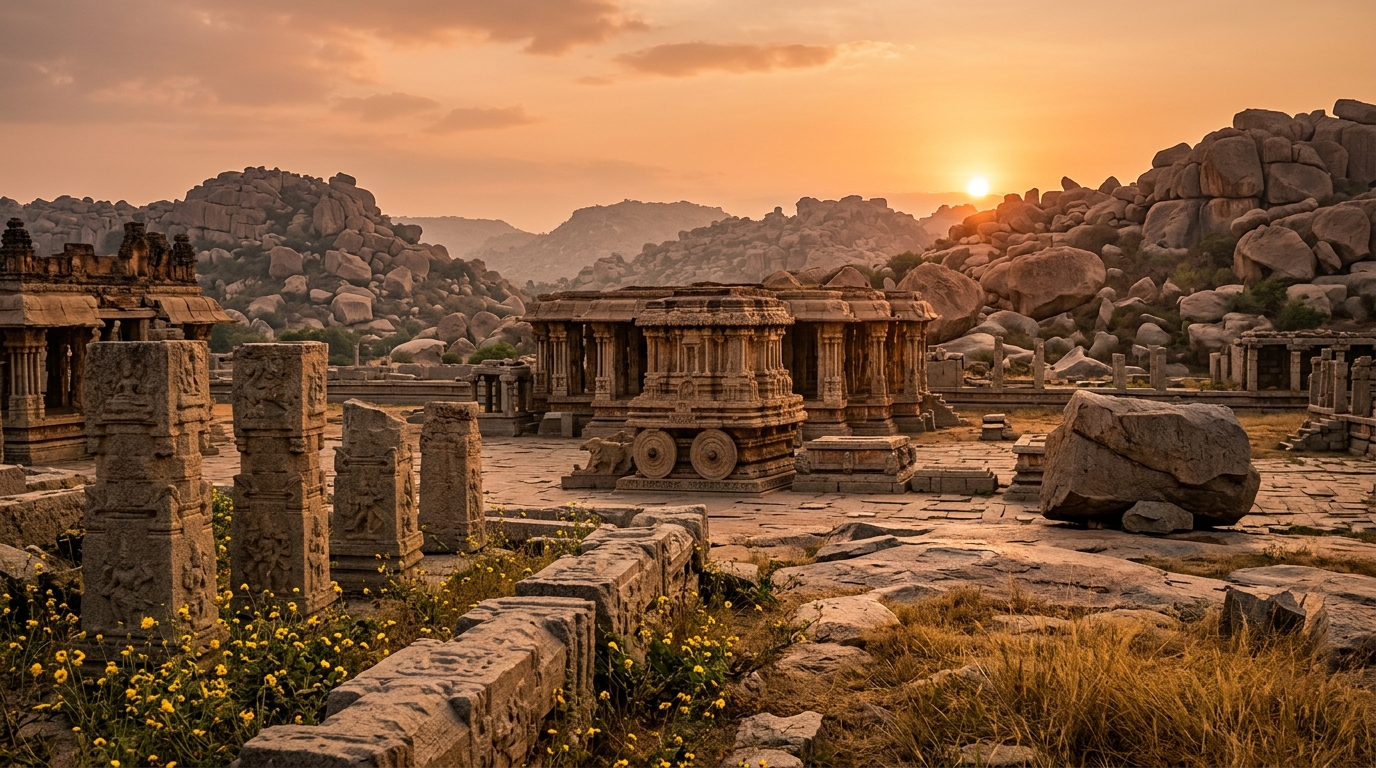
Further north lies Hampi, the ruined capital of the Vijayanagara Empire. Set amidst giant granite boulders, the ruins of Hampi span over 4,100 hectares and include ancient temple pavilions. In contrast, the southern highlands of Coorg provide cool, misty conditions perfect for coffee cultivation. Adding a stay at a working coffee estate in the Coorg hill station can elevate a diverse south india travel plan by offering a peaceful mountain escape.
Designing Your Itinerary: Recommended Routes
Creating a logical flow between destinations is the most challenging part of planning. Because South India is geographically vast, structuring an efficient south india travel plan depends heavily on transport nodes. Travelers must choose routes that minimize travel times and maximize their actual exploration hours.
Here, we outline two distinct routes designed to showcase different facets of the southern states. Each route begins near major airports, serving as the foundation of a successful south india travel plan.
The Classic Southern Highlights Route (10 to 14 Days)
This itinerary is ideal for first-time visitors who want a balance of history, misty highlands, and coastal relaxation. It connects the cultural heritage of Tamil Nadu with the natural beauty of Kerala, making it a classic segment of a south india travel plan.
The route begins in Kochi. From Kochi, travelers head into the Western Ghats to reach Munnar, where the cool climate is perfect for tea gardens. The journey continues south to Periyar National Park to spot wild elephants. Next, cross the border into Tamil Nadu to visit Madurai, before returning westward toward the Kerala backwaters of Alappuzha for a houseboat stay. Finally, end with a beach retreat in the resort town of Kovalam. Working with an experienced agency can help secure vehicle permits to finalize this part of the south india travel plan.
The classic route breakdown is structured as follows:
- Days 1-2: Kochi – Explore Fort Kochi and the Chinese fishing nets.
- Days 3-4: Munnar – Tour tea plantations and visit Eravikulam National Park.
- Day 5: Periyar – Enjoy a spice plantation tour and an evening boat safari.
- Days 6-7: Madurai – Explore Meenakshi Temple and the Thirumalai Nayakkar Palace.
- Days 8-9: Alappuzha – Experience an overnight backwater houseboat cruise.
- Days 10-12: Kovalam – Relax on the beach and experience wellness therapies.
The Heritage and Coffee Trails Route (8 to 12 Days)
This route is tailored for history enthusiasts and nature lovers who prefer to explore the rich inland heritage of Karnataka. It highlights the royal legacy of Mysore and the ancient stone ruins of Hampi, which fits perfectly within a heritage-themed south india travel plan.
Starting in Bengaluru, the route moves southwest to Mysuru to tour the spectacular palace. From Mysuru, travelers journey into the forested hills of Coorg to stay on a coffee plantation and enjoy local cuisine. The journey then turns northward to the UNESCO World Heritage site of Hampi, where several days are spent exploring ancient ruins. This itinerary adds great value to a comprehensive south india travel plan by showcasing a side of the region that is rich in history.
A typical itinerary for this heritage route includes:
- Day 1: Bengaluru – Arrive and visit the Lalbagh Botanical Gardens.
- Days 2-3: Mysuru – Explore the Mysore Palace and Chamundi Hill.
- Days 4-5: Coorg – Visit coffee estates, Abbey Falls, and the Dubare Elephant Camp.
- Days 6-8: Hampi – Spend two full days exploring the Virupaksha Temple and the Royal Center.
- Day 9: Return to Bengaluru for departure.
Essential Tips for a Seamless South India Journey
Executing a trip successfully requires more than just picking destinations; preparing a detailed south india travel plan involves practical local knowledge. From managing the weather to understanding regional culinary habits, small details can have a significant impact on your overall experience.
For instance, local transport networks are highly efficient but require advance booking, especially for long-distance train travel. Addressing these details early simplifies your overall south india travel plan and prevents stress on the road.
When to Visit: Weather and Seasonal Nuances
Understanding the local climate is critical when drafting a south india travel plan. The peninsula experiences two separate monsoons: the Southwest monsoon (from June to September) and the Northeast monsoon (from October to November). This dual rainy season means that weather patterns can vary significantly between the western and eastern coasts.
Generally, the best time to visit is during the winter months, from October to March, when temperatures are milder and the humidity is manageable. During this period, daytime temperatures in the plains range from 25 to 30 degrees Celsius, while hill stations like Munnar can drop to a cool 10 degrees Celsius at night. Visiting during the summer shoulder season (April and May) is possible, but travelers should expect high heat and humidity in the coastal regions.
Logistics and Connectivity: Getting Around
Transport logistics play a major role in how you execute a south india travel plan. The rail network, run by Indian Railways, is extensive and highly affordable. For long-distance overnight travel, booking an air-conditioned sleeper berth is highly recommended. These tickets often sell out weeks in advance, so using the official IRCTC portal early is vital.
To help you navigate, here is a practical comparison of transport options for your south india travel plan:
| Transport Mode | Best For | Pros | Cons / Tips |
|---|---|---|---|
| Indian Railways (Train) | Long-distance & overnight travel | Highly affordable, scenic, authentic experience | Must book 2-4 weeks in advance via IRCTC; AC classes (1AC, 2AC, 3AC) recommended. |
| Private Car & Driver | Short regional distances & flexible day trips | Complete flexibility, direct hotel-to-hotel transit, stop at scenic viewpoints | Higher cost; ensure driver has paid state border crossing taxes. |
| Domestic Flights | Skipping huge distances (e.g., Bengaluru to Kochi) | Saves significant travel time | Miss out on countryside views; baggage weight limits apply. |
For shorter regional distances, hiring a private car with a professional driver through a local DMC (Destination Management Company) is often the most comfortable option. It allows travelers to make spontaneous stops at wayside temples, spice markets, and local viewpoints. When traversing states, ensure that your transport provider has paid the appropriate interstate tourist vehicle taxes to avoid delays at border checkpoints.
Cultural Etiquette and Practical Advice
South India has a rich, traditional cultural heritage, and observing local customs is key to a smooth journey. Incorporating these elements into a south india travel plan ensures respectful interactions with local communities.
- Temple Dress Code: Dress conservatively. Both men and women must cover their shoulders and knees. Shoes must be removed before entering.
- Sanctum Access: Note that many active temples restrict entry to the innermost sanctums to practicing Hindus, though outer courtyards are fully accessible.
- Dining Etiquette: Traditional meals are served on banana leaves. Eating with your right hand is the local norm, though cutlery is available upon request in most tourist restaurants.
- Local Delicacies: Do not miss regional specialties like crispy dosas, fluffy idlis, and fragrant, frothy South Indian filter coffee.
Comparative Overview of South Indian Destinations
To help align a south india travel plan with specific travel styles, it is useful to compare what each state does best. Each destination offers a different blend of cultural depth, natural scenery, and travel pace.
The table below outlines the primary highlights, ideal travel styles, and major transport gateways for the primary southern states to assist you in making an informed decision:
| State | Primary Attractions | Best Suited For | Primary Gateways |
|---|---|---|---|
| Kerala | Backwater houseboats, hill stations, Ayurvedic wellness retreats | Nature lovers, families, couples seeking relaxation | Kochi (COK), Thiruvananthapuram (TRV) |
| Tamil Nadu | Ancient Dravidian temples, coastal monuments, heritage towns | History enthusiasts, cultural travelers, spiritual seekers | Chennai (MAA), Madurai (IXM) |
| Karnataka | Hampi ruins, Mysore Palace, coffee estates, wildlife parks | Adventure travelers, heritage buffs, coffee enthusiasts | Bengaluru (BLR), Mangaluru (IXE) |
FAQs
What is the ideal duration for a South India trip?
The ideal duration is a crucial factor when deciding on a south india travel plan. To truly appreciate the region without rushing, a minimum of 10 to 14 days is recommended. This timeframe allows travelers to cover one or two states thoroughly, such as combining the coastal backwaters of Kerala with the historic temple towns of Tamil Nadu. Trying to see more than this in two weeks often results in excessive travel time and less actual enjoyment.
Do I need separate entry permits or visas for South Indian states?
Standard tourist visas are valid across all Indian states, meaning separate domestic visas are not required to cross borders within South India. But still, certain protected wildlife sanctuaries or tribal areas may require local permits from the forest department. Additionally, commercial tourist vehicles crossing state lines must pay state transit taxes, which are typically managed by your tour operator or rental driver.
Is South India safe for solo and first-time travelers?
Generally speaking, South India is considered highly safe and welcoming for both solo travelers and first-time visitors. The southern states have high literacy rates and English is widely spoken, particularly in tourist areas and major cities. While standard travel safety precautions should always be followed, visitors generally experience a polite, welcoming atmosphere throughout their journey.
Conclusion
Planning a memorable journey through South India requires balancing cultural discovery with slow-paced relaxation. By selecting a focused itinerary and understanding the local transport networks, travelers can experience a deeply rewarding side of the Indian subcontinent. Whether floating through the quiet canals of Kerala, studying the stone carvings of Hampi, or enjoying the coastal atmosphere of Pondicherry, the key lies in taking your time and letting a well-crafted south india travel plan guide your footsteps.