

The southern peninsula of India presents a cultural and geographical tapestry distinct from its northern counterpart. Planning a journey through this region requires a methodical approach, balancing ancient stone architecture with dense, water-aligned landscapes. To optimize such an endeavor, a comprehensive south india travel plan must account for varying climate zones, historical contexts, and infrastructural realities. Rather than rushing through multiple states in a single excursion, experienced travelers prioritize focused, regional routes. The key to a successful journey lies in understanding how the Western and Eastern Ghats shape both physical terrain and local cultural rhythms. Developing a clear roadmap ensures that the historical depth and natural beauty of the region are fully appreciated rather than obscured by logistics-heavy transit.
Key Takeaways for Your South India Travel Plan:
- Focus on Regional Corridors: Prioritize specific states or thematic routes instead of rushing across the entire southern peninsula.
- Align with Seasonal Climates: Plan coastal and outdoor activities for the comfortable winter months (November to February).
- Optimize Travel Logistics: Mix private chauffeured vehicles for hill stations and Indian Railways for long-distance intercity transits.
- Prepare for Cultural Customs: Ensure modest attire for active temple visits and embrace unique southern culinary habits.
Understanding the Geography of South India
To build an effective itinerary, one must comprehend the geographical divisions defining the southern states. South India comprises five distinct states: Karnataka, Andhra Pradesh, Telangana, Kerala, and Tamil Nadu. Flanked by the Arabian Sea and the Bay of Bengal, these coastal regions historically served as maritime trade routes, influencing local architecture and culinary styles. Understanding these borders is essential before finalizing a south india travel plan, as transit times vary significantly depending on the terrain. When constructing a south india travel plan, respecting these natural boundaries prevents unnecessary transit fatigue. These factors are crucial because high-altitude transit takes longer. Let us examine the key highlights and gateway points for each state:
| State | Primary Geographical Features | Recommended Gateway Airport | Optimal Length of Stay |
|---|---|---|---|
| Kerala | Western Ghats, backwater networks, coastal plains | Cochin International Airport (COK) | 7 to 10 Days |
| Tamil Nadu | Coromandel coast, Deccan plateau, Eastern Ghats | Chennai International Airport (MAA) | 8 to 12 Days |
| Karnataka | Deccan plateau, Malnad hill regions, Konkan coast | Kempegowda International Airport Bengaluru (BLR) | 8 to 11 Days |
| Andhra Pradesh | Eastern coastal plains, Rayalaseema plateaus | Vijayawada Airport (VGA) | 5 to 7 Days |
| Telangana | Semi-arid Deccan plateau tablelands | Rajiv Gandhi International Airport Hyderabad (HYD) | 4 to 6 Days |
The Coastal Plains and Western Ghats
The Western Ghats represent a mountain range running parallel to the western coast. This mountain system (older than the Himalayas) acts as a climatic barrier, intercepting monsoonal winds and creating a rich biodiversity hotspot. Exploring these altitudes is a major factor when designing a south india travel plan, as winding mountain roads require slow, careful driving. Along the base of these heights lie the fertile coastal plains of Kerala and Karnataka. Key features of this unique landscape include:
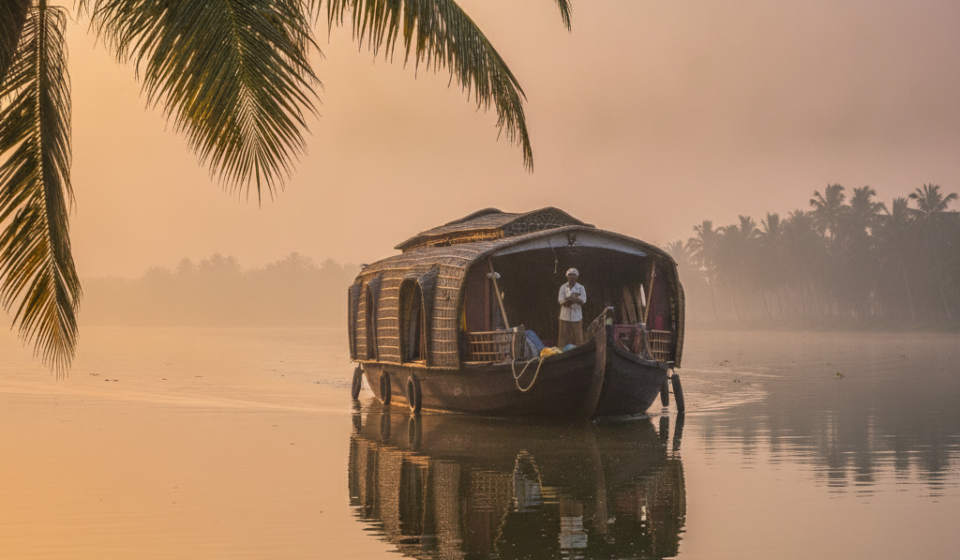
- Brackish Backwater Networks: Crucial for local transport, fishing, and peaceful houseboat tourism.
- Coconut Groves and Spice Plantations: Defining the agricultural wealth and culinary profiles of the coastal belt.
- Microclimate Transitions: The proximity of these environments means one can travel from a cool hill station to a coastal inlet within hours, which dictates the pacing of any south india travel plan.
The Deccan Plateau and Eastern Ghats
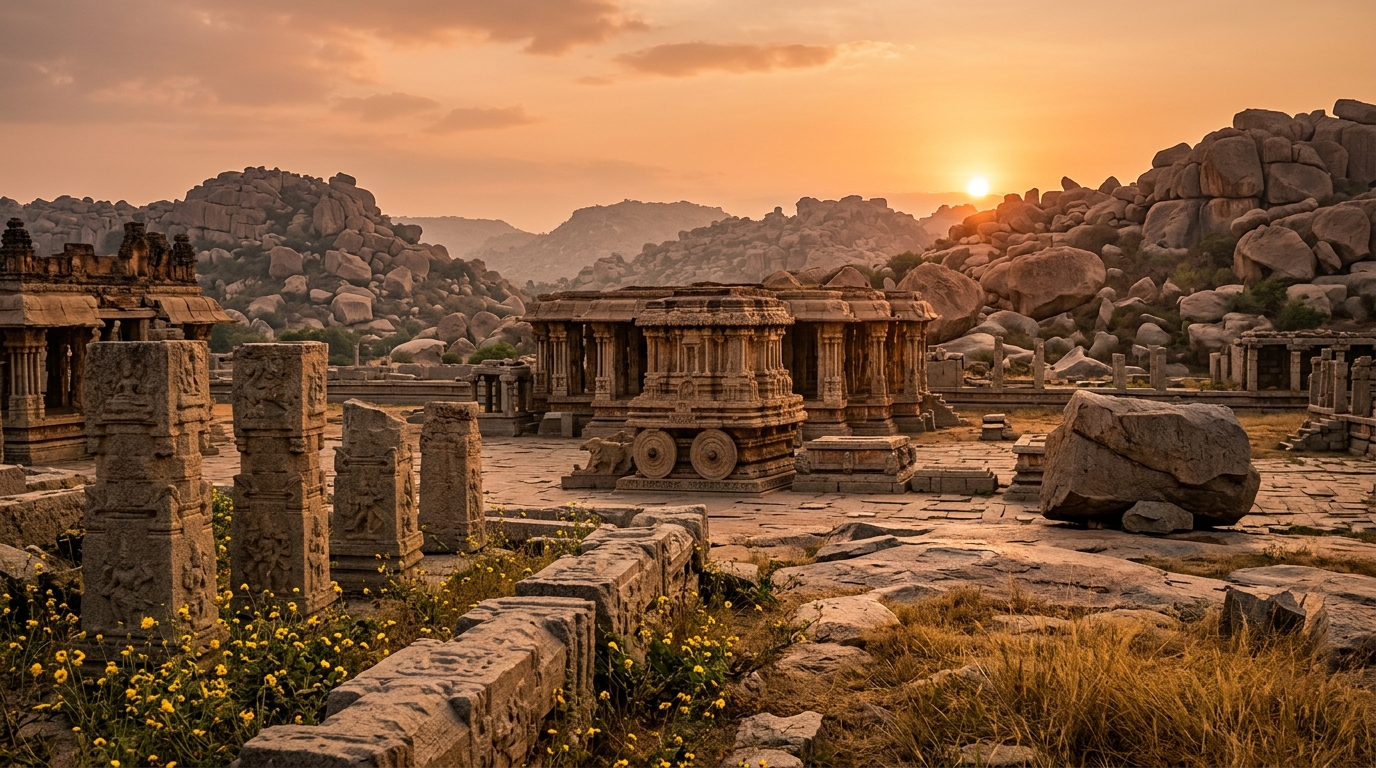
Eastward from the Western Ghats, the terrain transitions into the dry, elevated expanse of the Deccan Plateau. This tableland covers inland Karnataka, Telangana, and parts of Andhra Pradesh, characterized by ancient granite boulders and historical fortresses. The fragmented Eastern Ghats trace the eastern edge of this plateau before yielding to the coastal plains of the Bay of Bengal. The drier plateau climate historically favored grand architectural developments, visible in the stone ruins of Hampi and Hyderabad. These inland areas are valuable additions to a structured south india travel plan, especially for those interested in medieval history, though the vast distances require longer rail transits.
Determining the Best Time to Visit South India
Selecting the appropriate season is a critical step in drafting a south india travel plan. The southern peninsula experiences a tropical climate, but local geography introduces major variations. While coastal areas remain humid year-round, the inland plateaus and mountain stations offer distinct thermal conditions. Evaluating the three primary seasons (winter, monsoon, and summer) is essential for predicting travel costs and route accessibility. Choosing the best time to visit south india depends on whether the primary goal is coastal relaxation, high-altitude trekking, or cultural exploration of temple interiors. An optimized south india travel plan must align with these seasonal patterns to avoid disruptions, ensuring that rainfall does not delay transit along rural highways. Determining the best time to visit south india ensures that seasonal rainfall does not disrupt transit times along rural roads.
| Season | Months | Average Temperature | Travel Density | Best Suited For |
|---|---|---|---|---|
| Winter (Peak Season) | November to February | 22°C – 30°C | High (Peak rates apply) | Sightseeing, Temple Tours, Beaches & Cultural Festivals |
| Monsoon (Off-Peak) | June to September | 25°C – 32°C | Moderate (Wellness focus) | Ayurvedic Treatments, Lush Hill Stations & Waterfalls |
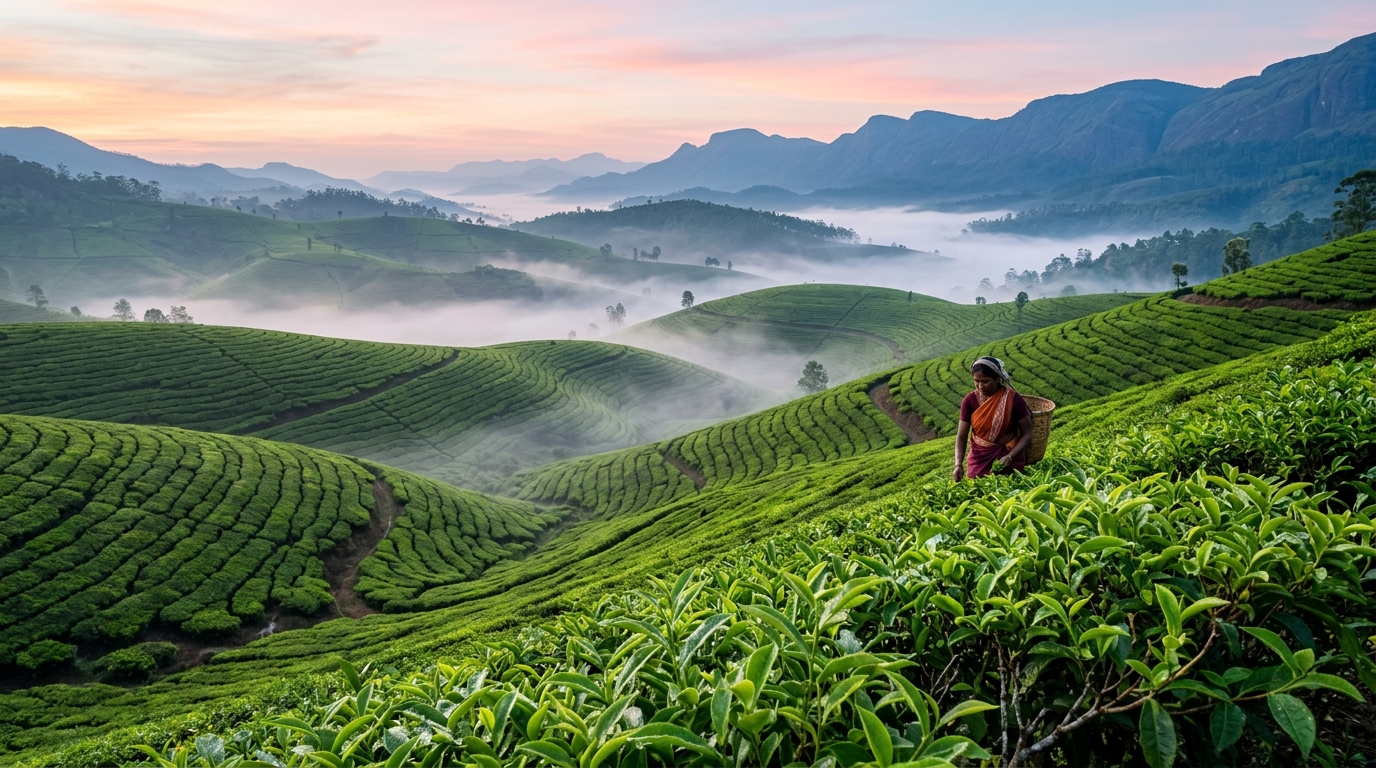
| Summer (Shoulder Season) | March to May | 30°C – 40°C+ | Low (Value deals available) | Wildlife Spotting & Cool Hill Station Escapes (Munnar, Coorg) |
The Winter Season (November to February)
The winter months represent the peak tourism period across the southern states. During this season, temperatures in the plains remain highly comfortable, ranging from 22 to 30 degrees Celsius. In high-altitude stations like Munnar and Coorg, nighttime temperatures can drop significantly, requiring warm attire. This dry season offers the ideal baseline for a south india travel plan, as the pleasant weather makes outdoor excursions and temple tours exceptionally comfortable. Because of these optimal conditions, booking flights and heritage hotels well in advance is highly recommended to secure preferred accommodations. This ensures a stress-free travel experience across the region.
The Monsoon Season (June to September)
The southwest monsoon arrives at the Kerala coast in early June, bringing heavy rainfall and a sharp drop in temperature. While some avoid this period due to wet conditions, others seek it out to witness the hillsides at their most vibrant. The Western Ghats turn exceptionally green, and Ayurvedic wellness centers run their primary seasonal programs. Travelers seeking quiet retreats can incorporate this period into a south india travel plan. However, coastal boat cruises are typically suspended, and precision in routing is essential as mountain roads are prone to rain-related delays. This adds a unique dimension for those who enjoy heavy monsoon rains.
The Summer Season (March to May)
From March onward, dry heat intensifies across the southern plains, with temperatures regularly exceeding 38 degrees Celsius in interior plateau areas. This period is less favorable for extensive walking tours of temple complexes during midday hours. However, high-altitude hill stations offer cool sanctuary and clear skies, attracting travelers seeking a break from the heat. Wildlife spotting also improves as animals congregate around central water sources. It is advisable to modify the south india travel plan accordingly, scheduling outdoor excursions for early morning while dedicating afternoons to rest. This prevents fatigue and heat exhaustion during peak temperature hours.
Defining Your South India Itinerary Routes
The success of a regional journey depends on selecting a coherent routing strategy. Attempting to cover too much geographical ground often results in transit exhaustion. A well-designed south india itinerary should focus on thematic consistency or geographical proximity, allowing for deeper exploration of local customs. Designing a balanced south india itinerary requires prioritizing specific travel corridors rather than attempting to visit every historical landmark. When drafting the final south india travel plan, choosing a proven regional route ensures a highly rewarding experience, as a single south india travel plan cannot cover every state in a single short trip.
The Heritage and Temple Trail of Tamil Nadu
For travelers seeking cultural immersion, exploring the heritage of Tamil Nadu provides unmatched historical value. This route highlights the architectural legacy of Dravidian dynasties, whose massive stone temple complexes remain active civic centers. Starting in Chennai, the route moves south along the coast to the rock-carved monuments of Mahabalipuram before heading inland to Thanjavur, home to the monumental Brihadisvara Temple. This specific route is highly recommended for a heritage-focused south india travel plan, as it traces the architectural evolution of the region. Travelers should allocate sufficient time to observe daily ritual cycles and local bronze-casting arts.
The Backwaters and Wellness Route of Kerala
To experience serene waterways, many visitors prioritize a dedicated journey to Kerala, known for its backwater houseboats. This route typically begins in the port town of Kochi, where Chinese fishing nets and historic colonial quarters reflect a rich maritime history. The itinerary then ascends into the Western Ghats to Munnar before descending to Alappuzha to board a traditional kettuvallam (a wooden houseboat). Cruising the canal networks offers an intimate look at rural riverside life before concluding at Kovalam for Ayurvedic wellness treatments. This sequence is essential to a leisure-driven south india travel plan, balancing slow transit with physical rejuvenation.
The Architectural Wonders of Karnataka
Karnataka presents a unique architectural trajectory, bridging Dravidian and northern design elements. A structured route in this state often starts in the modern metropolis of Bengaluru and Mysore, famed for grand palaces and heritage markets. The route then leads north to the spectacular ruins of Hampi, the ancient capital of the Vijayanagara Empire. Spread across a boulder-strewn terrain, Hampi contains vast temple complexes and royal enclosures. Further north, the rock-cut caves of Badami demonstrate extraordinary craftsmanship. Including these archaeological sites is integral to an architectural south india travel plan, offering a quiet contrast to busier coastal tracks.
Essential Logistics for Your South India Travel Plan
The smooth execution of any south india travel plan depends heavily on organizing logistics well in advance. Southern India covers a massive geographic area with diverse transport networks, varying regional languages, and highly seasonal accommodation demands. Ensuring comfortable transits, choosing reliable transport methods, and securing lodging are foundational to preventing travel fatigue. Detailed logistical preparation ensures that travel days are integrated smoothly into the broader cultural journey rather than becoming a source of stress.
Choosing the Right Modes of Transportation
Moving between cities in South India requires a strategic mix of rail, road, and air travel. While domestic aviation is highly efficient for massive distances, it bypasses the scenic countryside and historic rural towns that define the region. For regional travel, the extensive Indian Railways network offers a reliable and efficient option, particularly for overnight transits. This is a crucial element of any realistic south india travel plan. For shorter mountain distances, hiring a private car with a professional driver remains the most flexible option, allowing stops at scenic viewpoints at an independent pace. The table below outlines the comparative advantages of each option:
| Transportation Mode | Primary Advantages | Best Suited For | Booking Recommendations |
|---|---|---|---|
| Indian Railways (AC Classes) | Cost-effective, comfortable for long distances, overnight options available | Inter-city travel between major cultural hubs | Must be booked 60 to 120 days in advance via IRCTC portal |
| Private Chauffeured Vehicle | Maximum flexibility, door-to-door transit, English-speaking local drivers | Exploring hill stations, rural temple towns, and coastal routes | Arrange through a reputable regional travel agency prior to arrival |
| Domestic Aviation | Fastest travel time over long distances | Connecting distant states (e.g., Bengaluru to Thiruvananthapuram) | Book 30 to 60 days in advance for competitive tariffs |
| State Road Transport Buses | Highly economical, frequent departures | Short-distance budget transfers between adjacent towns | Purchase tickets at local terminals or verified online portals |
Accommodation Options Across Budgets
South India offers an exceptionally wide range of lodging options, from simple heritage homestays to luxurious palace hotels. In Tamil Nadu, staying in restored Chettinad mansions allows travelers to experience historic plasterwork and traditional hospitality. In Kerala, eco-resorts nestled within tea estates prioritize sustainable practices. For budget-conscious travelers, clean, government-run tourist hotels offer reliable amenities, including air conditioning and local breakfasts. When allocating a budget within a south india travel plan, balancing accommodation choices is wise, combining mid-range business hotels with occasional heritage properties.
Cultural Etiquette and Practical Travel Tips
Deepening a travel experience in South India involves more than visiting monuments; it requires a respectful understanding of local customs, religious traditions, and culinary practices. The southern states take immense pride in preserving their cultural heritage. Being aware of local behavioral expectations ensures smooth, positive interactions with residents and temple authorities. This level of cultural preparedness is often overlooked in a generic south india travel plan, yet it represents the difference between feeling like an intrusive tourist and being welcomed as an appreciative guest.
Temple Dress Codes and Local Customs
The historic temples of South India are active places of worship, maintaining strict protocols. To ensure a respectful execution of your south india travel plan, observe the following rules:
- Modest Attire: Both male and female visitors must cover shoulders and knees fully.
- Traditional Dress Requirements: In some highly traditional temples, men may be required to wear a traditional dhoti and remain bare-chested, while women must wear traditional sarees or salwar kameez.
- Footwear Removal: Shoes, sandals, and socks must always be removed before entering temple complexes. Secure, designated shoe-keeping stalls are available near the main entrances.
- Photography Restrictions: Always look for signs regarding camera usage, as taking photos inside the sanctum sanctorum (inner chamber) is universally prohibited.
Culinary Traditions and Dietary Practices
The culinary landscape of South India is highly diverse, characterized by the skilled use of local spices, coconut, rice, and lentils. Key aspects of the southern culinary tradition include:
- Light and Tangy Flavors: Southern cuisine is lighter than northern Indian food, frequently utilizing fresh curry leaves, mustard seeds, and tangy tamarind.
- State Specialties: Each region offers unique preparations, ranging from the iconic, crispy masala dosa of Karnataka to the aromatic, fiery Chettinad curries of Tamil Nadu.
- Banana Leaf Meals: Traditional dining involves meals served on a fresh banana leaf, representing an eco-friendly and deeply rooted cultural practice.
- Vegetarian-Friendly Dining: Vegetarianism is widely practiced, making it exceptionally easy to find dedicated, high-quality vegetarian restaurants throughout your journey.
Conclusion
Crafting a comprehensive south india travel plan requires a thoughtful balance of geographic awareness, seasonal timing, and cultural appreciation. By selecting dedicated regional routes rather than rushing across multiple states, travelers can absorb the distinct architectural marvels and deep-rooted traditions of this historic peninsula. From the stone carvings of Tamil Nadu’s ancient temples to the serene backwaters of Kerala, the southern states offer a rich travel experience that rewards patient, structured exploration. As of 2026, improved regional connectivity and a diverse range of heritage accommodations make exploring this region highly accessible. Engaging with the local history, respecting temple traditions, and savoring regional cuisines will transform a holiday into a memorable journey of discovery.