
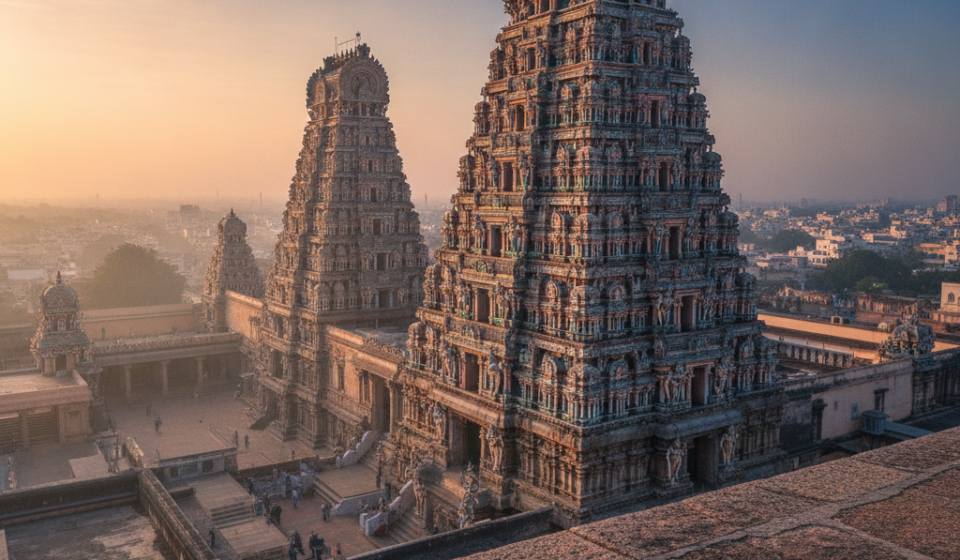

The southern peninsula of India presents a stark contrast to the frantic, monument-heavy northern tourist circuits. It is a region defined by ancient temple architecture, quiet coastal backwaters, and high-altitude tea plantations. For many international and domestic travelers, creating an efficient South India travel plan is the first step toward experiencing this distinctive cultural context. The vast distances and varied regional topographies mean that an unplanned journey often leads to excessive transit hours. A structured approach, combining historical exploration with natural terrains, ensures a balanced and enriching journey through the southern states. By organizing the travel route beforehand, visitors can appreciate the deep traditions and natural wonders without feeling rushed.
Key Takeaways
- Optimum Duration: A comprehensive multi-state South India travel plan requires at least 10 to 14 days to balance historic, cultural, and natural spots.
- Best Entry Points: Major international hubs like Bengaluru, Chennai, and Kochi offer the most efficient unidirectional transit routes.
- Ideal Season: The cooler winter months from October to March present the most comfortable weather for extensive sightseeing.
- Diverse Landscapes: This route seamlessly blends the historic palaces of Karnataka, the peaceful backwaters of Kerala, and the spectacular Dravidian temples of Tamil Nadu.
The Cultural and Geographic Diversity of Southern India
Southern India comprises five major states, each possessing unique linguistic, architectural, and culinary traditions. Karnataka features medieval stone temples and high-tech urban centers, while Kerala offers tropical coasts and traditional wellness practices. Tamil Nadu stands as the guardian of classical Dravidian culture, characterized by massive temple towers, or gopurams. Together, these regions present an incredible variety of experiences for travelers who formulate a thoughtful South India travel plan.
Historically, the southern peninsula remained relatively isolated from foreign invasions that reshaped northern India. Consequently, many cultural treasures survived in their purest states, including:
- Classical Arts: Deeply preserved traditions of Carnatic music and classical dance forms like Bharatanatyam.
- Dynamic Geography: Coastal plains that transition rapidly into the rugged peaks of the Western Ghats (a mountain range older than the Himalayas).
- Biodiversity & Agriculture: Lush forests hosting endemic wildlife species and fertile slopes producing some of the finest tea, coffee, and spices globally.
This environmental richness means a comprehensive South India travel plan must look beyond a single state to capture the true essence of the peninsula.
To successfully manage this vast region, travelers must categorize their interests. For instance, history enthusiasts will gravitate toward Hampi or Tanjore, whereas nature lovers will prefer the misty heights of Coorg or the serene lagoons of Alleppey. An ideal South India travel plan balances these diverse elements, ensuring that days of intense exploration are followed by periods of relaxation. This balance helps maintain energy levels throughout the journey.
Core Components of an Efficient South India travel plan
When designing a comprehensive South India travel plan, travelers must address several key structural decisions. The primary choice involves selecting between a single-state deep dive and a multi-state cross-country loop. A single-state itinerary allows for slow travel and reduced transit fatigue. Conversely, a multi-state South India travel plan offers a broader overview of the distinct regional cultures.
Another vital element of a successful South India travel plan is the selection of the primary entry and exit points. Major international airports are located in Bengaluru, Kochi, Chennai, and Hyderabad. A logical, unidirectional route prevents backtracking, which is a common error in amateur trip planning. For example, starting in Bengaluru and concluding in Kochi is much more efficient than booking a round trip from a single city. To help travelers construct an efficient South India travel plan, experts recommend mapping out transit durations beforehand.
To ensure a balanced itinerary, your South India travel plan should reflect a mix of activities. It is basically a combination of urban discovery, historical sightseeing, natural retreats, and culinary exploration. The following table highlights the essential elements of an effective South India travel plan:
| State | Key Destinations | Primary Attractions | Optimal Number of Days |
|---|---|---|---|
| Karnataka | Bengaluru, Mysuru, Coorg | Palaces, coffee estates, gardens | 4 Days |
| Kerala | Kochi, Alleppey, Munnar | Backwaters, houseboats, tea gardens | 5 Days |
| Tamil Nadu | Madurai, Pondicherry, Chennai | Dravidian temples, French colonial quarters | 5 Days |
This structured breakdown helps travelers allocate their time according to their personal preferences, making your South India travel plan highly functional and easy to execute. Critics may argue that trying to cover multiple states in one trip dilutes the experience. They are not entirely wrong. But still, a well-coordinated itinerary ensures that every transit day is also an opportunity for discovery.
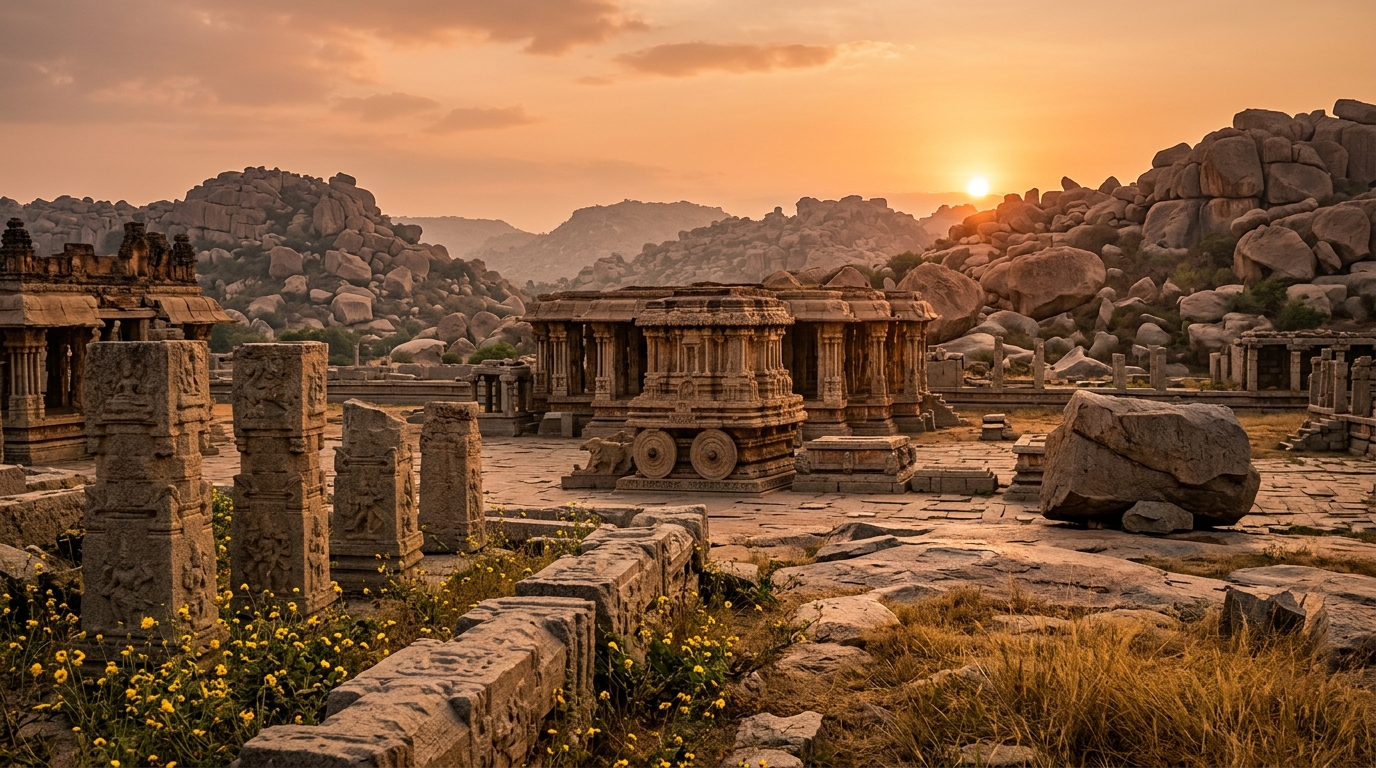
The Ultimate 14-Day South India Travel Plan Itinerary
This two-week South India travel plan is designed for individuals seeking a comprehensive, multi-state experience. It covers Karnataka, Kerala, and Tamil Nadu, offering a harmonious blend of royal history, wildlife, hill stations, backwaters, and cultural heritage. The route is highly optimized to minimize travel fatigue while maximizing the depth of exploration.
Days 1 to 3: The Royal Heritage of Karnataka
The foundational leg of this South India travel plan begins in Bengaluru, the modern capital of Karnataka. Known historically as the Garden City, Bengaluru serves as an ideal entry point due to its excellent flight connectivity. After checking in, travelers can spend the first day exploring the local green spaces like Lalbagh Botanical Garden and the historic Bangalore Palace, built in the Tudor style.
On the second day, the journey shifts south to Mysore (now officially Mysuru), located approximately 145 kilometers away. This drive takes roughly three hours, depending on regional traffic conditions. Mysuru is famous for its royal heritage and grand architecture. The central attraction is the magnificent Mysore Palace, which is illuminated by over 97,000 light bulbs on Sunday evenings and holidays. Visitors should also climb Chamundi Hill to view the ancient Chamundeshwari Temple and the massive monolithic Nandi bull statue.
On the third day, a short detour to Seringapatam (the historical capital of Tipu Sultan) is recommended before departing the region. Adding these stops to your South India travel plan ensures a strong appreciation for the princely states that shaped modern Karnataka before moving toward the mountains.
Days 4 to 7: Exploring Coorg, Wayanad, and the Western Ghats
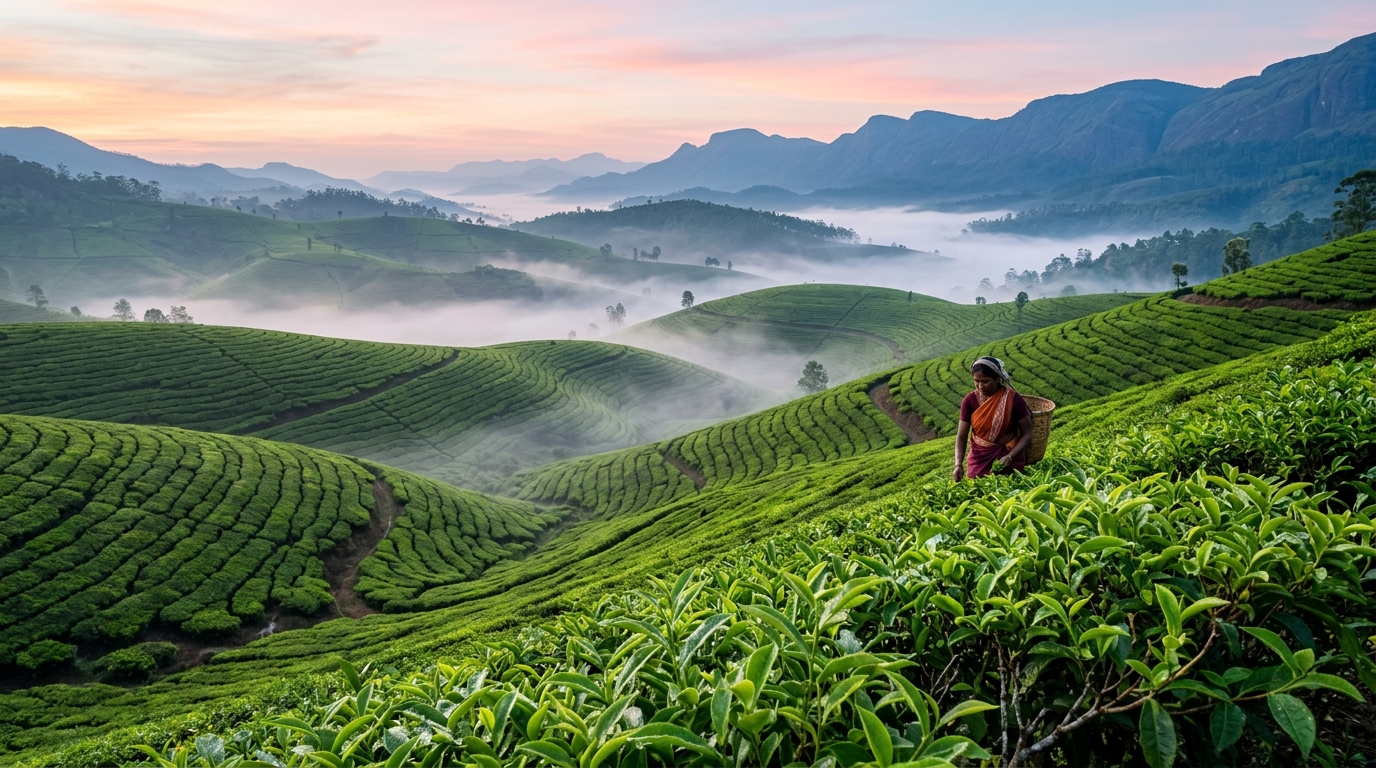
Integrating these highlands into your South India travel plan provides a refreshing escape from the warmer plains. From Mysuru, a three-hour drive brings travelers to Coorg (Kodagu), a region famous for its sprawling coffee plantations, mist-covered valleys, and unique local culture. This area offers excellent opportunities for trekking, plantation walks, and birdwatching.
To experience the lush coffee estates firsthand, explore the curated Coorg travel packages available on TravelDham. Visitors can spend two nights in a traditional plantation homestay, learning about the coffee-harvesting process (which typically occurs between November and January) and tasting local Kodava cuisine, such as the famous spicy pork dish, Pandi Curry.
On the sixth day, the South India travel plan crosses the state border into Wayanad, Kerala. This drive through the Western Ghats offers breathtaking views of bamboo forests and tea gardens. Key attractions in Wayanad include the Edakkal Caves, which feature Neolithic petroglyphs dating back thousands of years. As documented by regional archaeological filings in 2023, these carvings date to roughly 6000 BCE, indicating some of the earliest human settlements in the region. Additionally, the Banasura Sagar Dam, the largest earth dam in India, remains a highly popular spot for speedboating. A nature-centric South India travel plan must allocate sufficient time here to appreciate the deep biodiversity of the Nilgiri Biosphere Reserve.
Days 8 to 11: The Backwaters and Coastal Charm of Kerala
Descending from the hills of Wayanad, this segment of the South India travel plan explores the legendary coast of Kerala. The first stop is Kochi (Cochin), a historic port city shaped by centuries of international trade. Kochi features a unique blend of Portuguese, Dutch, British, and Chinese influences. Visitors should explore Fort Kochi, admire the iconic Chinese Fishing Nets, and tour the historic Jewish Synagogue in Jew Town, which was constructed in 1568.
From Kochi, travelers proceed south to Alleppey (Alappuzha), the hub of Kerala’s backwater network. No South India travel plan can be complete without spending a night on a traditional houseboat (Kettuvallam). These boats, constructed from jackwood and coir without a single nail, float gently along palm-fringed canals, offering a serene look at rural life. To explore tailored vacation packages, check out the customizable Kerala tour packages from TravelDham.
After disembarking the houseboat, spend a quiet day on the sands of Marari Beach. Marari is a peaceful alternative to the busier beaches of Kovalam, providing a perfect setting for relaxation and traditional Ayurvedic massage treatments.
Days 12 to 14: Dravidian Splendor and Colonial Aesthetics in Tamil Nadu
The final phase of the South India travel plan connects the Arabian Sea coast with the cultural heartland of Tamil Nadu. From Kerala, travelers head east toward Madurai, one of the oldest continuously inhabited cities in the world. The absolute center of Madurai is the Meenakshi Amman Temple, a breathtaking complex with 14 monumental gopurams covered in thousands of colorful stone figures. The evening ceremony, where the deity is carried in procession, is an unforgettable cultural event. As reported by the state tourism board in its 2024 regional database, the temple attracts roughly 15,000 visitors daily, making early morning visits highly advisable for those seeking a quieter experience.
On day 13, the route leads to Pondicherry (Puducherry), a coastal territory that remained a French colony until 1954. The French Quarter features elegant colonial mansions, bright yellow walls, and quiet cobblestone streets, contrasting sharply with the busy Indian towns nearby. Visitors can explore the spiritual community of Auroville and walk along the Promenade Beach at sunset.
On the final day, travelers drive north to Chennai, the capital of Tamil Nadu, to catch their departure flights. This coastal drive along the East Coast Road is scenic and passes through Mahabalipuram, famous for its 7th-century rock-cut monuments and the Shore Temple, completing a spectacular two-week loop.
Alternative Itineraries for Shorter Expeditions
Not all travelers have a full two weeks to spare. Fortunately, a focused South India travel plan can easily be adapted for shorter durations. By choosing a specific regional circuit, travelers can still experience a deep, meaningful vacation without spending excessive time on the road.
The 7-Day Tamil Nadu Heritage Tour
This itinerary is designed for history and architecture enthusiasts. It concentrates entirely on the UNESCO World Heritage sites and ancient living temples of Tamil Nadu.
- Days 1 to 2: Arrive in Chennai, explore Kapaleeshwarar Temple, and drive to Mahabalipuram to view the monolithic Rathas and the Shore Temple.
- Days 3 to 4: Drive to Thanjavur (Tanjore) via Chidambaram. Visit the Brihadisvara Temple, an architectural masterpiece built by the Chola dynasty in 1010 CE.
- Days 5 to 6: Explore the heritage mansions of Chettinad, famous for their Belgian glass, teak wood, and spicy local cuisine, before heading to Madurai.
- Day 7: Visit the Meenakshi Temple in Madurai and depart via Madurai Airport.
The 7-Day Kerala Backwaters and Hills Circuit
A regional South India travel plan concentrating on Kerala is ideal for couples, families, and wellness seekers who prioritize natural beauty and relaxation.
- Days 1 to 2: Arrive in Kochi, explore the historic Fort Kochi area, and drive to Munnar, a scenic hill station surrounded by lush tea estates.
- Days 3 to 4: Enjoy Munnar’s cool climate, visit the Tea Museum, and then travel to Thekkady to explore the Periyar Wildlife Sanctuary on a scenic boat safari.
- Days 5 to 6: Travel to Alleppey to board a traditional luxury houseboat for an overnight cruise through the scenic backwater canals.
- Day 7: Transfer to Kochi International Airport for departure.
Modifying your South India travel plan according to these regional routes ensures that short-duration travelers still gain a deep, authentic experience of the local culture and terrains.
Practical Logistics for Your South India Travel Plan
Executing a flawless South India travel plan requires careful attention to logistical details. Given the regional variations in weather, infrastructure, and local customs, advanced preparation is highly recommended.
The Best Time to Visit South India
Timing your South India travel plan around these months is crucial for avoiding extreme heat and heavy rainfall. The winter season, extending from October to March, is widely considered the peak travel period. During this time, temperatures remain comfortable, ranging from 18 to 30 degrees Celsius, making it ideal for coastal exploration and urban sightseeing.
| Season | Months | Average Temperature Range | Travel Suitability |
|---|---|---|---|
| Winter | October to March | 18 to 30 degrees Celsius | Highly recommended for all regions |
| Summer | April to June | 28 to 42 degrees Celsius | Suitable primarily for hill stations |
| Monsoon | July to September | 22 to 32 degrees Celsius | Ideal for Ayurvedic treatments and waterfalls |
The summer months (April to June) can be intensely hot, particularly in the inland areas of Tamil Nadu and Andhra Pradesh, where temperatures frequently exceed 40 degrees Celsius. However, this is an excellent time to visit high-altitude hill stations like Ooty, Munnar, or Kodaikanal. The monsoon season (July to September) brings heavy rainfall, which revitalizes the natural terrains and waterfalls, making it a beautiful time for nature photography and traditional Ayurvedic rejuvenation therapies.
Transportation Modes and Route Planning
The transport network is the logistical backbone of any South India travel plan. For long distances, the Indian Railways network is highly efficient and offers a scenic travel experience. Booking air-conditioned sleeper classes (1AC or 2AC) well in advance is strongly recommended.
For regional travel, hiring a private car with a professional driver is often the most comfortable and flexible option, particularly when navigating the winding mountain roads of the Western Ghats. Additionally, domestic airlines connect all major southern cities, providing rapid transit options for travelers with limited time.
To help you choose the best transit method for your South India travel plan, here is a comparison of the primary transportation options:
| Transport Mode | Best Used For | Pros | Cons |
|---|---|---|---|
| Indian Railways (1AC / 2AC) | Long-distance overnight transits (e.g., Chennai to Madurai) | Cost-effective, scenic, and authentic local experience | Requires booking weeks in advance; subject to fixed schedules |
| Private Car with Driver | Mountain routes & short multi-destination legs (e.g., Coorg to Wayanad) | Maximum flexibility, door-to-door comfort, customizable stops | More expensive; slower than flights for very long distances |
| Domestic Flights | Interstate transit between major hubs (e.g., Bengaluru to Kochi) | Saves substantial transit hours | Misses scenic countryside; requires airport security check times |
Cultural Etiquette and Temple Norms
To ensure a respectful travel experience, travelers should incorporate these guidelines into their South India travel plan. Southern India is culturally conservative, especially regarding religious spaces.
- Dress Code: When visiting temples, both men and women must dress modestly. Shoulders and knees must be covered. Many traditional temples in Tamil Nadu and Kerala require men to wear a traditional sarong (dhoti or mundu) and remove their shirts before entering the inner sanctum.
- Footwear: Footwear must always be removed before entering any temple complex or home. Most major temples have designated, secure shoe-keeping stands near the entrance.
- Photography: While photography is generally permitted in temple courtyards, taking photos inside the main temple sanctum (where the deity is housed) is strictly prohibited. Always look for signage or ask a local guide before taking photographs.
For individuals preparing their packing checklist, these additional items are highly recommended for the journey:
- Light, breathable cotton clothing suitable for warm coastal climates.
- Slip-on footwear to facilitate frequent removal at historical and religious sites.
- Sun protection, including a wide-brimmed hat, sunglasses, and high-SPF sunscreen.
A Culinary Overview of Southern India
An immersive South India travel plan celebrates the diverse, flavorful cuisines of the southern states. Unlike the heavy, cream-based gravies of northern India, southern dishes rely heavily on rice, lentils, coconut, and tamarind.
Each state offers unique specialties that should be experienced during your South India travel plan:
- Tamil Nadu: A traditional breakfast consisting of light, fermented rice cakes (idli) and crispy crepes (dosa) served with coconut chutney and flavorful lentil soup (sambar).
- Kerala: Famous for its use of coconut oil and fresh seafood, featuring signature dishes like Karimeen Pollichathu (pearl spot fish baked in banana leaves) and flaky Malabar parotta.
- Karnataka: Known for Bisi Bele Bath (a spicy, comforting lentil rice dish) and Mysore Pak, a rich, melt-in-the-mouth sweet made of chickpea flour and clarified butter (ghee).
Integrating this culinary map into your itinerary adds an extra layer of sensory enjoyment to the journey.
Conclusion
Finalizing a customized South India travel plan with TravelDham allows you to experience the rich heritage and natural beauty of this remarkable region. Whether you seek the ancient stone temples of Tamil Nadu, the misty hills of Coorg, or the serene backwaters of Kerala, a well-structured journey guarantees an unforgettable experience. Plan your route carefully, respect local traditions, and prepare to immerse yourself in one of the most culturally vibrant and naturally beautiful regions of the world.