
Planning a journey across the southern peninsula of India requires more than just booking flights and hotels. The sheer geographical diversity, stretching from the serene backwaters of Malabar to the towering Dravidian gopurams of Coromandel, demands a deliberate and systematic strategy. A structured south india travel plan is not merely helpful. It is basically the difference between a relaxing vacation and an exhausting transit marathon. Historically, travelers attempted to cover the entire region in a single, rushed vacation. Today, experienced explorers and travel strategists realize that a regional, highly focused approach yields far deeper insights into this culturally distinct half of the Indian subcontinent.
Key Takeaways for Your Journey
- Strategic Regional Focus: Avoid trying to cover the entire southern peninsula in a single short trip. Instead, focus on specific geographic clusters (Western, Eastern, or Northern) to minimize transit fatigue.
- Optimal Duration: Allocate a minimum of 7 to 10 days for a single-state itinerary, and 12 to 14 days for a multi-state cross-border travel experience.
- Peak Travel Window: Plan your journey during the comfortable winter months (October to March) for the best balance of weather, though hill stations remain excellent in summer.
- Vibrant Heritage & Nature: Combine serene backwaters, mist-covered coffee or tea plantations, and ancient Dravidian architectural marvels for a well-rounded itinerary.
- Flexible Transport: While railways are great for inter-city travel, hiring a private air-conditioned vehicle with a driver is the most seamless way to explore regional sights.
Why Choose South India for Your Next Getaway?
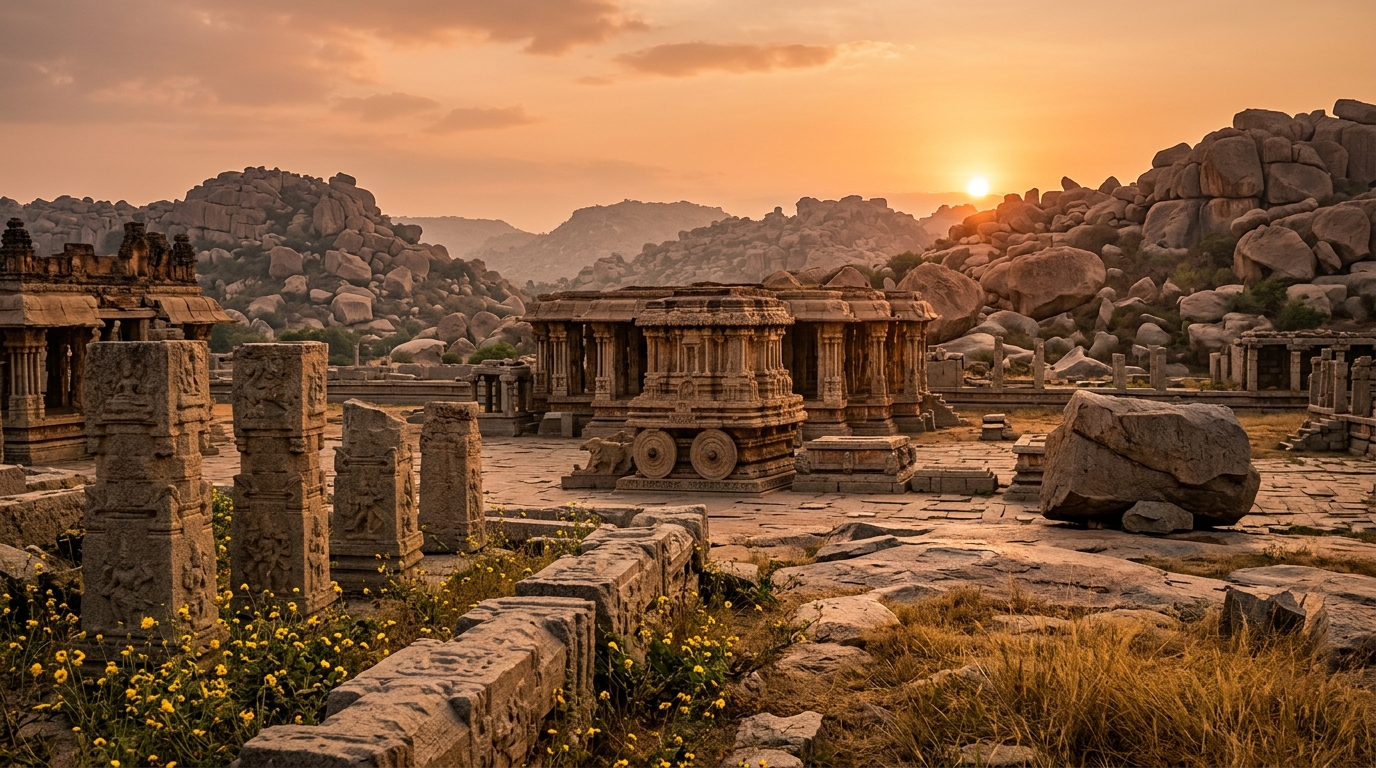
South India presents a distinct alternative to the northern states. Its history remained relatively insulated from the massive territorial invasions that shaped much of the north. This insulation allowed ancient traditions, temple architecture and languages to develop in unbroken continuity. From the structural temples of Mahabalipuram to the living Chola temples of Thanjavur, the region offers a tangible link to classical antiquity.
But still, the appeal of the south is not confined to its stone monuments. The natural landscape is equally compelling, boasting rich ecological features:
- The Western Ghats: A UNESCO World Heritage site and global biodiversity hotspot running parallel to the western coast, supporting lush tea estates, spice plantations, and dense evergreen forests.
- Water Catchment Systems: Highland networks that feed major river systems, which eventually wind down to expansive coastal plains and quiet backwaters.
- Climatic Transitions: A unique geography that allows travelers to transition from cool hill stations to tropical coastlines within just a few hours of driving.
- Protected Sanctuaries: Well-preserved national parks that offer a thriving wildlife viewing experience rivaling any major conservation zone in Asia.
Furthermore, the region prides itself on an exceptionally high quality of life and safety. Statistics from the Ministry of Tourism indicate that southern states consistently rank high in traveler satisfaction and safety indices. The infrastructure is robust, with an extensive network of national highways, high-speed rail lines, and multiple international airports. This accessibility makes it an attractive destination for both FIT travelers (Free Independent Travelers who prefer self-curated paths) and families seeking a structured yet enriching holiday.
The preservation of unique cultural art forms also distinguishes the south. Classical dance styles like Bharatanatyam and Kathakali are not merely historical relics; they remain active components of contemporary local life. Unlike highly commercialized global destinations, South India offers an organic blend of luxury hospitality and authentic, everyday heritage.
Essential Components of a South India Travel Plan
Developing a comprehensive south india travel plan requires careful consideration of three primary logistical variables: destination selection, itinerary duration, and seasonal weather patterns. Neglecting any of these elements can lead to an overwhelming schedule or unfavorable weather.
Choosing the Right Destinations
With five distinct states and two union territories, the geographical scope of South India is vast. A successful south india travel plan must balance geographical proximity with thematic diversity. Travelers often make the mistake of attempting to combine coastal Kerala with deep Tamil Nadu temple towns in a brief six-day trip. This approach results in excessive transit times. It is far more practical to select one or two adjacent regions that offer complementary experiences. For instance, pairing the heritage sites of Mysore with the high-altitude plantations of Coorg creates a balanced, logistically sensible itinerary.
Dividing the peninsula into logical geographical clusters is the most efficient way to plan:
- The Western Cluster (Kerala & Western Karnataka): This region is highly ideal for travelers seeking nature, wellness, Ayurveda, and serene beach experiences.
- The Eastern Cluster (Tamil Nadu & Pondicherry): This corridor focuses heavily on spiritual architecture, towering temples, colonial history, and classical arts.
- The Northern Cluster (Deccan Plateau & Andhra Pradesh): This route highlights massive ruins, royal empires, and UNESCO-listed historical monuments.
Selecting a single cluster per trip ensures a deeper connection with the local environment without spending half the vacation on the highway.
| Geographical Cluster | Primary Experiences Offered | Key Destinations Included | Recommended Duration | Best Gateway Airports |
|---|---|---|---|---|
| Western Cluster | Nature, Ayurveda, Houseboats, Beaches | Kochi, Munnar, Alappuzha, Coorg, Gokarna | 7 – 10 Days | Kochi (COK), Bangalore (BLR) |
| Eastern Cluster | Spiritual Architecture, History, Art | Chennai, Mahabalipuram, Pondicherry, Madurai | 8 – 12 Days | Chennai (MAA), Madurai (IXM) |
| Northern Cluster | Ancient Ruins, Palaces, Royal Heritage | Hampi, Mysore, Badami, Bangalore | 6 – 9 Days | Bangalore (BLR), Hyderabad (HYD) |
Determining Your Travel Duration
The duration of the trip dictates how deep one can venture into the local culture. For an effective south india travel plan, a minimum of seven to ten days is recommended for a single-state itinerary. This timeframe allows for a leisurely pace, accommodating unexpected local delays and leaving time for genuine exploration. If the goal is to experience multiple states (such as a cross-border journey from Bangalore to Cochin via Ooty), a duration of twelve to fourteen days is far more appropriate. Shorter trips of three to five days are best restricted to highly focused micro-itineraries, such as a weekend escape to Pondicherry or a brief cruise in the backwaters of Alappuzha.
When calculating duration, transit days must be factored in separately. Due to the winding roads of the Western Ghats, a map distance of 150 kilometers can easily translate into a five-hour drive. Thus, allocating at least two nights per destination is highly recommended to avoid the exhaustiveness of consecutive travel days.
Deciding on the Best Time to Visit
The climate of South India is predominantly tropical, but regional variations are significant due to the influence of the monsoon and the elevation of the Western Ghats. Aligning your south india travel plan with seasonal variations is crucial for comfort and safety:
- Winter Season (October to March): This represents the peak travel window. During these months, temperatures in the plains range from a comfortable 22°C to 30°C, and the hill stations experience cool, crisp nights.
- Summer Season (April to June): Brings intense heat to the coastal plains, though this is the ideal time to visit high-altitude sanctuaries like Munnar or Ooty.
- Monsoon Season (June to September): Brings heavy rainfall to the west coast, transforming the landscape into a vibrant green panorama, though it can disrupt local transportation networks.
Top Destinations to Include in Your Itinerary
Designing a south india travel plan requires an understanding of the unique selling points of each state. Each sub-region offers a distinct cultural, linguistic, and culinary identity that sets it apart from its neighbors.
Kerala: God’s Own Country
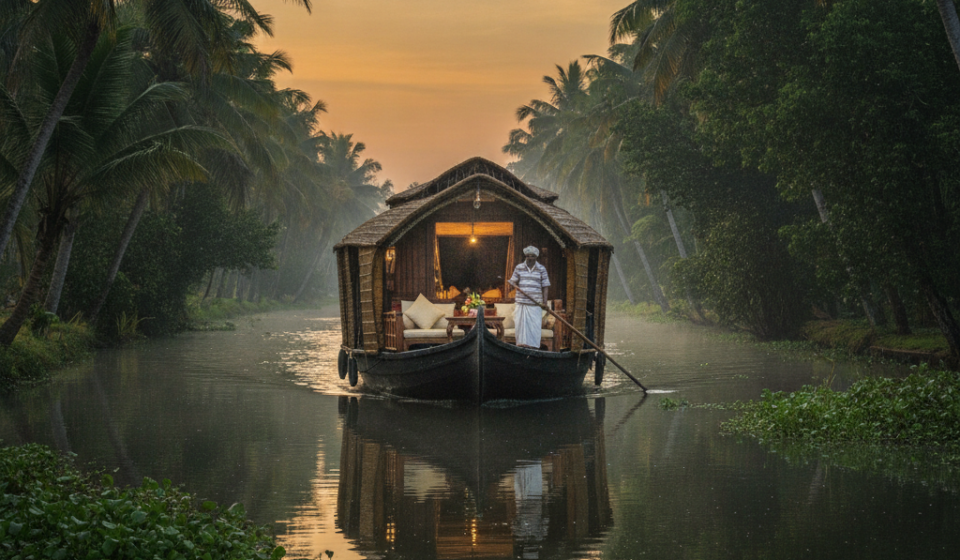
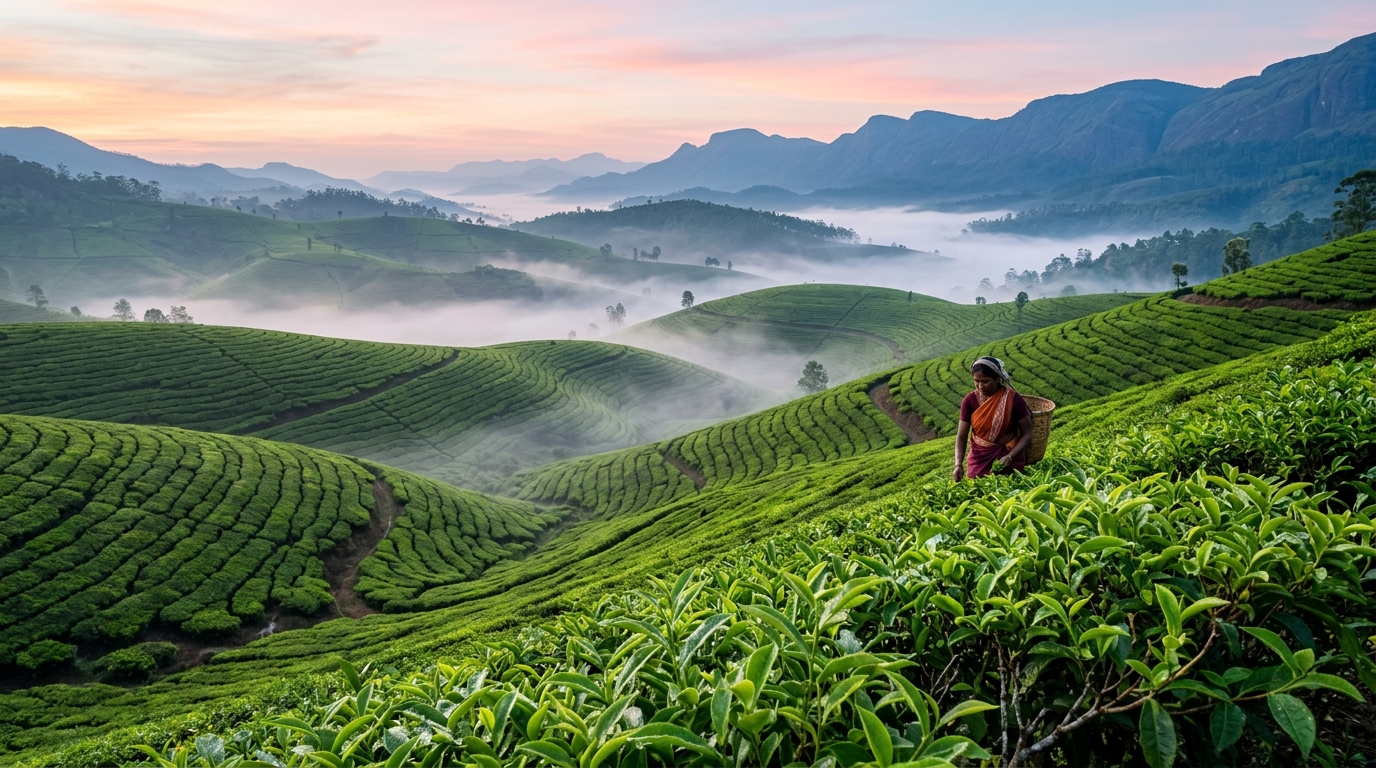
Kerala is arguably the most famous destination in the southern region. It is characterized by its palm-fringed coastlines, misty hill stations, and an intricate network of brackish canals known as the backwaters. This segment of a south india travel plan focuses heavily on relaxation, wellness, and natural beauty. Exploring the region is highly streamlined when booking curated Kerala tour packages, which seamlessly integrate accommodation with traditional houseboat stays. The town of Alappuzha (often referred to as Alleppey) serves as the primary gateway to the backwaters, where slow-moving houseboats offer an immersive look at rural riverside life. Further inland, Munnar sits at an elevation of roughly 1,600 meters, presenting expansive tea plantations and a cool mountain climate. For those seeking coastal relaxation, the dramatic cliffs and pristine sands of Kovalam provide a spectacular seaside experience, easily accessed through dedicated Kovalam tour packages. Additionally, the historic city of Kochi features the historic Fort Kochi district, where Dutch and Portuguese architectural influences reflect centuries of spice trading.
Tamil Nadu: Land of Temples and Culture
Tamil Nadu represents the historical and spiritual core of the peninsula. An ideal south india travel plan often includes this state to experience its monumental Dravidian architecture, classical music traditions, and rich culinary heritage. The state is home to thousands of historic temples, many of which feature towering gopurams (gateway towers) adorned with thousands of colorful stucco figures. Key locations include Madurai, centered around the ancient Meenakshi Amman Temple complex, and Thanjavur, where the Brihadisvara Temple stands as a masterpiece of Chola-era architecture. The coastal town of Mahabalipuram, situated near Chennai, features UNESCO-listed rock-cut monuments dating back to the Pallava dynasty. Utilizing specialized Tamil Nadu tour packages allows travelers to navigate these complex historical sites with the assistance of certified guides, ensuring a deeper appreciation of the region’s artistic legacy. Travelers also explore the unique Chettinad region, famous for its massive heritage mansions and exceptionally spicy, aromatic cuisine.
Karnataka: Heritage, Coffee Hills, and Coastal Towns
Karnataka offers a diverse landscape that spans tech-heavy urban centers, historic ruins, and lush mountain districts. Integrating these spots into a south india travel plan provides an excellent balance of history and nature. The state capital, Bangalore (now officially Bengaluru), serves as a major transit hub, showcasing a blend of colonial-era parks and a modern, high-energy dining scene. To the south lies Mysore (officially Mysuru), famous for its grand Mysore Palace and rich royal heritage, easily organized via professional Bangalore Mysore tour packages. For coffee lovers and outdoor enthusiasts, the district of Coorg (officially Kodagu) offers rolling hills covered in coffee plantations and spice gardens. Exploring this mist-covered highland is best done via tailored Coorg travel packages. On the coast, the beach town of Gokarna offers a quiet, relaxed alternative to the busier beaches of Goa, making Gokarna packages highly appealing to leisure travelers.
Pondicherry: French Charm on the East Coast
Pondicherry (now Puducherry) is a unique union territory surrounded by the state of Tamil Nadu. Enriching your south india travel plan with a stop in Pondicherry introduces a distinct Franco-Tamil cultural fusion. The French Quarter features elegant colonial villas, bougainvillea-lined streets, and chic cafes, while the adjacent Tamil Quarter showcases traditional courtyard houses and lively local markets. The territory is also famous for Auroville, an experimental township focused on human unity and sustainable living. Visitors can explore the magnificent Matrimandir, a golden metallic sphere that serves as a silent meditation center. Booking dedicated Pondicherry packages ensures a well-planned itinerary that covers both the cultural heritage of the town and the tranquil atmosphere of Auroville.
Recommended South India Itinerary Route Options
To maximize efficiency and minimize transit times, travelers should follow established geographical routes. These curated routes help streamline any south india travel plan by aligning accommodation, transport, and sightseeing in a logical sequence.
Option 1: The Classic Cultural and Coastal Loop (10 Days)
This route is a popular option for an introductory south india travel plan. It focuses primarily on the highlights of Kerala and Tamil Nadu, offering a blend of heritage, nature and also relaxation.
- Day 1-2: Kochi – Explore Fort Kochi, the Jewish Synagogue, and Chinese fishing nets.
- Day 3-4: Munnar – Visit the tea gardens and Eravikulam National Park.
- Day 5-6: Thekkady – Experience a spice plantation tour and Periyar Lake.
- Day 7-8: Alappuzha – Overnight houseboat cruise in the backwaters.
- Day 9-10: Madurai – Visit the Meenakshi Temple before departure.
Option 2: The Western Ghats and Hill Station Tour (7 Days)
Designed for nature enthusiasts and coffee lovers, this route serves as an alternative south india travel plan. It winds through the scenic highlands of Karnataka and Kerala.
- Day 1-2: Bangalore and Mysore – Tour the Mysore Palace and Chamundi Hills.
- Day 3-4: Coorg – Visit coffee estates and the Golden Temple.
- Day 5-6: Wayanad – Explore Edakkal Caves and Banasura Sagar Dam.
- Day 7: Departure – Return to Bangalore for departure.
Option 3: The Ultimate Grand South India Exploration (14 Days)
For travelers seeking an all-inclusive south india travel plan, this comprehensive itinerary covers the major cultural, heritage, and coastal highlights across three states.
- Day 1-2: Chennai and Mahabalipuram – View the historic shore temples.
- Day 3-4: Pondicherry – Explore the French Quarter and Auroville.
- Day 5-6: Thanjavur and Trichy – Visit the ancient Brihadisvara Temple.
- Day 7-8: Madurai – Explore the historic Meenakshi Temple.
- Day 9-10: Munnar – Tour the high-altitude tea plantations.
- Day 11-12: Alappuzha – Overnight backwater houseboat cruise.
- Day 13-14: Kochi – Conclude with shopping and airport transfer.
Budgeting and Cost Estimates for Your Journey
Estimating expenses is a critical step in any south india travel plan. The region caters to a wide spectrum of travelers, from budget backpackers to luxury seekers. Understanding the average daily costs helps in allocating resources efficiently.
The table below provides a detailed breakdown of estimated daily expenses based on three distinct travel styles:
| Travel Category | Budget Style (INR) | Mid-Range Style (INR) | Luxury Style (INR) |
|---|---|---|---|
| Accommodation (Per Night) | 1,200 – 2,500 | 4,000 – 8,000 | 12,000 – 25,000+ |
| Meals & Dining (Per Day) | 500 – 1,000 | 1,500 – 3,000 | 4,500 – 8,000 |
| Local Transport (Per Day) | 300 – 800 (Public transit) | 2,500 – 4,000 (Private cab) | 5,000 – 9,000 (Luxury SUV) |
| Activities & Entry Fees | 200 – 500 | 800 – 1,500 | 2,000 – 5,000 |
This data-driven south india travel plan budget helps travelers select the ideal level of comfort. Generally speaking, mid-range travel offers the best value, combining comfortable air-conditioned private vehicles with highly rated boutique heritage properties.
Practical Travel Tips for South India
The successful execution of a south india travel plan depends heavily on practical preparation. While the region is highly hospitable, understanding local norms and operational structures ensures a seamless journey.
Packing Essentials
Adjusting your south india travel plan packing list is essential to handle the varied climates of the region. Light, breathable cotton clothing is highly recommended for the hot and humid coastal plains. But still, if the itinerary includes high-altitude hill stations like Munnar or Coorg, a light jacket or sweater is necessary for the cool evenings. Additionally, modest attire is required when visiting active religious temples. Both men and women should ensure their shoulders and knees are covered to respect local customs.
Local Transport and Logistics
Managing transit in a south india travel plan is relatively straightforward due to the extensive transport infrastructure. For inter-city travel, the Indian Railways network offers a highly efficient and comfortable experience, particularly in the air-conditioned chair car (CC) and sleeper (2AC/3AC) classes. For regional travel and sightseeing, hiring a private air-conditioned vehicle with a professional driver remains the most reliable and flexible option. It eliminates the stress of navigating local traffic while allowing for spontaneous stops along the way.
Cuisine and Culinary Highlights
Culinary experiences are a vital part of a south india travel plan. The food of the south is distinct from the wheat-based dishes of the north, relying heavily on rice, lentils, coconut, and aromatic spices. From the crispy dosas and soft idlis of Karnataka to the rich, coconut-infused seafood curries of Kerala, the gastronomic diversity is immense. Trying a traditional meal served on a banana leaf (a local dining custom) is highly recommended for an authentic taste of southern hospitality.
Conclusion
Building a robust south india travel plan is the key to unlocking the immense geographical and cultural treasures of the peninsula. Whether gliding through the quiet canals of Kerala, studying the intricate carvings of ancient Tamil temples, or walking through the aromatic coffee hills of Karnataka, the region promises a deeply rewarding journey. By carefully structuring the itinerary, matching travel dates with the ideal season, and choosing the right mix of heritage and nature, your finalized south india travel plan will ensure an unforgettable and seamless travel experience across this magnificent part of India. Working with expert travel advisors can further refine these details, ensuring every logistical requirement is perfectly met.