
The architectural wonders of Dravidian temples and the tranquil expanses of coastal networks have historically defined travel through the southern states of India. For decades, global interest focused largely on the golden triangle of the north, yet a dramatic shift in travel preferences has brought the southern peninsula into sharp focus. Indeed, embarking on a comprehensive southern india tour requires careful planning due to the vast differences in geography and local culture across the states. Developing an effective South India travel plan requires a delicate balance between historical routes and natural terrains. Unlike the compact circuits of northern plains, the southern states span diverse geographical zones that demand systematic routing. Hurrying through these regions results in missing the subtle cultural variations that define each state, from the culinary shifts of Tamil Nadu to the linguistic pride of Karnataka. A successful journey here depends on deep preparation, realistic transit expectations, and an appreciation for a slower, more deliberate style of travel. This guide provides the strategic framework needed to organize a highly efficient and rewarding journey through this culturally rich region.
- Thematic Focus: Structuring your South India travel plan around specific themes—such as heritage, nature, or coastlines—prevents transit exhaustion.
- Transit Strategy: Long distances and winding mountain terrains require hiring private drivers or using reliable express trains.
- Ideal Window: The cooler, drier months from October to March offer the best climate for exploring both plains and hill stations.
- Cultural Respect: Respecting local customs, such as adhering to strict temple dress codes and removing footwear, is essential.
Understanding the Diverse Geography of South India
The geography of the southern peninsula is highly diverse, directly impacting travel logistics. Preparing an efficient South India travel plan requires understanding these primary physical zones:
- The Western Ghats: A lush mountain range featuring winding roads, where an 80-kilometer drive can easily take three hours.
- The Eastern Ghats: A lower, discontinuous range of mountains framing the eastern side of the peninsula.
- The Deccan Plateau: An elevated inland volcanic plain featuring a drier, more temperate climate.
- Coastal Plains: Humid stretches of land featuring historic ports, beaches, and backwater networks.
Inland cities on the volcanic Deccan Plateau, like Bangalore, enjoy a dry, temperate climate, whereas the coastal plains remain humid. Understanding these regional variations prevents seasonal surprises during transit. For instance, Ooty experiences sharp evening temperature drops, necessitating warm clothing. Planning a dedicated southern india tour allows travelers to experience these contrasting climates within days. Ultimately, this guide outlines a dependable South India travel plan designed to maximize transit efficiency.
Designing Your South India Travel Plan: Key Routes
An effective journey requires thematic focus rather than attempting to cover the entire region in a single trip. Segmenting the region into thematic routes can help structure a cohesive South India travel plan. This approach allows travelers to select paths that align with their specific interests, whether they prefer architecture, nature, or beaches. This prevents the exhaustion of constant long-distance transit when constructing a themed South India travel plan.
The Classic Heritage and Culture Circuit (Tamil Nadu & Karnataka)
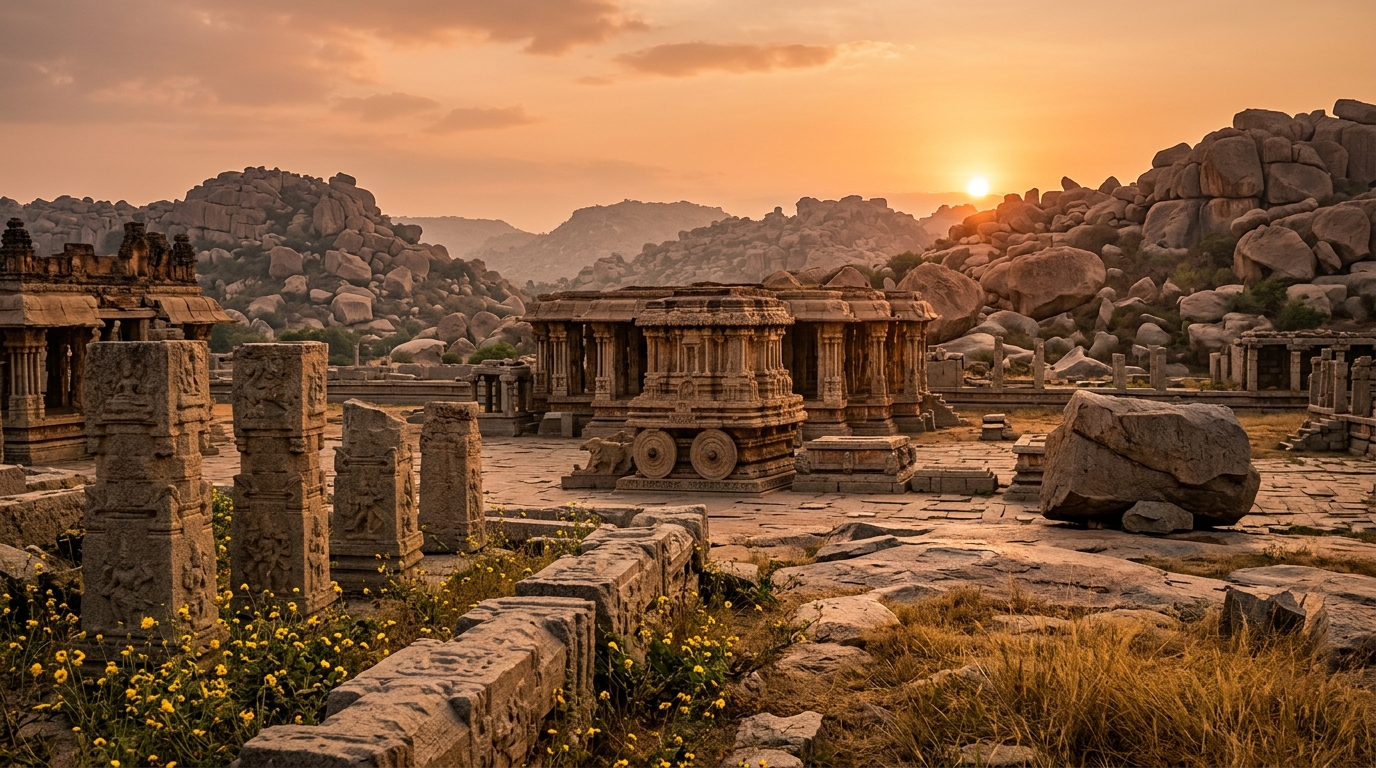
This route focuses on the history of the southern dynasties, including the Cholas, Pallavas, and the Hoysalas. This circuit represents the historical core of any South India travel plan, featuring monolithic stone temples and massive fortresses. Travelers typically begin in Chennai, moving to the shore temples of Mahabalipuram and the living Chola temples of Thanjavur. According to historical findings published by the Archaeological Survey of India, the Brihadisvara Temple of Thanjavur has stood as a structural marvel since its completion in 1010 CE, demonstrating early mastery of granite architecture. The route then climbs to tour Mysore and the ruins of Hampi in Karnataka. To experience these architectural wonders, booking dedicated Tamil Nadu travel options offers a structured way to tour these historic sites.
The temple architecture of South India is not merely stone and mortar; it is a repository of science, culture, and royal legacy carved over centuries.
The Nature, Hill Station, and Backwaters Trail (Kerala & Coorg)
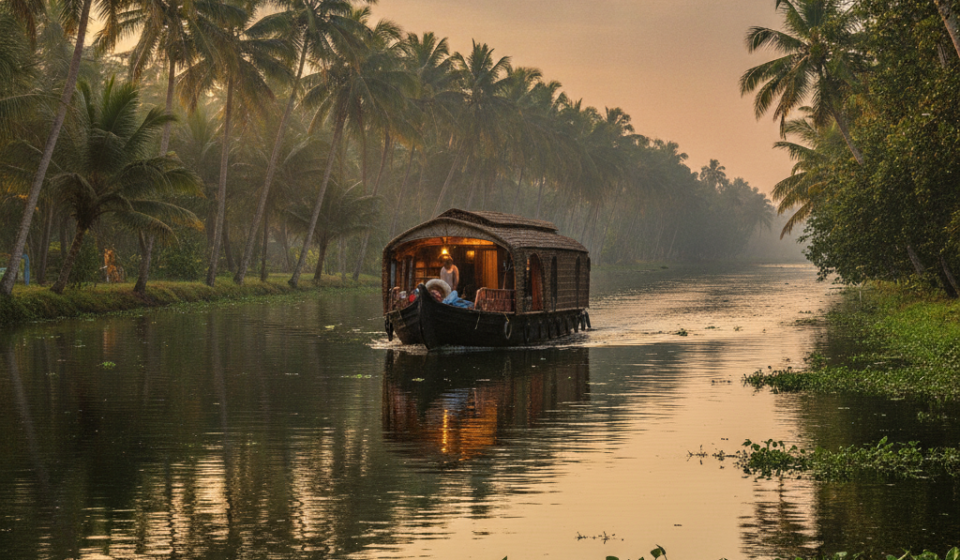
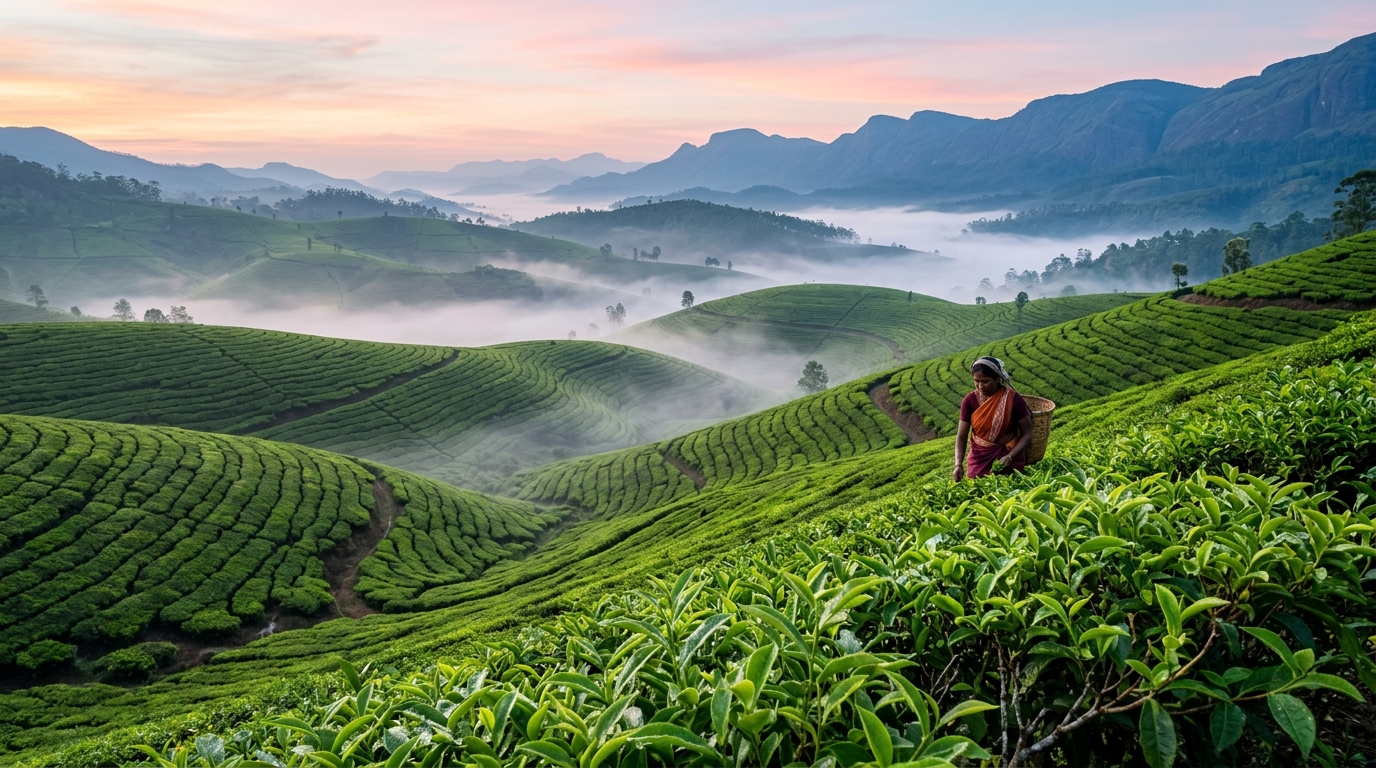
For those seeking ecological diversity, the Western Ghats provide an ideal route. This nature-focused South India travel plan highlights tea plantations, wildlife sanctuaries, and tranquil waterways. The journey connects the misty peaks of Munnar or Coorg with the coastal backwaters of Alappuzha. Here, the serene kerala backwaters remain a major draw, where traditional houseboats provide slow-paced transit. This makes it a core component of any South India travel plan. The climate supports vast spice plantations, making this trail an enriching addition to a South India travel plan. To discover the coffee plantations of Coorg, relying on specialized Coorg tour packages allows travelers to venture deep into this heritage. According to local agricultural boards, Coorg accounts for roughly 35% of India’s coffee production, making it a crucial hub for agro-tourism.
The Coastal, Beach, and Bohemian Route (Karnataka, Goa, Pondicherry)
This route traces the coastlines, offering a distinct dimension to a South India travel plan. It appeals to travelers interested in colonial history, maritime trade, and beach relaxation. The western section features the rugged cliffs of Gokarna and the historic ports of Mangalore, where spice trading influences local cuisine. On the eastern coast, the former French colony of Pondicherry offers a unique blend of European architecture and Tamil culture, representing a peaceful alternative to busy temple towns.
Recommended 10-Day South India Itinerary
For travelers attempting to experience a balanced mix of urban history, hill stations, and coastal waterways, a practical 10-day South India travel plan serves as an excellent blueprint. This route utilizes established transit corridors to reduce travel times and maximize sightseeing hours. This comprehensive south india itinerary bridges urban sophistication with plantation tranquility, ensuring a diverse travel experience.
Days 1 to 3: Bangalore, Mysore, and Coorg
The journey begins in Bangalore, the modern capital of Karnataka. While known as a technology hub, the city retains its historical identity through the Tudor-style Bangalore Palace and Lalbagh botanical gardens. This initial phase of this South India travel plan focuses on the transition from modernization to royalty. On the second day, a three-hour drive leads to Mysore, the historical seat of the Wodeyar dynasty, where the grand Mysore Palace is best viewed during evening illumination.
On the third day, the route climbs into the Western Ghats to reach Coorg, a district famous for dense forests and coffee estates. Discovering these coffee plantations is made easier with dedicated Bangalore and Mysore travel options that capture the region’s charm. The cool mountain air provides a refreshing contrast to the warm plains of Karnataka, marking the transition phase of your South India travel plan.
Days 4 to 6: Wayanad and Ooty
Crossing the state border, the fourth day is dedicated to Wayanad, a mountainous region characterized by spice plantations and ancient caves. A visit to the Edakkal Caves reveals petroglyphs dating back to the Neolithic era, proving early human habitation. This segment of the South India travel plan emphasizes ecological exploration.
Days five and six are spent in Ooty, the famous hill station in Tamil Nadu. The journey can be made via the Nilgiri Mountain Railway, a UNESCO World Heritage site completed in 1908, climbing steep gradients through tunnels. The cool climate of Ooty, combined with its vast botanical gardens and tea estates, represents the mid-way milestone of the South India travel plan, offering a restful period before descending back to the plains. This high-altitude segment adds depth to a South India travel plan.
Days 7 to 10: Cochin, Alleppey, and Marari Beach
On day seven, the journey descends to the historic port city of Cochin on the Arabian Sea coast. Cochin highlights centuries of maritime trade, visible in Portuguese-built St. Francis Church and Chinese fishing nets lining the harbor. This final leg of this South India travel plan shifts the focus to coastal ecosystems and colonial history.
Day eight features the backwater networks of Alleppey, where spending twenty-four hours on a private houseboat provides an intimate view of rural Kerala. Exploring the legendary kerala backwaters remains a highlight of the journey. To ensure this experience is effortless, coordinating through professional Kerala travel itineraries is recommended. According to a 2024 regional tourism report, domestic tourism in Kerala experienced an 11% annual increase, showing a rising preference for slow travel styles. Days nine and ten are spent at Marari Beach, offering pristine white sands and a peaceful end to this South India travel plan before departure.
| Itinerary Phase | Primary Destinations | Key Experiences | Recommended Stay Duration |
|---|---|---|---|
| Days 1–3 | Bangalore, Mysore, Coorg | Palace architecture, coffee plantation walks, royal heritage | 3 Days |
| Days 4–6 | Wayanad, Ooty | Neolithic cave petroglyphs, Nilgiri Mountain toy train, tea gardens | 3 Days |
| Days 7–10 | Cochin, Alleppey, Marari Beach | Colonial architecture, Kerala backwater houseboat stays, beach relaxation | 4 Days |
Comparative Analysis of Top Southern Destinations
Choosing the right destinations is crucial when deciding priorities for a South India travel plan. Each state offers a distinct cultural and physical environment, meaning that your choice will dictate the style of your journey. To help you optimize a South India travel plan, the table below compares the primary southern states across key travel parameters.
| State | Primary Travel Focus | Top Attractions | Ideal Duration | Best Transit Method |
|---|---|---|---|---|
| Kerala | Backwaters, Ayurveda, and Nature | Alleppey, Munnar, Wayanad | 7-10 Days | Private Car / Taxi |
| Tamil Nadu | Temple Architecture and Heritage | Madurai, Thanjavur, Ooty | 8-12 Days | Express Trains |
| Karnataka | History, Wildlife, and Palaces | Hampi, Mysore, Coorg, Kabini | 7-10 Days | KSRTC Buses / Cars |
| Pondicherry | Colonial History and Beaches | French Quarter, Auroville | 2-3 Days | Road from Chennai |
This comparative structure assists travelers in identifying which state aligns with their specific expectations. While executing this south india itinerary, many travelers choose to combine elements of Karnataka and Kerala to enjoy a balanced mix of wildlife, heritage, and backwaters.
Practical Essentials for Traveling in South India
Managing the logistical challenges of a South India travel plan requires careful attention to seasonal variations, transportation networks, and local customs. Because the southern states maintain distinct languages and cultural practices, pre-travel preparation is essential for a smooth journey.
Best Time to Visit and Seasonal Dynamics
The ideal window for traveling through South India is from October to March, when the northeast monsoon has receded and temperatures remain moderate. Daytime temperatures in the plains range between twenty-five and thirty degrees Celsius, while hill stations experience cooler weather. A clear understanding of these seasonal variables for a South India travel plan is crucial, as the region experiences two distinct monsoon seasons. The southwest monsoon brings heavy rains from June to September, which can cause landslides in hilly areas. Conversely, the northeast monsoon affects Tamil Nadu from October to November.
Transportation and Connectivity Options
Selecting appropriate transit options in your South India travel plan is critical due to the varied terrain. Depending on your budget and itinerary, several primary options are available:
- Indian Railways: Offers efficient sleeper and air-conditioned coaches, highly recommended for covering long distances between major cities.
- Private Car with Driver: The most reliable and stress-free option for shorter regional transfers, winding mountain routes, and customized itineraries.
- State-Run Bus Corporations (KSRTC): Features comfortable, air-conditioned Volvo buses connecting major towns—a cost-effective choice for budget-conscious travelers.
While self-driving is possible, the dense local driving conditions and narrow, winding mountain hairpin turns make hiring a professional local driver highly recommended for safety and convenience.
Cultural Etiquette and Local Customs
The cultural aspect of a South India travel plan requires a high level of respect for local traditions, especially when visiting active religious sites. Many temples in Tamil Nadu and Karnataka enforce strict dress codes, requiring visitors to cover their shoulders and knees. Some traditional temples in Kerala require men to wear a traditional dhoti and remain bare-chested to enter the inner sanctum. Footwear must always be removed before entering temples and local homes. Additionally, dining etiquette in the south often involves eating with the right hand, particularly when traditional meals are served on banana leaves. Before packing, travelers should review the following essential checklist items to ensure compliance with local expectations and microclimates:
- Sartorial adjustments: Pack a lightweight shawl to cover shoulders and legs when entering spiritual spaces.
- Footwear strategy: Utilize slip-on footwear as shoes must be removed frequently at monuments and temples.
- Moisture management: High coastal humidity necessitates breathable cotton or linen fabrics over synthetic materials.
- Thermal layers: Pack at least one woolen layer for sudden temperature drops in high-altitude zones.
FAQs
What is the best starting point for a South India travel plan?
Bangalore and Kochi serve as the most efficient entry points due to their international airports. Starting in Bangalore is ideal for routes covering Mysore and Coorg. Starting in Kochi provides immediate access to the backwaters, tea plantations, and southern beaches.
How much does a typical 10-day South India travel plan cost?
Depending on luxury levels, a mid-range package typically ranges from ₹45,000 to ₹75,000 per person. This estimate includes private transportation, heritage hotels, guided tours, and meals. Budget options using public transit can reduce this cost significantly.
Is 10 days enough time to execute a comprehensive South India travel plan?
Ten days is sufficient to tour a focused sub-region, such as the Kerala backwaters and Nilgiri hills. Attempting to cover the entire southern peninsula in ten days is not recommended due to long travel times and distances between major attractions.
What is the most essential luggage item to carry for a South India travel plan?
Light, breathable cotton clothing is essential due to the high humidity of the coastal plains. Additionally, travelers should pack a light jacket or sweater for the cooler hill stations, slip-on shoes for temple visits, and reliable sun protection to ensure comfort throughout the journey.