
Planning a trip to the southern peninsula of India requires far more than just picking a few destinations on a map. The region spans five massive states, each presenting distinct languages, culinary traditions, and historical legacies that rival entire nations. It is a frequent mistake to treat this vast area as a single, uniform destination. A well-constructed south india travel plan makes the vital difference between a rushed, exhausting transit and a deeply rewarding cultural immersion. By understanding regional geography, seasonal weather patterns, and local transport networks, travelers can build a trip that balances historic temple towns with serene coastal backwaters. Crafting an effective south india travel plan is about choosing what to leave out, rather than trying to see everything in a single, hurried vacation. Taking this selective approach ensures that you experience the authentic warmth of the local culture instead of just watching it pass by from a car window.
Key Takeaways for Your South India Travel Plan:
- Optimal Timing: Visit between October and March for cool, dry weather, or choose the monsoon season for Ayurvedic wellness retreats.
- Diverse Highlights: Balance your itinerary between Kerala’s scenic backwaters, Tamil Nadu’s ancient Dravidian temples, and Karnataka’s historic ruins.
- Pacing Strategy: Select a focused regional route over a rushed cross-country itinerary to truly appreciate the local culture.
- Transportation Planning: Secure train reservations up to 120 days in advance, or hire a private driver for regional flexibility.
Why South India Belongs on Your Travel Radar
What makes this region distinct is its ancient Dravidian culture. Unlike the northern states, which experienced centuries of foreign invasions that reshaped their architecture and language, the south preserved its heritage with remarkable continuity. This historical isolation (or resilience, depending on how one views migration patterns) means that the temples of Tamil Nadu and the performing arts of Kerala remain virtually unchanged from their medieval origins.
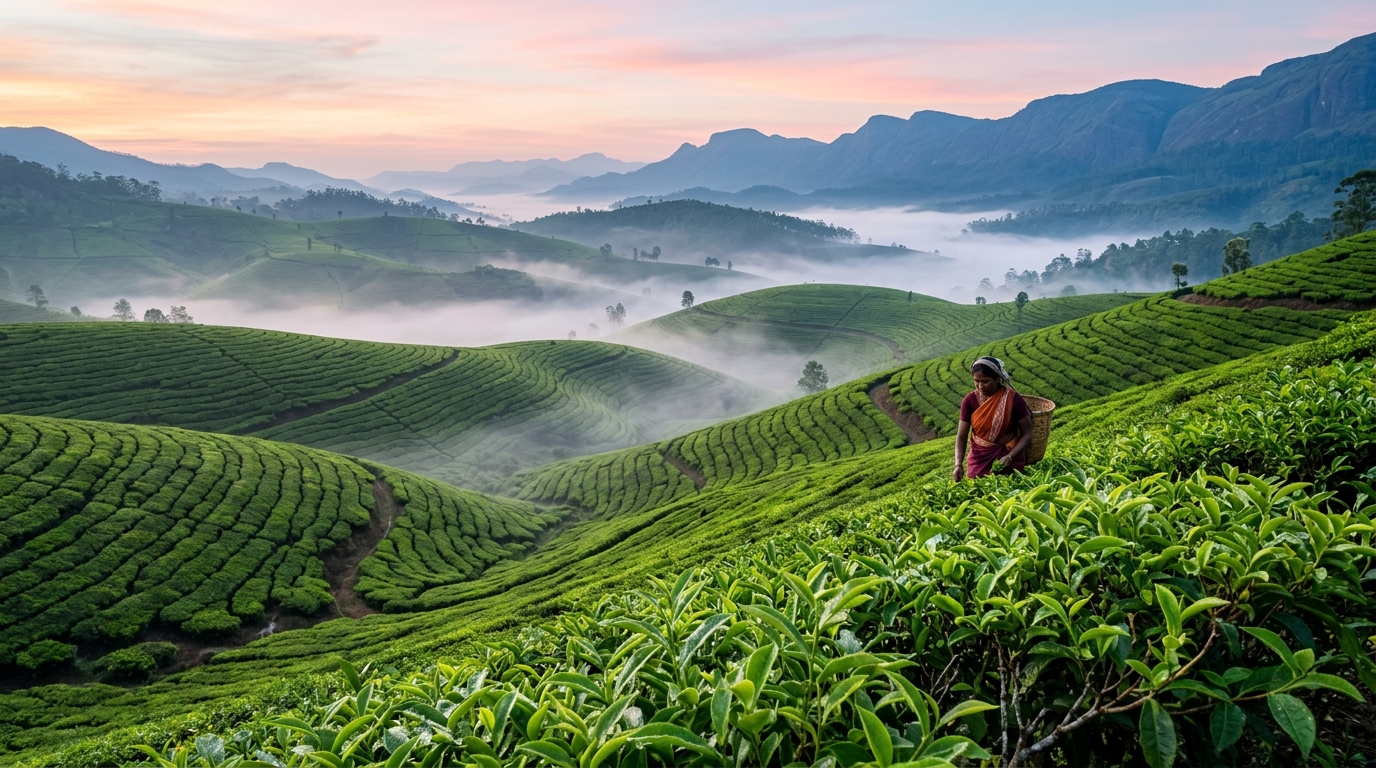
For travelers who appreciate architectural marvels, the soaring gopurams are spectacular sights. But still, the appeal of the south is not limited to history. Nature lovers will find solace in the Western Ghats, a mountain range older than the Himalayas, where tea and cardamom estates drape over misty hills.
When travelers begin to put together a south india travel plan, they quickly realize that the pace of life here is noticeably slower than in northern cities. The streets feel wider and the traffic is marginally more organized. It is basically an ideal introduction to India for first-time visitors who might otherwise feel overwhelmed by the sensory overload. Selecting the right destinations for a south india travel plan is crucial.
Establishing the Ideal Timeline for Your South India Travel Plan
Weather dictates everything when it comes to traveling in the southern peninsula. The tropical climate means that temperatures remain warm throughout the year, but the humidity and rainfall levels fluctuate wildly. A successful south india travel plan must be built around these climatic patterns to ensure that outdoor sightseeing remains comfortable rather than exhausting.
Winter (October to March): The Peak Window
This is arguably the most favorable time to travel, when the intense monsoon rains have cleared, leaving behind a vibrant green terrain. When building your south india travel plan for the winter months, keep the following factors in mind:
- Ideal Weather: Daily temperatures average a comfortable 25 to 30 degrees Celsius, with humidity at its lowest.
- Sightseeing Comfort: Travelers can comfortably explore temple towns like Madurai or the ruins of Hampi without the oppressive heat.
- Peak Season Crowds: Popular spots like Munnar or Mysore see a significant influx of tourists, making advance bookings for transport and hotels essential.
- Cultural Festivities: Local festivals are highly frequent during this period, offering an authentic look into age-old customs.
Monsoon (July to September): Lush Greenery and Ayurveda
While many travelers avoid the heavy rains of the southwest monsoon, others actively seek them out. The monsoon season is the traditional time for Ayurvedic treatments in Kerala, as the cooler, humid air is believed to help the body absorb therapeutic oils. If the goal of a south india travel plan is relaxation, wellness, and dramatic photography of roaring waterfalls, the monsoon months offer excellent value. But still, travelers must be prepared for occasional transport delays. The rain-washed hills of Munnar and Wayanad become exceptionally beautiful during this season, with mist rolling over the tea gardens.
Summer (April to June): Hill Station Retreats
Summer brings intense heat to the plains, with temperatures frequently climbing above 40 degrees Celsius. Exploring ancient ruins or walking through stone temple complexes during the midday sun can be physically draining. However, this is the perfect time to shift a south india travel plan toward high-altitude hill stations like Ooty, Kodaikanal, and Coorg. These retreats provide a cool refuge where travelers can enjoy:
- Pleasant Temperatures: Consistent averages hovering around a refreshing 20 degrees Celsius.
- Historical Retreats: Scenic towns originally developed by the British as summer capitals to escape the heat.
- Nature Activities: Days spent visiting spice plantations, enjoying boat rides on scenic lakes, and walking through quiet eucalyptus forests.
| Season | Months | Temperature Range | Ideal Destinations for Your Plan |
|---|---|---|---|
| Winter (Peak) | October to March | 20°C – 30°C | Backwaters, coastal temples, ruins of Hampi |
| Monsoon (Off-Peak) | July to September | 22°C – 28°C | Kerala hills, Ayurvedic resorts, waterfalls |
| Summer (Mid-Season) | April to June | 25°C – 40°C | Hill stations (Coorg, Ooty, Munnar) |
Key Regions to Feature in Your South India Travel Plan
Kerala: Backwaters, Houseboats, and Coastal Villages
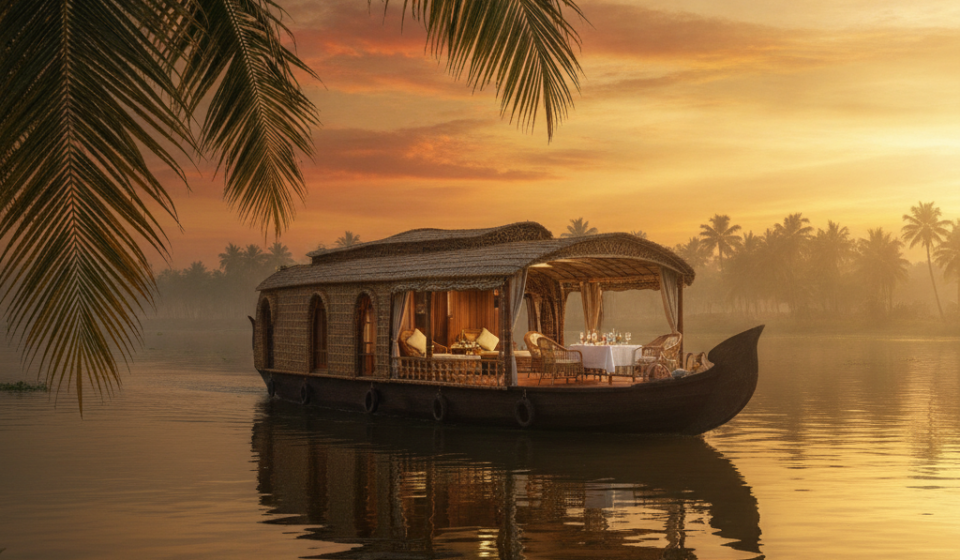
Kerala, often referred to as “God’s Own Country,” is the natural starting point for many travelers. The state is famous for its network of brackish lagoons and canals known as the backwaters. Renting a traditional houseboat (locally called a kettuvallam) in Alappuzha is an essential highlight of a standard Kerala tour. It offers a glimpse into slow-paced village life along the water. In fact, the backwaters of Alappuzha attract roughly 1.2 million tourists each year, as reported in Kerala Tourism’s recent audit. Beyond the waterways, the state boasts historic spice trading ports like Kochi and misty tea plantations in Munnar. For those seeking coastal relaxation, a beach holiday in Kovalam provides the perfect end to a busy itinerary. Incorporating these locations into a south india travel plan ensures a healthy mix of nature and leisure.
Tamil Nadu: Grand Temple Architecture and Coastal History
If Kerala represents nature, Tamil Nadu represents heritage. The state is home to some of the most spectacular living temples in the world, characterized by massive, multi-tiered gopurams decorated with thousands of colorful plaster figures. Cities like Madurai, Thanjavur, and Tiruchirappalli are centered around active temple complexes that have been places of worship for over a thousand years. A complete Tamil Nadu tour should combine historical temples with modern coastal cities. For a complete holiday, one should also include the coastal town of Mahabalipuram, famous for its 7th-century rock-cut relief carvings, and the former French colonial enclave of Pondicherry. Integrating these rich cultural sites into your south india travel plan offers an unmatched historical experience.
Karnataka: Palaces, Ruins, and Mountain Air
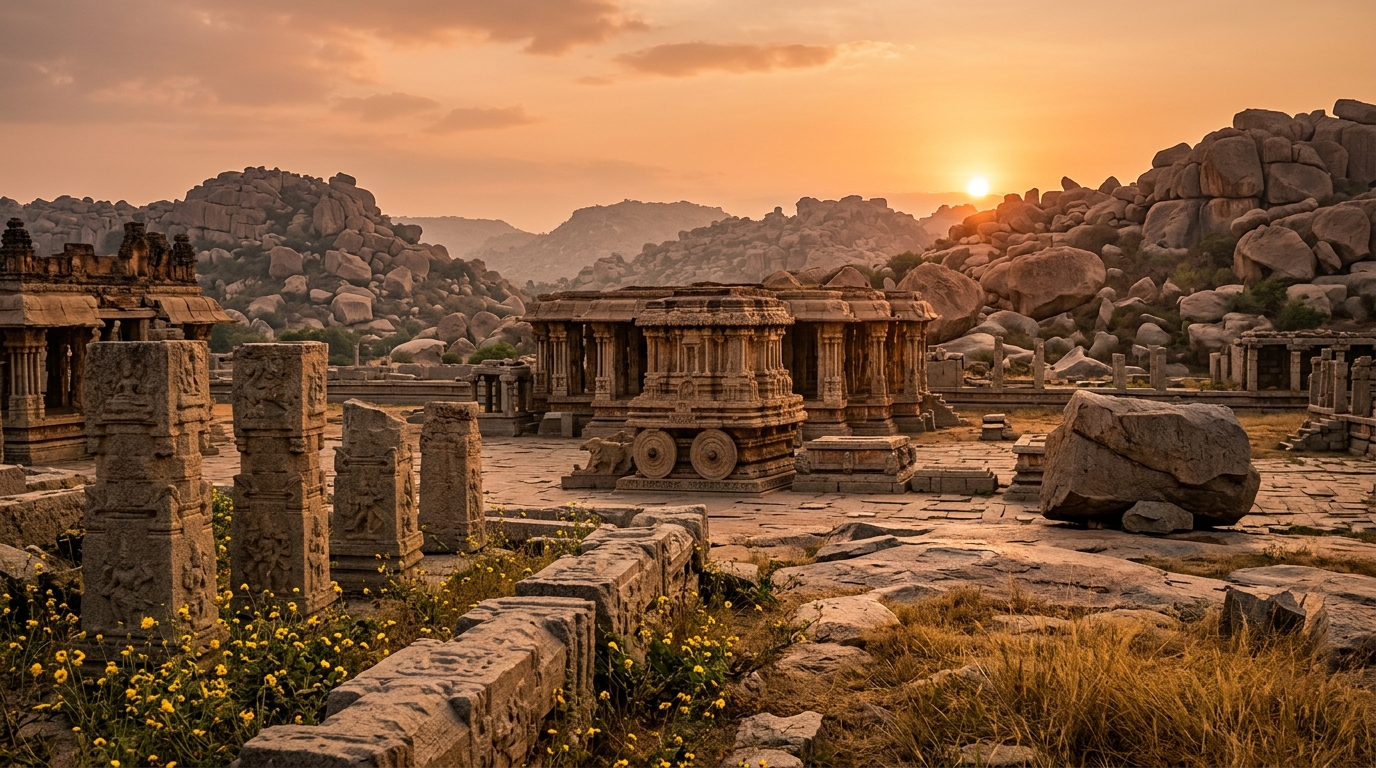
Karnataka offers a diverse mix of grand royal history and natural beauty. The tech hub of Bengaluru serves as a convenient gateway, but the true highlights lie further inland. The historic city of Mysore features the spectacular Mysore Palace, which is illuminated by roughly 100,000 light bulbs on Sunday evenings (according to Mysore Palace Board filings). Further north, the UNESCO World Heritage site of Hampi contains the dramatic ruins of the Vijayanagara Empire scattered across a bizarre, boulder-strewn terrain. For those who prefer lush nature, booking Coorg packages will take you to the heart of India’s coffee country, where mist-covered valleys and spice plantations dominate. Combining a Bangalore Mysore tour with these natural retreats creates a diverse and satisfying south india travel plan. The typical Bangalore Mysore tour covers the major royal heritage of Karnataka, but adding coffee country makes the route even better.
Crafting the Itinerary: Two Sample Route Options
The biggest mistake travelers make is attempting to cover too much distance too quickly. The roads can be winding, and train schedules do not always align perfectly with travel times. To help structure your journey, we have outlined two proven routes that maximize sightseeing while minimizing exhaustion. Both options can be customized based on your preferences.
The 10-Day Classic South India Travel Plan
This itinerary is ideal for first-time visitors who want a balanced introduction to the region. It focuses on the highlights of Kerala and Tamil Nadu, making it a highly requested Kerala tour option that covers a mix of history, hills, and waterways.
- Days 1-2: Kochi (Kerala) – Discover Fort Kochi, famous for its Chinese fishing nets, Dutch Palace, and Jewish synagogue. Walk through spice markets, and watch an evening Kathakali dance performance.
- Days 3-4: Munnar – Travel into the Western Ghats to walk through tea plantations, visit the Tea Museum, and hike in Eravikulam National Park to see the Nilgiri Tahr.
- Day 5: Thekkady (Periyar) – Take a spice plantation tour to see how cardamom and cinnamon are grown, and take a boat safari on Periyar Lake.
- Days 6-7: Alappuzha (Backwaters) – Board a private houseboat for an overnight cruise through scenic canals, followed by a canoe ride the next day.
- Days 8-9: Madurai (Tamil Nadu) – Cross into Tamil Nadu to visit the Meenakshi Amman Temple and witness the evening ceremony.
- Day 10: Departure – Catch your return flight or train.
This compact south india travel plan keeps travel times between destinations to under five hours per day, preventing fatigue.
The 14-Day Comprehensive South India Travel Plan
For those who have more time, this two-week south india travel plan allows for a deeper exploration of Karnataka and the historic ruins of the Deccan Plateau. It starts in Bengaluru and ends on the beaches of Kerala.
- Days 1-2: Bengaluru & Mysore (Karnataka) – Arrive in Bengaluru, explore Lalbagh botanical gardens, and drive to Mysore to see the spectacular illuminated palace.
- Days 3-4: Coorg – Walk through coffee estates, visit the Golden Temple Buddhist monastery in Bylakuppe, and enjoy local Kodava cuisine. Many travel agencies offer specialized Coorg packages that focus entirely on wildlife and coffee estates.
- Days 5-7: Hampi – Explore the massive ruins of the Vijayanagara Empire, including the Stone Chariot and Virupaksha Temple.
- Days 8-9: Wayanad (Kerala) – Enter Kerala through the Wayanad hills, visiting the ancient Edakkal Caves and spice farms.
- Days 10-11: Kozhikode & Kochi – Drive down to the coast, sample Malabari biryani, and proceed to Kochi for historic sightseeing.
- Days 12-13: Alappuzha Houseboat & Varkala Beach – Experience a backwater houseboat cruise and spend a relaxing day on the red cliffs of Varkala Beach.
- Day 14: Departure from Thiruvananthapuram – Conclude your journey.
This comprehensive south india travel plan covers three states and provides a complete overview of the region’s diverse identity.
Logistics and Budgeting: Execution Tips
Executing a smooth journey requires careful planning of your transport and daily expenses. Unlike Western Europe, where trains run every few minutes, transport in India operates on a highly specific reservation system. A realistic south india travel plan must integrate these details to avoid last-minute disruptions.
Estimating Costs and Managing Expenses
The overall cost of your trip will depend on your accommodation choices and mode of transport. South India is generally more affordable than North India’s peak tourist circuits, making it highly attractive for budget-conscious travelers. Here is a rough breakdown of daily expenses depending on your travel style:
- Budget (Backpacker): ₹2,500 – ₹3,500 per day. Includes stays in clean guesthouses, travel by public buses/trains, and dining at local eateries. This style is perfect for solo travelers who want an authentic and raw experience.
- Mid-Range (Comfort): ₹6,000 – ₹10,000 per day. Includes three-star hotels, hiring a private car with a driver, and dining in casual restaurants. This is the most popular choice for couples and families.
- Luxury: ₹20,000+ per day. Includes five-star heritage palaces, luxury houseboat rentals, and private guided tours with dedicated historians. This tier provides unparalleled service and privacy.
When finalizing your south india travel plan, budget at least 15% more than your estimate for unexpected expenses such as temple entry fees, camera permits, and local guides.
Transit and Transportation Strategies
Choosing the right way to get around is the most critical logistical decision of your south india travel plan. While domestic flights are useful for covering massive distances (such as Bengaluru to Kochi), the train system remains the heart of Indian travel.
| Transport Mode | Best For | Estimated Cost | Key Advantage |
|---|---|---|---|
| Train (2AC/3AC) | Long-distance & overnight journeys | ₹1,000 – ₹2,500 per ticket | Comfortable, budget-friendly, and scenic |
| Private Car & Driver | Inter-city transfers & hilly regions | ₹3,500 – ₹5,000 per day | High flexibility and door-to-door convenience |
| Auto-Rickshaw | Short trips within cities | ₹50 – ₹200 per ride | Nimble in heavy city traffic |
- By Train: For long-distance overnight journeys, book 2AC or 3AC class tickets. These sleeper compartments are air-conditioned and comfortable, providing clean sheets and pillows. Train bookings open 120 days in advance, and popular routes fill up within hours. This is true to an extent, though mountainous terrain requires extra driving time. It is highly recommended to create an account on the official railway booking portal well before your trip begins.
- By Private Car and Driver: For regional travel (such as Munnar to Alappuzha), hiring a private car with a driver is highly recommended. It offers maximum flexibility and allows you to stop at roadside tea stalls or viewpoints. The daily rate typically ranges from ₹3,500 to ₹5,000, depending on the season and the size of the vehicle. This rate generally covers the driver’s food and overnight accommodation, but confirming this beforehand avoids confusion.
- By Auto-Rickshaw: For short trips within cities, use local auto-rickshaws (locally called autos). Always negotiate the price before getting in, or ask the driver to use the meter. They are incredibly nimble in city traffic.
Final Recommendations for a Successful Journey
Putting together a south india travel plan is a deeply rewarding experience. By taking the time to understand the local seasons, choosing a focused route rather than trying to see everything, and booking transport early, travelers can avoid the typical stresses of long-distance transit. Focus on slow mornings, local filter kaapi, and the incredible warmth of the people. This approach turns a simple vacation into a memorable adventure that will stay with you long after you return home. Southern India is not just a place to see; it is a place to feel and experience at its own rhythm.