

Planning a journey across the southern peninsula of India requires more than just booking flights; it demands a comprehensive south india travel plan that balances diverse experiences. This vast geographic area covers five major states, each possessing its own distinct culinary traditions, architectural heritage, and linguistic identity. From the ancient stone temples of Tamil Nadu to the misty tea plantations of Kerala, travelers often find themselves overwhelmed by the sheer variety of destinations. Designing a balanced itinerary prevents travel fatigue and ensures a deeper engagement with local culture. This guide provides a meticulous, professional blueprint to help you structure your journey, estimate expenses, and manage travel logistics with absolute precision.
Key Takeaways for Your Journey:
- Optimal Timing: Plan your visit between October and March to enjoy mild temperatures and dry weather.
- Slow Travel: Focus on specific geographic regions rather than rushing through all five states.
- Diverse Experiences: Combine heritage architecture in Karnataka with natural backwaters in Kerala and coastal culture in Tamil Nadu.
- Local Logistics: Utilize a mix of comfortable Vande Bharat trains and private drivers for flexible, reliable transit.
- Cultural Respect: Always dress conservatively and remove footwear when visiting active, historic temples.
Why Plan a Trip to South India?
South India presents a distinct alternative to the classic northern circuits, emphasizing relaxed coastal rhythms, ancient living traditions, and pristine ecological sanctuaries. While northern regions feature Mughal monuments and vast deserts, the southern states boast ancient Dravidian dynasties that remained largely uninterrupted for centuries. Consequently, crafting a detailed south india travel plan remains essential to appreciate this preserved cultural lineage. You will discover towering gopurams (temple gateway towers) that serve as active community hubs rather than static archaeological sites. Culturally, the region operates on its own calendar, deeply tied to agricultural seasons and temple festivals.
Furthermore, a robust south india travel plan ensures that you do not miss the subtle geographical and cultural transitions between states. Keep in mind these unique transitions:
- Geographical Variety: The dry plains of Karnataka quickly give way to the dense, wet forests of the Western Ghats, sloping down into Kerala’s coastal backwaters.
- Administrative Differences: Each state operates with its own regional administrative norms, public holiday schedules, and local guidelines.
- Culinary Diversity: Local cooking ingredients change across borders, such as the widespread use of coconut oil in Kerala compared to the groundnut oil preferred in Tamil Nadu.
Understanding these operational details beforehand prevents minor logistical friction from disrupting your daily itinerary.
There is also the matter of infrastructure. South India generally boasts higher literacy rates and well-maintained road networks compared to other regions in the country. This makes self-guided travel or private driver hire far more predictable. But still, the sheer density of points of interest means you must be highly selective. By establishing a realistic south india travel plan, you can transition between these distinct culinary and linguistic terrains seamlessly, maximizing your time in each location.
Choosing Your Ideal South India Route
Because of the massive distances involved, structuring your south india travel plan requires choosing a route that aligns with your specific travel goals. Attempting to cover all five southern states in a single fortnight inevitably leads to excessive travel times and superficial visits. A tailored south india travel plan accommodates these shifts by focusing on a specific geographic or thematic corridor. This approach allows you to travel at your own pace, avoiding the fatigue of rushed group tours.
| Route Type | Best For | Key Highlights | Ideal Duration |
|---|---|---|---|
| Classic Temple & Heritage | History, architecture, and ancient stone carving enthusiasts | Hampi, Mysuru, Belur, Halebidu, Madurai | 7 to 10 Days |
| Western Ghats & Backwaters | Nature lovers, families, honeymooners, and wellness seekers | Munnar, Coorg, Ooty, Alappuzha (Houseboats), Periyar | 6 to 8 Days |
| Coastal & Modern Metropolis | Seafood lovers, beachgoers, contemporary arts, and colonial history fans | Bangalore, Chennai, Pondicherry, Kochi, Varkala | 8 to 12 Days |
The Classic Temple and Heritage Circuit
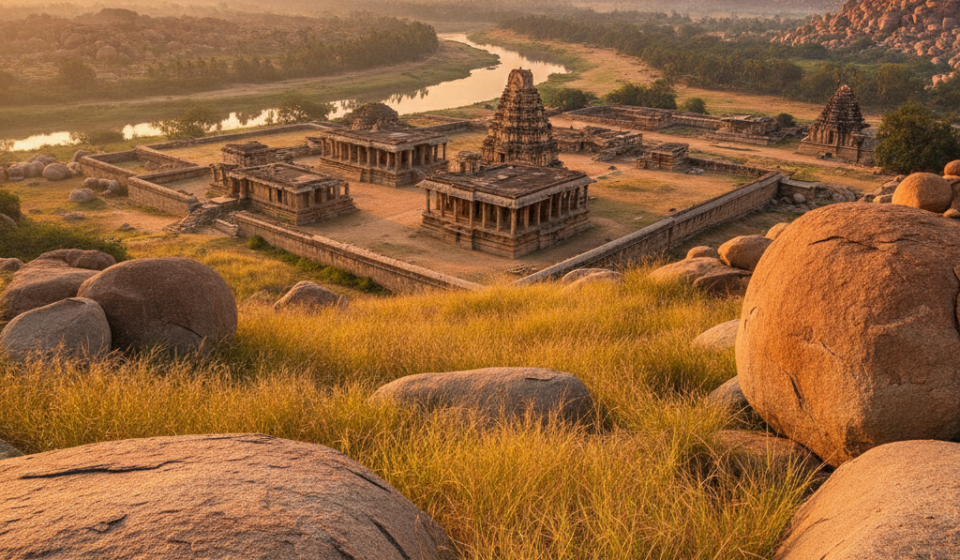
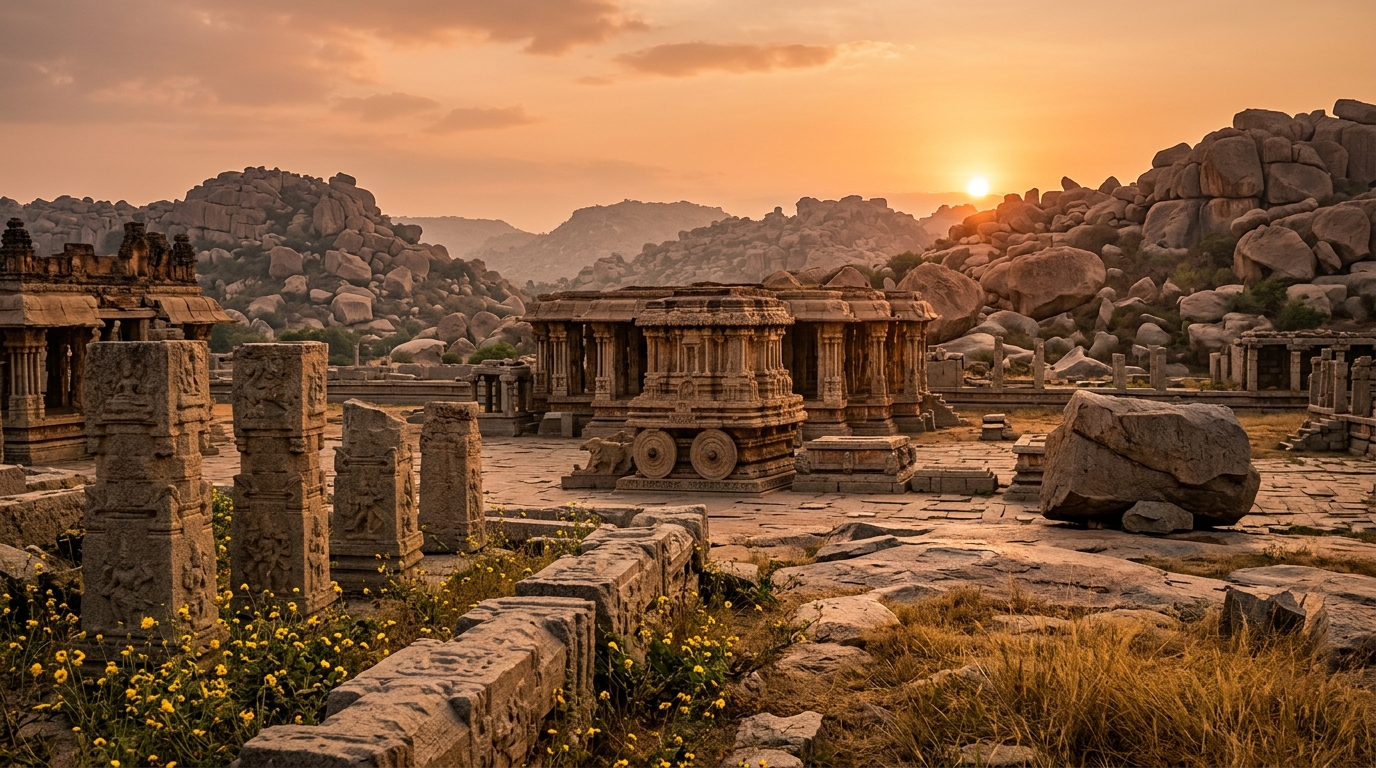
Travelers interested in historical architecture and ancient empires should prioritize this route in their south india travel plan. This journey typically winds through the inland plains of Karnataka and Tamil Nadu, highlighting the architectural triumphs of the Chola, Vijayanagara, and Hoysala dynasties. You will traverse UNESCO World Heritage sites like Hampi, where over 1,600 surviving monuments are scattered across a surreal boulder-strewn terrain. This route is best suited for those who appreciate stone craftsmanship, epigraphy, and classical religious traditions that have survived continuously for over a thousand years. (Expect dry heat and significant walking on stone surfaces, so appropriate preparation is necessary).
The Western Ghats and Backwaters Trail
A nature-centric south india travel plan focuses on the dense foliage and high altitudes of the Western Ghats mountain range. This route crosses through the hill stations of Coorg and Ooty, descending into the tropical waterways of Alappuzha and Kumarakom. It offers a cooler climate, wildlife sighting opportunities in national parks like Periyar, and the chance to stay on traditional houseboats. It represents a slower, more restorative style of travel that appeals to families, honeymooners, and outdoor enthusiasts seeking respite from the humid coastal plains.
The Coastal and Modern Metropolis Route
A coastal south india travel plan provides a relaxed pace by following the eastern or western shores of the peninsula. This route connects modern IT hubs like Bangalore and Chennai with the bohemian beaches of Varkala, the French quarters of Pondicherry, and the historic port town of Kochi. It is an ideal path for those who enjoy seafood culinary traditions, colonial history, maritime museums, and contemporary arts festivals (such as the Kochi-Muziris Biennale). Traveling along the coast also exposes you to unique Christian and Jewish heritage sites that are often overlooked on standard inland tours.
A Comprehensive 14-Day South India Travel Plan
The following 14-day south india travel plan is designed to provide a balanced overview of the region’s top highlights. It links Karnataka, Kerala, and Tamil Nadu into a logical loop that minimizes transit times while maximizing your cultural immersion. The route relies on a mix of private vehicles and comfortable train journeys to keep travel stress low.
Days 1 to 4: Heritage and Royalty in Karnataka
Initiating your south india travel plan in Bangalore offers an easy entry point with excellent international and domestic connectivity. Follow this structured 4-day sequence:
- Day 1: Arrival & Bangalore Exploration – Settle in and explore the botanical gardens of Lalbagh and the Tudor-style Bangalore Palace.
- Day 2: Transit to Mysuru – Take a morning train to Mysore (Mysuru) and visit the grand Amba Vilas Palace, spectacularly illuminated on Sunday evenings.
- Day 3: Pilgrimage & History – Visit Chamundi Hill temple and the historic island town of Srirangapatna.
- Day 4: Hoysala Architecture – Hire a private vehicle to explore the soapstone carvings of the Hoysala temples in Belur and Halebidu, then return to Mysuru.
This initial leg introduces you to the royal heritage and architectural precision that defines Karnataka’s historical narrative.
Days 5 to 9: Hills, Tea Estates, and Backwaters of Kerala
Including this scenic stretch in your south india travel plan adds a stark contrast to the historical plains of Karnataka:
- Day 5: Drive to Munnar – Travel by road from Mysuru up into the rolling hills of Munnar, a premier hill station in the Western Ghats.
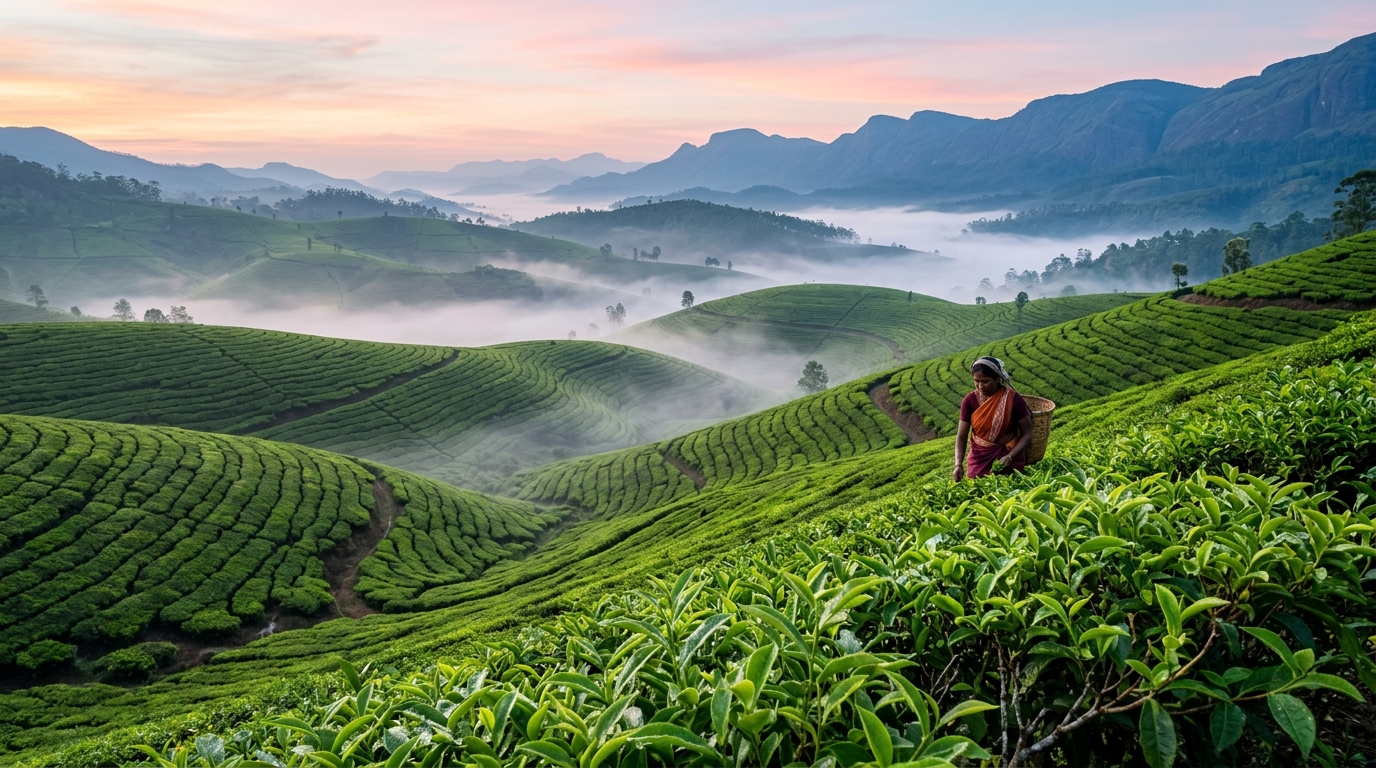
- Days 6 & 7: Tea Gardens & Wildlife – Walk through manicured tea estates, visit the Tata Tea Museum, and explore Eravikulam National Park to spot the endangered Nilgiri Tahr.
- Day 8: Alappuzha Houseboat Cruise – Drive south to Alappuzha and board a traditional kettuvallam (houseboat) for a tropical backwater overnight cruise.
- Day 9: Kochi Port City – Disembark and drive to Kochi to spend the afternoon viewing the Chinese Fishing Nets and colonial churches of Fort Kochi.
To enjoy customized local arrangements in this state, exploring Kerala tour packages can simplify your logistics immensely.
Days 10 to 14: Coastal Culture and Colonial Charm in Tamil Nadu and Pondicherry
Moving toward the eastern coast, this segment of your south india travel plan introduces a completely different cultural atmosphere:
- Day 10: Journey to Madurai – Take a scenic train ride or drive to Madurai, one of the oldest continuously inhabited cities in the world.
- Day 11: Meenakshi Amman Temple – Explore the towering, colorful gopurams of this massive masterpiece of Dravidian architecture.
- Day 12: Travel to Pondicherry – Drive northeast to the charming coastal town of Pondicherry, a former French colonial settlement.
- Day 13: French Quarter & Auroville – Wander through the pastel-colored streets of the French Quarter and visit the unique experimental township of Auroville.
- Day 14: Mahabalipuram to Chennai Departure – Drive north to Chennai, stop at the 7th-century rock-cut monuments of Mahabalipuram, and head to the airport for your flight.
To see similar itineraries along this coast, you can review curated Tamil Nadu travel options to structure your journey.
Estimating Your South India Travel Budget
Developing a south india travel plan requires careful budgeting to ensure your expectations match reality. Fortunately, the region offers excellent value for money, with options spanning from minimalist backpacking to ultra-luxury resort experiences. Having a clear breakdown of daily costs prevents financial surprises during your trip.
The table below outlines estimated daily costs per person for three distinct travel styles, calculated in Indian Rupees (INR) for the 2026 travel season. These figures are average estimates and can fluctuate depending on booking lead times and specific seasonal demand.
| Expense Category | Budget Traveler (INR) | Mid-Range Traveler (INR) | Luxury Traveler (INR) |
|---|---|---|---|
| Accommodation | 800 – 1,500 | 2,500 – 6,000 | 12,000 – 25,000+ |
| Meals & Dining | 400 – 700 | 1,000 – 2,200 | 4,000 – 8,000 |
| Local Transport | 300 – 600 | 1,200 – 2,500 | 4,500 – 8,000 |
| Sightseeing Fees | 150 – 400 | 500 – 1,200 | 1,500 – 3,500 |
| Daily Total | 1,650 – 3,200 | 5,200 – 11,900 | 22,000 – 44,500+ |
Accommodation Costs Across Categories
Securing appropriate stays is crucial when drafting your south india travel plan. Budget travelers can rely on clean homestays, state-run tourism development hotels, and boutique hostels in major hubs like Bangalore and Kochi. Mid-range travelers will find a vast network of comfortable three-star business hotels, historic heritage homes, and eco-resorts. For luxury seekers, South India features world-class palace hotels (such as the Taj Falaknuma Palace in Hyderabad) and exclusive backwater resorts with private plunge pools. Maintaining budget flexibility within a premium south india travel plan is easy if you book during the shoulder season (the transitional months of September and April). During these periods, high-end properties frequently offer discounts of up to 40% on standard room rates.
Transportation and Transit Logistics
Evaluating your transit options is vital for your south india travel plan. Indian Railways remains the backbone of domestic travel, offering a highly efficient way to cover long distances overnight. For maximum comfort, book your tickets well in advance in air-conditioned sleeper classes (1AC or 2AC) or on the premium Vande Bharat Express trains that now connect major southern cities. For shorter distances or remote hill stations like Munnar, hiring a private car with a professional driver is the most practical choice. This service typically costs between 3,500 and 5,500 INR per day, depending on the car model and total distance covered. Using local auto-rickshaws for short urban rides is highly convenient, but ensure you agree on the fare beforehand or use app-based ride-hailing services to optimize your daily south india travel plan budget.
Food, Activities, and Miscellaneous Expenses
Southern Indian cuisine is both incredibly diverse and highly affordable. Traditional vegetarian meals served on banana leaves, commonly known as meals or thalis, cost roughly 100 to 250 INR in local eateries. These meals are self-replenishing, offering an assortment of rice, sambar, rasam, and vegetable curries. Engaging in activities like spice plantation tours, kathakali dance performances, and specialized Ayurvedic massage sessions will add to your expenses, but these are essential cultural elements that should be factored into your total south india travel plan estimation. Additionally, allocating a small portion of your budget for local handicrafts, such as Mysore silk or temple jewelry, is highly recommended.
Essential Tips for a Seamless South Indian Journey
Weather Considerations and Peak Seasons
Aligning your south india travel plan with regional seasons guarantees the most pleasant experience. The ideal window to visit is between October and March, when the monsoon rains have ceased and temperatures are relatively mild, hovering around 22 to 30 degrees Celsius. The summer months (from April to June) can be intensely hot and humid, especially along the coasts, making sightseeing uncomfortable. However, this is also the period when hill stations like Ooty and Kodaikanal are at their most vibrant. The monsoon season (from July to September) brings heavy rainfall, turning the hills lush green, but it can occasionally disrupt road travel due to landslides in hilly areas. But still, the monsoon holds a unique appeal for travelers seeking traditional Ayurvedic treatments, which are believed to be highly effective during the wet season.
Cultural Etiquette and Temple Dress Codes
Promoting cultural awareness in your south india travel plan prevents awkward situations, particularly when visiting sacred sites. Many historic temples are active places of worship with strict rules regarding entry and attire. Understanding these codes is essential for any respectful traveler.
- Dress Conservatively: Both men and women must cover their shoulders and knees. Avoid shorts, sleeveless tops, and tight clothing. Wearing loose linen trousers or traditional Indian attire like a kurta is highly recommended.
- Footwear Rules: Shoes must be removed before entering temple complexes or traditional homes. Most temples have a dedicated, attended shoe-keeping counter for a nominal fee. (Wearing socks is permitted and highly recommended to protect your feet from hot stone floors).
- Leather Restrictions: Certain highly orthodox temples prohibit leather items, including belts and wallets, inside the inner sanctum.
- Photography Limits: Always look for signage regarding photography. While taking photos in outdoor courtyards is often permitted, shooting images inside the inner sanctum is universally forbidden.
Packing Essentials for Diverse Climates
Because your itinerary will likely cross varied terrains, smart packing is another crucial step in your south india travel plan. Lightweight, breathable cotton clothing is ideal for the humid coastal plains. However, if your route includes hill stations like Munnar or Coorg, you must pack a light fleece or sweater, as evening temperatures can drop significantly. Carry a reliable pair of slip-on shoes to make the frequent shoe-removal process at temples effortless. Additionally, do not forget high-quality sunscreen, mosquito repellent with a high DEET concentration, and a sturdy umbrella to shield you from sudden tropical downpours or intense midday sun. It is also wise to carry a reusable water bottle equipped with a built-in filtration system to stay hydrated safely throughout your travels.
Conclusion
Ultimately, a well-structured south india travel plan serves as a gateway to discovering a deeply enriching segment of the Indian subcontinent. By carefully balancing your routes, allocating your budget intelligently, and respecting local customs, you can ensure your journey translates into a collection of profound memories. Whether you seek spiritual rejuvenation in ancient temples, adventure in mountain retreats, or tranquility along the coastal backwaters, this south india travel plan is designed to deliver a seamless, professionally managed travel experience. Preparing these elements in advance guarantees that your focus remains entirely on the stunning landscapes, historical wonders, and warm hospitality that define this extraordinary region.