

Planning a comprehensive journey through the southern states of India requires balancing geographical terrains, regional seasons, and transport networks. Too often, travelers attempt to compress this vast geographic expanse into a hurried schedule. This approach typically results in logistical fatigue and missed experiences. Developing a structured south india travel plan is the most effective way to ensure a balanced journey. A comprehensive south india travel plan prevents common transit mistakes and establishes realistic daily expectations. From the mist-covered spice estates of the Western Ghats to the intricate granite carvings of Tamil Nadu, each sub-region demands its own pace. An effective strategy respects travel times, seasonal nuances, and local regulations. By focusing on regional connectivity and cultural depth, one can design an itinerary that remains highly rewarding. This guide outlines the essential frameworks for creating an exceptional trip.
Key Takeaways
- Pace Over Volume: Avoid squeezing too many states into a single week; focus on regional depth to prevent transit fatigue.
- Geography Dictates Transport: Winding mountain ghat roads and coastal ferries require significantly more transit time than expressways.
- Time It Right: The winter window (October to March) is the peak period for exploration, while monsoons are ideal for wellness and Ayurvedic retreats.
- Pre-Book Essentials: Secure AC train berths and heritage hotel stays at least three months in advance to avoid peak-season sellouts.
Understanding South India’s Geography and Travel Zones
When structuring a south india travel plan, geography should dictate the pace. The southern peninsula is divided into distinct zones, each offering a completely different atmosphere. Selecting the appropriate combination of these zones is essential to avoid excessive transit times and unnecessary travel fatigue.
The Coastal Belts and Backwaters
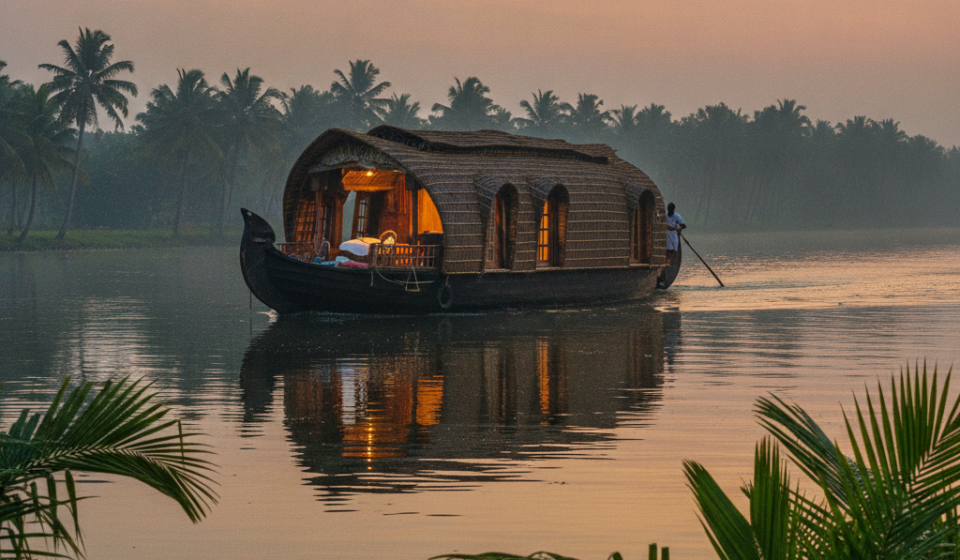
The western coast features the famous brackish lagoons and palm-fringed shorelines of Kerala. This region is a crucial component of any coastal-focused south india travel plan. The pace here is inherently slower, focused primarily on wellness treatments and houseboat cruises. Contrastingly, the eastern coast offers a different experience:
- The Eastern Coast (Tamil Nadu): Rugged coastline bordering the Bay of Bengal, featuring the former French colony of Pondicherry and historic port towns.
- The Western Coast (Kerala): Calm backwaters, rich marine life, and tranquil coconut groves.
- Cross-Peninsula Transit: Connecting these two coasts requires traversing the mountain ranges, making it one of the most time-consuming transit legs.
The Western Ghats and Hill Stations
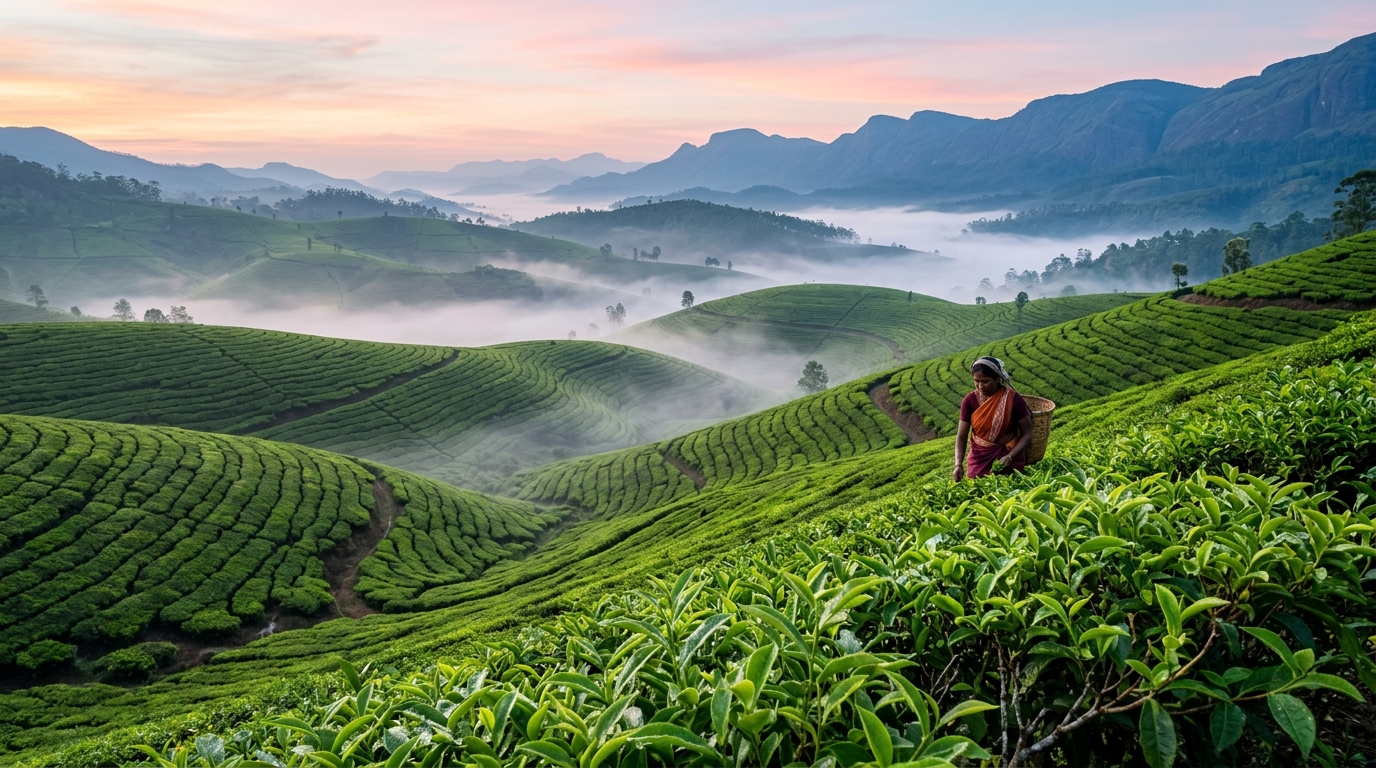
An elevated south india travel plan must allocate sufficient days for the Western Ghats. This mountain range runs parallel to the western coast, home to lush tea estates and wildlife sanctuaries. High-altitude towns like Munnar, Ooty, and Coorg offer a cooler climate. However, navigating this terrain requires careful planning due to specific driving challenges:
- Winding Ghat Roads: Hairpin bends mean a short distance of 50 miles can easily take up to three hours to drive.
- Weather Variations: Sudden fog and mist can dramatically reduce visibility on high-altitude passes.
- Restricted Timing: Some forest checkpoints and mountain roads close to traffic after sunset.
The Heritage and Temple Heartland
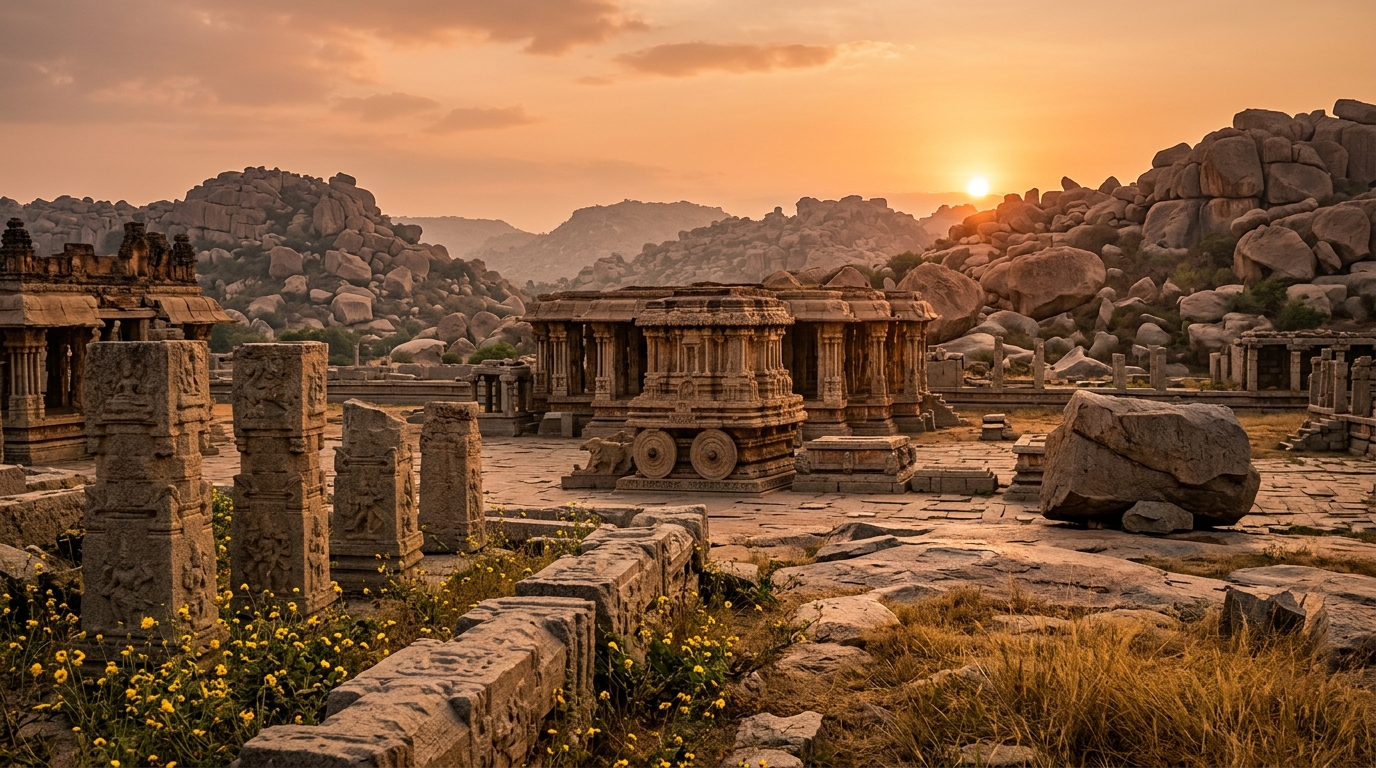
The dry plains of Tamil Nadu and the Deccan Plateau of Karnataka form the architectural heartland. These areas should occupy a central position in a heritage-oriented south india travel plan. Here, massive temple complexes built by the Chola, Pallava, and Vijayanagara empires dominate the regional environment. The cities of Madurai, Tanjore, and the ruins of Hampi require active exploration on foot. This demands physical stamina and careful hydration. Many of these heritage structures are managed under the Archaeological Survey of India (ASI).
Choosing the Right Duration for a South India Travel Plan
Determining the duration of a trip is the primary decision that shapes the entire logistics chain. Its basically the foundation of your travel pacing. While a brief visit covers a single state, a multi-state journey requires a realistic time commitment. Selecting the appropriate length ensures the experience remains highly enjoyable.
The 7-Day Express Itinerary
An express south india travel plan is best restricted to a single state or a highly localized circuit. Attempting to combine multiple states in one week usually results in spending more time in transit than actually exploring. A classic seven-day option is a focused Kerala circuit. This route usually begins in Cochin, moves to the tea gardens of Munnar, and concludes with a houseboat stay in Alleppey. Another excellent option is a historic tour of Karnataka, covering Bangalore and Mysore, which offers an excellent balance of modern urban life and royal heritage.
The 14-Day Comprehensive Circuit
A bi-weekly south india travel plan allows for a highly satisfying multi-state journey. This duration is sufficient to bridge the cultural differences between the western and eastern parts of the peninsula. A popular route is the classic trans-peninsular circuit. It starts in Bangalore, descends into the royal town of Mysore, continues through the hills of Coorg, and moves into northern Kerala. Alternatively, travelers can design a southern heritage loop that connects Chennai, Pondicherry, Tanjore, Madurai, and Munnar, ending in Cochin. This route provides a comprehensive south india itinerary that covers both Dravidian architecture and coastal geography.
The 21-Day Deep Exploration
For a thorough exploration, a three-week south india travel plan offers the ultimate flexibility. It allows travelers to integrate lesser-known destinations without feeling rushed. This extended timeline easily accommodates a comprehensive tour that spans Tamil Nadu, Kerala, and Karnataka. Travelers can spend multiple nights in each location, which is crucial for experiencing the local culture. It also permits the inclusion of remote sites such as the ancient ruins of Hampi or the pristine beaches of Gokarna, creating a highly diverse and rewarding south india itinerary.
| Itinerary Duration | Primary Focus | Key Destinations Included | Transit Complexity |
|---|---|---|---|
| 7 Days | Single-State Highlights | Cochin, Munnar, Alleppey, Cochin | Low (Short driving distances) |
| 14 Days | Trans-Peninsular Heritage | Bangalore, Mysore, Coorg, Wayanad, Cochin | Moderate (Combination of road and rail) |
| 21 Days | Grand South Indian Loop | Chennai, Pondicherry, Tanjore, Madurai, Munnar, Alleppey, Cochin | High (Requires private driver or flights) |
Seasonality and the Best Time to Visit
Factoring in weather patterns is crucial when finalizing a south india travel plan. The peninsula experiences distinct seasons that dramatically alter the travel experience, accessibility of mountain roads, and temple festivals. Understanding these patterns helps in selecting the ideal clothing and packing essentials.
| Season & Months | Ideal Regions to Visit | Key Highlights | Packing & Prep Tips |
|---|---|---|---|
| Winter (Oct – Mar) | All regions (Kerala backwaters, Tamil Nadu temple plains, Karnataka ruins) | Pleasant weather, temple festivals, outdoor exploration | Light cottons, light pullover for hill stations, advance bookings are mandatory |
| Monsoon (Jun – Sep) | Kerala hills, Western Ghats, waterfalls of Karnataka | Lush green landscapes, active waterfalls, peak season for Ayurveda | Umbrellas, waterproof gear, insect repellent, flexible road schedules |
| Summer (Apr – May) | Ooty, Munnar, Coorg, Kodaikanal (Hill stations) | Cool mountain air, escape from scorching lowlands | Sunscreen, wide-brimmed hats, breathable linen, booking hill resorts early |
Winter (October to March): Peak Exploration Window
This window is the absolute peak season for any south india travel plan. Temperatures are moderate, and the humidity along the coasts is relatively low. The hill stations are pleasantly cool, and the backwaters enjoy clear skies. It is also the period for major temple festivals in Tamil Nadu. However, travelers should anticipate higher accommodation rates and crowded tourist spots. Booking hotels and train tickets at least three months in advance is highly recommended to secure the best rates.
Monsoon (June to September): The Ayurvedic and Green Season
Integrating monsoon destinations into a south india travel plan requires a specific mindset. The region receives heavy rainfall from the southwest monsoon. Kerala, for instance, receives an average annual rainfall of roughly 3,000 millimeters as reported by the India Meteorological Department in its regional climate summaries. While this period is not ideal for beach activities, it is considered the best time for traditional Ayurvedic treatments. The hills are exceptionally green, and waterfalls are at their peak flow.
Summer (April to May): High-Altitude Escapes
A summer-focused south india travel plan should emphasize high-altitude destinations. The plains of Tamil Nadu and Karnataka experience intense heat during these months, with temperatures often exceeding 100 degrees Fahrenheit. Consequently, coastal cities can feel uncomfortably humid. The best strategy is to retreat to the cooler altitudes of the Western Ghats. Towns like Ooty, Kodaikanal, and Coorg offer a refreshing escape, with daily temperatures hovering around a comfortable 70 degrees.
Essential Destinations to Include in Your Itinerary
Selecting the right combination of states is the core of organizing your trip. Identifying the top places to visit in south india helps narrow down options, as each state possesses its own distinct identity, culinary heritage, and historical monuments that are essential pillars of any versatile south india travel plan.
Kerala: Backwaters, Houseboats, and Wellness
Including a Kerala tour package in your south india travel plan ensures a perfect balance of nature and relaxation. The state is renowned for backwater networks, where traditional kettuvallams (wooden houseboats) offer overnight cruises. Beyond the water, the historic town of Fort Cochin showcases a unique blend of Portuguese, Dutch, and British architecture. For wildlife enthusiasts, the Periyar National Park in Thekkady provides opportunities to spot wild elephants and rare bird species in their natural habitat.
Tamil Nadu: Architectural Marvels and Ancient Dynasties
Adding Tamil Nadu to a south india travel plan provides unparalleled exposure to ancient Dravidian culture. The state is home to massive, active temple complexes featuring towering gopurams (gateway towers) covered in thousands of colorful stucco figures. The shore temples of Mahabalipuram, carved directly out of coastal granite, date back to the seventh century. According to statistics published by the Ministry of Tourism, Tamil Nadu attracts some of the highest volumes of cultural tourists in India due to its exceptionally preserved heritage.
Karnataka: Palaces, Coffee Estates, and Tech Hubs
For coffee lovers, incorporating a visit to Coorg into the south india travel plan is highly rewarding. Karnataka offers experiences spanning the modern metropolis of Bangalore and the opulent palaces of Mysore. The state also boasts impressive historic sites, such as the stone temples of Belur and Halebidu, and the ruins of the Vijayanagara Empire at Hampi. For nature lovers, the forests of Kabini and Nagarhole offer some of the best tiger sighting opportunities in the country.
Pondicherry and the French Coastal Influence
A coastal south india travel plan is incomplete without a stop in Pondicherry. This town preserves its French colonial legacy in the quiet streets of the French Quarter (Ville Blanche). Here, mustard-colored colonial villas with bougainvillea-draped balconies stand alongside traditional Tamil houses. It is an ideal destination for travelers seeking a slower pace, artisanal cafes, and coastal walks. The nearby experimental township of Auroville also draws those interested in alternative living and spiritual reflection.
Logistics, Transport, and Practical Travel Advice
Managing logistics is a critical phase of executing a south india travel plan. The regional transportation network is extensive, but organizing it requires a clear understanding of local infrastructure and booking systems.
Managing Transit: Trains, Flights, and Private Drivers
An efficient south india travel plan relies on selecting the right mode of transport for each leg. For long distances, domestic flights connect major cities like Chennai, Bangalore, and Cochin. However, for a more authentic experience, the Indian Railways network is highly recommended. When utilizing rail transport, several critical steps ensure a comfortable journey:
- Select AC classes: Booking 2AC or 3AC classes ensures a regulated climate and reserved sleeping berths.
- Utilize official platforms: Secure reservations through authorized ticketing channels well before the departure date.
- Verify station codes: Confirm exact departure and arrival station names, since large municipal hubs (which often operate multiple transit terminals) can confuse travelers.
For maximum flexibility in rural areas or hill stations, hiring a private car with a professional driver remains the most practical and comfortable option.
Cultural Etiquette and Temple Dress Codes
A respectful south india travel plan acknowledges local customs, particularly when visiting active religious sites. Most temples require visitors to remove their shoes before entering the premises. Both men and women should dress conservatively, ensuring shoulders and knees are fully covered. Some traditional temples in Kerala enforce a strict dress code where men must wear a mundu (traditional sarong) and remain shirtless, while women must wear sarees or traditional suits. Always look for signage or consult your local guide before entering.
Culinary Diversity: What to Expect
A food-focused south india travel plan reveals a rich array of flavors quite distinct from northern Indian cuisine. The staple here is rice, accompanied by coconut-based gravies, lentils, and fresh seafood along the coast. Traditional meals are often served on a fresh banana leaf, which is both environmentally friendly and culturally significant. From the fiery spices of Chettinad cuisine in Tamil Nadu to the subtle, aromatic coconut-infused dishes of Kerala, the regional culinary traditions are incredibly diverse and form a highlight of any trip.
FAQs
What is the ideal budget for a 10-day South India tour?
When estimating expenses for a south india travel plan, costs vary depending on the level of comfort. Roughly speaking, a mid-range budget of $70 to $100 per day covers comfortable heritage hotels, private car transit, and dining at local restaurants. Luxury travelers opting for premium resorts and five-star properties should budget upwards of $250 per day. Backpackers can manage on $25 to $40 per day by utilizing budget guesthouses and public trains.
Is it safe for solo female travelers in South India?
South India is generally considered one of the safest regions in India for solo female travelers. Both Kerala and Tamil Nadu maintain high literacy rates and welcoming attitudes. Critics say solo travel in India is inherently risky. They are not entirely wrong (since occasional challenges do occur) but their concerns often overlook the high level of safety and hospitality found in the south. But still, basic safety precautions should always be practiced. Travelers should avoid late-night solo transits, utilize authorized pre-paid taxis, and choose well-reviewed accommodations.
Which is better for a first-time visitor: Kerala or Tamil Nadu?
The choice depends largely on travel preferences. Kerala is ideal for those seeking a relaxed, nature-centric vacation focused on backwaters, beaches, and wellness. It offers a softer introduction to India. Tamil Nadu, on the other hand, is a paradise for history and architecture enthusiasts who want to explore massive, active temple towns and deep cultural traditions. A balanced south india travel plan often combines both states to provide a complete peninsular experience.