

South India has always stood as a quiet counterweight to the frantic pace of the northern plains. While northern routes often dominate first-time tourist literature, the southern peninsula offers an entirely different tempo of life. A well-constructed south india travel plan is not merely about ticking boxes on a map. It is about understanding how distinct geographies, ancient dynasties, and coastal trade routes have shaped a region that feels like several countries woven into one. Achieving the perfect balance between the misty hills of the Western Ghats and the sun-bleached shores of the Malabar Coast requires deliberate planning.
The region encompasses five major states, each possessing its own language, culinary traditions, and architectural style. To experience this complexity, travelers must rely on a structured approach. An effective south india travel plan acts as a blueprint, organizing transit and managing expectations regarding travel times. Whether the goal is to examine monumental temple entrance towers or to drift through tranquil backwaters, having a systematic south india travel plan ensures that no critical experience is overlooked. This guide delivers a comprehensive strategy for organizing such an expedition, focusing on logistics and curated routes.
- Optimal Timing: Plan your trip between November and February for the most pleasant weather across the plains.
- Ideal Duration: A standard 10 to 14-day itinerary allows you to explore multiple states without rushing.
- Thematic Focus: Select a specific theme (Heritage, Nature, or Coastlines) to avoid over-scheduling and transit fatigue.
- Transport Strategy: Combine private hire vehicles for hilly terrains with trains or domestic flights for longer inter-state transits.
- Cultural Awareness: Respect local customs by dressing modestly when entering historical temple sites.
Crucial Factors When Crafting a South India Travel Plan
Designing an efficient travel route across the southern peninsula requires evaluating several vital components:
- Geographic Scale: Understanding the vast distances between key cities prevents exhausting transit times.
- Transit Infrastructure: Choosing between rail, road, and domestic flights shapes the daily pace of the trip.
- Regional Microclimates: Planning around localized monsoon patterns ensures favorable weather throughout the journey.
Establishing a cohesive South India itinerary requires matching geographic expectations with logistical realities. A successful south india travel plan must balance active exploration with rest to maximize enjoyment and minimize transit friction. Neglecting these variables often leads to exhausting journeys spent on winding mountain roads or stuck in urban traffic. By assessing key parameters before booking, one can create an itinerary that maximizes enjoyment and minimizes transit friction.
Best Time to Visit
Timing is arguably the single most important factor when finalizing a south india travel plan. Determining the best time to visit South India depends largely on the specific state and elevation. Generally speaking, the winter months from November to February offer the most pleasant climate. Temperatures during this window remain moderate, hovering between 20 and 32 degrees Celsius (depending on the source of meteorological records). This period is ideal for temple hopping in Tamil Nadu or exploring coastal Karnataka.
In contrast, the summer season from March to May brings intense humidity and temperatures that frequently exceed 40 degrees Celsius in the plains. This is when hill stations like Ooty or Munnar become essential additions to any south india travel plan. The monsoon season, which spans from June to September, brings heavy rainfall across the Western Ghats. While this makes the backwaters of Kerala incredibly lush and beautiful, it can disrupt local transport networks and halt beach activities temporarily. Travelers seeking a quieter, more economical journey often target the shoulder months of October and March, when tourist crowds are thin but the weather remains manageable.
Ideal Trip Duration
Determining how long to spend in the region depends on the depth of experience desired. A hurried south india travel plan can cover a single state in roughly seven days. But still, to appreciate the distinct cultural shifts between states, 10 to 14 days is highly recommended. The vast distances between major hubs mean that transit can consume a significant portion of the day, with road travel to elevated tea plantations of Munnar often taking five to six hours, despite the relatively short physical distance on a map.
Those with only a week should focus on a concentrated circuit, such as Bangalore, Mysore, and Coorg. Attempting to see too much in a brief timeframe is a mistake that turns a vacation into a relentless series of hotel check-ins. A longer, 15-day south india travel plan permits a multi-state route that transitions from ancient ruins to serene beaches, ending in the misty hill stations.
Choosing Your Theme: Heritage, Nature, or Coastlines
A successful south india travel plan must have a clear thematic focus. The region is too diverse to experience everything in a single journey. Travelers should decide whether their interest lies in architecture, wilderness, or beaches.
- Heritage Enthusiasts (Tamil Nadu): Focus on UNESCO-listed Dravidian temples in places like Mamallapuram and Madurai, featuring towering gopurams and detailed stone carvings.
- Nature Lovers (Western Ghats): Head toward Coorg, Wayanad, and Munnar—global biodiversity hotspots home to sprawling tea/coffee plantations, elephants, and rare bird species.
- Coastal Seekers (Malabar & Coromandel): Prioritize serene beach destinations and quiet backwaters in Kerala (west coast) or historical European quarters like Pondicherry (east coast). Selecting a theme prevents itinerary bloat.
The Ultimate 10-Day South India Itinerary
This curated 10-day route is designed to provide a balanced overview of the region’s diverse offerings. The following 10-day South India itinerary provides a structured template that transitions from urban sophistication to royal history, deep into the misty hills, and finally to the tranquil coastal backwaters. This specific south india travel plan is ideal for first-time visitors who want to experience the core highlights without spending their entire vacation in transit. It covers Karnataka and Kerala, utilizing a mix of private vehicles, trains, and flights to ensure maximum comfort and efficiency.
Days 1-3: Cultural Heritage in Bangalore and Mysore
The journey begins in Bengaluru, the tech capital. But still, beneath modern glass facades lies a city rich in colonial history and green spaces. Spending the first day here allows travelers to adjust. Key sites include Bangalore Palace and Lalbagh Botanical Garden, providing an excellent introduction to the modern pace of the region.
On day two, the route moves to historic Mysuru (Mysore), which is a crucial component of any Bangalore and Mysore sequence. The drive takes three to four hours. Mysore is famous for its royal heritage and traditional markets. When compiling a list of places to visit in South India, Mysore consistently ranks near the top due to its architectural grandeur. Incorporating these locations into the south india travel plan provides a deep look into the Wodeyar dynasty. Essential highlights include:
- Mysore Palace: The majestic main attraction, which features a spectacular blend of Hindu, Islamic, and Gothic architectural styles.
- Chamundi Hill: A scenic drive to view the monolithic Nandi statue and panoramic city views.
- Devaraja Market: A morning visit to this vibrant bazaar is a sensory experience filled with fresh marigolds, colorful spices, and fragrant sandalwood soap, setting a cultural tone for the rest of the journey.
Days 4-6: Misty Highlands of Coorg and Wayanad
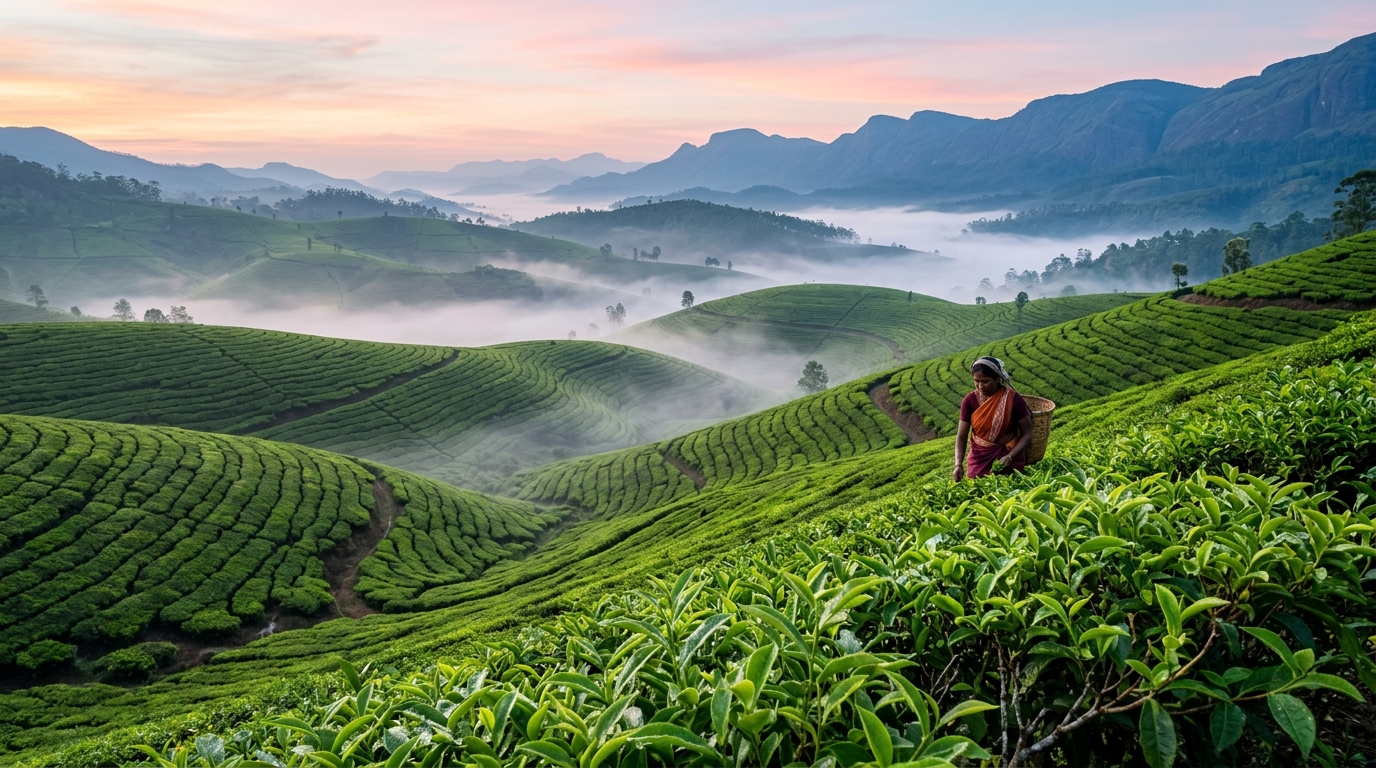
From the royal plains of Mysore, the south india travel plan ascends into the Western Ghats. The next destination is Coorg, a region famous for coffee plantations and misty landscapes. The drive takes roughly three hours. Coorg is often referred to as the Scotland of India due to its rolling hills, cool climate, and endless fields of fine coffee plantations, making it ideal for plantation walks and cultural interactions.
While in Coorg, travelers can visit the Dubare Elephant Camp to observe conservation efforts. Another key site is the Namdroling Monastery in Bylakuppe, one of India’s largest Tibetan settlements. The towering golden Buddha statues present a striking contrast to the surrounding forests. Including Coorg in your south india travel plan offers a perfect transition from heritage to nature.
On day six, the route crosses into Wayanad, located in northern Kerala. Wayanad features dramatic peaks, ancient caves, and spice gardens. Travelers can trek to the Edakkal Caves to view petroglyphs dating back roughly 8,000 years, highlighting the deep antiquity of the southern peninsula. Wayanad provides a green sanctuary before heading down to the coast.
Days 7-10: Serene Backwaters and Beaches of Kerala
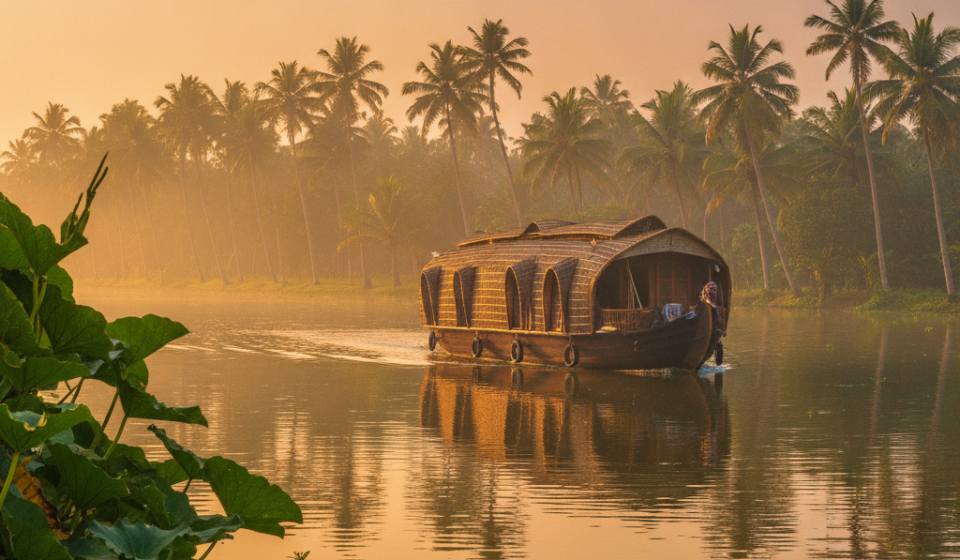
The final leg of this 10-day itinerary moves toward the coastal landscapes of Kerala. From Wayanad, travelers can journey to Alappuzha (Alleppey), the capital of the backwater network. Experiencing a houseboat cruise through these quiet canals is a non-negotiable part of any authentic south india travel plan, utilizing converted traditional rice barges that serve as fully equipped floating luxury suites.
Drifting through backwaters allows travelers to observe local village life and coconut groves at a meditative pace. After an overnight stay on the water, the south india travel plan directs travelers to Kochi. This historic port city has welcomed Chinese, Dutch, and Portuguese merchants over the centuries, leaving a visible impact on the architecture of Fort Kochi.
Key highlights in Kochi include the iconic Chinese Fishing Nets and the historic Jewish Synagogue in Jew Town. In the evening, attending a classical Kathakali dance-drama is highly recommended to observe its elaborate makeup and precise facial expressions. From Kochi, travelers can easily board flights home, concluding a diverse and rewarding journey.
Alternative Regional Routes for Customized Trips
For those seeking specific regional interests, alternative routes offer a focused experience. The peninsula is vast, and a single south india travel plan cannot easily combine the east and west coasts without flights. While there are countless places to visit in South India, focusing on a single coastline or cultural belt prevents exhaustion. By focusing on a specific corridor and adjusting a South India itinerary, travelers can delve deeper into local subcultures, culinary practices, and landscapes that standard itineraries often skip.
The Coastal Trail: Goa to Gokarna and Pondicherry
For beach enthusiasts seeking tranquility, a coastal-themed south india travel plan is highly appealing. This route starts on the southern shores of Goa and moves into coastal Karnataka. The primary destination is Gokarna, offering a serene alternative to bustling resorts. Gokarna is famous for rugged cliffs, sacred temples, and pristine shores like Om Beach, presenting a slower, spiritually grounded pace of coastal life.
From the west coast, travelers can cross to the east to visit Pondicherry. This former French colony features a distinct European charm, visible in the mustard-colored villas and chic cafes of the French Quarter. Pondicherry is also home to Auroville, an experimental township dedicated to human unity. This trail is a wonderful addition to a custom south india travel plan.
The Temple and Heritage Circuit of Tamil Nadu
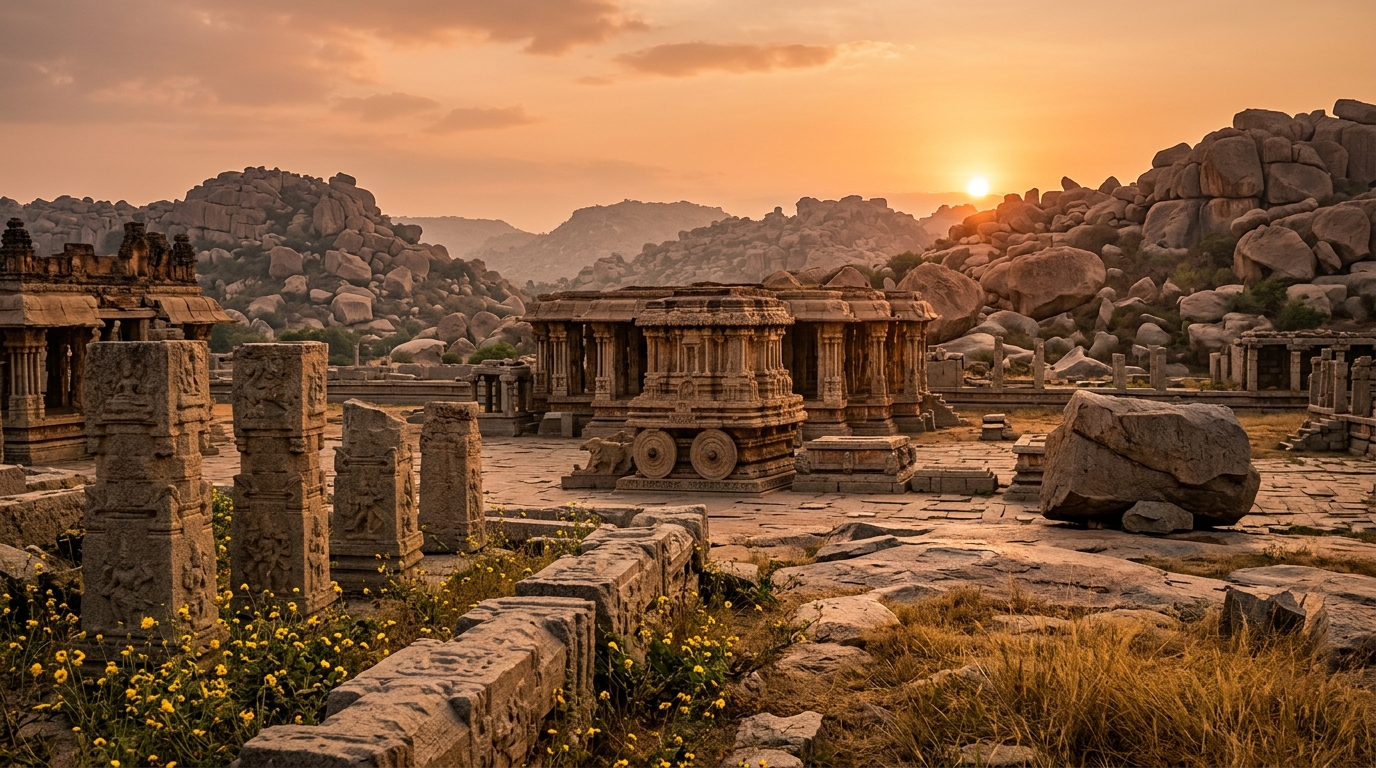
History enthusiasts should focus their south india travel plan entirely on Tamil Nadu, home to some of the oldest active temples. The circuit begins in Chennai and moves south to Mamallapuram (Mahabalipuram), a coastal town famous for its 7th-century rock-cut monuments and the iconic Shore Temple, representing the pinnacle of early Pallava artistic expression.
Further south lies Madurai, one of the oldest continuously inhabited cities. Its focal point is the Meenakshi Amman Temple, a massive complex famous for fourteen colorful towers covered in thousands of painted stone figures. Exploring these towns requires a dedicated south india travel plan that allows ample time to appreciate the complex rituals and craftsmanship of Dravidian heritage.
Comparing South India Destinations: At a Glance
To help organize a customized south india travel plan, it is useful to compare different destinations based on their primary appeal, ideal duration, and best travel seasons. Understanding the best time to visit South India is crucial when selecting which destinations to feature in the comparison matrix. The table below provides a structured overview of key regional hubs, allowing travelers to select destinations that align with their personal interests and logistical preferences.
| Destination | Primary Appeal | Ideal Duration | Best Season |
|---|---|---|---|
| Kerala Backwaters | Houseboat cruises, tranquil village canals, oasis scenery | 2 Nights | October to March |
| Coorg Highlands | Coffee plantation stays, trekking, cool climate, misty landscapes | 3 Nights | November to May |
| Tamil Nadu Temples | Ancient Dravidian stone architecture, UNESCO heritage, rich history | 4 Nights | November to February |
| Gokarna Coast | Prone cliffs, peaceful beaches, spiritual sites, relaxed atmosphere | 2 Nights | October to March |
| Pondicherry French Quarter | Colonial architecture, French-Indian culinary fusion, spiritual towns | 2 Nights | October to March |
Practical Travel Tips for an Effortless Journey
An enjoyable journey through the southern states depends on practical preparation. A well-prepared south india travel plan must account for local transport variations, dietary options, and cultural expectations. Being aware of these elements beforehand prevents common frustrations and ensures a smooth, authentic experience.
Local Transport and Connectivity
Efficient transit is the backbone of any successful south india travel plan. For short distances within cities, auto-rickshaws are highly convenient. For travel between cities, hiring a private vehicle with a driver remains the most comfortable option, especially in mountainous areas of the Western Ghats where roads can be narrow.
For longer distances, the Indian Railways network offers an efficient and culturally immersive experience. Booking air-conditioned sleeper classes well in advance is essential, as tickets sell out quickly. Additionally, domestic airlines connect all major cities, allowing travelers to save time when transitioning between distant segments of their south india travel plan.
| Transit Mode | Best Used For | Key Advantages | Important Considerations |
|---|---|---|---|
| Private Driver / Taxi | Short inter-city transfers and navigating winding hill stations (e.g., Coorg, Munnar) | Highly flexible schedules, door-to-door comfort, and reliable navigation. | Generally more expensive than public options; subject to local road conditions. |
| Indian Railways (Train) | Long-distance travel between major cities and coastal hubs | Economical, highly scenic routes, and a deep cultural experience. | Tickets must be booked weeks in advance; AC classes sell out quickly. |
| Domestic Flights | Connecting distant regions or crossing between the East and West coasts | Massively reduces transit times for non-contiguous destinations. | Higher luggage restrictions and extra airport transfer times. |
Cultural Etiquette and Temple Dress Codes
Respecting local traditions is vital when implementing your south india travel plan. When visiting active Hindu temples, several guidelines apply:
- Dress Modestly: Both men and women must wear clothing that covers their shoulders and knees.
- Observe Temple Regimen: In traditional sanctuaries, men may be required to wear a sarong and remove their shirts.
- Remove Footwear: Always leave shoes at the designated storage areas before stepping onto sacred ground.
It is also customary to ask for permission before photographing worshippers. Additionally, trying traditional meals served on banana leaves is an essential experience, customarily eaten using the right hand.
Conclusion
Crafting the perfect south india travel plan is an exercise in balance. The region offers an incredible variety of experiences, from modern urban corridors to ancient stone carvings and peaceful, water-bound landscapes. Attempting to rush through these diverse sights only dilutes their charm. Selecting a focused route that honors the geography and rich history yields a deeply rewarding travel experience.
For those ready to explore the southern peninsula, professional planning services can simplify logistics and guarantee high-quality stays. Whether the goal is to embark on a backwater cruise or explore the misty heights of the Western Ghats, taking the time to design a thorough south india travel plan is the first step. With careful preparation, this journey will leave a lasting impression.