
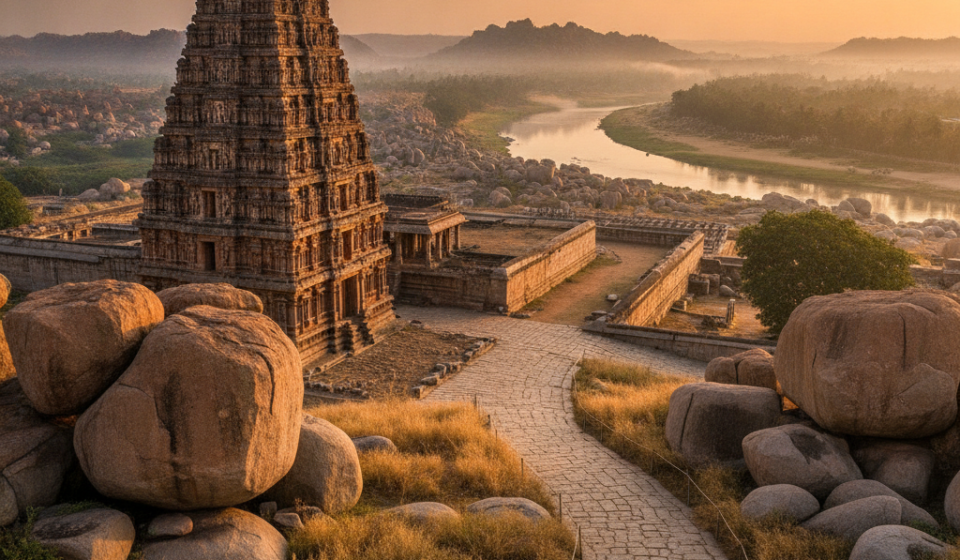

The mist-laden Western Ghats (a region of breathtaking biodiversity), ancient coastal temples, and emerald backwaters define the southern peninsula of India. Exploring this vast region requires a structured approach. The sheer diversity of terrains can easily overwhelm first-time visitors. Crafting a comprehensive South India travel plan is essential. This balances historic grandeur with the serene luxury of coastal retreats. This guide provides a strategic roadmap, structural cost analysis, and local insights. These tools transform a complex journey into a seamless expedition.
Key Takeaways for Your South India Travel Plan
- Best Season: The dry winter window of October to March offers the most comfortable sightseeing weather.
- Itinerary Strategy: Do not try to cover all five southern states in one go; choose a focused regional loop instead.
- Daily Budgeting: A standard mid-range itinerary averages ₹3,500 to ₹7,500 per day for comfort and private transit.
- Advance Booking: Train ticket reservations for premium classes should be secured 60 to 90 days in advance.
- Cultural Etiquette: Dress respectfully, cover shoulders and knees, and remove footwear when visiting temples.
Strategic Framework for a South India Travel Plan
To build a successful travel strategy, one must first understand the distinct offerings of each southern state:
- Karnataka: Represents a bustling hub of historical architecture, ancient ruins, and misty coffee plantations.
- Kerala: Offers peaceful, palm-fringed backwaters and world-class Ayurvedic wellness centers.
- Tamil Nadu: Remains the spiritual heartland of the south, defined by its massive, active Dravidian stone temples.
Logistically, the southern peninsula covers over 600,000 square kilometers. Managing this vast area in a single trip is physically demanding. Instead, travelers should divide the region into three distinct travel sectors:
- The Southwestern Sector: Covers the mist-laden peaks of the Western Ghats and Kerala’s tropical coast.
- The Southeastern Sector: Highlights the temple-rich and historic coastlines of Tamil Nadu.
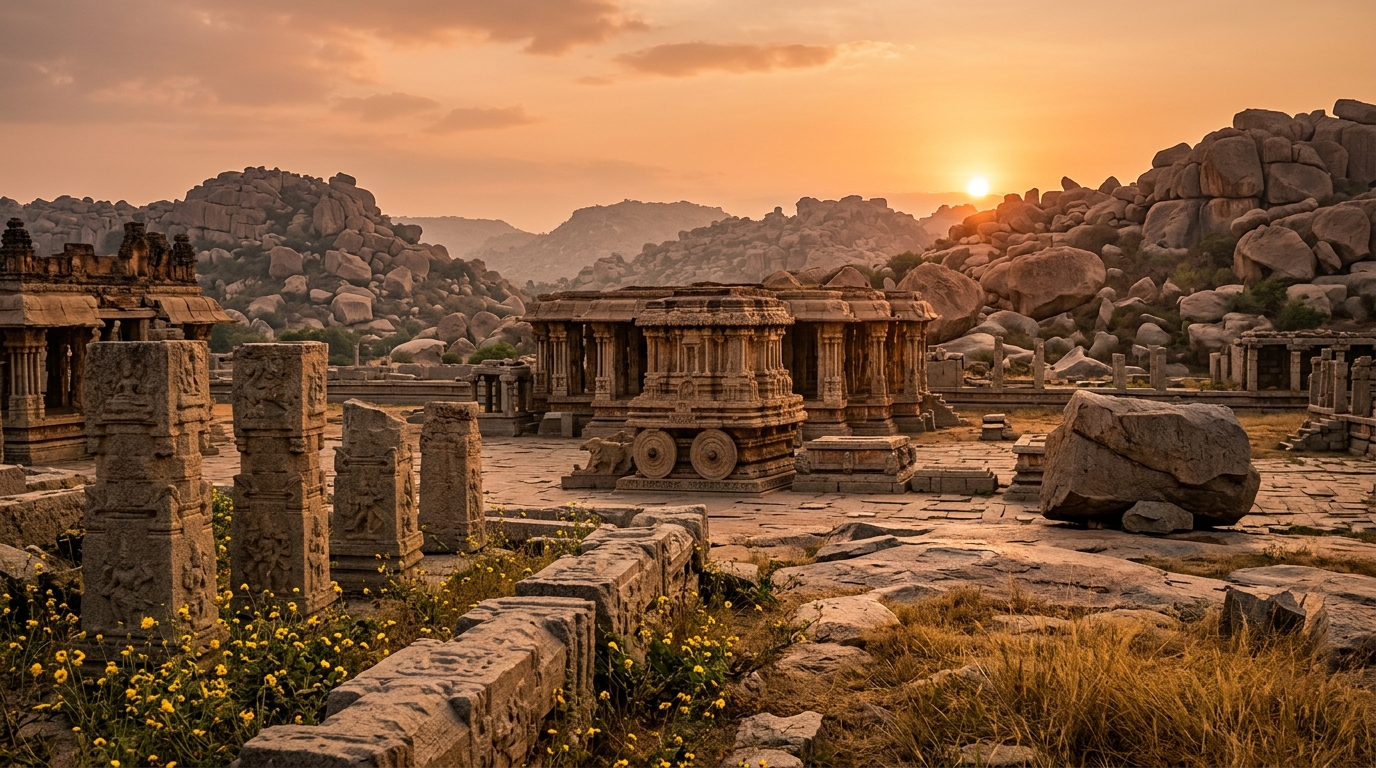
- The Central Deccan Plateau: Offers dramatic, boulder-strewn landscapes and ancient empires like Hampi.
When organizing your thoughts, building a realistic South India travel plan involves choosing between a deep dive into one state or a multi-state loop. Trying to cover all five states in a single visit is a common error that leads to transit fatigue.
A successful strategy divides the region into logical corridors to streamline travel times:
- The Western Corridor: Focuses on coastal vistas, serene beaches, and rich spice plantations.
- The Eastern Corridor: Highlights colonial history, French quarters, and monumental stone temples.
Identifying your travel preferences before booking ensures that this structural foundation secures the success of your South India travel plan.
The primary regional highlights can be categorized to simplify your decision-making:
- Karnataka: Known for the ruins of Hampi, the grand palaces of Mysore, and the wilderness of Kabini.
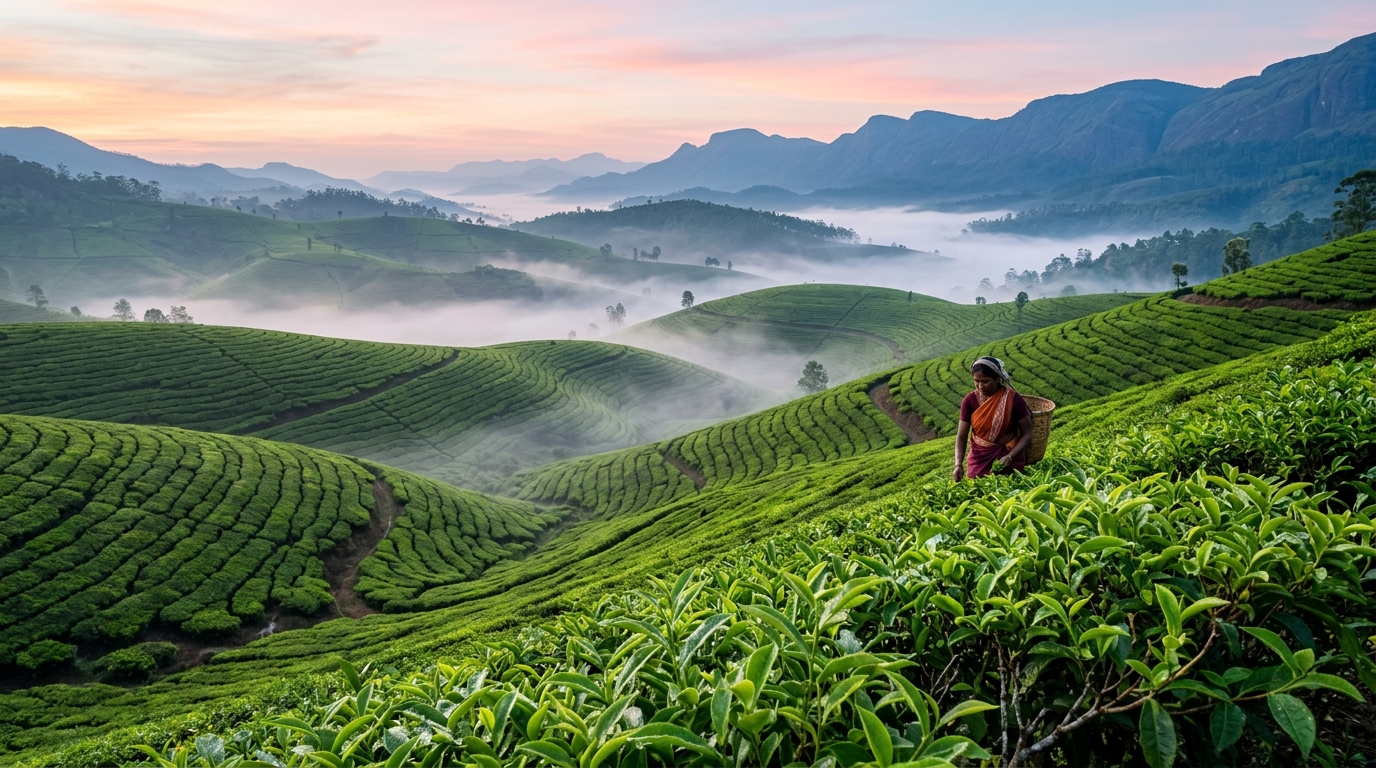
- Kerala: Famous for the silent backwaters of Alappuzha and the tea estates of Munnar.
- Tamil Nadu: Home to UNESCO heritage temples in Thanjavur and the Nilgiri hills of Ooty.
- Andhra Pradesh and Telangana: Defined by the architectural wonders of Hyderabad and the sacred hills of Tirupati.
These distinctions prove a single journey cannot capture the full southern spectrum. Travelers must respect the scale of the peninsula. Distances are vast, and regional rail networks require strategic booking months in advance.
The Best Time to Visit South India
When outlining a South India travel plan, weather is critical. The southern peninsula experiences a tropical climate with distinct monsoon seasons that vary by state. Understanding the best time to visit South India is vital to avoid extreme humidity and heavy downpours.
Generally, the winter period from October to March offers the most favorable weather, though not without exceptions. During these months, daytime temperatures remain moderate, ranging between 22 and 30 degrees Celsius. This climate is ideal for exploring heritage monuments and national parks.
For any standard South India travel plan, the winter months represent the peak tourism season. Consequently, hotel rates and transport costs rise during this window.
Aligning travel dates with cultural festivals can enrich your experience. Events like Pongal in Tamil Nadu (January) or Onam in Kerala (August or September) showcase traditional art, music, and local culinary specialties. While these celebrations draw massive crowds and elevate booking costs, they provide exceptional experiential value.
Let us examine the seasonal shifts across the region to help you plan:
- The Dry Winter (October to March): This is the prime window for sightseeing. Clear skies and cool breezes prevail across both coasts, making it perfect for beach activities and wildlife safaris.
- The Scorching Summer (April to June): Temperatures in the interior plains can exceed 40 degrees Celsius. However, hill stations like Ooty and Munnar provide a cool escape.
- The Monsoons (July to September): The monsoon hits Kerala first, bringing heavy rain. While this period is less suitable for general sightseeing, it is highly recommended for traditional Ayurvedic therapies.
The following seasonal matrix summarizes the optimal travel windows:
| Season | Months | Average Temperature | Best Suited Regions |
|---|---|---|---|
| Peak Winter | October – March | 20°C – 30°C | Coastal Kerala, Tamil Nadu temples, Karnataka ruins |
| Hot Summer | April – June | 32°C – 42°C | Hill stations of Western Ghats (Munnar, Coorg, Ooty) |
| Wet Monsoon | July – September | 25°C – 32°C | Kerala (for wellness retreats), scenic Western Ghats road trips |
This table clearly demonstrates that while the dry season is ideal for general tourism, alternative seasons offer distinct benefits.
Crafting Your Route: Multi-State South India Itinerary Options
An effective South India travel plan must account for geographical distances. Selecting a well-structured South India itinerary ensures that transit days do not overshadow your actual exploration. Depending on your time constraints, you can choose between a focused regional route or a broader multi-state circuit. This makes it a highly customizable South India travel plan.
Travelers typically land in transit hubs like Chennai, Bangalore, or Kochi. But still, the slower overland routes offer a deeper charm.
To help you decide which route fits your timeline, look at this comparison of the two primary multi-state routes:
| Itinerary Option | Duration | Focus Highlights | Pace & Style |
|---|---|---|---|
| Classic Kerala & Tamil Nadu | 10 Days | Tea plantations, historical temples, backwaters | Moderate (Vibrant Culture + Nature) |
| Heritage & Coastal Karnataka | 14 Days | UNESCO Hampi ruins, palaces, beaches | Leisurely (History + Relaxation) |
The 10-Day Classic Kerala and Tamil Nadu Route
For a scenic South India travel plan, this combination is unmatched. This South India itinerary blends the green hills of Kerala with the majestic temple heritage of Tamil Nadu. This route remains a cornerstone of a well-rounded South India travel plan.
The journey starts in Kochi. From here, the road ascends into the Munnar tea estates, situated at an altitude of 1600 meters.
The route then crosses into Tamil Nadu. Here, Madurai greets travelers with the iconic Meenakshi Amman Temple. The final legs of the trip take you through the backwaters of Alappuzha before ending in Fort Kochi.
Here is a structured day-by-day outline for this 10-day route:
- Days 1-2: Kochi Arrival. Explore Fort Kochi and the Chinese fishing nets.
- Days 3-4: Munnar. Travel to the high-altitude tea plantations and visit Eravikulam National Park.
- Day 5: Thekkady. Experience the spice plantations and spot wild elephants on Periyar Lake.
- Days 6-7: Madurai. Visit the historic Meenakshi Amman Temple and witness the evening rituals.
- Days 8-9: Alappuzha. Board a traditional houseboat for an overnight cruise along the palm-fringed backwaters.
- Day 10: Kochi Departure. Return to the airport for your onward journey.
This route covers approximately 650 kilometers of diverse terrain, showcasing the striking contrast between the quiet waters of the west and the vibrant temple cultures of the east.
The 14-Day Heritage and Coastal Karnataka Circuit
Focusing on the western coast and central plateau creates a more historic South India travel plan. It is designed for travelers who appreciate architecture and beaches. Integrating heritage sites into your South India travel plan ensures a deep understanding of India’s medieval history.
The circuit begins in Bangalore. From here, you travel to Mysore, the city of palaces, before climbing into the misty hills of Coorg.
The route then heads north to the spectacular temple ruins of Hampi, a UNESCO World Heritage site that served as the capital of the Vijayanagara Empire. Finally, the journey concludes on the pristine beaches of Gokarna.
Here is the recommended schedule for this 14-day loop:
- Days 1-2: Bangalore. Explore the botanical gardens of Lalbagh and Bangalore Palace.
- Days 3-4: Mysore. Visit the opulent Mysore Palace and Chamundi Hills.
- Days 5-6: Coorg. Tour the lush organic coffee plantations and see Abbey Falls.
- Days 7-8: Hassan and Belur. Explore the intricate Hoysala temples of Belur and Halebidu.
- Days 9-11: Hampi. Spend three days exploring the vast ruins and giant boulder landscapes.
- Days 12-13: Gokarna. Relax on Om Beach, enjoying the laid-back coastal atmosphere.
- Day 14: Return to Bangalore or fly out of nearby Goa airport.
Covering roughly 1200 kilometers, this itinerary highlights the transition from bustling modern cities to silent, ancient ruins and peaceful coastlines.
Budgeting for Your South Indian Expedition
Estimating expenses is a core pillar of any South India travel plan. When calculating a South India trip budget, travelers must separate fixed costs, such as flights and train reservations, from flexible daily expenses. Your South India travel plan budget will vary based on your preferred style of travel, accommodation standards, and transport choices.
Average Cost Breakdown
To keep your financial expectations realistic, it is helpful to categorize your daily expenses. Allocating funds carefully in your South India travel plan avoids unexpected shortfalls. A mid-range South India travel plan usually includes boutique heritage hotels, private taxi transfers, and meals at reputable local establishments. It is basically the standard preference for international tourists.
A realistic South India trip budget accounts for flight connections and regional taxes (depending on how regional transit is classified), which can add up. Below is an approximate daily cost breakdown based on three distinct travel tiers:
| Expense Category | Budget Tier (Per Day) | Mid-Range Tier (Per Day) | Luxury Tier (Per Day) |
|---|---|---|---|
| Accommodation | ₹1,200 – ₹2,500 | ₹3,500 – ₹7,500 | ₹12,000+ |
| Transport (Internal) | ₹500 – ₹1,200 | ₹2,500 – ₹4,500 | ₹7,000+ |
| Meals & Dining | ₹400 – ₹800 | ₹1,200 – ₹2,500 | ₹4,000+ |
| Activities & Entry Fees | ₹200 – ₹500 | ₹800 – ₹1,800 | ₹3,000+ |
These estimates reflect current pricing standards as of mid-2026. Note that hiring private local guides at historical monuments can add an additional ₹1,500 to ₹3,000 per day to your activity budget.
Cost-Saving Tactics for South India
Implementing strategic choices can significantly lower your daily spend. To reduce the overall cost of your South India travel plan, focus on smart transport and dining options.
Critics say budget travel in the south compromises comfort. They are not entirely wrong, but choosing mid-tier options proves otherwise.
First, make extensive use of the Indian Railways network. Booking sleeper class or 3AC class tickets in advance is incredibly cost-effective. It is also an excellent way to cover long distances overnight, saving you the cost of a hotel room.
Second, embrace the local culinary culture. Eating at traditional vegetarian restaurants (often called ‘Udupi’ or ‘Bhavan’ hotels) is exceptionally cheap. A filling South Indian thali, consisting of rice, sambar, and various vegetable dishes, rarely costs more than ₹150.
Finally, travel during the shoulder seasons. Visiting in September or April can yield discounts of up to 30% on luxury resort bookings, which helps maintain a lean South India travel plan.
Essential Travel Tips for South India
Practical execution of a South India travel plan relies on understanding local infrastructure and cultural norms. While the southern states are highly welcoming, being prepared for local nuances will ensure a smooth journey.
Local Transport Options
Managing transit within a South India travel plan requires a mix of public and private services. For city travel, auto-rickshaws are widely available. Always negotiate the fare before starting the ride, or ask the driver to use the digital meter.
Indian Railways offers various configurations. First Class AC (1AC) and Two-Tier AC (2AC) provide quiet, comfortable berths. Booking these train tickets at least 60 to 90 days in advance is highly recommended during the peak winter season.
For intercity transit, state-run corporations offer reliable buses. Premium Volvo lines connect Chennai, Bangalore, and Pondicherry. For maximum convenience, hiring a private air-conditioned sedan with a professional local driver remains the preferred option for international travelers. This setup adds flexibility to any South India travel plan, allowing you to stop at roadside viewpoints and rural temples at your own pace.
Cultural Etiquette and Temple Dress Codes
Respecting local customs is a vital cultural aspect of a South India travel plan. Southern India is deeply traditional, particularly when it comes to religious spaces.
When visiting active Hindu temples, strict dress codes apply. Both men and women must cover their shoulders and knees. In many major temples in Tamil Nadu and Kerala, men are traditionally required to wear a dhotis (a traditional wrap) and remove their shirts before entering the inner sanctum.
When entering sacred spaces in South India, mindfulness of local traditions is far more valuable than speed. A quiet, respectful presence is always appreciated by the local worshippers.
Additionally, always remove your shoes before entering temples, homes, and even some small shops. Look for designated shoe-keeping stalls outside major attractions. Using your right hand for eating food and greeting locals is another important custom, as the left hand is traditionally reserved for personal hygiene.
FAQs
This section addresses common inquiries regarding a South India travel plan to ensure a well-prepared journey.
What is the absolute best month for a South India travel plan?
December is the most popular choice for a South India travel plan. This month represents the best time to visit South India because the humidity is at its lowest and temperatures are highly comfortable across both coastal areas and the interior plateau.
How many days are ideal for a comprehensive South India trip?
A period of 14 to 21 days is highly recommended to cover major highlights in a South India travel plan. This duration allows for a balanced mix of cultural heritage, wildlife sanctuaries, and beach destinations without feeling rushed.
Is South India safe for solo female travelers?
Yes, South India is generally considered safe and welcoming for solo female travelers. However, maintaining standard safety precautions, avoiding isolated areas late at night, and dressing conservatively when visiting traditional towns are highly advised.
What are the vegetarian food options like in South India?
South India is a paradise for vegetarians. The regional cuisine features a vast array of plant-based dishes made from rice, lentils, and coconut. Staples like dosas, idlis, and various vegetable curries are widely available and extremely flavorful.
Conclusion
In summary, a successful South India travel plan merges structured itineraries with an appreciation for local traditions. By selecting the right season, budgeting realistically, and choosing a focused route, travelers can experience the true essence of this magnificent region. Whether you seek the ancient ruins of Karnataka or the quiet backwaters of Kerala, a thoughtful travel plan ensures an unforgettable expedition.