

A classic travel plan often defaults to the familiar heritage trails of Northern India. Yet, the southern peninsula of the country offers a completely distinct experience. This region is home to ancient Dravidian stone temples, peaceful backwaters, and misty tea plantations. A well-structured south india travel plan offers a gateway to these treasures, combining history with deep relaxation. From the coastal roads of Kerala to the stone ruins of Karnataka, this geographical segment demands a deliberate, slow-paced style of exploration. Crafting an effective itinerary requires balancing major heritage sites with quiet natural retreats. It is basically a journey of contrasting environments where ancient stone carvings meet tropical shorelines.
Key Takeaways for Your South India Travel Plan
- Optimal Duration: A 14-day loop is the gold standard to comfortably cover the heritage sites of Tamil Nadu and the natural beauty of Kerala without rushing.
- Peak Season: The dry winter months from October to March offer the most pleasant weather (15°C to 30°C) for outdoor exploration.
- Transit Strategy: Combining pre-booked trains with private hired vehicles ensures the most comfortable transit across diverse terrains.
- Cultural Etiquette: Modest attire (covering shoulders and knees) and removing shoes are required when entering active Dravidian temples.
Why Choose South India for Your Next Journey?
South India stands out as a distinct cultural entity, defined by its unique Dravidian heritage, languages, and geographical diversity. When designing a comprehensive south india travel plan, the slow pace of life stands in sharp contrast to the northern states. The historical progression of the region escaped many of the direct conquests seen in the north. Consequently, centuries-old temples like those in Madurai and Tanjore remain active, living hubs of worship.
But still, it is not merely the spiritual architecture that draws travelers. When mapping out your journey, keep in mind these distinct regional highlights that set the south apart:
- Rapidly Shifting Landscapes: Seamless transitions from the sun-soaked coastal plains of the Arabian Sea to the misty, rugged peaks of the Western Ghats (a UNESCO World Heritage site).
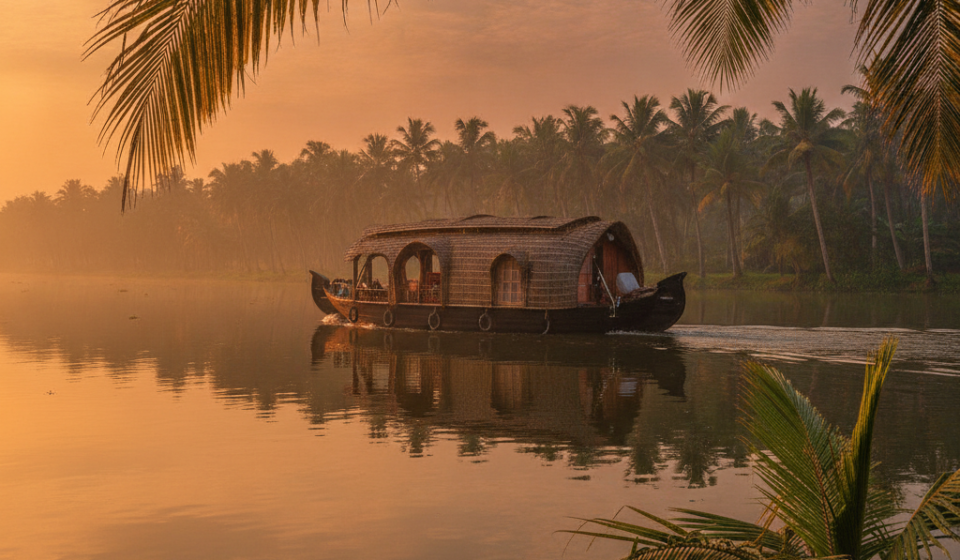
- Diverse Daily Experiences: A single travel day can easily include a misty morning hike through a tea estate followed by an evening cruise on a traditional houseboat.
- Unique Culinary Traditions: Rich regional food that relies heavily on coconut, curry leaves, tamarind, and fresh local spices, offering a completely distinct flavor profile from North Indian cuisine.
Incorporating these varied experiences is essential for a balanced south india travel plan.
Optimal Duration for a South India Travel Plan
Determining the length of your stay is a critical step. The sheer geographical spread of the southern states makes it difficult to cover everything in a single trip. Roughly speaking, travelers must choose between a focused regional exploration and a broader multi-state transit.
For travelers with limited time, a 7-day to 10-day itinerary allows for a focused look at one or two states. It is common to pair Karnataka’s palaces with the hill stations of Tamil Nadu, making a 10-day south india travel plan a viable alternative. However, to truly experience the region without rushing through the long travel distances, a full 14-day south india travel plan remains the gold standard. This timeframe permits a logical loop that connects the historical monuments of Tamil Nadu with the soothing waterways of Kerala.
Critics say the long travel distances in the region make land travel exhausting. They are not entirely wrong, but private vehicles and well-timed trains make the journey highly comfortable. To help visualize the options, consider this comparison of typical durations to determine the duration of a south india travel plan:
| Duration | Target Regions | Key Highlights Included | Ideal Traveler Profile |
|---|---|---|---|
| 7 Days | Single-State Focus | Kochi, Munnar tea gardens, Alleppey backwaters | Short-break seekers or wellness tourists |
| 10 Days | Two-State Classic | Bengaluru, Mysuru Palace, Nilgiri Hills, Ooty | Heritage enthusiasts and scenery lovers |
| 14 Days | Comprehensive Loop | Mysuru, Ooty, Madurai temples, Kerala backwaters | First-time visitors seeking complete immersion |
The Ultimate 14-Day South India Itinerary
This detailed south india travel plan is designed for the FIT (Fully Independent Traveler – a tourist who travels independently). It outlines a balanced, multi-state route starting in Bengaluru and concluding in Kochi. This path serves as an essential baseline for any comprehensive south india travel plan, ensuring that travelers experience the imperial history of the Deccan plateau before descending to the tropical coast.
While this route is structured chronologically, the pace can easily be adjusted in your personalized south india travel plan. It utilizes a mix of private vehicles and traditional trains to maximize scenic views. This balanced South India itinerary delivers a comprehensive overview of the region, balancing active sightseeing with peaceful coastal leisure.
Week 1: Heritage, Hills, and Culture in Karnataka and Tamil Nadu
The journey begins in Bengaluru, the modern capital of Karnataka. This city serves as an ideal entry point due to its excellent flight connections. Spend the first day recovering before traveling to Mysuru (formerly Mysore). Mysuru represents the cultural heart of the state, famous for its grand Amba Vilas Palace and fragrant markets.
To make the logistics easier, travelers can explore dedicated regional options such as a curated Bangalore-Mysore tour or a comprehensive Tamil Nadu tour to simplify their planning. From Mysuru, the route climbs into the Nilgiri Hills of Tamil Nadu. Here, the historic hill station of Ooty offers a cool respite. Travelers can ride the Nilgiri Mountain Railway, a historic toy train that historical records from the Indian Ministry of Tourism state was completed in 1908. After two days in the hills, descend toward Madurai to anchor this phase of the south india travel plan. Madurai is home to the towering Meenakshi Amman Temple, an active center of Dravidian culture.
This first week requires a steady travel pace across diverse terrains, making it an ambitious but highly rewarding start for an ambitious south india travel plan. Hiring a dedicated driver makes it easier to incorporate this transition into the south india travel plan, especially when traversing the winding Nilgiri Ghat roads.
Week 2: Backwaters, Beaches, and Wildlife in Kerala
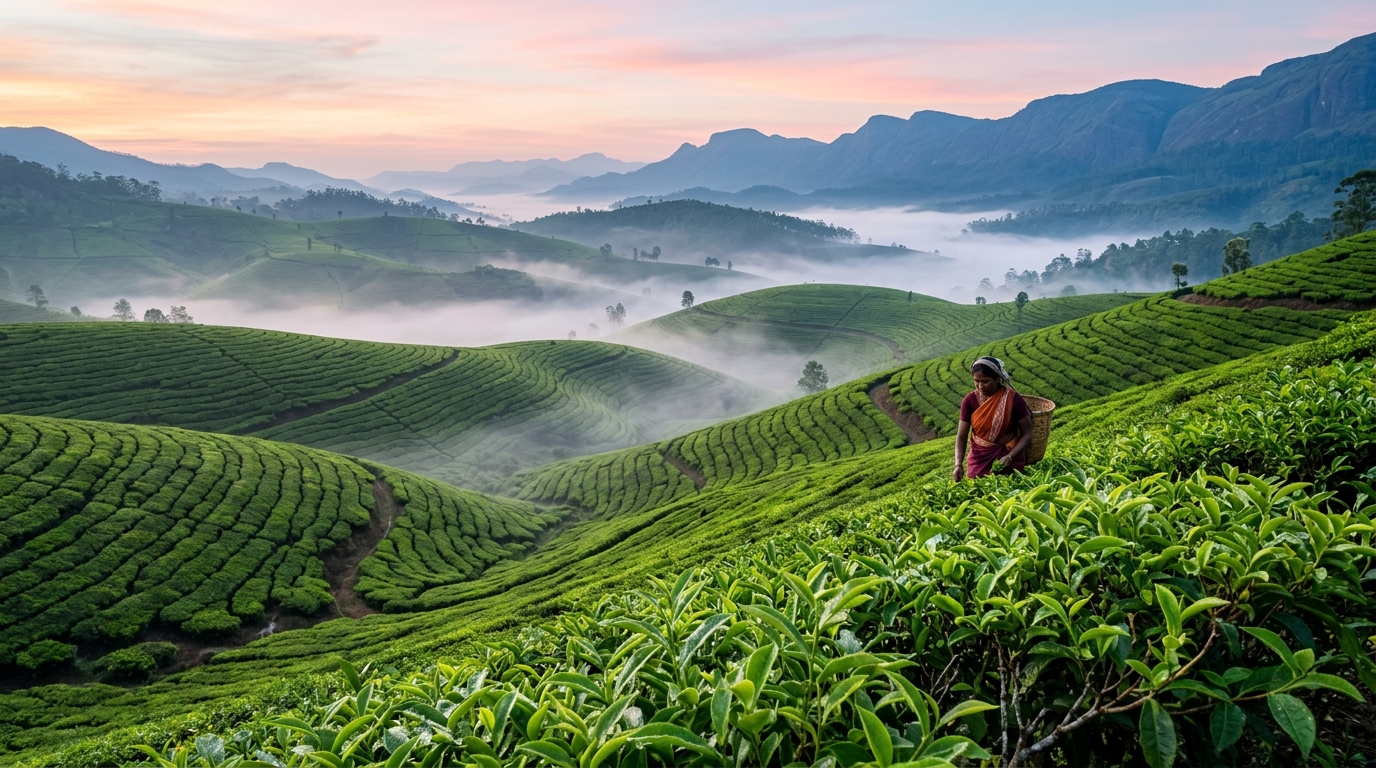
The second week shifts focus from heritage to natural landscapes, beginning with a journey across the border into Kerala. This transition represents a crucial segment of the south india travel plan. The first stop is Munnar, a high-altitude region famed for its tea plantations. The cool climate offers a striking contrast to the warm plains of Tamil Nadu. Spend two days trekking through the scenic tea trails.
Next, travel south to Thekkady to explore the Periyar National Park, known for its wild elephants. A guided spice walk here provides deep insights into local spice cultivation. From the hills, descend to the famous backwaters of Alappuzha. Spending a night on a traditional Kettuvallam (houseboat) is arguably a highlight of the entire south india travel plan.
Conclude the itinerary in Fort Kochi, which reflects a unique blend of Portuguese and Dutch influences. Walk along the beach to observe the iconic Chinese fishing nets and visit the historic synagogues. This specific South India itinerary provides a comprehensive overview of the region. To experience this firsthand, travelers often opt for a comprehensive Kerala tour to ensure smooth local transitions.
For a clearer overview, the sequential travel plan is structured as follows:
- Day 1-2: Bengaluru arrival and transit to historic Mysuru.
- Day 3-4: Exploration of Mysuru Palace and local heritage markets.
- Day 5-6: Travel to Ooty via the Nilgiri Mountain Railway.
- Day 7-8: Cultural tour of Madurai and the Meenakshi Temple.
- Day 9-10: Scenic mountain drive to Munnar and trekking in tea gardens.
- Day 11: Wildlife safari in Periyar National Park, Thekkady.
- Day 12: Houseboat cruise along the Alappuzha backwaters.
- Day 13-14: Heritage walks in Fort Kochi and departure.
State-by-State Highlights: Places to Visit in South India
Every state in the southern peninsula possesses a distinct identity, language, and cultural landscape. Understanding these individual state characteristics is highly beneficial when trying to select the best places to visit in South India. It allows travelers to focus their attention on the areas that align closest with their interests and create highlights to tailor a customized south india travel plan.
| State | Primary Theme | Must-See Highlights | Signature Experience |
|---|---|---|---|
| Kerala | Nature & Wellness | Munnar, Alappuzha, Thekkady | Overnight houseboat stay & Ayurvedic therapy |
| Tamil Nadu | Spiritual Heritage & Temples | Madurai, Thanjavur, Chennai | Marveling at towering temple Gopurams |
| Karnataka | Royal History & Tech Hubs | Bengaluru, Hampi, Mysuru, Coorg | Exploring Hampi ruins & Mysuru Palace |
Kerala: The Backwaters and Spice Hills
Known widely as “God’s Own Country,” Kerala is defined by its unique coastal geography and lush interior highlands. The state is a prime destination for wellness tourism, specifically traditional Ayurveda. Major highlights of Kerala include:
- The Backwaters (Alappuzha & Kumarakom): A complex network of scenic canals, lagoons, and lakes where slow cruises offer an intimate glimpse of rural life, floating markets, and palm-fringed banks.
- The Western Ghats (Munnar & Thekkady): Deep valleys and high-altitude slopes dedicated to rolling tea gardens and fragrant spice cultivation.
- Scenic Coastlines (Kovalam): Golden beaches paired with historic lighthouses, providing the perfect destination for relaxation.
These sites represent the premier places to visit in South India, combining natural beauty with rich cultural traditions. Incorporating them ensures Kerala remains a central pillar when structuring a south india travel plan.
Tamil Nadu: Majestic Temples and Coastal Escapes
Tamil Nadu is the guardian of classical Dravidian culture. The state is home to thousands of grand temples, many of which are architectural marvels featuring towering Gopurams (gateways). According to historical records preserved by the Archaeological Survey of India, the Brihadisvara Temple in Thanjavur, completed in 1010 AD, stands as a prime example of Chola architecture.
Beyond spiritual architecture, Tamil Nadu offers scenic hill stations such as Kodaikanal and Ooty, developed during the colonial era to escape the summer heat. Along the eastern coast, the French-influenced town of Pondicherry offers a unique cultural experience. Linking these diverse points into a cohesive south india travel plan requires careful planning, specifically to account for the long overland transit times between the coast and the interior hills.
Karnataka: Royal Architecture and Scenic Highlands
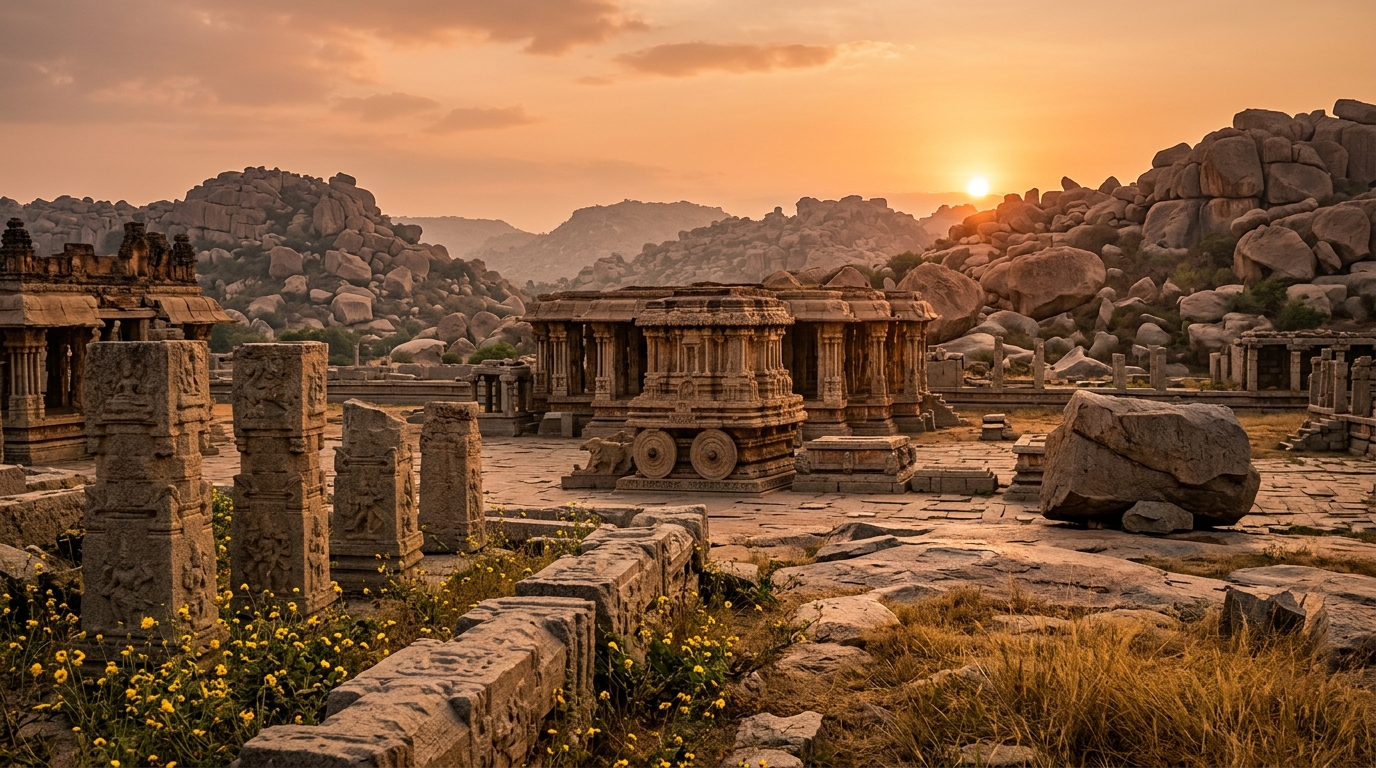
Karnataka offers an incredibly diverse travel landscape, ranging from the modern hub of Bengaluru to the historic ruins of Hampi. Hampi was once the capital of the Vijayanagara Empire and remains a vast UNESCO World Heritage Site filled with ruined temples. It remains one of the most popular places to visit in South India.
Further south lies Mysuru, famous for its royal heritage and the spectacular Mysore Palace. For nature lovers, the district of Coorg provides scenic highlands covered in coffee plantations. Travelers can explore specialized Coorg packages to experience these estates. Coorg is a fantastic destination to weave into a broader south india travel plan, especially for travelers who appreciate wildlife, trekking, and coffee culture.
Best Time to Visit South India
Climate is a crucial variable when finalizing a south india travel plan. The region experiences a tropical climate, meaning temperatures remain warm throughout the year. However, the monsoon seasons and summer peaks can affect travel logistics. Understanding the best time to visit South India is vital to avoid heavy rains or extreme summer heat.
The winter season, extending from October to March, is widely considered the best time to visit South India. During these months, the humidity drops and temperatures range from a pleasant 15°C to 30°C. This period is ideal for exploring the heritage temples of Tamil Nadu and the ruins of Karnataka, aligning perfectly with the best time to visit South India.
Between April and May, the plains experience intense summer heat. During this hot season, traveling to elevated hill stations like Munnar, Ooty, or Coorg is highly recommended for any south india travel plan. The monsoon season arrives in June and continues through September, bringing heavy rainfall to Kerala and Karnataka. Let us look at how the seasons differ across the year:
| Season | Months | Climatic Conditions | Recommended Areas |
|---|---|---|---|
| Winter (Peak) | October – March | Cool, dry, pleasant (15°C – 30°C) | All regions (Temples, backwaters, heritage ruins) |
| Summer (Off-Peak) | April – May | Hot, humid (30°C – 42°C) | Hill stations (Munnar, Ooty, Coorg) |
| Monsoon (Green Season) | June – September | Heavy rainfall, highly humid | Ayurvedic retreats, scenic waterfalls |
Practical Travel Tips for Your Journey
An incredible trip relies on careful logistics. Simple preparations can make or break a south india travel plan. Dealing with local transport, cultural etiquette, and dining options requires some forward planning.
When booking accommodations, many heritage hotels and jungle lodges operate on a MAP plan (Modified American Plan). This plan includes breakfast and one major meal. This is a highly convenient option when staying in remote areas like national parks or quiet hill stations.
For transport, while the rail network is extensive, hiring a private car with a professional driver remains the most efficient way to travel between smaller towns. It provides flexibility and helps simplify the logistics of your south india travel plan. For those planning a comprehensive South India tour, pre-booking trains is essential, as key routes often sell out weeks in advance.
In terms of cultural etiquette, it is important to dress modestly when visiting active religious sites. Both men and women should cover their shoulders and knees. Shoes must always be removed before entering a temple complex. Carrying a pair of light socks can protect your feet from the hot stone floors. Additionally, drinking bottled or highly filtered water is strongly advised to prevent travel-related illness.
To help prepare, use this packing checklist for your journey:
- Light, breathable cotton or linen clothing
- A sturdy pair of slip-on walking shoes
- High-quality sun protection (sunscreen, wide-brimmed hat, sunglasses)
- Reusable water bottle with a built-in filtration system
- Insect repellent containing DEET (essential for backwaters and national parks)
Conclusion
Crafting a comprehensive south india travel plan is about embracing a slower, more deliberate style of exploration. The southern states offer a rich diversity of experiences, from the grand Dravidian temples of Tamil Nadu to the peaceful backwaters of Kerala and the royal heritage of Karnataka. By carefully planning your route, choosing the optimal season, and allocating enough time to appreciate each destination, your ultimate south india travel plan becomes a journey of a lifetime. Let the warm hospitality, rich history, and vibrant cultures of South India guide your next travel adventure as you embark on this journey.