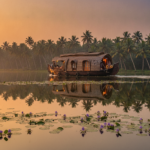

South India, stretching from the Deccan Plateau to the windswept tip of Kanyakumari, presents a distinct cultural, linguistic and geographical ecosystem. Planning a journey through this southern peninsula demands a thoughtful approach to geography and timing. A successful South India travel plan must balance the heritage of centuries-old stone temples with the slow rhythm of tropical backwaters and highland coffee estates. Travelers frequently make the mistake of attempting to cover too much territory in a single trip, which results in exhausting transit days instead of deep cultural engagement. By structuring an itinerary around specific regional corridors, one can experience the immense variety of the south without succumbing to travel fatigue. An optimized South India travel plan provides a realistic frame for your daily journeys. It is basically the difference between a stressful commute and a rewarding exploration of an ancient land.
Key Takeaways
- Pacing is Key: Avoid trying to cover the entire southern peninsula in one go; focus on specific regional corridors instead.
- Best Time to Visit: October to March offers dry, pleasant weather ideal for temple sightseeing and coastal exploration.
- Diverse Itineraries: Choose between Tamil Nadu’s historic temples, Kerala’s lush backwaters, or Karnataka’s royal palaces and coffee estates.
- Dress Codes Matter: Traditional temples, especially in Kerala, enforce strict dress codes; dress modestly and prepare to remove footwear.
- Book in Advance: Trains and boutique heritage hotels in South India book out months ahead, requiring proactive planning.
Strategic Planning for a South India Travel Plan
When designing a South India travel plan, geography dictates your overall pace. The region is bordered by the Arabian Sea on the west and the Bay of Bengal on the east. The Western Ghats run parallel to the western coast, creating a cool highland barrier that separates the coastal plains from the drier inland plateau. This dramatic topography means that travel times between destinations can be longer than they appear on a map. When planning, keep these geographical realities in mind:
- Winding Mountain Passes: A distance of just 100 kilometers can take several hours in the Western Ghats.
- Manageable Zones: Split the region into logical corridors instead of combining far-flung destinations.
- State-Specific Focus: Spend your time in one or two contiguous states to fully appreciate the local language, food, and arts.
Trying to combine the far corners of Karnataka, Kerala, and Tamil Nadu into a single two-week trip is rarely practical. Instead, focusing on one or two contiguous states yields a much more satisfying experience. It allows you to appreciate the subtle differences in language, cuisine, and temple architecture that define each state.
Best Time to Visit South India
Understanding seasonal shifts is vital for any South India travel plan because the climate varies across different elevations and coastlines. The dry winter months, from October to March, represent the best time to visit South India for general sightseeing. During this period, temperatures are relatively mild, and humidity levels drop to comfortable levels. This makes exploring stone monuments and walking through historic towns far more pleasant. In contrast, the summer months, from April to June, bring intense heat to the inland plains. Temperatures frequently exceed forty degrees Celsius in places like Madurai and Hampi. But still, this is an excellent season to retreat to high-altitude sanctuaries like Munnar or Coorg. The southwest monsoon, arriving in June and lasting until September, brings heavy rainfall to the west coast. This season transforms the hills of Kerala and Karnataka into lush, green paradises. While the rain might disrupt outdoor activities, it is the perfect time for Ayurvedic wellness therapies.
| Season | Ideal Regions | Key Benefits and Activities |
|---|---|---|
| Winter (October to March) | All coastal areas, heritage temple towns, plains | Cooler weather, heritage walks, beach stays |
| Summer (April to June) | High-altitude hill stations, spice forests | Cooler mountain air, tea plantation visits, estate stays |
| Monsoon (July to September) | Backwater canals, Ayurvedic centres, waterfalls | Lush greenery, wellness retreats, rain photography |
Optimal Trip Duration and Route Planning
An efficient South India travel plan requires at least ten days to cover a basic regional circuit. If you have fourteen days or more, you can craft a comprehensive South India itinerary that links multiple states. For instance, a classic route might start in the bustling city of Bengaluru, move down to historic Mysuru, wind through the hills of Wayanad, and end in the serene backwaters of Kerala. If you build a 10-day South India travel plan, you should focus on a single state to minimize transit. Choosing your starting point is highly strategic. Major airport hubs like Bengaluru, Chennai, and Kochi offer excellent domestic and international connectivity. They serve as natural entry gates for your journey. A traveler focusing on ancient stone carvings and deep spiritual traditions will find Chennai to be the most practical starting point. Conversely, those seeking quiet nature, wildlife, and coastal relaxation usually prefer to fly into Kochi. Your choices will dictate the rhythm of your days.
| Route Name | Duration | Focus Areas | Best Starting Hub |
|---|---|---|---|
| The Heritage Trail | 10 Days | Historic temples, Dravidian art, French quarters | Chennai |
| The Tropical Escape | 12 Days | Tea plantations, backwaters, wildlife sanctuaries | Kochi |
| The Royal West | 14 Days | Palaces, coffee estates, boulder-strewn ruins | Bengaluru |
| The Coastal Highway | 8 Days | Unspoiled beaches, historical forts, seafood | Mangaluru / Kochi |
If your primary focus is wildlife, your South India travel plan should emphasize the Nilgiri Biosphere Reserve, which spans the borders of Karnataka, Kerala, and Tamil Nadu. For those who prefer quiet beaches, the western coast from Mangaluru to Kovalam is ideal. For first-time visitors, a balanced South India itinerary that combines a heritage city, a hill station, and a beach is generally the most satisfying.
- The Heritage Trail (10 Days): Starts in Chennai, winds through Puducherry, Thanjavur, and culminates in the ancient temple city of Madurai.
- The Tropical Escape (12 Days): Covers Kochi, the tea hills of Munnar, the wildlife sanctuary of Thekkady, and the houseboats of Alappuzha.
- The Royal West (14 Days): Connects Bengaluru, the palaces of Mysuru, the coffee hills of Coorg, and the ruined temples of Hampi.
- The Coastal Highway (8 Days): Explores the beaches of Mangaluru, the quiet shores of Gokarna, and the historic forts of northern Kerala.
Top Cultural and Historical Landmarks in South India
No South India travel plan is complete without dedicating substantial time to the region’s historical monuments. Unlike northern India, where many ancient structures were altered or destroyed over centuries of conflict, the south preserved its heritage intact. This has resulted in a continuous cultural lineage that is visible in daily life, classical music, and temple rituals. Here, you will find some of the oldest active places of worship on the planet. The scale of these structures is often staggering, with massive gateway towers, known as gopurams, dominating the flat landscape. While there are many famous South India tourist places, exploring the lesser-known temples of Chettinad offers a more intimate look at local life.
The Architectural Splendour of Tamil Nadu Temples
The state of Tamil Nadu is home to a dense concentration of spectacular historic temples. Including these historical hubs in a South India travel plan guarantees an immersion into Dravidian art. The Great Living Chola Temples, which include the Brihadisvara Temple in Thanjavur, showcase the pinnacle of stone carving. Built during the eleventh century, these structures remain active centers of community life. As you map out your South India travel plan, allocate at least two days to explore the temple town of Madurai. The Meenakshi Amman Temple, with its fourteen colourful gopurams, is a masterpiece of complex design. It is basically a city within a city, filled with carved halls, sacred pools, and shrines. According to the Archaeological Survey of India, the central temple complex at Thanjavur was constructed using over one hundred thousand tonnes of granite. This monumental feat of engineering was completed without any mortar, relying entirely on precise interlocking stone joints.
To ensure a comfortable and respectful visit to these architectural wonders, keep these practical tips in mind:
- Timing: Plan visits during the early morning or late evening to avoid the scorching midday sun on stone floors.
- Engineering Feats: Look out for the mortarless interlocking granite joints, such as those at the Brihadisvara Temple.
- Footwear Rules: All temples require you to go barefoot inside; socks are sometimes permitted on hot stone pathways.
The Majestic Palaces of Mysore and Karnataka
For those seeking a royal touch in their South India travel plan, Karnataka offers a spectacular contrast to the temple-heavy south. The city of Mysuru (formerly known as Mysore) is famous for its grand palace (reconstructed after a fire in the late nineteenth century). The Amba Vilas Palace is a blend of Hindu, Islamic, Gothic, and Rajput architectural styles. It is especially striking on Sunday nights when it is illuminated by nearly one hundred thousand light bulbs. Travelers can easily combine this royal experience with a broader exploration of the state. For an incredible journey, consider the curated travel plans available at TravelDham Bangalore Mysore Package to discover the region’s heritage with expert guidance.
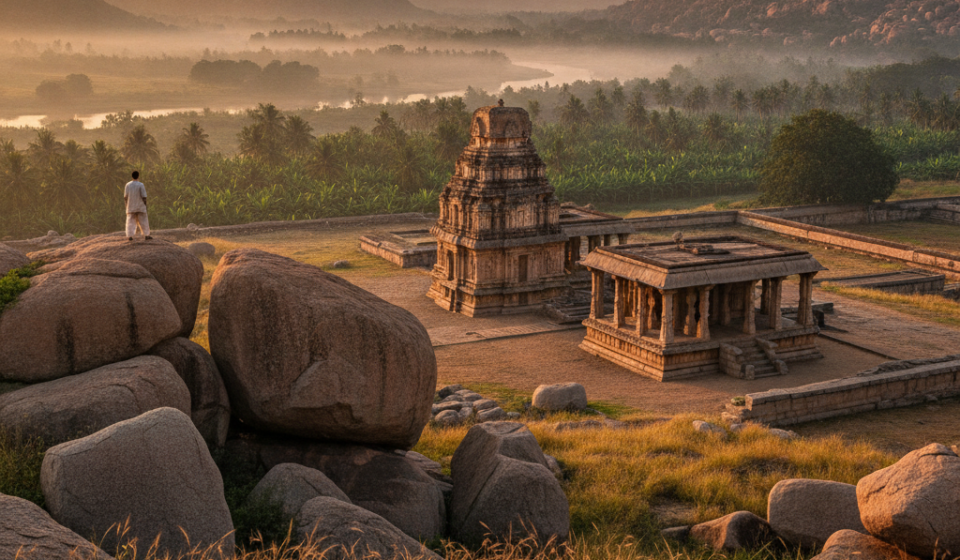
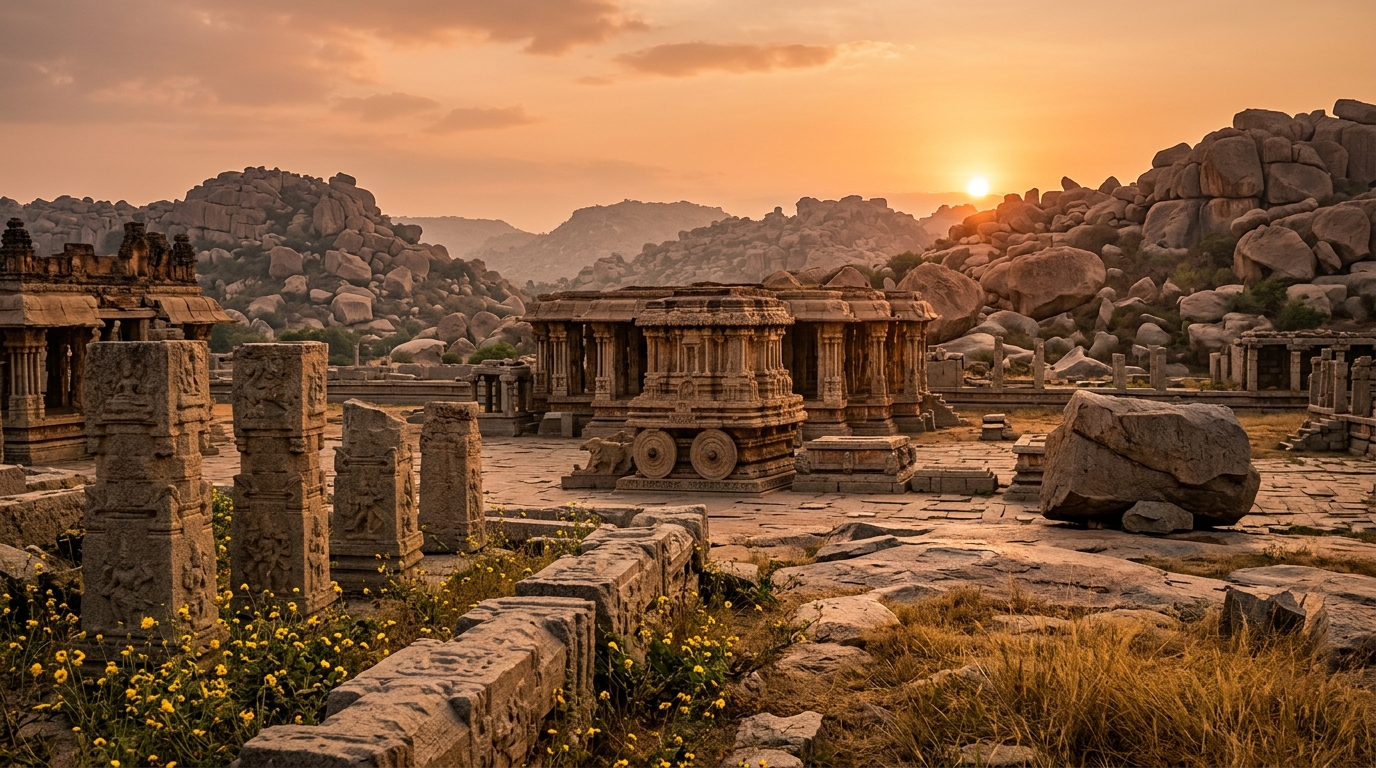
Adding Hampi to your South India travel plan adds an entirely different dimension. Hampi was once the capital of the historic Vijayanagara Empire. Today, its ruins lie scattered across a unique terrain of giant boulders and quiet riverbanks. The Virupaksha Temple and the stone chariot at the Vittala Temple are legendary. But still, the real charm of Hampi lies in wandering through the quiet, forgotten corners of the royal enclosure. It is a vast open-air museum that requires at least three full days to truly comprehend. The dramatic contrast between the dry stone ruins and the vibrant green banana plantations creates a stunning visual memory. When considering the top places to visit in South India, Hampi and Madurai are undisputed highlights.
Pristine Beaches and Hill Stations to Include in Your Itinerary
While the historic landmarks are deeply impressive, the natural scenery of the south is equally captivating. If relaxation is a priority, adjust your South India travel plan to include the diverse physical geography of the coast and the highlands. The Western Ghats run through the region like a green spine, offering quick relief from the hot coastal plains. Within a few hours of driving, you can move from a warm sandy beach to a misty mountain ridge. This makes it incredibly easy to combine different environments into a single, balanced trip. It also allows you to experience two distinct climates within a short distance.
Tranquil Coastal Escapes: Kovalam and Pondicherry
A coastal-themed South India travel plan can easily link the quiet shores of the Arabian Sea with the historical ports of the Bay of Bengal. On the west coast, Kovalam is a premier beach destination. It features three crescent-shaped beaches separated by rocky outcrops. Including Kovalam in a South India travel plan offers a chance to experience world-class beach resorts and traditional wellness therapies. The waters here are generally calm, making it an excellent spot for swimming and coastal walks. If you wish to secure a hassle-free trip down this coast, exploring the detailed options at TravelDham Kerala Packages is highly recommended.
On the eastern coast, the town of Puducherry, still commonly referred to as Pondicherry, provides a completely different coastal vibe. The French Quarter, with its mustard-coloured villas and tree-lined streets, feels like a quiet European town. Historical archives indicate that the French East India Company established its base here in 1674, leaving an architectural imprint that remains protected today. Walking along the Promenade Beach at sunset is a local ritual. The blend of Tamil culture and French heritage is reflected in everything from the local architecture to the unique fusion cuisine.
Scenic Highland Retreats: Coorg and Munnar
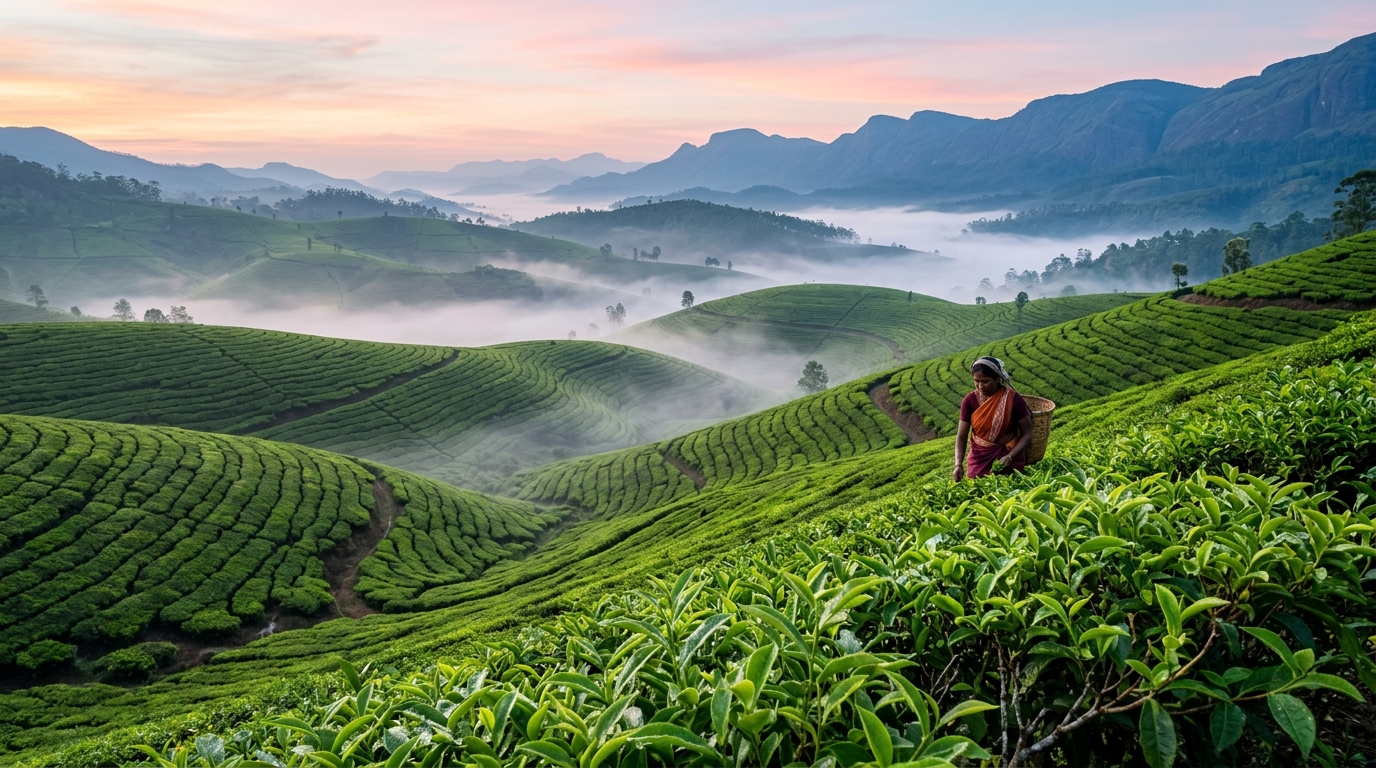
Adding these hill stations to your South India travel plan brings a refreshing contrast to your journey. Munnar, located in Kerala, is famous for its rolling hills covered in manicured tea plantations. The cool mountain air and the misty valleys make it a popular escape for couples and nature enthusiasts. You can spend your days hiking through the Eravikulam National Park, which is home to the endangered Nilgiri Tahr. Meteorological records from Kerala State Tourism indicate that average summer temperatures in Munnar remain at a comfortable nineteen degrees Celsius, making it a perfect retreat from the heat of the plains.
Coorg, often referred to as the Kodagu region, is another beautiful area defined by coffee estates and thick forests. The local Kodava community has a distinct culture, language, and culinary heritage. You can learn more about this highland gem and plan your mountain escape through TravelDham Coorg Packages. Staying in a homestay on an active coffee estate is one of the best ways to experience local hospitality. It is basically an immersive experience in spice cultivation, local birdlife, and traditional home cooking.
Essential Logistics and Local Travel Advice
Executing a smooth South India travel plan relies heavily on understanding local logistics. Because the region is vast and diverse, planning your daily transport and accommodation in advance is critical. Unlike travel in smaller countries, you cannot easily wing it here. The popular trains and boutique hotels often book out weeks or even months in advance. Therefore, early preparation is the key to avoiding unnecessary stress. By addressing these practical details before you depart, you can ensure a far more relaxing journey.
Local Transportation and Connectivity Options
When finalizing your South India travel plan, study the rail routes carefully. The Indian Railways network is highly efficient, connecting major cities and smaller towns. Booking an air-conditioned sleeper berth (like 2AC or 3AC class) is a comfortable and highly affordable way to travel long distances. A reliable South India travel plan often incorporates overnight train journeys to save on daylight travel hours and hotel costs. Indeed, an independent South India travel plan benefits from a mixture of train journeys and private car rentals. In the industry, this is often called an FIT (Free Independent Traveler) approach, which prioritizes personal flexibility over rigid tour bus schedules.
For shorter distances and hilly routes, hiring a private car with a professional driver is often the most practical option. This gives you the flexibility to stop at roadside spice stalls, ancient rock-cut caves, or scenic viewpoints. It also saves you from the stress of driving on busy roads. Domestic flights are also useful for jumping across large distances. For example, flying from Bengaluru to Kochi takes just about an hour, saving you a full day of road travel.
| Transport Mode | Best Used For | Key Advantage |
|---|---|---|
| Private Cab with Driver | Hilly terrains, multi-stop rural routes | High flexibility, door-to-door comfort |
| Indian Railways (AC Classes) | Long distances between major cities | Highly economical, authentic experience |
| Domestic Flights | Crossing state lines quickly | Saves massive transit time |
Cultural Etiquette and Practical Packing Guide
Every thoughtful South India travel plan must account for local cultural expectations. The southern states tend to be more socially conservative than the major cities of the north, especially when visiting active religious sites. To avoid delays, pack modest clothing that covers your shoulders and knees. Some traditional temples in Kerala even require men to wear a traditional sarong, known locally as a mundu, and remain bare-chested to enter the inner sanctum.
To navigate the southern states with ease and respect, keep these key cultural etiquette rules in mind:
- Dress Codes: Pack modest clothing covering shoulders and knees. Some traditional Kerala temples require men to wear a mundu (sarong) and remain bare-chested.
- Footwear: Always remove your shoes before entering temples, homes, and select shops. A nominal shoe-keeping fee (around ten rupees) is normal.
- Dining & Greet: Use only your right hand for eating, paying, or exchanging items, as the left hand is traditionally reserved for personal hygiene.
In short, a great South India travel plan merges logistical readiness with cultural respect. By preparing for these small details, you can focus on the incredible sights and warm hospitality. The southern region is highly welcoming, and a little cultural sensitivity goes a long way.