

South India since the dawn of modern tourism has remained an enigma of tropical green, ancient stone, and complex culinary traditions. For years, travelers attempted to cover the entire sub-peninsula in a single frantic dash. Today, that chaotic approach is recognized as highly inefficient. Crafting a successful south india travel plan requires understanding that this massive region is not a monolith, but a tapestry of distinct linguistic states, micro-climates, and historical epochs. Balancing the serene backwaters of Kerala with the towering stone gateways of Tamil Nadu requires tactical precision, smart logistical routing, and a clear sense of priorities. This detailed guide breaks down the core structural components of a successful regional journey, helping travelers transition from chaotic sightseeing to deep, rewarding exploration. By establishing a methodical south india travel plan, one can experience the true cultural richness of this historic terrain without the stress of constant, poorly planned transitions. Let us examine the strategic steps required to build an exceptional route.
Key Takeaways for Your South India Travel Plan
- Geographic Focus: Choose 1-2 adjacent zones (Western Coast, Eastern Plains, or Interior Plateaus) to avoid transit fatigue.
- Ideal Duration: Plan for a minimum of 7-10 days for a single state, or 14 days for a multi-state cross-peninsula route.
- Best Season: The peak travel window is December to February, offering pleasant weather and manageable humidity.
- Transport Strategy: Combine overnight trains (for culture and budget) with private hired drivers (for flexibility and scenery).
- State Specialties: Prioritize Kerala for nature and wellness, Tamil Nadu for heritage and temples, and Karnataka for royal history and coffee hills.
Essential Elements of a Comprehensive South India Travel Plan
A comprehensive south india travel plan should begin with a clear assessment of personal priorities. The southern states offer vastly different experiences, ranging from high-altitude tea plantations in the Western Ghats to sun-baked stone temples in the eastern plains. Attempting to combine all these experiences without a methodical structure usually leads to transit fatigue. It’s basically a classic mistake to treat this region like a single small destination.
To establish a solid foundation, travelers should carefully evaluate several critical parameters:
- Primary Interest: Choose between coastal relaxation, historical architecture study, or wildlife observation.
- Pacing: Decide on a slow, immersive journey versus a fast-paced highlights tour.
- Infrastructure Levels: Align expectations between highly modern tech hubs like Bangalore and rural heritage districts.
When building your south india travel plan, identifying personal interests is critical because it dictates your daily pace and overall geographical focus. It is also important to consider the varying infrastructure levels across different states. While Bangalore offers highly modern amenities, rural districts require a more flexible mindset. Therefore, early alignment of expectations is the foundation of an effective south india travel plan.
Determining Your Travel Style and Geographic Focus
The sheer diversity of the southern peninsula forces a deliberate choice. Roughly speaking, the region can be split into three core zones: the coastal west, the temple-dense east, and the forested interior plateaus. For those seeking wellness, Ayurvedic therapies, and slow-paced water journeys, the western coast is the natural choice. Conversely, individuals fascinated by historical architecture, structural engineering, and ancient dynasty histories will find their primary interests met in the eastern states. This step determines the structural layout of the south india travel plan. To help visualize these distinct geographic zones, we can look at how they differ across primary categories of interest.
| Zone | Primary States | Key Highlights | Travel Style |
|---|---|---|---|
| Western Coast | Kerala, Southern Karnataka | Backwaters, houseboats, spice hills | Relaxed, nature-oriented, wellness |
| Eastern Plains | Tamil Nadu, Pondicherry | Dravidian stone temples, French quarters | Historical, cultural, architectural |
| Interior Plateaus | Karnataka, Deccan region | Palaces, ancient ruins, wildlife parks | Diverse, active, heritage-focused |
As the table indicates, attempting to combine all three zones in a single short trip will result in a highly fragmented experience. When you are refining your south india travel plan, choose one or at most two adjacent zones to ensure you spend more time exploring and less time in transit. This geographic discipline prevents the common exhaustion that many first-time visitors experience.
Establishing Your Ideal Trip Duration
Time is the ultimate currency when exploring the sub-peninsula. An effective south india travel plan must account for travel times between states, which can be surprisingly long due to hilly terrain and winding roads. While a superficial glimpse of a single state is possible in five days, a rewarding journey requires at least seven to ten days. For travelers who wish to experience multiple states without feeling rushed, a two-week window is arguably the minimum required duration. This allows for dedicated rest days, ensuring the journey remains a true holiday rather than a grueling commute. When you are designing your south india travel plan, remember that a slower pace often yields far richer encounters with local communities. With only five days, restricting movement to a single micro-region is wiser than crossing state borders.
Curating Your South India Itinerary: Key Regions and Attractions
The next phase of drafting a south india travel plan involves choosing the right regions and combining them into a logical path. Rather than selecting destinations at random, successful routes focus on geographic continuity. Understanding what makes each state unique allows travelers to design a cohesive South India itinerary that balances active exploration with quiet reflection. This spatial awareness ensures that every stop on the journey builds upon the last, creating a narrative flow to your travel experience. Focus on geographic continuity, and daily pacing. Packing light comes later.
Kerala: Backwaters, Hill Stations, and Coastal Wellness
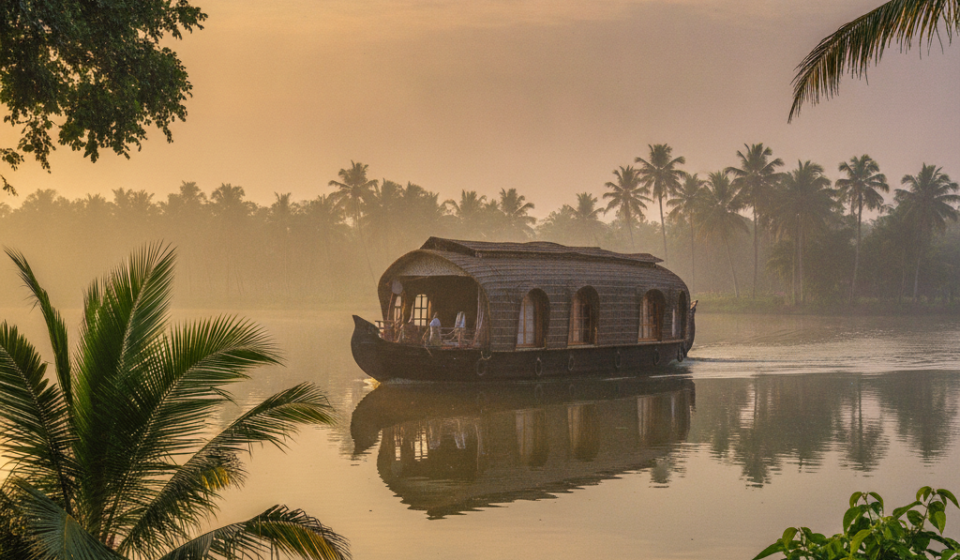
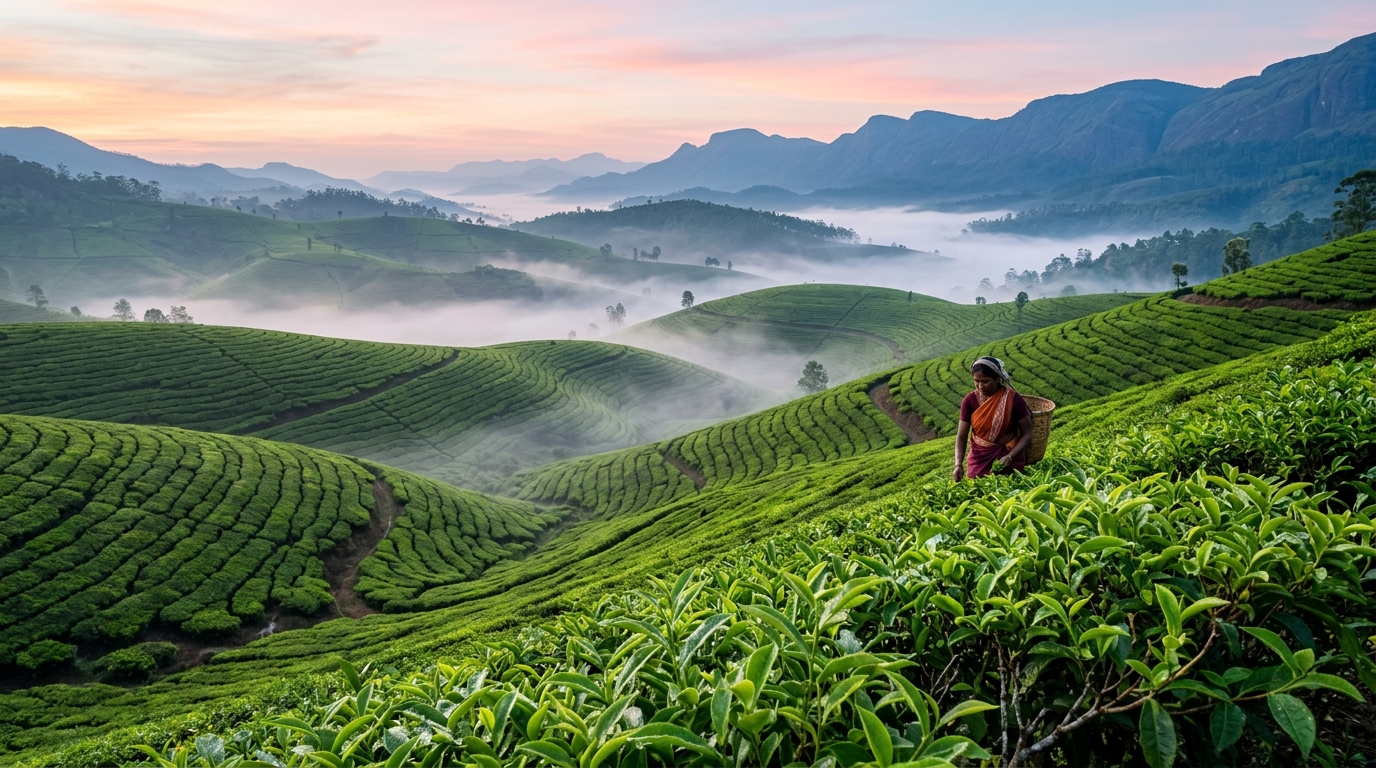
Many travelers prioritize Kerala when designing a south india travel plan, and for good reason. The state’s unique geography features a narrow coastal strip bordered by the dramatic peaks of the Western Ghats. A well-balanced south india travel plan often starts with a houseboat cruise in Alappuzha, where travelers float along quiet, palm-shaded canals. This experience is highly unique, but still, one must not miss the cooler altitude of Munnar, where rolling green tea estates cover the hillsides. For those looking to book a complete journey, exploring dedicated Kerala travel packages is an excellent starting point to ensure all local transport and high-quality stays are coordinated. Further south, the cliffs of Varkala and the serene beaches of Kovalam offer excellent options for coastal relaxation. Incorporating these varied landscapes into your south india travel plan creates a perfect blend of high-altitude adventure and coastal peace.
- Alappuzha Backwaters: Houseboat cruising through peaceful canals.
- Munnar Estates: Wandering through high-altitude tea plantations.
- Thekkady Forest: Spotting wild elephants on Periyar Lake.
- Fort Kochi: Seeing historic Chinese nets and spice warehouses.
By balancing these diverse ecosystems, travelers experience a multi-dimensional view of the state.
Tamil Nadu: Architectural Marvels and Cultural Heritage
Any culturally focused south india travel plan should feature the grand temples of Tamil Nadu. This eastern state acts as the guardian of classical Dravidian arts, music, and structural engineering. Unlike other regions where historical monuments are largely archaeological ruins, Tamil Nadu’s temples remain active centers of daily worship and social life. Madurai, home to the sprawling Meenakshi Amman Temple complex, is a sensory feast of color, incense, and towering stone gateways. As reported by the Ministry of Tourism in 2024, Tamil Nadu recorded 115 million domestic visits, reflecting its monumental appeal as a premier cultural hub. Adding these sites to your south india travel plan provides unmatched cultural depth. For travelers seeking a structured way to explore these architectural wonders, checking out specialized Tamil Nadu travel options helps in coordinating the vast distances between temple towns like Tanjore, Trichy, and Mahabalipuram. A south india travel plan that excludes Tamil Nadu misses the historic and artistic soul of the deep south. Critics say temple tours are too repetitive. They are not entirely wrong, but they underestimate how unique each dynasty’s design is.
Karnataka and Pondicherry: Royal Legacy, Modern Hubs, and French Influence
Including Karnataka in a south india travel plan introduces architectural contrast and natural diversity. From the tech-forward avenues of Bangalore to the royal heritage of Mysore, the state transitions smoothly between the modern era and historical grandeur. Further west lies the misty hill station of Coorg, famous for its sprawling coffee plantations and distinct local culture. A dedicated Coorg tour itinerary is highly recommended for nature lovers who want to experience the quiet beauty of the Western Ghats (a long-overdue priority for those seeking absolute tranquility). On the eastern coast, Pondicherry offers a completely different aesthetic. This former French colony features peaceful cobblestone streets, mustard-colored colonial villas, and serene beaches. Incorporating a Pondicherry tour details search into your planning reveals a unique fusion of French architectural design and Tamil coastal culture. For a diverse south india travel plan, the combination of Mysore and Coorg, followed by a short flight or train to the east coast, is ideal. This smooth integration of regional cultures is what makes a well-conceived south india travel plan so rewarding.
- Mysore Palace: The illuminated royal residence of the Wadiyar dynasty.
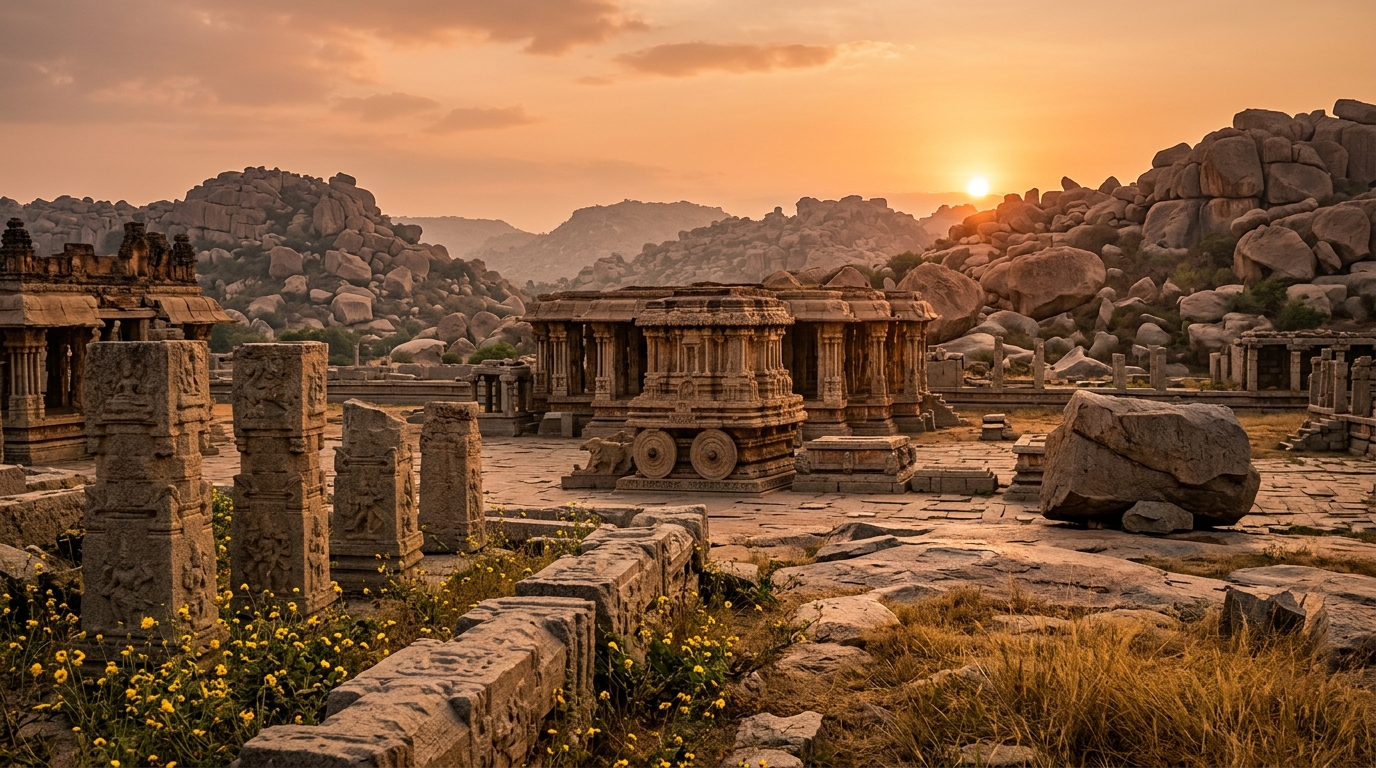
- Hampi Ruins: Ancient stone remnants of the vast Vijayanagara Empire.
- White Town: French-colonial mustard-colored villas and peaceful cafes in Pondicherry.
- Coorg Estates: High-altitude coffee homestays amidst the misty Western Ghats.
Integrating these disparate destinations requires careful planning but pays massive dividends in variety.
Sample Itineraries for a Balanced Journey
Designing sample routes is an excellent way to structure a south india travel plan. Depending on the available time, travelers can choose between a focused, single-region route or a broader cross-country loop. A well-designed South India itinerary should minimize backtracking and allow for adequate recovery time between long travel legs. Let’s look at two standard paths that fit different timeframes.
The 7-Day Coastal and Backwater Classic
This short itinerary serves as a compact south india travel plan for busy professionals who want to experience the absolute highlights of the western coast. It focuses on minimal travel times and maximum relaxation, making it an excellent option for a brief getaway.
| Day | Destination | Primary Activities | Expected Travel Time |
|---|---|---|---|
| Day 1-2 | Kochi | Historic Fort Kochi and Kathakali. | Arrival |
| Day 3-4 | Munnar | Tea garden walks and hikes. | 4 hours |
| Day 5 | Alappuzha | Houseboat backwater cruise. | 4.5 hours |
| Day 6-7 | Kovalam | Coastal relaxation and departure. | 4 hours |
Adjusting the pace of this south india travel plan can make it more relaxing, but this timeline represents the standard route for a one-week stay. For those with slightly more time, extending the stay in Munnar or adding an extra day in the backwaters of Alappuzha is highly recommended. Such adjustments make the overall south india travel plan far more enjoyable and drastically reduce daily transit stress.
The 14-Day Grand South India Expedition
A 14-day south india travel plan represents the sweet spot for comprehensive exploration. This route crosses the peninsula, allowing travelers to experience the dramatic transition from the dry, temple-filled plains of Tamil Nadu to the lush, green hills of Kerala. It is arguably the most complete way to experience both the east and west coasts in a single, continuous journey.
- Days 1 to 3: Chennai & Mahabalipuram: Arrival and exploring stone temples.
- Days 4 to 5: Pondicherry: Strolling French colonial avenues and Auroville.
- Days 6 to 7: Tanjore & Trichy: Touring ancient Chola temple complexes.
- Days 8 to 9: Madurai: Experiencing the massive Meenakshi Amman Temple.
- Days 10 to 11: Periyar: Hiking spice hills and wildlife spotting.
- Days 12 to 14: Kumarakom & Kochi: Backwater relaxation and departure.
This extended south india travel plan connects the coastlines of the east and west, providing a highly complete cultural and sensory overview. A key advantage of this longer South India itinerary is the ability to break up long driving days with cultural stops, ensuring that travelers do not experience sensory overload.
Practical Travel Logistics and Seasonal Planning
Logistics can make or break even the most carefully researched south india travel plan. The southern half of India operates on its own distinct seasonal rhythm, which is quite different from the northern plains. Understanding the best time to visit South India is essential for ensuring a smooth and hassle-free trip.
Understanding Seasonal Weather Shifts
Weather patterns are the single most influential variable for a south india travel plan. The region experiences two distinct monsoons: the Southwest monsoon (from June to September) and the Northeast monsoon (from October to November). Consequently, the best time to visit South India is generally between December and February, when temperatures are relatively mild and humidity is manageable.
- Cool Season (December-February): Best for outdoor temple walks.
- Summer (March-May): Ideal for cool hill stations.
- Monsoon (June-November): Best for Ayurvedic wellness therapies.
Timing your south india travel plan during the cooler dry season ensures a better experience, particularly if your itinerary includes significant walking tours around outdoor historical sites. If you choose to travel during the monsoon, your south india travel plan should focus heavily on indoor activities, wellness retreats, and scenic hill station drives.
Transportation and Intercity Commute Options
An optimal south india travel plan utilizes a combination of rail and private drivers. While domestic flights are useful for jumping across massive distances (such as Bangalore to Chennai), they bypass the beautiful countryside. For shorter distances between cities, hiring a private car with a dedicated driver is the most reliable and flexible method. As an experienced coordinator, one must master the art of FIT (Free Independent Traveler, meaning self-guided customized travel) logistics to fully optimize the daily route.
| Transport Mode | Best For | Pros | Cons |
|---|---|---|---|
| Private Driver | Short intercity trips & hill stations | High flexibility, scenic stops, door-to-door comfort | Higher cost for solo travelers |
| Indian Railways (1AC/2AC) | Long-distance overnight journeys | Scenic, budget-friendly, culturally rich experience | Requires advance booking, fixed schedules |
| Domestic Flights | Jumping across distant states (e.g., Bangalore to Kochi) | Saves time over vast distances | Misses countryside scenery, airport transit overhead |
When structuring a south india travel plan, budget for private vehicle rentals. This option provides the freedom to stop at roadside spice stalls, hidden village temples, and scenic viewpoints that trains simply pass by. For longer journeys, the Indian Railways network offers a highly cultural experience. Opting for air-conditioned sleeper classes (1AC or 2AC) ensures a comfortable trip while allowing you to travel overnight and save on accommodation costs. Finalizing these transit logistics will complete your south india travel plan, ensuring a smooth journey through one of the world’s most captivating regions. Your south india travel plan should ultimately reflect your personal pace, leaving room for spontaneous discoveries. A balanced mindset ensures your southern Indian adventure is deeply rejuvenating.