
Tourism in the Indian peninsula has long been characterized by a stark division between the bustling, monument-rich north and the serene, culturally distinct south. For many years, international arrivals gravitated primarily toward the Golden Triangle. Today, however, that preference is shifting as travelers seek slower paces, deeper cultural immersions, and distinct ecological diversity. Executing a successful South India travel plan requires an understanding of how geography, heritage, and regional infrastructure interact. It is basically a journey through ancient stone architecture, dense tropical canopies, and distinct linguistic traditions that vary significantly across state borders. Crafting a comprehensive south india travel plan ensures that these vast differences become highlights rather than logistical obstacles.
- Diverse Regional Identities: South India spans five states, each with its own language, culinary traditions, and unique Dravidian architecture.
- Optimal Travel Windows: The peak travel season is from October to March when the winter climate is pleasant and mild.
- Curated Itinerary Approaches: Successful travel plans focus on specific corridors—either Kerala’s backwaters, Tamil Nadu’s temples, or Karnataka’s history.
- Smart Logistical Planning: Relying on private chauffeur-driven cars and premium express trains is key to navigating the region comfortably.
- Respectful Cultural Conduct: Adhering to temple dress codes and local etiquette ensures smooth interactions and deepens cultural appreciation.
Demographic and Geographic Framework of the Southern States
South India is not a monolith. It is a vast geographic expanse comprising five major states: Karnataka, Tamil Nadu, Kerala, Andhra Pradesh, and Telangana, alongside the union territories of Puducherry and Lakshadweep. Each administrative region boasts its own distinct language (belonging to the Dravidian language family), culinary history, and architectural aesthetic. Understanding these regional boundaries is the first step in designing an actionable south india travel plan.
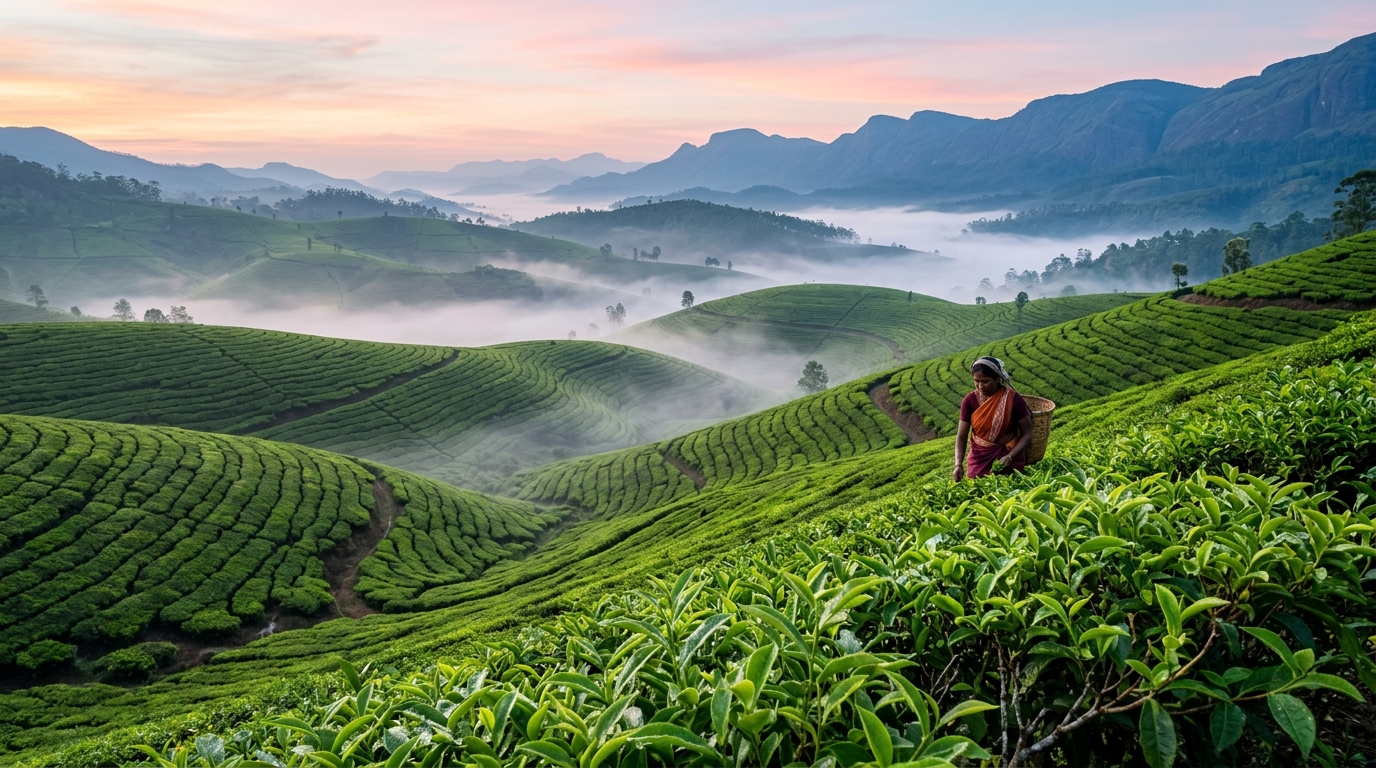
To the west, the Western Ghats mountain range runs parallel to the coast, trapping monsoon moisture and creating lush, high-altitude ecosystems. This is where one finds the famous coffee estates of Coorg and tea plantations of Munnar. To the east, the Eastern Ghats are more fragmented, framing the drier Deccan Plateau. The coastline itself stretches for thousands of kilometers, offering distinct marine environments from the rocky cliffs of Varkala to the flat sandy expanses of Marina Beach.
When selecting the best places to visit in south india, travelers must decide whether they prioritize cultural heritage, wilderness exploration, or coastal relaxation. The primary options include:
- Tamil Nadu: Serves as the repository of classical Dravidian culture, characterized by monumental Gopurams (temple gateway towers) and Carnatic music traditions.
- Kerala: Emphasizes ecological intimacy, with its extensive network of brackish lagoons, canals, lakes, and traditional wellness practices.
- Karnataka: Offers a balanced synthesis, housing both the sprawling ruins of the Vijayanagara Empire at Hampi and the tech-driven hub of Bengaluru.
Recognizing these distinct regional identities remains integral to any south india travel plan.
| State | Core Experience | Primary Entry Airport | Ideal Minimum Duration |
|---|---|---|---|
| Kerala | Backwaters, houseboats, and wellness retreats | Cochin International Airport (COK) | 5 to 7 Days |
| Tamil Nadu | Classical Dravidian temples and colonial history | Chennai International Airport (MAA) | 6 to 8 Days |
| Karnataka | Royal palaces, medieval ruins, and hill stations | Kempegowda International Airport (BLR) | 6 to 7 Days |
| Andhra Pradesh | Pilgrimage centers and pristine coastal trails | Tirupati Airport (TIR) or Visakhapatnam (VTZ) | 4 to 5 Days |
Determining the Ideal Season for Travel
Climatic variation across the southern peninsula is pronounced, heavily driven by the maritime influence and the physical barrier of the Western Ghats. The monsoon seasons dictate much of the agricultural and social calendar, which directly influences a south india travel plan.
Generally, the best time to visit south india spans from October to March. During these months, the blistering summer heat recedes, leaving behind comfortable daytime temperatures averaging 22 degrees Celsius to 30 degrees Celsius. Humidity levels, which can be oppressive along the coast during the pre-monsoon months of April and May, become manageable. This period of pleasant weather makes walking tours through heritage temple complexes or trekking in the Western Ghats highly enjoyable.
| Region | Best Months to Visit | Average Temperature Range | Monsoon Impact Period |
|---|---|---|---|
| Western Ghats (Munnar, Coorg) | October to May | 15°C – 25°C | June to September (Heavy rains) |
| Coastal Kerala (Kochi, Alleppey) | September to March | 23°C – 32°C | June to September (High humidity) |
| Tamil Nadu Plains (Chennai, Madurai) | November to February | 22°C – 30°C | October to December (Northeast monsoon) |
| Deccan Plateau (Hampi, Bengaluru) | October to March | 18°C – 32°C | July to September (Moderate rains) |
But still, the monsoon seasons present a unique set of circumstances. The Southwest Monsoon hits Kerala and Karnataka in early June, lasting through September. While this period is less than ideal for beach holidays or wildlife safaris, it is widely considered the peak season for Ayurvedic rejuvenation therapies, as the cool, humid air is believed to enhance the body’s receptivity to traditional treatments. Conversely, Tamil Nadu receives a significant portion of its rainfall from the Northeast Monsoon between October and December. Consequently, travelers planning to visit Chennai, Madurai, or Pondicherry during late autumn must prepare for sudden, heavy downpours. Establishing a clear timeline based on these meteorological realities is the foundation of a seasonal south india travel plan.
Developing a Structured South India Travel Plan: Three Sample Itineraries
Given the immense size of the region, attempting to cover all five states in a single, short vacation is a common miscalculation. A more effective approach involves focusing on specific geographic or cultural corridors. For those seeking to craft a balanced south india travel plan, three curated itineraries offer distinct entry points into the region’s diverse offerings. Each plan targets different interests, ensuring travelers can select a route that aligns with their personal travel style while maximizing their time on the ground. When evaluating the various places to visit in south india, these structured routes provide a reliable framework for maximizing geographical efficiency.
The Classic Temple Trail (Tamil Nadu)
This itinerary focuses heavily on the architectural achievements of successive dynasties, including the Pallavas, Cholas, Pandyas, and Nayakas. Beginning in the capital city of Chennai, the route moves south to the UNESCO World Heritage site of Mahabalipuram, where 7th-century rock-cut monuments stand against the Bay of Bengal.
From Mahabalipuram, the journey continues inland toward Thanjavur, home to the magnificent Brihadisvara Temple, an engineering marvel constructed entirely of granite. The path then leads to Madurai, one of the oldest continuously inhabited cities in the world, dominated by the active pilgrimage site of the Meenakshi Amman Temple (the active centerpiece of the city’s spiritual life). Incorporating these heritage milestones is pivotal to a temple-focused south india travel plan. To experience these architectural wonders seamlessly, exploring specialized Tamil Nadu travel offerings can help streamline the transit and ticketing logistics associated with these massive temple complexes.
“Chennai (Start) – Mahabalipuram (2 Days) – Thanjavur (2 Days) – Madurai (2 Days) – Chettinad (1 Day)”
The trail concludes in the Chettinad region, famous for its grand, 19th-century merchant mansions (typically constructed with local teak and imported Italian marble). This specific route requires a keen interest in history, stone carving, and religious iconography, with each destination enriching this specific south india travel plan through its unique architectural vocabulary.
The Coastal and Backwater Route (Kerala)
For travelers seeking natural beauty, wellness, and a more relaxed pace, the coastal strip of Kerala is unmatched. This itinerary typically commences in Cochin, a historical port city where Chinese fishing nets, Dutch palaces, and Portuguese churches coexist along the harbor.
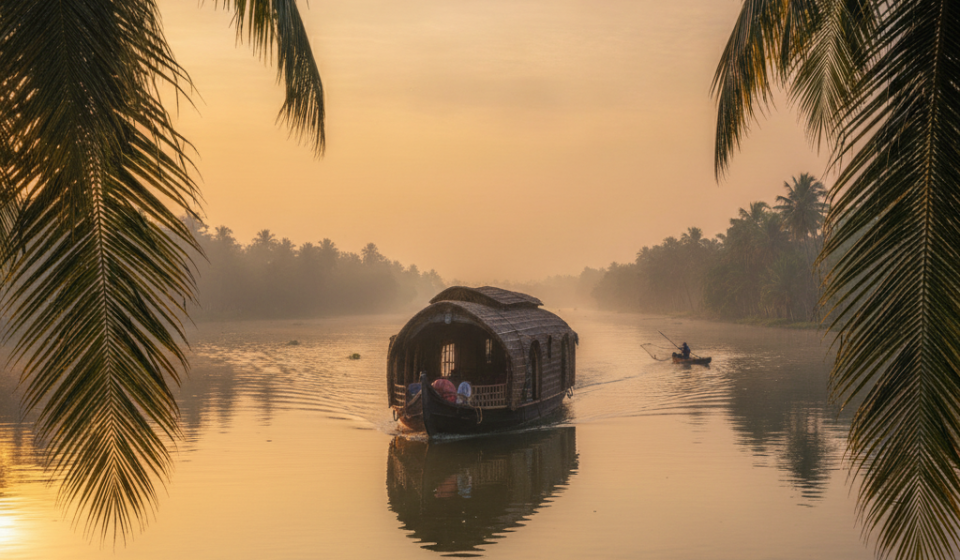
From Cochin, the route ascends into the Western Ghats to Munnar, a premier hill station surrounded by sprawling tea estates and misty peaks. After experiencing the cool mountain air, travelers descend to Alappuzha, the undisputed anchor of a nature-centric south india travel plan. Here, overnight stays on traditional kettuvallams (converted rice barges) offer a unique perspective on the slow-paced life along the palm-fringed canals. For first-time visitors, choosing pre-arranged Kerala tour packages can simplify the coordination of houseboats, spice plantation tours, and airport transfers.
“Cochin (Start) – Munnar (2 Days) – Thekkady (1 Day) – Alappuzha (2 Days) – Kovalam (2 Days)”
The journey finishes on the southern beaches of Kovalam, known for its iconic lighthouse and crescent-shaped beaches. The transition from mist-shrouded highlands to tranquil inland waterways highlights the geographic diversity of the state, making the task of integrating Kerala into a south india travel plan highly rewarding.
The Heritage and Nature Loop (Karnataka)
This route is tailored for travelers who appreciate a blend of grand royal history, dense wildlife sanctuaries, and coffee culture. Starting in the cosmopolitan hub of Bengaluru, the itinerary quickly moves to Mysuru, renowned for its spectacular Indo-Saracenic palace and rich silk-weaving heritage.
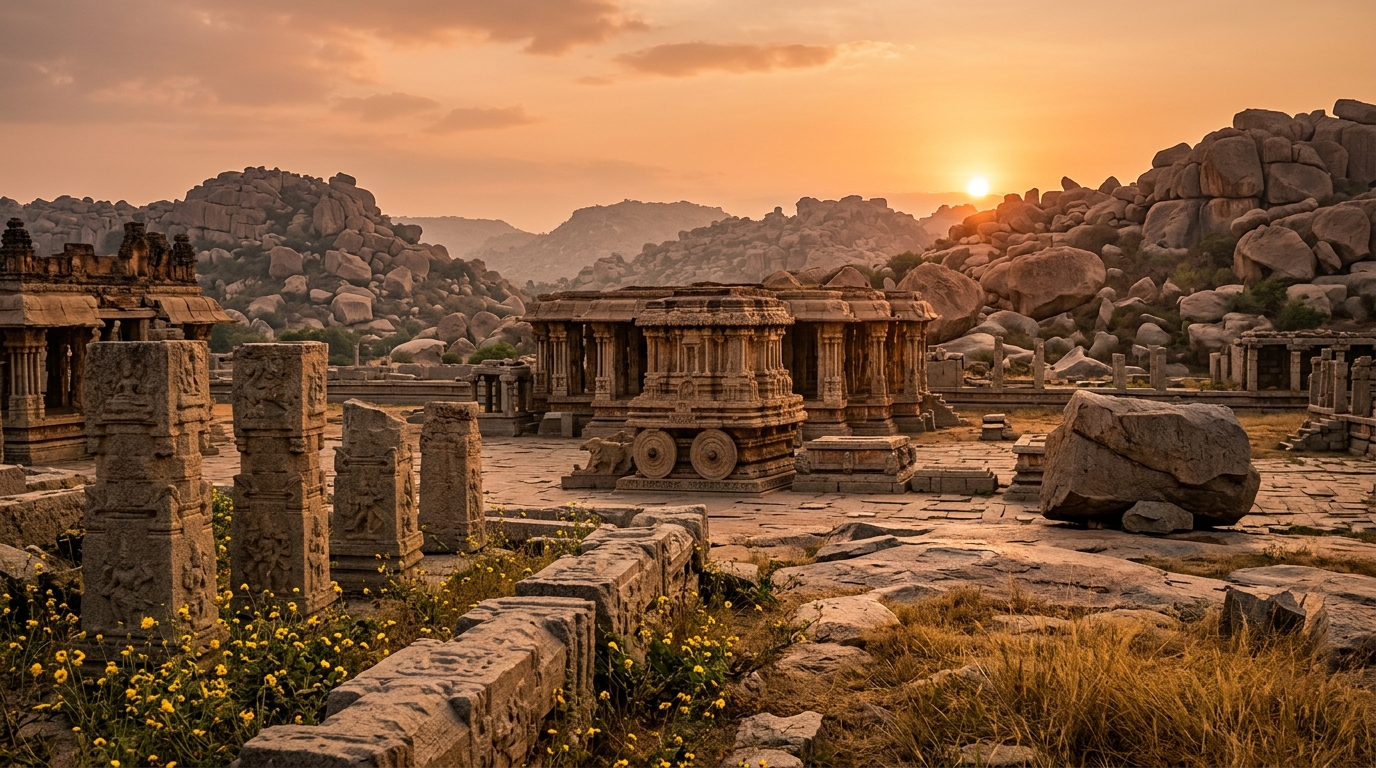
Moving further west, the route climbs into the verdant hills of Coorg, a region characterized by vast coffee plantations, spice gardens, and distinct local culinary traditions. Coorg serves as an exceptional sanctuary for those looking to escape the urban heat, making it a highly valuable addition to a south india travel plan. From the hills, the journey proceeds north toward the dramatic ruins of Hampi, the former capital of the Vijayanagara Empire, where thousands of ancient stone structures are scattered across a surreal, boulder-strewn landscape.
“Bengaluru (Start) – Mysuru (2 Days) – Coorg (2 Days) – Kabini (2 Days) – Hampi (3 Days)”
The journey can optionally include a safari in the Kabini forest reserve, famous for its leopards and Asian elephant herds, effectively rounding off this segment of the south india travel plan with an unforgettable wildlife experience.
Logistics, Transit, and Connectivity
Managing transportation is arguably the most critical aspect of executing a successful itinerary in the southern states. Due to the diverse terrain, which transitions rapidly from flat coastal plains to winding mountain passes, transit times can vary significantly even over short distances. This logistical reality must be factored into the planning phase to avoid exhaustion.
South India offers robust transport infrastructure, but selecting the right option depends on your destination:
- Air Travel: Major international and domestic hubs are located in Bengaluru, Chennai, Kochi, and Hyderabad, facilitating easy entry.
- Rail Travel: Managed by the Southern Railway zone, offering modernized express trains. It is an efficient, culturally immersive option for long distances—booking premium classes like First AC (1A) or Two-Tier AC (2A) well in advance is essential.
- Road Travel: Best reserved for shorter regional transfers or navigating hilly areas where train tracks do not reach.
For shorter regional transfers or travel within hill stations, hiring a private air-conditioned vehicle with a professional driver is the most reliable option. While self-driving is not recommended for first-time international visitors due to complex traffic patterns, private chauffeur services offer high flexibility and convenience. Critics say rapid transit is impossible; they are not entirely wrong, but they underestimate the efficiency of the express rail network. The following list outlines the primary modes of transport and their optimal use cases:
- Long-Distance Interstate Travel: Domestic flights or overnight sleeper trains.
- Intra-State Regional Travel: Chauffeur-driven private cars or express trains.
- Local City Transit: App-based ride-hailing services and auto-rickshaws for short distances.
- Hill Station Navigation: Private vehicles with drivers experienced in mountainous terrain.
Understanding these transport dynamics is fundamental to managing the logistics of a south india travel plan. Proper planning prevents common pitfalls, such as spending consecutive entire days in transit instead of exploring. Balancing these transport methods effectively also helps control overall budget allocations in a south india travel plan.
Key Cultural Nuances and Travel Etiquette
A successful journey through South India is as much about cultural appreciation as it is about sightseeing. The southern states hold deep pride in their ancient cultural heritage, classical arts, and religious traditions, which remain active parts of daily life. Being mindful of local customs greatly enhances interactions with residents and contributes to the overall success of a south india travel plan.
When visiting Hindu temples, strict dress codes and cultural norms are often enforced:
- Modest Attire: Both men and women must dress modestly, ensuring shoulders and knees are fully covered.
- Traditional Dress: In many temples across Tamil Nadu and Kerala, men may be required to wear a veshti (traditional sarong) and remove their shirts before entering the inner sanctum.
- Footwear Removal: Shoes must always be removed before entering temple premises or private homes. Utilize the supervised shoe-keeping stalls at temple entrances.
“The cultural landscape of South India is deeply rooted in ancient traditions that dictate daily conduct, social interactions, and architectural designs.”
Additionally, the concept of conservative hospitality is prevalent throughout the region. While locals are exceptionally warm and helpful, public displays of affection are generally frowned upon. It is also customary to use the right hand for eating, greeting, and exchanging money or objects, as the left hand is traditionally associated with personal hygiene. Familiarizing oneself with these small but significant social practices is crucial for an respectful south india travel plan.
Comprehensive Packing Directory for First-Time Visitors
Packing for a trip to the southern states requires careful consideration of the prevailing hot and humid climate, balanced with the need for modest attire in historical and religious sites. Light, breathable fabrics are the foundation of physical comfort during a south india travel plan.
Natural fibers such as cotton, linen, and lightweight bamboo are highly recommended, as they allow air circulation and absorb moisture effectively. While casual wear is perfectly acceptable in urban areas and beach resorts, having semi-formal, modest clothing on hand is essential for temple visits. Additionally, since footwear must be removed frequently at historical sites, slip-on shoes or high-quality sandals are far more practical than laced sneakers.
The following packing list serves as a reliable guide for first-time travelers:
- Clothing:
- Lightweight, loose-fitting cotton trousers and long skirts.
- Breathable, long-sleeved linen shirts to protect against the sun and insects.
- A lightweight shawl or scarf for women to quickly cover their shoulders when entering religious sites.
- Modest swimwear for beach destinations like Kovalam or Gokarna.
- Footwear:
- Comfortable, durable slip-on walking shoes or sports sandals.
- Socks to protect feet from hot stone floors in open-air temple complexes.
- Health and Protection:
- High-SPF broad-spectrum sunscreen and a wide-brimmed hat.
- Premium mosquito repellent containing DEET or Picaridin.
- Personal medication and a basic first-aid kit containing rehydration salts.
By aligning luggage contents with both climatic conditions and cultural requirements, travelers ensure a hassle-free and utility-driven south india travel plan.
Frequently Asked Questions
Addressing common queries systematically helps demystify the preparation process, providing clarity for those finalizing a south india travel plan.
What is the recommended duration for a first-time South India travel plan?
For an initial visit, a duration of 10 to 14 days is highly recommended. This timeframe allows travelers to explore two major regions (such as Kerala and western Tamil Nadu, or Karnataka and Goa) without rushing. Attempting to compress the vast southern peninsula into a shorter period often leads to excessive transit times and traveler fatigue. A structured 12-day itinerary provides a balanced pace, ensuring ample time for deep cultural immersion and relaxation, which is the cornerstone of executing a realistic south india travel plan.
How should one budget for a comprehensive south india travel plan?
Budgets can vary widely depending on the chosen level of comfort. Generally speaking, a mid-range budget of 5,000 to 8,000 INR (roughly 60 to 95 USD) per day per person covers comfortable three-star heritage hotel accommodations, private AC vehicle transfers, monument entrance fees, and meals at reputable local restaurants. Luxury travelers opting for five-star palace hotels, private luxury houseboats, and exclusive guided tours should anticipate spending upwards of 20,000 INR per day. Planning these expenses in advance helps maintain a balanced financial blueprint of a south india travel plan.
Is English widely spoken across the southern states?
Yes, English is widely spoken and understood across South India, particularly in urban centers, major tourist destinations, and within the hospitality industry. While the primary languages spoken are Dravidian (Tamil, Telugu, Kannada, and Malayalam), the high literacy rates in states like Kerala and Tamil Nadu translate to excellent English comprehension. Road signs, public transportation notices, and menus at restaurants are almost universally available in English. Learning a few basic words in the local language is always appreciated by residents, but language barriers rarely pose a significant obstacle to a well-organized trip.
What is the best time to visit south india for wildlife viewing?
The optimal period for wildlife safaris in national parks like Kabini, Bandipur, and Nagarhole is between March and May. During these dry pre-monsoon months, water sources deep within the forests dry up, forcing animals to congregate around remaining waterholes and riverbanks. While temperatures during these months are considerably higher, the sparse vegetation improves visibility, making it much easier to spot elephants, wild gaur, and tigers.