
Planning a journey across the southern peninsula of India requires more than just booking flights; it demands an appreciation of distinct cultural zones, microclimates, and architectural epochs. Developing a comprehensive South India travel plan requires balancing diverse landscapes, historic temple towns, and serene coastal stretches. Unlike the bustling, monuments-dominated itineraries of the north, the southern states offer a slower, more immersive experience. Those who execute a South India travel plan often discover that the southern states operate at a gentler tempo than the north. This guide provides an authoritative blueprint to help travelers manage the logistical complexities, cultural nuances, and regional highlights of the region.
Key Takeaways for Your South India Travel Plan
- Regional Clustering: Focus on cohesive geographical clusters (e.g., Kerala-Karnataka or Tamil Nadu-Puducherry) to minimize transit times and maximize depth of exploration.
- Unbroken Architecture: Witness active, ancient Dravidian stone temples in Tamil Nadu that survived historical conflicts intact.
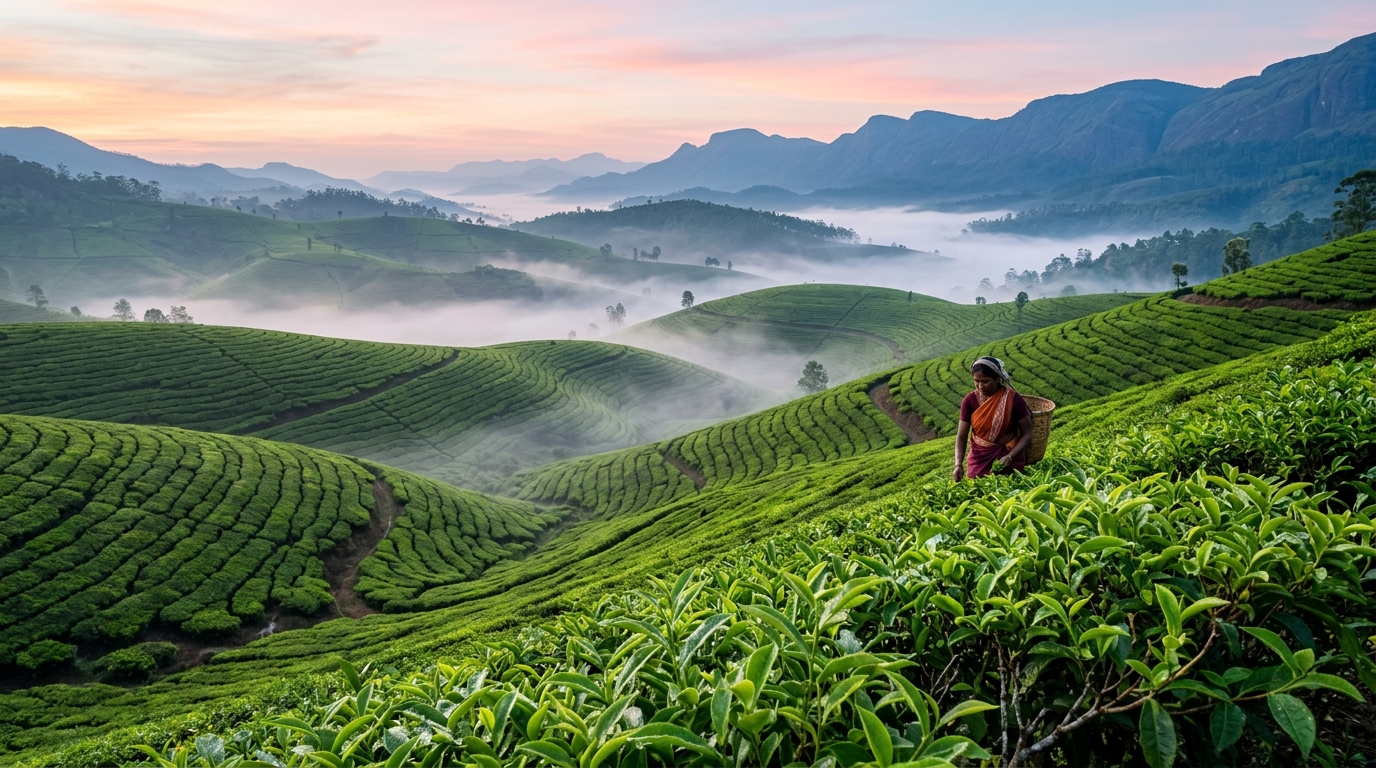
- Lush Geography: Immerse yourself in the sharp environmental transitions of the Western Ghats—from high-altitude misty tea plantations down to sea-level backwater canals.
- Seasonal Optimization: Target the cooler winter window (October to March) for cultural and heritage sightseeing to avoid heavy summer heat.
- Cultural Alignment: Always follow regional dress and footwear codes at sacred monuments to ensure smooth and respectful travel.
Why Choose South India for Your Next Journey?
Before committing to a specific South India travel plan, understanding the geographical diversity of the peninsula is essential. The region comprises five distinct states and two union territories, each boasting unique linguistic, culinary, and architectural traditions. While northern India is celebrated for its sandstone Mughal architecture, the south is the cradle of massive granite Dravidian temples, dense tropical forests, and extensive networks of backwaters.
But still, some travelers hesitate, wondering if the vast distances are manageable. The key lies in structured regional zoning. Instead of attempting to cover the entire peninsula, a professional approach focuses on cohesive clusters. This method ensures transit times are minimized while cultural immersion is maximized. Your South India travel plan should reflect this diversity by matching your interests to the right destinations.
Key Regions to Include in Your South India Travel Plan
Selecting the right anchor states is critical. A thorough South India travel plan will always account for internal travel times between these major regions. Your choice should align with your specific interests, whether you seek historical depth, natural landscapes, or coastal relaxation.
Kerala: The Serene Backwaters and Hills
A well-rounded South India travel plan must dedicate ample time to Kerala’s distinct geography. Known for its agricultural abundance and high quality of life (a result of historically progressive social policies), Kerala offers an entry point for those seeking nature and wellness. The region is characterized by the Western Ghats, which descend into spice plantations, tea estates, and ultimately the Arabian Sea.To ensure a diverse travel experience that balances mountain air with coastal tranquility, include these key Kerala highlights in your South India travel plan:
- Munnar: A premier hill station defined by sprawling tea estates and misty mountain air.
- Alappuzha Backwaters: Famed waterways where traditional houseboats offer overnight stays.
- Fort Kochi: A historic port town featuring iconic Chinese fishing nets and colonial architecture representing centuries of maritime trade.
For a deeper dive into these routes, explore our curated Kerala tour packages.
Tamil Nadu: Architectural Marvels and Ancient Temples
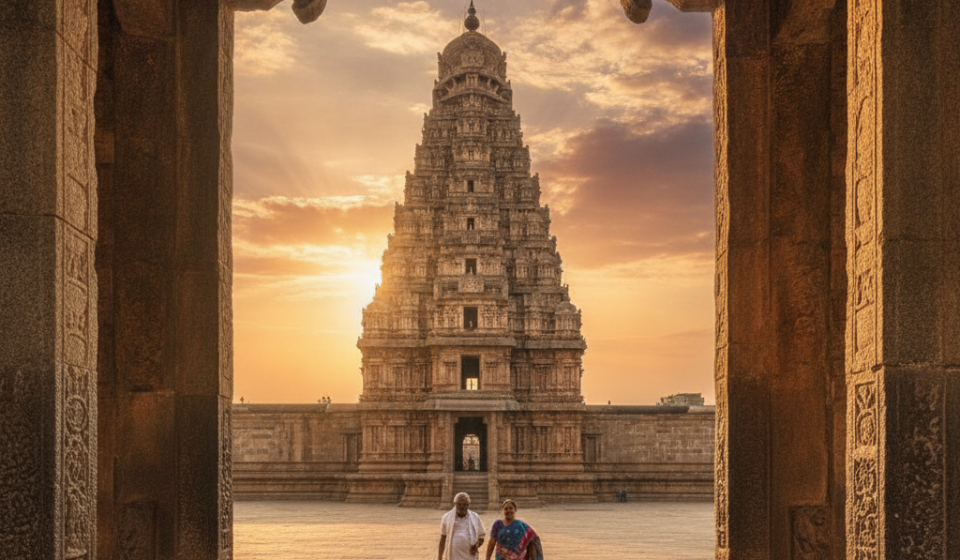
Integrating Tamil Nadu into your South India travel plan provides an unmatched window into Dravidian history. Unlike other parts of India where historical temples were destroyed during various invasions, Tamil Nadu’s monuments have remained largely intact for over a thousand years. This architectural continuity is evident in cities like Madurai, Thanjavur, and Mahabalipuram.
To experience these ancient wonders and scenic escapes firsthand, integrate these elements into your route:
- Great Living Chola Temples: Marvel at towering gopurams and massive granite structures that remain active centers of daily worship.
- Ooty: A classic hill station where colonial heritage meets lush botanical gardens and tea estates.
To experience these ancient wonders firsthand, you can book our custom Tamil Nadu tour packages.
Karnataka: Royal Heritage and Coffee Estates
Any ambitious South India travel plan should incorporate Karnataka’s diverse cultural assets. The state transitions from the bustling IT hub of Bengaluru to the royal city of Mysuru, and finally to the dense forests of Coorg. Mysuru Palace remains a major highlight, representing the zenith of Indo-Saracenic architecture under the Wodeyar dynasty.
Make sure to plan your Karnataka path around these unique assets:
- Mysuru Palace: The crown jewel of Indo-Saracenic architecture under the Wodeyar dynasty.
- Coorg (Kodagu): Misty hills providing a lush sanctuary for coffee and nature enthusiasts.
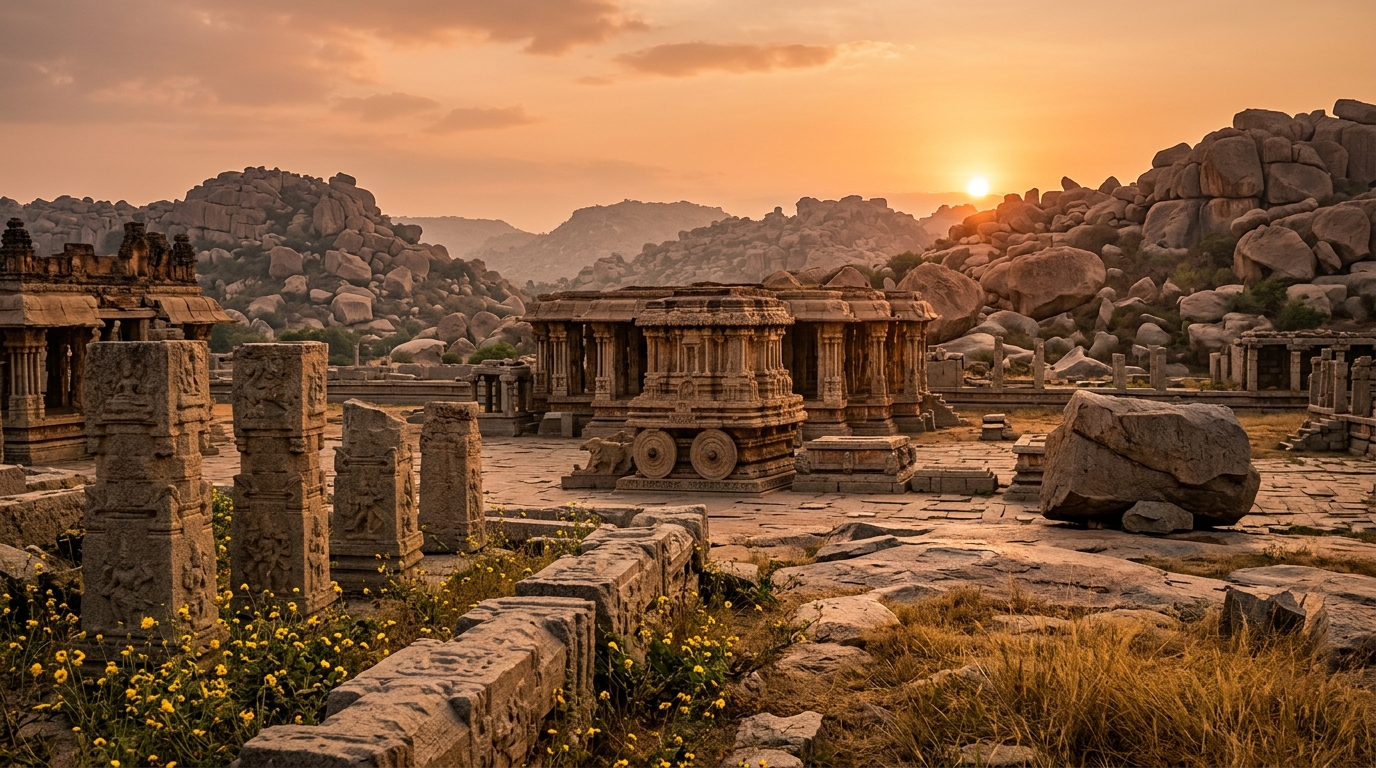
- Ruins of Hampi: A breathtaking, boulder-strewn stone landscape of the historic Vijayanagara Empire in the north that rivals any archaeological site globally.
For those interested in exploring these highlights, we recommend reviewing our tailored Coorg travel packages and our Bangalore and Mysore tour packages.
Puducherry: French Colonial Charm on the Coast
For travelers seeking a relaxed coastal vibe, adding Puducherry to the South India travel plan is highly recommended. This former French colony retains its distinctive European architecture, cobblestone streets, and mustard-colored villas in the White Town quarter. It offers a unique cultural synthesis where Tamil and French heritages coexist.
The town is also famous for the Sri Aurobindo Ashram and Auroville. Spending two days here provides a quiet interlude between temple-heavy tours, making it a valuable addition. Exploring our Puducherry tour packages can help you integrate this coastal enclave seamlessly.
Crafting Your South India Travel Plan: Recommended Itineraries
To maximize your time, structuring your journey around well-defined routes is crucial. Below are two highly optimized itineraries designed to suit different vacation durations and travel preferences, ensuring that transit times do not overshadow your exploration of each destination.
The Classic 10-Day Route: Culture and Nature
This route serves as an excellent foundational South India travel plan for first-time visitors. It focuses on the cultural treasures of Karnataka and the natural beauty of Kerala, providing a balanced introduction to the region. When mapping out your South India travel plan, consider balancing active sightseeing days with restful breaks to prevent travel fatigue.
Here is a detailed breakdown of the suggested 10-day itinerary:
| Day | Destination | Key Activities and Highlights |
|---|---|---|
| Day 1-2 | Bengaluru to Mysuru | Explore Mysuru Palace, Devaraja Market, and Chamundi Hill. |
| Day 3-4 | Coorg (Kodagu) | Tour coffee plantations, visit Abbey Falls and Bylakuppe Tibetan Settlement. |
| Day 5-6 | Wayanad | Discover Edakkal Caves, Banasura Sagar Dam, and wildlife sanctuaries. |
| Day 7-8 | Kochi | Explore Fort Kochi, Chinese Fishing Nets, and attend a Kathakali performance. |
| Day 9-10 | Alappuzha (Alleppey) | Overnight stay on a traditional houseboat cruise through the backwaters. |
This specific route covers roughly 450 kilometers, depending on local transit routes and road conditions. It transitions from urban sophistication to rural tranquility, ensuring a diverse perspective of the region. Travelers can expect to encounter contrasting topographies, from high-altitude plantation valleys to sea-level coastal plains, within just a few days of travel.
The Extended 14-Day Route: The Grand Southern Loop
A two-week South India travel plan allows for a deeper exploration of the interior regions, linking the eastern and western coasts. This grand loop starts in Chennai, the gateway to the south, and moves through French Puducherry, the temple hubs of Tanjore and Madurai, across the Western Ghats to Kerala, and concludes in Kochi.
By extending the journey to fourteen days, travelers can appreciate the subtle shifts in language, cuisine, and geography. For instance, the spicy, meat-heavy Chettinad cuisine of Tamil Nadu contrasts sharply with the coconut-infused vegetarian dishes of Kerala. This route requires more coordination, but the reward is an unparalleled, comprehensive understanding of South Indian heritage. It is particularly suited for history enthusiasts who wish to observe how architectural styles evolved from early rock-cut Pallava shrines to late Dravidian masterpieces.
Crucial Logistics for Your South India Travel Plan
Managing practical details efficiently is the difference between a stressful trip and a seamless holiday. Ensure your South India travel plan accounts for the seasonal variations, booking windows, and transportation options discussed below.
Best Time to Visit
Aligning the timing of your South India travel plan with regional weather patterns is critical for comfort. The southern peninsula experiences three distinct seasons: winter, summer, and monsoon. Each season offers unique advantages, though the winter months are globally preferred for general tourism.
The winter season (October to March) is widely considered the peak period for travel. During these months, temperatures range from a comfortable 18 degrees Celsius to 30 degrees Celsius, making outdoor exploration pleasant. Conversely, the summer months (April to June) bring high humidity and temperatures exceeding 38 degrees Celsius, though hill stations like Ooty and Coorg remain cool. The monsoon seasons (from June to September and October to November) bring heavy rainfall, which is ideal for Ayurvedic wellness treatments but can disrupt road travel.
Here is a summary of the recommended travel windows:
| Season | Months | Average Temp | Travel Recommendation |
|---|---|---|---|
| Winter | October – March | 18 – 30 C | Highly recommended for all regions and heritage sites. |
| Summer | April – June | 30 – 40 C | Best for hill stations and highland plantations. |
| Monsoon | June – September | 24 – 32 C | Ideal for Ayurvedic therapies; expect heavy coastal rain. |
As reported by regional tourism boards last year, peak booking rates occur in December and January, meaning accommodations during these months should be secured well in advance.
Transport and Connectivity
Seamless transit is the backbone of any successful South India travel plan. The southern states are well-connected by an extensive network of national highways, railways, and airports. For long distances, the Indian Railways network offers an efficient and culturally rich mode of travel, though booking tickets several weeks in advance is mandatory.
A successful South India travel plan must therefore prioritize comfortable and reliable transportation. For regional travel, hiring a private air-conditioned vehicle with a professional driver is the most flexible option. While some critics argue that rapid rail transit is always superior to road travel in India, they are not entirely wrong, but they underestimate the flexibility of private chauffeured vehicles, which allow for spontaneous stops at roadside temples, spice markets, and local eateries.
| Transport Mode | Best Used For | Pros | Cons |
|---|---|---|---|
| Private AC Sedan/SUV | Intercity transfers under 250 km, hill stations (Munnar, Coorg) | High flexibility, direct door-to-door transit, allows spontaneous sightseeing stops | Higher cost compared to public transport, subject to local road conditions |
| Express Trains (e.g., Shatabdi) | Longer journeys between major cities (e.g., Bengaluru to Chennai) | Extremely cost-effective, culturally rich, scenic landscapes, avoids road traffic | Requires advance booking (weeks ahead), fixed schedules, limited luggage space |
| Domestic Flights | Connecting distant hubs (e.g., Bengaluru to Kochi) | Fastest transit time over long distances | Airport transfer overheads, baggage limits, higher carbon footprint |
Additionally, major airports such as Kempegowda International in Bengaluru, Chennai International, and Cochin International offer direct global connectivity. This makes arriving and departing from different cities extremely convenient for open-jaw itineraries (where you land in one city and fly out of another).
Accommodation Options
Selecting the right lodging can transform a standard South India travel plan into an extraordinary journey. The region offers a diverse array of options, ranging from luxury heritage hotels to budget-friendly guesthouses. Understanding regional terminology is beneficial before booking.
For an authentic experience, consider staying in a heritage homestay (locally referred to as an ancestral home run by local families). These properties provide travelers with home-cooked meals and insights into local customs. In Kerala, staying in a licensed houseboat is a highlight, while Tamil Nadu features beautifully restored merchant mansions in the Chettinad region. Booking these unique accommodations at least four to six months in advance is highly recommended during the peak winter season.
Many luxury resorts operate on the Modified American Plan (MAP), which includes room charges, breakfast, and one major meal (usually dinner). This plan is highly cost-effective for travelers staying in remote plantation resorts where external dining options are limited.
Cultural Etiquette and Travel Tips
A respectful South India travel plan should account for regional social expectations, which are often more conservative than those in westernized global hubs. To ensure respectful interactions, keep the following guidelines in mind:
- Temple Dress Code: Both men and women must dress modestly when visiting religious sites. Shoulders and knees must be covered, and some conservative temples in Tamil Nadu require traditional attire (such as dhotis for men and sarees or salwar kameez for women).
- Footwear Etiquette: Always remove your shoes before entering temples, homes, and even certain local shops. Designated shoe-keeping stalls are usually available outside major monuments.
- Right-Hand Rule: Use your right hand for eating, offering money, or receiving items. The left hand is traditionally considered unclean in regional custom.
- Photography Permissions: While photography is permitted at most archaeological sites, it is strictly prohibited inside the inner sanctums of active temples. Always seek permission before photographing local residents.
Thus, adjusting your South India travel plan to include these sacred sites requires a bit of planning and cultural awareness, which deeply enriches the overall travel experience. Respecting these small traditions demonstrates awareness and fosters goodwill with the local hosts, opening doors to more genuine interactions.
FAQs
To assist in your preparation, we have compiled answers to the most frequently asked questions regarding southern Indian travel logistics.
What is the best way to get around South India?
For short regional distances (such as traveling between Cochin and Munnar), hiring a private car with a professional driver is widely considered the safest and most efficient method. For longer inter-state journeys, utilizing the express train network (such as the Shatabdi Express) or booking domestic flights between major hubs like Bengaluru, Chennai, and Kochi is highly recommended. Public state buses are available and incredibly budget-friendly, but they may not offer the comfort levels required for long-distance travel with luggage.
How many days are sufficient for a comprehensive South India travel plan?
How many days are sufficient for a comprehensive South India travel plan? The ideal duration for a South India travel plan depends entirely on your pace and interests. However, a minimum of ten to twelve days is recommended to cover a single primary region (such as the Kerala-Karnataka circuit or the Tamil Nadu-Puducherry circuit) without rushing. Attempting to cover all southern states in a single trip requires at least three to four weeks of continuous travel. For most travelers, focusing on a well-designed, shorter route yields a far more satisfying and relaxing experience.
Is South India safe for solo and family travelers?
South India is widely recognized as one of the safest regions in the country for both solo travelers and families. The local populations are generally welcoming, and violent crime rates against tourists are extremely low. However, standard travel precautions should still be observed. It is advisable to avoid traveling alone late at night in unfamiliar areas, use pre-booked registered taxis, and secure reliable travel insurance prior to departure. By maintaining situational awareness and respecting local customs, travelers can enjoy a hassle-free and deeply enriching journey.
Finalizing Your Southern India Experience
By finalizing a detailed South India travel plan, you can avoid common logistical bottlenecks and truly appreciate the region’s diverse offerings. Whether you find yourself drifting along the calm backwaters of Kerala, marveling at the towering granite structures of Thanjavur, or enjoying a freshly brewed cup of coffee in the highlands of Coorg, the southern states promise a deeply rewarding escape. The combination of ancient traditions, warm hospitality, and pristine natural beauty ensures that your journey will be remembered for years to come. Start organizing your itinerary today, and prepare to immerse yourself in the rich tapestry of experiences that only South India can offer.