Comprehensive South India Travel Plan: Itinerary, Tips & Must-Visit Destinations

Planning a journey across the southern peninsula of India requires more than just booking flights and selecting hotels. The region spans five distinct states, each presenting unique linguistic, architectural, and culinary characteristics. Establishing a comprehensive south india travel plan requires a systematic approach to balance historical exploration with natural recreation. From the dry Deccan plateau to the humid coastal areas, travelers must coordinate transit methods, regional festivals, and seasonal variations to ensure a successful journey. A poorly structured itinerary often leads to excessive travel times, which reduces the actual time spent exploring these ancient civilizations. A careful study of geography and local logistics is the true foundation of an efficient travel strategy. It is basically a series of deliberate decisions that prevent travelers from spending too much time on the road. Travelers follow specific guidelines, measure travel times and adjust as they go.
Key Takeaways
- Optimal Duration: A successful South India travel plan requires at least 10 to 14 days to explore 2–3 states comfortably.
- Best Season: The winter season (October to March) offers the most pleasant temperatures for heritage tours and sightseeing.
- Diverse Highlights: Ensure your route balances architectural wonders (Hampi, Madurai), heritage towns (Mysore), and natural landscapes (Munnar, Alleppey).
- Logistics: Hiring a private vehicle with an experienced local driver is the most efficient way to manage inter-state and rural transport.
Why Planning a Southern Journey Requires a Structured Approach
When executing a south india travel plan, travelers must recognize that South India is not a singular, uniform territory. It is a massive geographical area spanning over 640,000 square kilometers (depending on which coastal islands are included). A structured south india travel plan helps prevent the common mistake of over-scheduling, which often leads to physical exhaustion. For example, moving from the western coast of Kerala to the eastern temples of Tamil Nadu requires cross-country transit that can consume an entire day of travel.
Understanding this regional diversity is essential for an effective tour. A well-organized strategy helps travelers successfully navigate several critical regional variations:
- Transportation Infrastructure: Coordinating different state-level road systems, toll regulations, and regional transit lines.
- Culinary Heritage: Adjusting to wildly distinct flavor profiles, from coconut-infused Kerala stews to robustly spiced Tamil Nadu Chettinad dishes.
- Linguistic Landscapes: Interacting with local communities across distinct linguistic zones speaking Kannada, Malayalam, and Tamil.
Using a professional travel operator can help coordinate these complex logistics, allowing one to focus entirely on the cultural depth of each region. Rather than rushing through multiple states in a single week, focusing on a few key areas provides a much richer travel experience.
The Optimal Seasonal Window for Your South India Travel Plan
Selecting the optimal season is a critical element of any south india travel plan. The southern peninsula experiences a tropical climate, but weather patterns vary significantly between the coastal areas and the inland highlands. Generally speaking, the winter season from October to March is the most favorable time for a comprehensive tour. During these months, temperatures remain moderate, ranging from 15 degrees Celsius to 30 degrees Celsius, depending on the specific altitude and proximity to the ocean.
But still, traveling during other periods offers unique advantages for specific destinations. The monsoon season, which lasts from June to September, transforms the Western Ghats into a lush, green environment. As reported by the Indian Meteorological Department, the southwest monsoon contributes roughly 80% of the annual rainfall in Kerala between June and September, making it an excellent period for traditional Ayurvedic therapies and waterfall viewing. Conversely, the summer months of April and May are best spent in high-altitude sanctuaries such as Coorg, where the cooler climate provides a welcome relief from the intense heat of the lowlands. A well-developed south india travel plan should take these atmospheric trends into account. Ultimately, a south india travel plan should ideally target these seasonal nuances to maximize comfort and ensure that chosen activities align with local weather conditions.
| Season | Ideal Months | Average Temperature Range | Key Highlights & Activities |
|---|---|---|---|
| Winter (Peak Season) | October – March | 15°C – 30°C | Perfect for temple sightseeing, beach visits, and cultural heritage exploration. |
| Monsoon | June – September | 22°C – 32°C | Lush green landscapes in the Western Ghats; ideal for traditional Ayurveda therapies in Kerala. |
| Summer | April – May | 25°C – 40°C | Best spent in cool, high-altitude hill stations like Coorg, Munnar, and Ooty. |
A Comprehensive 14-Day South India Itinerary
Executing a 14-day south india travel plan offers a balanced timeframe to explore the core regions of Karnataka, Kerala, and Tamil Nadu. Two weeks permit a logical progression from the historic monuments of Bangalore and Mysore, through the natural waterways of Kerala, to the ancient architectural monuments of Tamil Nadu. Trying to cover more territory within this timeframe usually results in excessive transit times and diminished enjoyment.
To help travelers organize this journey, the table below outlines a standard distribution of days, highlight destinations, and primary transit modes for a balanced two-week route.
| Day Range | Core Region | Primary Destinations | Recommended Activities | Key Transit Mode |
|---|---|---|---|---|
| Days 1 – 4 | Karnataka | Bangalore, Mysore, Kabini | Palace tours, wildlife safaris, heritage walks | Private Vehicle / Train |
| Days 5 – 9 | Kerala | Munnar, Thekkady, Alleppey | Tea plantation walks, spice tours, houseboat cruises | Private Vehicle |
| Days 10 – 14 | Tamil Nadu | Madurai, Karaikudi, Chennai | Temple architectural tours, heritage walks, culinary exploration | Train / Flight |
Days 1 to 4: The Cultural and Heritage Heart of Karnataka
For the initial phase of this south india travel plan, the focus lies on the historical and environmental heritage of Karnataka. The journey commences in Bangalore, the administrative capital and a key aviation hub. A one-day stay allows travelers to recover from travel fatigue while exploring the Tudor-style Bangalore Palace.
On the second day, transit to Mysore, situated approximately 140 kilometers southwest. Mysore is renowned for its royal heritage, centered around the magnificent Mysore Palace. The palace represents an exquisite blend of Indo-Saracenic architecture, featuring delicate carvings and grand durbar halls. After exploring the palace, travelers should ascend Chamundi Hill to view the ancient Sri Chamundeshwari Temple and the colossal Nandi monolith.
The fourth day is best allocated to the Kabini forest reserve, part of the Nagarhole National Park. Kabini offers some of the finest wildlife viewing opportunities in the country, especially for observing Asian elephants, gaurs, and the elusive leopard.
Days 5 to 9: The Natural Splendour and Backwaters of Kerala
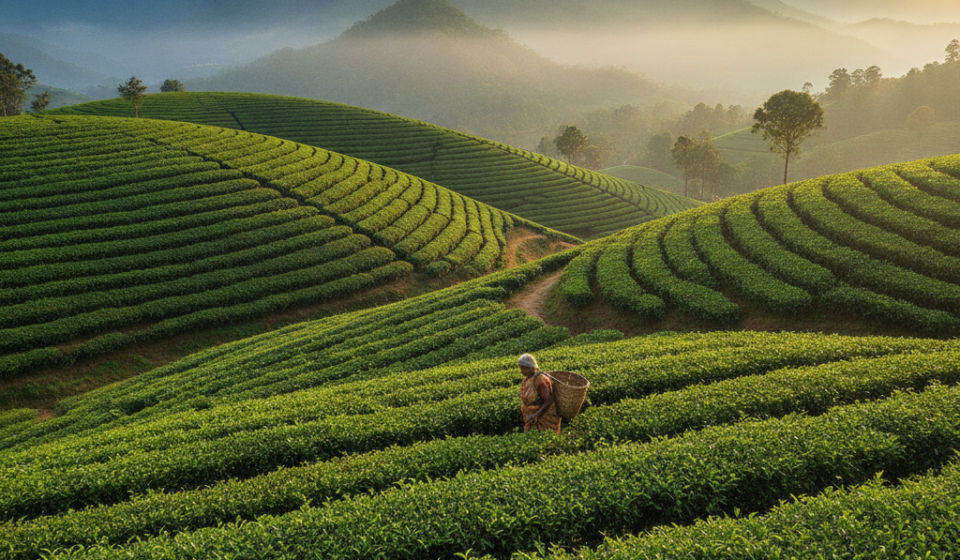
As the south india travel plan shifts to the west, travelers enter the state of Kerala, often characterized by its lush greenery and slow-paced lifestyle. To begin this segment, travelers can book custom itineraries via the dedicated Kerala travel packages. The route ascends into the Western Ghats to reach Munnar, a premier hill station situated at an altitude of approximately 1,600 meters, famous for its vast, manicured tea estates.
From Munnar, the journey proceeds southward to Thekkady, the gateway to Periyar National Park, famous for its lake where boat safaris allow travelers to observe wild elephants along the water’s edge.
On the eighth and ninth days, travelers descend to the coastal plains of Alleppey to experience the famous backwaters on a traditional houseboat. It is a peaceful, slow-paced environment that provides a much-needed rest after several days of active overland travel.
Days 10 to 14: The Architectural Masterpieces of Tamil Nadu
The final phase of the south india travel plan involves crossing the Western Ghats eastward into Tamil Nadu, celebrated for its Dravidian temple architecture. According to data published by the Ministry of Tourism in late 2023, Tamil Nadu continues to lead domestic tourist visits in the country, attracting millions of cultural seekers annually. Travelers can book our curated Tamil Nadu travel packages to ensure a smooth transition. The first stop is Madurai, dominated by the colossal Meenakshi Amman Temple complex.
Following the spiritual immersion in Madurai, the itinerary proceeds to Chettinad, famous for its opulent 19th-century mansions built by prosperous merchant families using imported Burmese teak. The region is also globally renowned for its distinct, aromatic cuisine, which utilizes sun-dried meats and complex spice blends.
The journey culminates in Chennai, the capital of Tamil Nadu. Key sites include Fort St. George and the San Thome Basilica. A leisurely walk along Marina Beach, the second-longest natural urban beach in the world, offers a fitting conclusion to this comprehensive regional exploration before travelers depart via Chennai International Airport. For this reason, a south india travel plan must balance urban destinations with cultural centers.
Must-Visit Destinations: A Deep Dive into Key Regions
No comprehensive south india travel plan is complete without a detailed understanding of the standout destinations that define the region’s identity. While the 14-day itinerary covers a logical transit route, certain locations deserve a closer examination of their cultural, historical, and geological significance. Understanding these details helps travelers appreciate the context of what they are observing, converting a simple vacation into an enriching educational experience.
Munnar and the Western Ghats
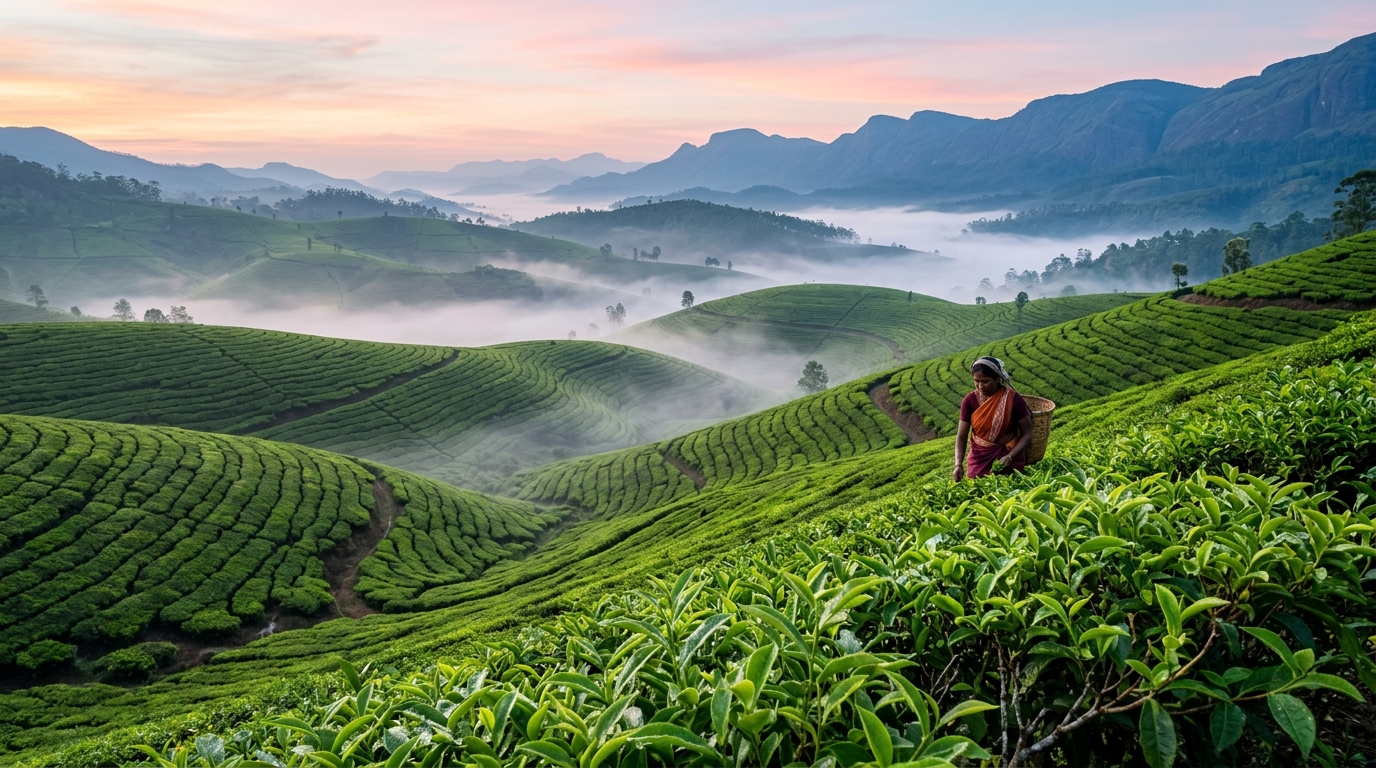
When organizing a south india travel plan, Munnar stands out as an indispensable highland destination. The Western Ghats mountain range is older than the Himalayas and is recognized as a UNESCO World Heritage site due to its exceptional biodiversity. Munnar represents one of the most accessible areas of this range, where the cool climate is perfect for outdoor activities.
Historically, the British developed Munnar as a summer resort. Today, the endless green hills resemble a manicured garden. Key sites include the Tata Tea Museum and Anamudi Peak, the highest point in South India at 2,695 meters. For trekkers, the region offers scenic trails through the cloud forests, where one can observe endemic flora and fauna. Therefore, adding this pristine destination to a south india travel plan remains a popular choice.
The Ancient Ruins of Hampi
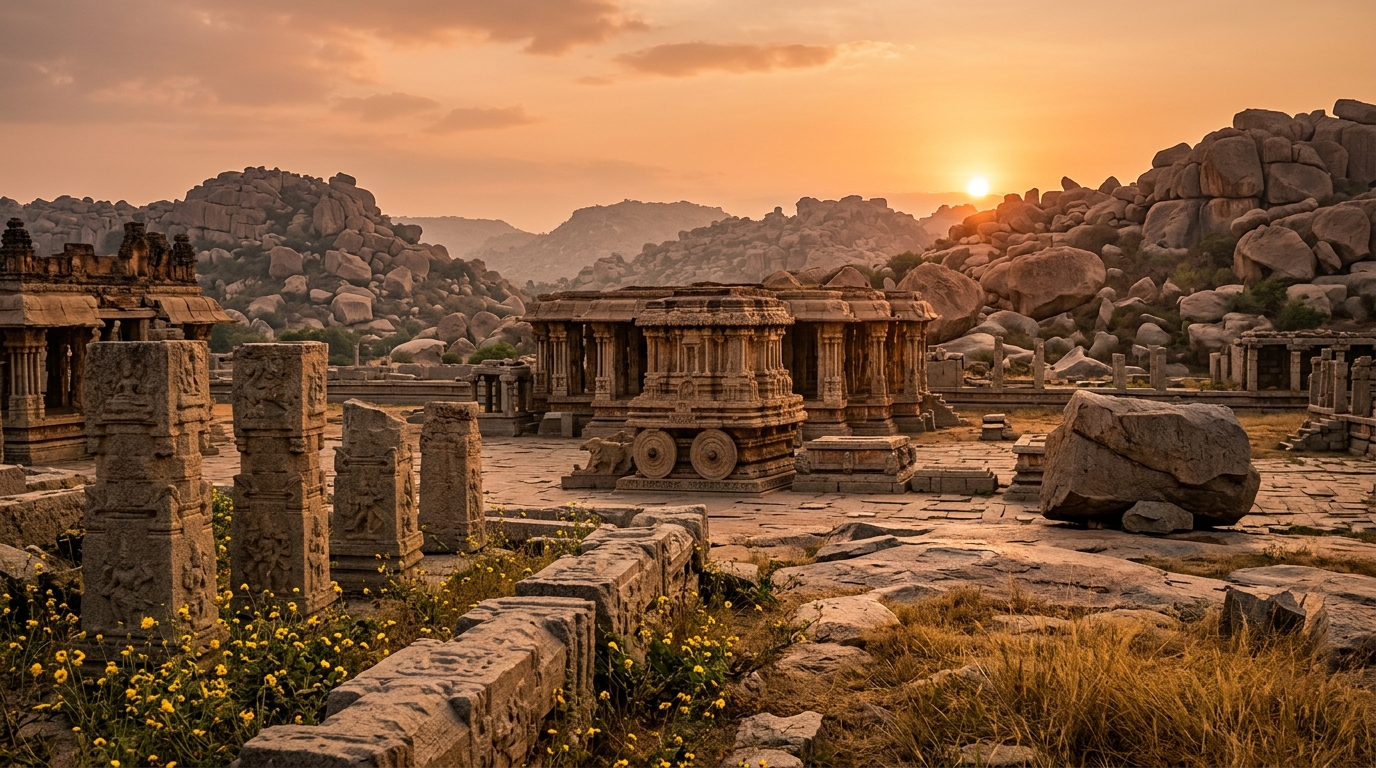
Integrating Hampi into a south india travel plan requires an overland detour to northern Karnataka, but the reward is an unparalleled archaeological spectacle. Hampi was the capital of the Vijayanagara Empire during the 14th century, once described by travelers as one of the largest and most prosperous cities in the world. Today, it is a vast UNESCO World Heritage site scattered across a dramatic, boulder-strewn terrain.
The ruins of Hampi are split into two primary zones:
- The Sacred Center: Dominated by the active, historic Virupaksha Temple, which features a monumental 49-meter gopuram, riverside shrines, and ancient bazaar structures.
- The Royal Center: Home to impressive administrative and residential structures, including the beautiful Lotus Mahal, the Queen’s Bath, and the majestic Elephant Stables.
Exploring this vast site requires at least two full days to appreciate its historical depth. Including Hampi in a south india travel plan ensures a deep appreciation of historical architecture.
The Majestic Temples of Madurai
A dedicated south india travel plan must allocate sufficient time to experience the intense spiritual energy of Madurai, particularly the Meenakshi Amman Temple. Unlike the historic ruins of Hampi, Madurai’s heritage is a living, breathing tradition that has continued uninterrupted for over two millennia. The city is constructed in a concentric grid pattern radiating outward from the central temple complex, reflecting ancient principles of Hindu town planning.
The Meenakshi Amman Temple is a masterpiece of late Dravidian architecture, featuring 14 monumental gopurams covered in thousands of vibrant, multi-colored stucco figures. The temple’s interior is equally awe-inspiring, containing the Hall of a Thousand Pillars. The evening temple ceremony, where an image of Lord Shiva is carried in a formal procession to the shrine of Goddess Meenakshi, is a powerful sensory experience of bells, incense, and traditional music that travelers should not miss.
Essential Logistics: Transport, Accommodation, and Culture
To ensure a frictionless experience, a south india travel plan must address the practical realities of long-distance travel, regional hospitality, and cultural norms. Southern India is generally safe and welcoming, but a lack of preparation regarding transport connections and social expectations can cause unnecessary friction.
An effective south india travel plan utilizes a combination of transport modes to optimize time and budget. While long-distance trains are excellent for overnight travel between major cities, hiring a private vehicle with an experienced local driver remains the most efficient option for exploring rural areas, hill stations, and temple towns.
To facilitate smooth travel planning, the following list outlines essential cultural and practical tips:
- Footwear Regulations: Travelers must remove their shoes before entering any temple premises, historic shrines, or traditional homes.
- Dress Etiquette: Modest clothing is mandatory when visiting religious sites. Both men and women should cover their shoulders and knees.
- Photography Restrictions: While photography is permitted in outer courtyards, taking photos within the inner sanctum is strictly prohibited.
- Guide Services: Hiring a licensed local guide at major monument sites like Hampi or Madurai is highly recommended to understand the complex mythological stories depicted on the temple walls.
Financial Planning and Cost Breakdown
Determining the cost of a south india travel plan involves analyzing several variables, including the category of accommodation, transport preferences, and daily experiential costs. South India is a versatile destination that can accommodate budget-conscious travelers, mid-range family travelers, and FIT (Free Independent Traveler) bookings.
A realistic budget for a south india travel plan should categorize expenses into clear segments to avoid unexpected shortfalls. Below is a detailed cost breakdown representing estimated mid-range expenses for a single traveler (assuming double occupancy) over a 14-day duration. To optimize expenses, travelers can align their south india travel plan with regional transport connections.
| Expense Category | Estimated Cost (INR) | Description / Inclusions |
|---|---|---|
| Accommodation (Mid-Range) | ₹70,000 – ₹1,40,000 | Comfortable 3-star to 5-star hotels and boutique heritage stays |
| Local Transport (Private Car) | ₹42,000 – ₹56,000 | Air-conditioned sedan/SUV, driver allowances, toll taxes, and fuel |
| Meals & Dining | ₹14,000 – ₹28,000 | Traditional banana-leaf meals, regional specialty dining, and bottled water |
FAQs
What is the minimum recommended duration for a South India travel plan?
When designing a south india travel plan, the minimum recommended duration is ten to fourteen days. This timeframe allows travelers to cover at least two distinct states without spending excessive time in transit.
How can travelers manage local transportation across multiple states?
To manage local transportation within a south india travel plan, hiring a private vehicle with a professional driver is the most reliable method. Alternatively, booking overnight trains well in advance is highly recommended for long-distance transits.
Are there specific dress codes required when visiting temples?
A major cultural aspect of any south india travel plan is visiting the majestic, historic temples. Most active Hindu temples in South India maintain strict traditional dress codes. Men must wear formal trousers or traditional sarongs, while women are expected to wear modest clothing covering the shoulders and knees.