
Planning a trip across the southern peninsula of India requires structural clarity. A comprehensive south india travel plan acts as a strategic roadmap for those seeking to understand the architectural grandeur, coastal systems, and distinct cultural traits of this historic region. From the carved stone facades of ancient dynasties to the silent networks of brackish canals, the geographical diversity demands a methodical approach. It is basically a journey where logistics dictate the quality of experience. Travelers often struggle to balance the vast distances between temple towns and high-altitude tea plantations. This guide simplifies those complexities, offering a balanced, reliable framework to execute a memorable south india travel plan.
Key Takeaways
- Optimal Route Structure: A highly efficient 14-day loop across Tamil Nadu, Puducherry, Kerala, and Karnataka.
- Best Time to Travel: October to March offers comfortable weather (22°C to 32°C) for extensive outdoor exploration.
- Flexible Budget Options: Daily costs range from ‚1,200 to ‚25,000+ depending on whether you choose budget, mid-range, or luxury accommodations.
- Transit Planning: Combining long-distance express trains with private hired cars ensures both affordability and maximum comfort.
Strategic Overview of South India
Achieving a successful travel experience in the southern states depends entirely on geographic prioritization. Unlike the northern plains, the southern peninsula features a high plateau bordered by two distinct mountain ranges, the Western and Eastern Ghats. This topography creates micro-climates that can alter travel times and seasonal suitability. Anyone structuring a south india travel plan must recognize that trying to cover five states in a fortnight leads to exhausting transit schedules. It is far more efficient to focus on specific cultural or geographical corridors. For instance, the coastal route offers colonial maritime history, while the interior plateau reveals deep-rooted royal legacies.
A well-balanced south india travel plan often starts in the bustling transport hubs of Chennai or Bengaluru before moving toward the quieter coastal stretches. But still, the temptation to rush through these staging cities is common. Many travelers view them merely as transit points. And yet, these urban spaces hold key historical insights, such as colonial forts and traditional arts academies. By allocating proper time to these entry points, the overall journey gains structural depth. When executing your south india travel plan, dividing the region into regional circuits is highly recommended. It helps prevent administrative exhaustion and allows for a deeper appreciation of local cuisines and customs.
| Region / State | Key Highlight | Best Entry Point | Ideal Days |
|---|---|---|---|
| Tamil Nadu | Ancient Dravidian temple architecture | Chennai (MAA) | 3-4 Days |
| Pondicherry | French colonial streets & beach promenades | Chennai (by road) | 2 Days |
| Kerala | Mist-laden tea hills & peaceful backwaters | Kochi (COK) | 4 Days |
| Karnataka | Heritage palaces & rich coffee plantations | Bengaluru (BLR) | 3-4 Days |
The Perfect 14-Day South India Itinerary
This structured two-week route provides a comprehensive introduction to the regional diversity of the peninsula. It balances the temple architecture of the eastern plains with the cool elevations of the Western Ghats and the coastal waterways of the Arabian Sea. This south india travel plan is designed for optimal logistical flow, minimizing unnecessary backtrack routes and long, unproductive road transfers. This specific south india travel plan relies on a mix of rail travel, private hires, and walking tours to ensure a diverse, engaging perspective on daily local life. This curated South India itinerary balances active sightseeing with dedicated periods of rest, preventing the physical exhaustion that often accompanies long-distance journeys.
Days 1 to 3: Cultural Heritage of Tamil Nadu
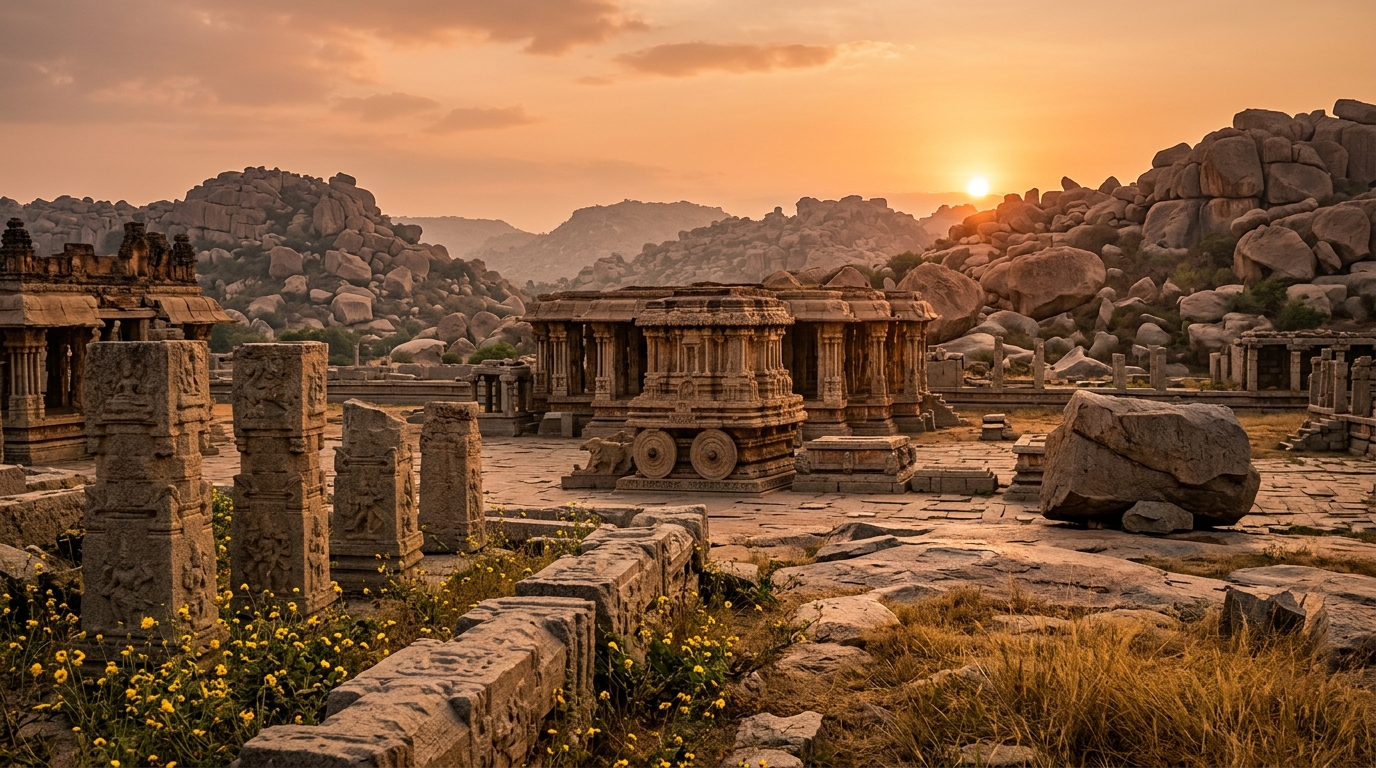
The journey begins in Chennai, the capital of Tamil Nadu, before moving south to coastal Mahabalipuram. This phase of the south india travel plan focuses heavily on Pallava and Chola dynasty architecture. The monuments at Mahabalipuram, carved directly out of granite cliffs in the seventh century, showcase early Dravidian style. Visitors can explore the Shore Temple and the Five Rathas, which demonstrate remarkable preservation. As the Indian Ministry of Tourism reported in 2025, domestic arrivals in Tamil Nadu rose by 12% following infrastructure improvements.
On the third day, the route shifts inland toward Madurai, one of the oldest continuously inhabited cities in the subcontinent. To maximize your cultural immersion in Tamil Nadu, keep these highlights in mind:
- Mahabalipuram: Marvel at the granite-carved Shore Temple and the Five Rathas from the 7th century.
- Madurai: Experience the massive Meenakshi Amman Temple complex featuring fourteen gopurams and active evening ceremonies.
- Travel Logistics: Book express trains early, as the transit between Chennai and Madurai takes approximately eight hours.
Days 4 to 6: French Coastline in Pondicherry
Moving toward the Coromandel Coast, travelers reach the former French enclave of Pondicherry (now officially known as Puducherry). This segment of the south india travel plan introduces a complete change in architectural style and cultural atmosphere. The French Quarter, with its mustard-colored colonial villas, tree-lined avenues, and chic cafes, offers a stark contrast to the busy temple towns of Tamil Nadu. It is basically an ideal place to slow down the pace of travel.
While exploring Pondicherry, dedicating a day to Auroville is highly recommended. This experimental township, founded in 1968, attracts global residents focused on human unity and sustainable living. The Matrimandir, a massive golden sphere situated at the center of the town, serves as a silent meditation space. Adding this coastal retreat to your south india travel plan ensures a balanced rhythm, preventing temple fatigue while introducing modern social experiments. As far as current data suggests, renting a two-wheeler is the most efficient way to traverse the narrow lanes of the White Town. Travelers can easily spend their afternoons cycling along the Promenade Beach, stopping at local bakeries that still prepare traditional French pastries using vintage wood-fired ovens.
Days 7 to 10: Hill Stations and Backwaters of Kerala
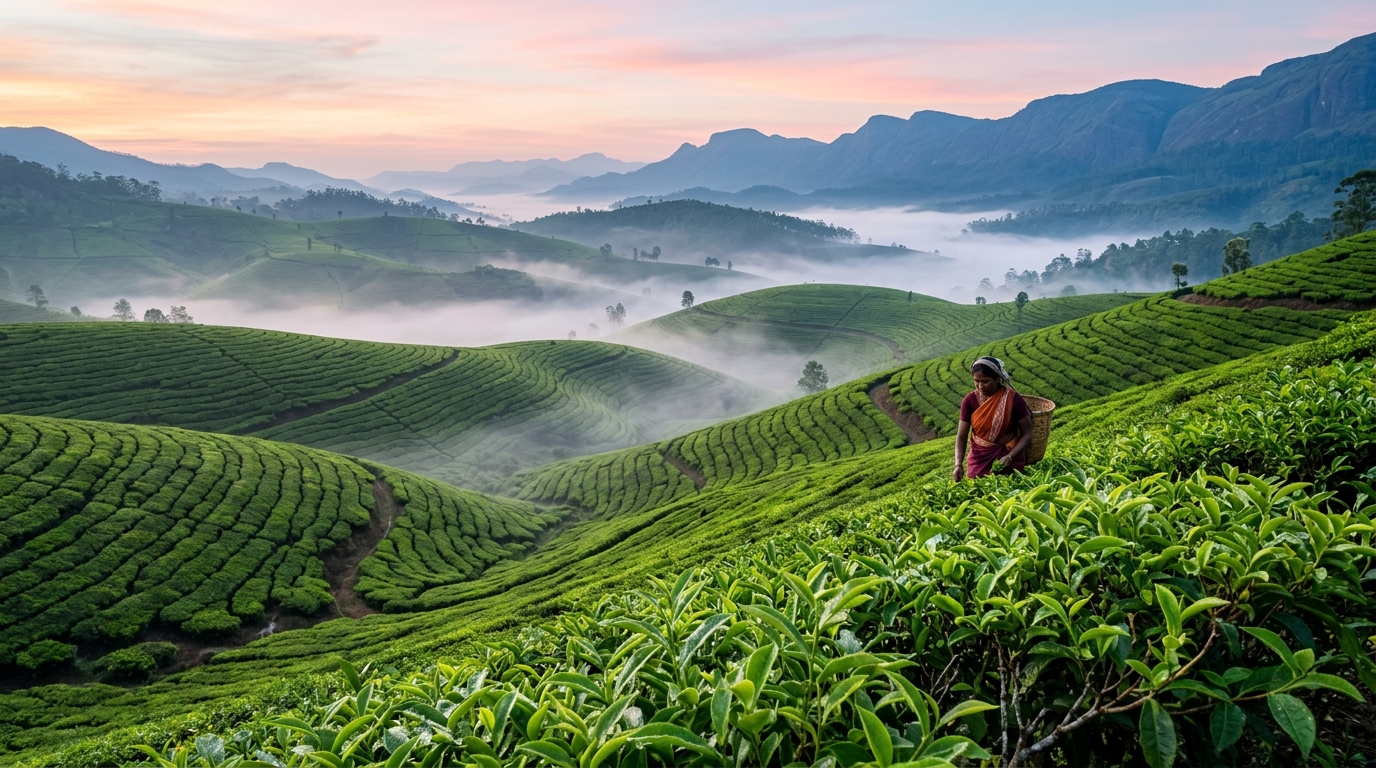
Crossing the Western Ghats brings the journey into Kerala, a state defined by its dense tropical forests and coastal lagoons. This transition is dramatic, making it a critical phase of the south india travel plan. The first stop is Munnar, a high-altitude hill station surrounded by vast, rolling tea plantations. The cool mountain air and misty valleys provide a welcome respite from the coastal heat. Visitors can trek through the Eravikulam National Park, which is home to the endangered Nilgiri tahr (a rare mountain goat species).
After the hills, the south india travel plan descends to the backwaters of Alappuzha (often called Alleppey). When planning your Kerala experience, prioritize these unique activities:
- Trek in Munnar: Spot the rare, endangered Nilgiri tahr at the Eravikulam National Park.
- Houseboat Stays: Rent a traditional wooden kettuvallam to glide along Alappuzha’s quiet, palm-fringed canals.
- Ayurvedic Therapies: Try traditional wellness treatments, highly recommended during the cooler or rainy monsoon months.
Days 11 to 14: Palaces and Coffee Estates in Karnataka
The final leg heads north into Karnataka, stopping first in Mysore. This historic city is famous for its royal heritage, centered around the majestic Mysore Palace. The palace architecture combines Hindu, Islamic, Gothic, and Rajput styles, creating a spectacular landmark, particularly on Sunday evenings when it is illuminated by nearly one hundred thousand light bulbs. Incorporating Mysore into the south india travel plan offers a glimpse into Wodeyar dynasty lifestyles.
From Mysore, the route travels into the lush hills of Coorg, a region famous for coffee estates and distinct culture. The Kodava people have unique customs, traditional dress, and a rich culinary heritage featuring spicy dishes. Visitors can tour a working plantation, learning about Arabica and Robusta cultivation. Designing this transition into your south india travel plan provides an educational look at agricultural traditions. The journey concludes in Bengaluru, where traditional markets exist alongside modern microbreweries, illustrating how ancient heritage coexists with modernization.
Best Time to Visit South India
Determining the timing of your journey is crucial to avoid extreme weather conditions that can disrupt transit plans. The southern peninsula experiences three distinct seasons: a hot summer, a wet monsoon, and a mild winter. For a successful south india travel plan, targeting the cooler winter months between October and March is highly advisable. During this period, temperatures remain comfortable, ranging from 22 to 32 degrees Celsius, making outdoor exploration and temple tours much more manageable.
Conversely, attempting a south india travel plan during the summer months (April to June) can be physically exhausting due to high humidity and temperatures regularly exceeding 40 degrees Celsius in the plains. Understanding the best time to visit South India helps travelers avoid these extreme heat waves. However, the hill stations like Munnar and Coorg remain pleasant during this time, offering a cooler retreat. The monsoon season, which runs from June to September, brings heavy rainfall, particularly along the western coast of Kerala. While the rain turns the countryside exceptionally green, it can lead to localized flooding and landslides in hilly areas. But still, travelers interested in traditional Ayurvedic treatments often find the monsoon to be the ideal time, as the cool, humid climate is considered optimal for therapeutic recovery.
Comprehensive South India Budget Guide
Budgetary planning for a journey through the southern states requires a clear understanding of regional cost structures. While South India is generally more affordable than many Western destinations, costs can vary significantly depending on the level of comfort and speed of transport selected. A well-designed south india travel plan must account for daily expenditures, entry fees, and unexpected transit costs. Having a clear fiscal outline ensures that your south india travel plan remains realistic and stress-free.
To assist in your financial preparations, this South India budget guide breaks down daily expenses across three distinct travel styles. These figures are based on recent regional tourism data and represent reliable averages for planning purposes.
| Travel Style | Daily Accommodation | Daily Food and Water | Daily Transport |
|---|---|---|---|
| Budget | ₹1,200 – ₹2,000 ($15 – $25) | ₹600 – ₹1,000 ($8 – $12) | ₹400 – ₹800 ($5 – $10) via public buses/trains |
| Mid-Range | ₹3,500 – ₹6,500 ($42 – $78) | ₹1,500 – ₹2,500 ($18 – $30) | ₹2,500 – ₹4,000 ($30 – $48) via private cabs |
| Luxury | ₹12,000 – ₹25,000+ ($145 – $300+) | ₹4,000 – ₹7,000 ($48 – $84) | ₹5,000 – ₹8,000 ($60 – $96) for premium private SUV |
Transportation Costs
Transportation forms the financial backbone of any south india travel plan. Long-distance express trains are highly cost-effective and provide a scenic window into local geography. For instance, a second-class air-conditioned sleeper ticket on a major route costs roughly ₹800 (depending on the distance). For those prioritizing speed, domestic flights connect major cities like Chennai, Kochi, and Bengaluru, but these require booking several weeks in advance to secure reasonable rates.
If your south india travel plan relies on flexibility, hiring a private car with a dedicated driver is the most efficient choice, though it comes at a premium. This option typically costs between ₹3,000 and ₹4,500 per day, covering fuel, driver allowance, and interstate tolls. This is a highly reliable way to access remote monuments and hill stations without relying on irregular public bus schedules. For local city travel, auto-rickshaws are widely available, though negotiating the fare before boarding is necessary unless they use a digital meter app.
Accommodation and Dining Options
Lodging and food costs are highly flexible components of a south india travel plan. The region offers a wide range of options, from simple family-run homestays to five-star heritage palaces. For those choosing a mid-range south india travel plan, homestays are arguably the best option. They provide clean accommodations, personalized service, and home-cooked meals for roughly ₹3,500 per night. These properties also allow travelers to interact directly with local families, gaining valuable cultural insights.
When booking hotels, travelers should consider the MAP plan (Modified American Plan), which includes room, breakfast, and one major meal. This industry-specific package is highly common in resort areas like Munnar and Alappuzha, offering excellent value and convenience. Dining in South India is remarkably affordable if you enjoy local cuisine. A traditional vegetarian meal served on a banana leaf (known as a “meals” or “thali”) costs as little as ₹150 in local diners. However, dining in high-end heritage hotels will naturally increase your food budget, with meals easily costing ₹1,800 or more per person.
Practical Travel Tips for South India
Executing a successful south india travel plan requires attention to local customs, packing choices, and administrative details. To ensure your journey runs smoothly, consider the following practical recommendations:
- Dress Modestly: When visiting religious sites, both men and women should cover their shoulders and knees. Carrying a light cotton scarf or sarong in your daypack is a highly practical solution.
- Manage Footwear: Shoes must be removed before entering temples and many homes. Wear slip-on shoes or sandals to make this frequent transition easier. Some larger temple complexes charge a nominal fee of ₹10 to store footwear safely.
- Stay Hydrated: The tropical climate demands high water intake. Always purchase sealed, purified bottled water, or carry a reusable bottle with a built-in filtration system to minimize plastic waste.
- Learn Basic Phrases: While English is widely spoken in tourist areas, learning a few words of Tamil, Malayalam, or Kannada demonstrates respect and can help when interacting with local merchants.
- Carry Cash: Although digital payments are expanding rapidly across India, small shops, auto-rickshaws, and rural vendors still rely heavily on cash transactions. Keep a supply of low-denomination bills handy.
Additionally, integrating these small practices into your south india travel plan will help prevent cultural misunderstandings. For example, always use your right hand when eating or handing items to others. Being mindful of these subtle cultural rules makes your interactions more pleasant.
Conclusion
A successful south india travel plan is more than just a list of destinations. It is a structured approach to experiencing a region defined by its ancient history, tropical geography, and warm hospitality. By balancing temple architecture with coastal backwaters and mist-covered hills, this 14-day South India itinerary offers a comprehensive, manageable framework for discovery.
Using this detailed south india travel plan as your foundation ensures that logistics are handled efficiently, leaving you free to immerse yourself in the vibrant life of the southern peninsula. With its rich traditions and stunning landscapes, South India remains one of the most rewarding travel destinations in Asia.