The Ultimate Shetpal Village Travel Guide: How to Visit India’s Mystical Cobra Village

Exploring the unique corners of India often leads to places where tradition, faith, and nature intersect in unexpected ways. Shetpal village serves as one of these remarkable destinations. Located in the Solapur district of Maharashtra, this remote settlement has gained national attention for a singular phenomenon: the peaceful coexistence between the human residents and the cobras that inhabit the region. Utilizing this Shetpal village travel guide will assist in understanding the logistics, cultural etiquette, and safety considerations required for a trip to this mysterious location.
Key Takeaways from the Shetpal Village Travel Guide:
- Unique Wildlife Coexistence: Witness a rare, generations-old harmony between villagers and venomous Indian cobras.
- No Local Accommodations: Shetpal has no hotels; planning a base in Solapur city is highly recommended.
- Best Travel Window: Plan your visit during the pleasant winter season from November to February.
- Strict Etiquette Required: Always seek permission for photos and never attempt to handle the cobras directly.

The Phenomenon of Shetpal Village
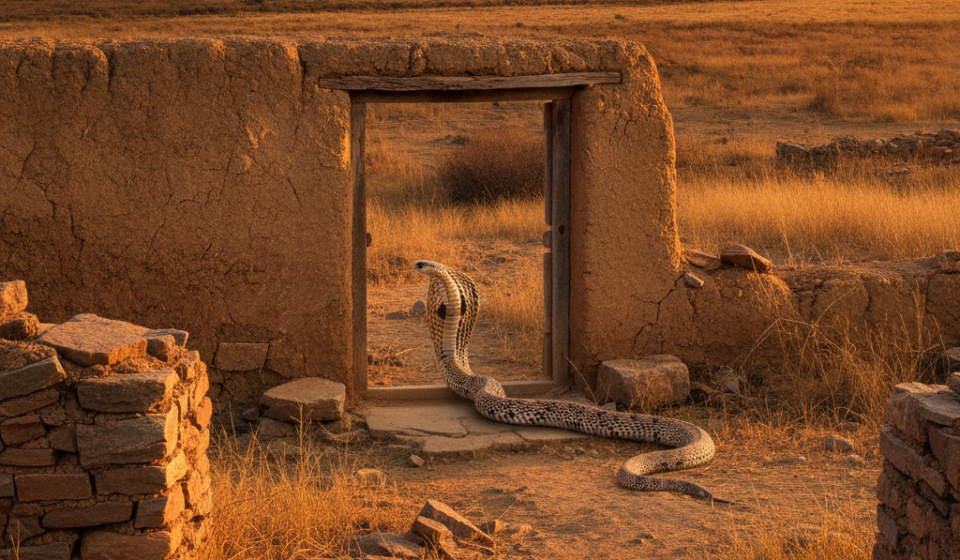
The primary reason travellers seek out this location is the unusual relationship between the villagers and the Indian Cobra (Naja naja). In most parts of the world, venomous snakes are treated with extreme caution or fear. In Shetpal, however, the snakes are treated as protected guests. It is not uncommon for residents to allow cobras to move freely within their homes. The village culture dictates that these reptiles are welcomed rather than feared.
Several factors contribute to this unique dynamic, which has remained consistent for generations:
- Cultural and religious reverence for snakes.
- A lack of reported snakebite incidents within the village.
- Specific architectural features in local homes that include dedicated spaces for snakes.
This coexistence is not merely a curious anecdote but a deeply ingrained aspect of local life. Residents believe that the safety of the village is tied to the wellbeing of the cobras. While this situation may appear unsettling to outsiders, it is a routine reality for the locals. Understanding this perspective is necessary for anyone planning their visit.
Best Time to Visit
Planning a trip to a rural region requires careful consideration of the climate. Maharashtra experiences distinct seasons, and the timing of a visit will significantly impact the experience. The ideal window for travel is during the cooler months when the heat is manageable and outdoor movement is comfortable.
| Season | Months | Conditions |
|---|---|---|
| Winter | November to February | Pleasant weather, ideal for exploration. |
| Summer | March to May | High temperatures, very dry, less comfortable. |
| Monsoon | June to October | Heavy rainfall, lush landscape, difficult travel. |
Winter remains the most favourable period. During these months, the temperatures remain moderate, which allows visitors to spend more time outdoors engaging with the local environment. It is during this time that the village is most accessible to those traveling from larger urban centres like Pune or Mumbai.
How to Reach Shetpal Village
Shetpal is located in the Solapur district, which acts as the primary transport hub for visitors. Reaching the village requires a mix of rail or air travel followed by road transport. The infrastructure in this part of Maharashtra is functional, though public transit into the village itself remains limited.
- Travel to Solapur via train or road.
- Hire a local taxi or private vehicle for the journey to the village.
- Ensure the driver is familiar with the route, as the village is situated off the main highway.
To ensure a smooth transit, keep these essential transport tips in mind:
- Base in Solapur: Most travelers find it most efficient to base themselves in Solapur city where better facilities are available.
- Travel Time: The drive from the city to the village takes roughly 2 to 3 hours, depending on road conditions.
- Hire a Full-Day Rental: It is highly advisable to arrange for a full-day vehicle rental to ensure a reliable return trip, as finding public transport options for the return journey can be challenging once in the village.
| Travel Mode | Starting Point | Duration | Details |
|---|---|---|---|
| Train | Pune / Mumbai to Solapur Junction | 4 to 8 hours | Most convenient and affordable option with daily connections. |
| Flight | Pune Airport (PNQ) to Solapur | 3 to 4 hours (road from Pune) | Fly to Pune, then hire a private cab to Solapur/Shetpal. |
| Road / Cab | Solapur City to Shetpal Village | 2 to 3 hours | Best for the final leg; local taxis are easily available for day trips. |
Accommodation and Facilities
Understanding the accommodation landscape is crucial for planning your trip:
- No Local Lodging: Shetpal is a small, agricultural village and does not possess hotels, resorts, or formal guesthouses.
- Self-Sufficiency Required: The expectation for visitors is to maintain a high degree of self-sufficiency.
- Stay in Solapur: Most people choose to stay in Solapur, where a variety of lodging options are available, ranging from budget lodges to standard hotels.
When preparing for the day trip, consider these essential requirements:
- Carry sufficient drinking water and non-perishable food.
- Bring a well-charged power bank and essential communication devices.
- Maintain a modest budget for hiring local transport.
Because the village infrastructure is limited, one should not expect modern amenities while on the ground. The focus of the trip should remain on observation and respecting the local customs rather than seeking tourist-focused services.
Cultural Etiquette and Respect
When visiting a community that maintains such a specific lifestyle, cultural sensitivity is of utmost importance. The residents of Shetpal are accustomed to curiosity, but they deserve privacy and respect. Treat the area as a place of residence, not a theme park or a curiosity exhibition.
Always seek permission before taking photographs of residents or their homes. Engaging with the community should be done through local guides if possible, as they can bridge the communication gap and ensure that interactions remain respectful.
For your own safety and to maintain the village harmony, adhere to the following rules:
- No Direct Interaction: Do not attempt to interact with the snakes directly under any circumstances.
- Respect Wildlife: Even if the locals seem at ease, remember these are wild, venomous animals.
- Maintain Safe Distance: Maintaining a distance is necessary for personal safety and to avoid causing unnecessary stress to the reptiles.
- Behave Responsibly: Any reckless behaviour risks not only the visitor’s safety but also the reputation of the village as a site of peaceful human-animal coexistence.
Safety Considerations
While reports from the village highlight a lack of conflict, one must always exercise caution. Travel to remote areas always carries inherent risks. Being prepared is the hallmark of a responsible traveller. Always inform someone of the planned itinerary and expected time of return.
Keep these safety protocols in mind:
- Remain on defined paths and avoid walking through tall grass or dense brush.
- Wear closed-toe shoes to provide basic protection.
- Keep an eye on the ground, especially when walking near potential habitats like loose rocks or old structures.
- Listen carefully to any warnings or directions provided by local residents.
While the risk of a bite is perceived to be low based on historical context, the nearest medical facilities with anti-venom are located in the main city of Solapur. If an emergency occurs, professional medical help is not immediately available on-site. This reality necessitates a high level of personal vigilance throughout the duration of the visit.
FAQs
Is it safe for children to visit Shetpal village?
While there are no specific prohibitions, parents must exercise extreme caution. The village is an active environment with wildlife that, while generally peaceful, is still dangerous. Constant supervision is necessary, and it may not be suitable for young children who might not understand the requirement to keep a distance from the local environment.
Do I need a permit to visit the village?
There are no official permits required to visit the village itself. It is a public area. However, always respect the local residents and adhere to any requests made by the village leadership regarding photography or access to private areas.
Are there guided tours available?
Formal, commercial tour packages for Shetpal are rare. Most visitors rely on independent planning. You may be able to find a local driver in Solapur who acts as an informal guide, which is highly recommended for navigation and cultural mediation.
What should I do if I see a snake?
Stop immediately and maintain a safe distance. Do not move toward the snake for a closer look or a photograph. Back away slowly and quietly. If the snake is inside a building or area where residents are present, notify a local person immediately; they are better equipped to handle the situation according to their customs.

Conclusion
Shetpal village provides a rare glimpse into a culture that defies common expectations regarding human interactions with nature. For the serious traveller, it represents an opportunity to witness a unique social phenomenon. By following the guidance provided in this Shetpal village travel guide, visitors can ensure their experience is both respectful and safe. Remember that the value of the trip lies in the observation of this extraordinary community dynamic. Approach the village with patience, awareness, and deep respect for the traditions of the local residents.