
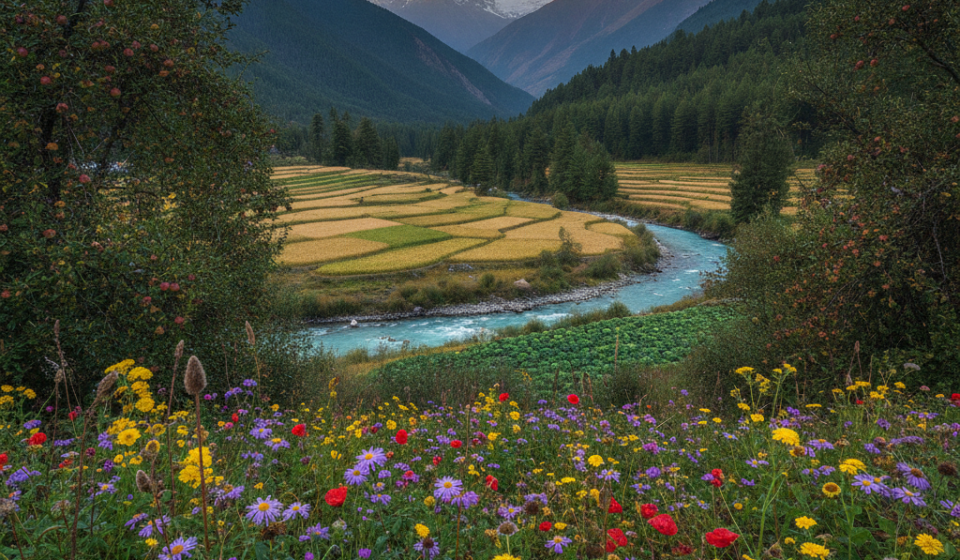
The Ultimate Sangla Travel Guide: How to Explore Kinnaur’s Scenic Valley of Orchards, Rivers, and Ancient Forts

Sangla Valley rests deep within the Kinnaur district of Himachal Pradesh. It serves as a rare sanctuary where the Baspa River cuts through steep mountains and lush orchards. This Sangla travel guide outlines how to experience this remote destination effectively. Success here requires preparation because the terrain is challenging and the weather shifts quickly.
Key Takeaways for Your Sangla Journey
- Best Time to Visit: April to June for pleasant weather, and September to October for apple harvesting.
- How to Reach: Located around 220 km from Shimla, accessible via the Hindustan-Tibet Highway (NH-5).
- Top Attractions: Explore Kamru Fort, Chitkul (the last Indian village), and Mathi Temple.
- Altitude & Health: Sangla sits at 2,600 metres; proper acclimatisation is essential to prevent AMS.
- Essential Prep: Carry sufficient cash, a reliable power bank, and warm layers even during summer.
Why Visit Sangla Valley
The valley provides a unique mix of high altitude landscapes and rich cultural heritage. Travellers seeking silence and mountain views will find few places as rewarding. Kinnaur remains one of the least developed regions in the Himalayas. This lack of mass tourism preserves the traditional wood-and-stone architecture found in the local villages.
- The valley is home to vast apple and cherry orchards.
- The Baspa River supports diverse mountain trout populations.
- Ancient temples demonstrate unique local construction methods.
- The proximity to the Tibetan border adds a distinct cultural layer.
Best Time to Visit
Planning a trip to Kinnaur requires an understanding of the seasonal windows. Each period offers a different experience for those following this Sangla travel guide.
| Season | Experience |
|---|---|
| Spring (April to June) | Ideal for clear skies and pleasant trekking. |
| Monsoon (July to August) | High risk of landslides; best avoided. |
| Autumn (September to October) | Harvest time for apples; crisp air. |
| Winter (November to March) | Heavy snow; most roads remain closed. |
How to Reach Sangla
Reaching this remote Himalayan destination is an exercise in patience. Plan your route carefully using these key travel guidelines:
- Primary Route: Starts from Shimla and proceeds along the scenic yet challenging Hindustan-Tibet Highway (NH-5).
- Road Conditions: Unpredictable terrain with a high likelihood of rockfalls, requiring experienced mountain drivers.
- Transport Choice: Private taxis offer the highest flexibility, while state transport buses are highly economical but physically demanding.
| Mode of Transport | Average Duration (from Shimla) | Pros | Cons |
|---|---|---|---|
| Private Taxi | 8 to 10 hours | Flexible stops, comfortable, safer on rugged turns. | Expensive option (INR 6,000–8,000 one way). |
| HRTC Public Bus | 10 to 12 hours | Very economical, reliable local drivers. | Crowded, fixed schedules, physically exhausting. |
| Self-Drive | 9 to 11 hours | Complete freedom over itinerary. | High risk due to challenging mountain roads. |

Must Visit Attractions
The architecture and natural scenery define the local tourism experience. These locations require at least three days to visit properly.
Kamru Fort
This ancient structure sits high above the village. It functioned as a defensive tower and a royal residence for the local kings. The wood carving style is remarkably complex and requires a short trek to reach.
Chitkul Village
Chitkul is arguably the most famous spot in the region. It is the last inhabited village on the Indian side of the border. The river bank here is perfect for photography, though the air temperature remains low throughout the year.
Mathi Temple
This temple in Chitkul serves as a spiritual centre for the local community. It showcases the distinctive Himachali architecture featuring wood shingles and intricate carvings. Visitors must respect local customs and refrain from taking photos inside the sanctum.
Cultural Etiquette and Travel Tips
Maintaining proper etiquette is necessary when exploring remote mountain communities. The local residents value privacy and traditions highly. Visitors should always ask for permission before photographing people or religious sites.
Respecting local traditions is not just polite; it is vital for maintaining the sustainability of Kinnaur tourism.
Altitude sickness (Acute Mountain Sickness or AMS) represents a significant risk for travellers. Since the elevation of Sangla is roughly 2,600 metres and surrounding areas like Chitkul sit higher, keep these safety tips in mind:
- Acclimatisation: Avoid strenuous physical activities for the first 24 hours of your arrival.
- Hydration: Drink plenty of water, ORS, or herbal teas to maintain oxygen levels.
- Medication: Keep basic AMS preventive medicines handy after consulting a physician.
- Gradual Ascent: If traveling further up, gain altitude slowly and sleep at lower elevations where possible.
Accommodation Options
Options range from basic guesthouses to managed campsites near the river. Luxury remains limited in this region. Most visitors prefer homestays to experience authentic local hospitality and cuisine.
- Homestays: Provide the most immersive cultural experience.
- Campsites: Recommended for those prioritising river views.
- Government Rest Houses: Require advanced booking through local offices.
Essential Packing List
Packing for Sangla travel guide recommendations requires a layered approach. Even in summer, the temperatures drop after sunset. Sturdy hiking boots are non-negotiable if any trekking is planned.
- Heavy woollen layers for evenings.
- High-SPF sunscreen and sunglasses.
- A basic first aid kit with altitude sickness medication.
- Cash reserves (ATMs are often out of service).
- A sturdy power bank for emergencies.

Conclusion
Sangla Valley offers a window into a version of the Himalayas that remains largely untouched. By following this guide, you can handle the logistics of the trip while focusing on the natural environment. Ensure all permits are in order and carry enough supplies to remain self-sufficient during your stay. The valley rewards those who take the time to move slowly and appreciate the landscape.


