The Ultimate Puga Valley Travel Guide: How to Visit Ladakh’s Surreal Geothermal Wonderland

Ladakh possesses landscapes that seem to belong on another planet. While most visitors flock to Pangong Lake or Nubra Valley, those seeking a truly raw experience head south toward the Puga Valley. This Puga Valley travel guide serves as a comprehensive resource for reaching this geothermal marvel, ensuring that your expedition remains safe, respectful, and deeply rewarding.
Key Takeaways for Your Puga Valley Adventure
- Extreme Elevation: Sits at over 4,400 meters, requiring strict acclimatization in Leh before your journey.
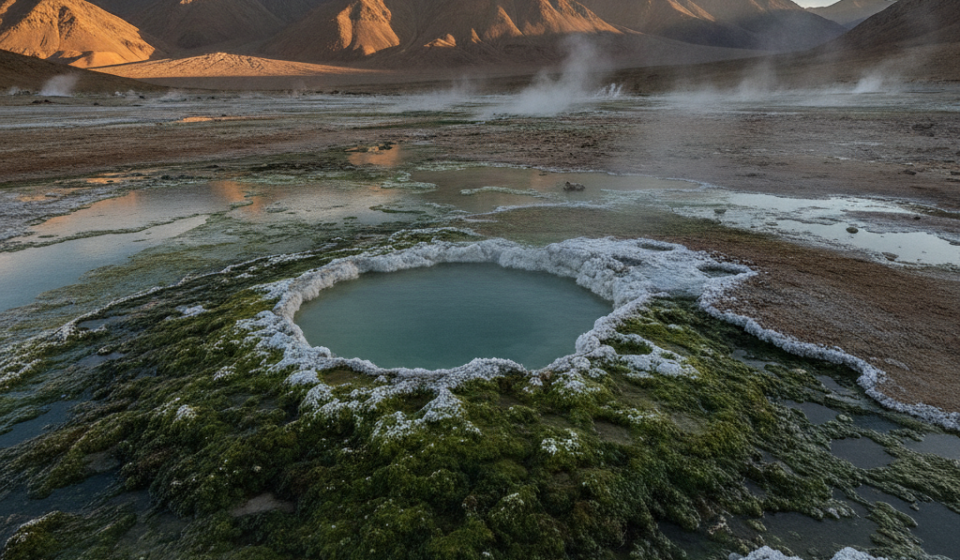
- Unique Geothermal Wonders: Famous for natural hot springs, mud pools, and active sulphur vents.
- Permit Requirements: Inner Line Permits (ILP) are mandatory for both domestic and international travelers.
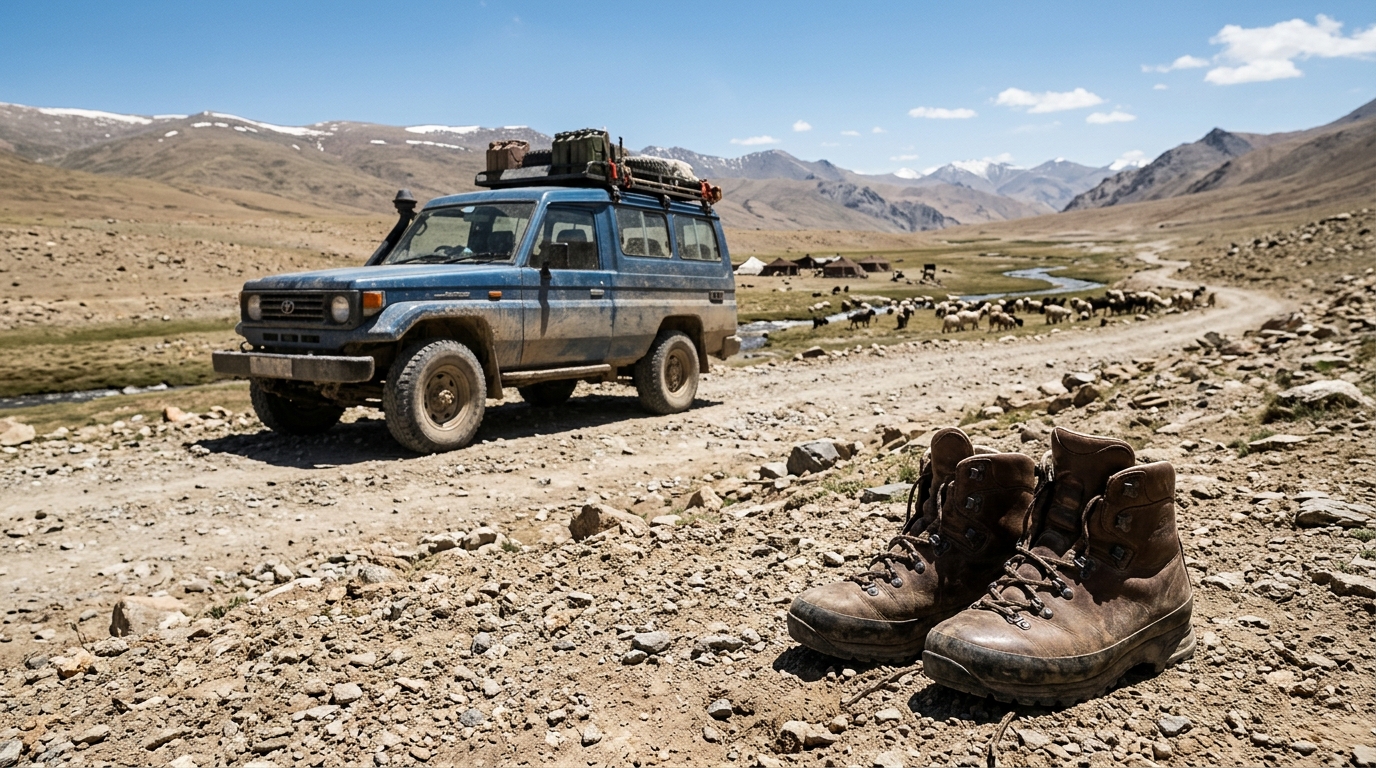
- Remote Logistics: Situated roughly 180 km from Leh, accessible primarily via robust 4×4 vehicles.
- Ecological Sensitivity: A fragile high-altitude desert habitat that demands zero-waste, sustainable practices.
Why Puga Valley Deserves a Spot on Your Ladakh Itinerary
Puga Valley sits at the edge of the Changthang plateau. It is not merely a destination; it is an active laboratory of Earth’s internal power characterized by:
- Active Geothermal Springs: Natural bubbling pools demonstrating the Earth’s raw subterranean energy.
- Intense Sulphur Deposits: Yellow-crusted thermal vents that create a striking color contrast against the soil.
- Boiling Water Pools: Rising steam vents that release vapor directly into the thin mountain air.
Beyond the scientific intrigue, the area offers profound solitude. Unlike the crowded tourist circuits near Leh, the region near Puga remains quiet. You will encounter nomadic herders tending to their Pashmina goats and rare wildlife such as the Tibetan wolf or the black-necked crane, provided you maintain a distance that respects their natural habitat.
| Feature | Description |
|---|---|
| Elevation | Roughly 4,400 meters above sea level |
| Key Attractions | Natural hot springs, sulphur vents, wildlife |
| Terrain | High altitude desert with marshy pockets |
| Access | Requires Inner Line Permit (ILP) |
Essential Permits and Regulations for Your Visit
Visiting remote border regions in Ladakh requires strict adherence to local administrative rules. As of July 2026, all domestic and foreign tourists must obtain an Inner Line Permit (ILP) to enter the restricted areas of the Changthang region. This permit is available online via the official portal or through authorized travel agencies in Leh.
- Ensure you carry at least 5 physical copies of your permit.
- Keep your government-issued photo identification handy at all times.
- Respect all military checkpoints; do not photograph restricted infrastructure.
- Register your travel plans with local police stations if required by specific local mandates.
Planning the Best Time to Visit
The climate in Puga Valley is unforgiving, where high altitudes cause temperatures to drop rapidly after sunset, even during the peak of summer. The ideal window for a visit runs from June through September due to several key factors:
- Clear Mountain Passes: Main roads remain snow-free, allowing reliable road transit.
- Moderate Day Temperatures: Relative warmth makes daylight exploration comfortable.
- Active Wildlife: Better chances of spotting migratory birds and local fauna.
Winter travel is strictly discouraged unless you possess professional experience with extreme high-altitude conditions. Temperatures can plummet to -30 degrees Celsius, and the primary roads often remain blocked by heavy snow drifts. Stick to the summer months to ensure both access and your personal safety.
| Season | Months | Average Temp (Day/Night) | Road Status & Accessibility |
|---|---|---|---|
| Summer (Peak) | June to September | 15°C to 5°C / 5°C to -5°C | Open and highly accessible |
| Autumn (Transition) | October to November | 5°C to -5°C / -5°C to -15°C | Partially open; unpredictable snow risks |
| Winter (Extreme) | December to May | -10°C to -25°C / Below -30°C | Blocked by heavy snow; strictly discouraged |
How to Reach Puga Valley
Reaching this remote site requires patience and a robust 4×4 vehicle. Most travelers begin their journey from Leh, the capital of Ladakh. The most common route passes through the scenic Mahe Bridge. The drive is roughly 180 kilometers long and typically takes 6 to 8 hours, depending on road conditions and your pace of acclimatization.
Pro tip: Do not rush the journey. The ascent from Leh involves crossing high mountain passes. Allow at least two full days of rest in Leh before departing to avoid the debilitating effects of acute mountain sickness.
Acclimatization and Health Precautions
The altitude of Puga Valley exceeds 4,400 meters. At this elevation, the oxygen levels are significantly lower than at sea level. Even physically fit individuals can struggle if they do not acclimatize correctly. Hydration acts as your best defense, so drink at least 3 to 4 liters of water daily.
Monitor your health markers closely. If you experience persistent headaches, nausea, or dizziness, descend to a lower altitude immediately. Carry a basic first-aid kit containing medications for altitude sickness, as professional medical facilities are nonexistent in the immediate vicinity of the valley.
Sustainable Travel Practices
The delicate ecosystem of Puga Valley suffers from the impacts of increased tourism. As you follow this Puga Valley travel guide, remember that your footprint should be invisible. The high-altitude desert takes decades to recover from damage caused by litter or vehicle tracks.
- Pack out everything you pack in, including all plastic waste.
- Do not disturb the geothermal crust or the surrounding salt flats.
- Avoid using chemical soaps or detergents in natural water sources.
- Stay on designated trails to prevent soil erosion.
FAQs
Is it possible to swim in the hot springs?
While the springs are natural, they often contain high levels of sulphur and other minerals. Many pools are boiling hot, which makes them dangerous for human immersion. Consult with local guides before attempting to enter any water.
What should I pack for this trip?
Pack heavy woolens, a windproof outer jacket, sturdy hiking boots, and polarized sunglasses to protect against harsh ultraviolet rays. Additionally, bring enough dry snacks and bottled water, as shops are not available in the valley.
Do I need a local guide to navigate the area?
Hiring a local driver who knows the specific terrain is highly recommended. Navigation in the Changthang plateau can be difficult due to poorly marked paths and changing weather conditions. For more detailed trip planning, visit our travel planning services page to coordinate your logistics.
Conclusion
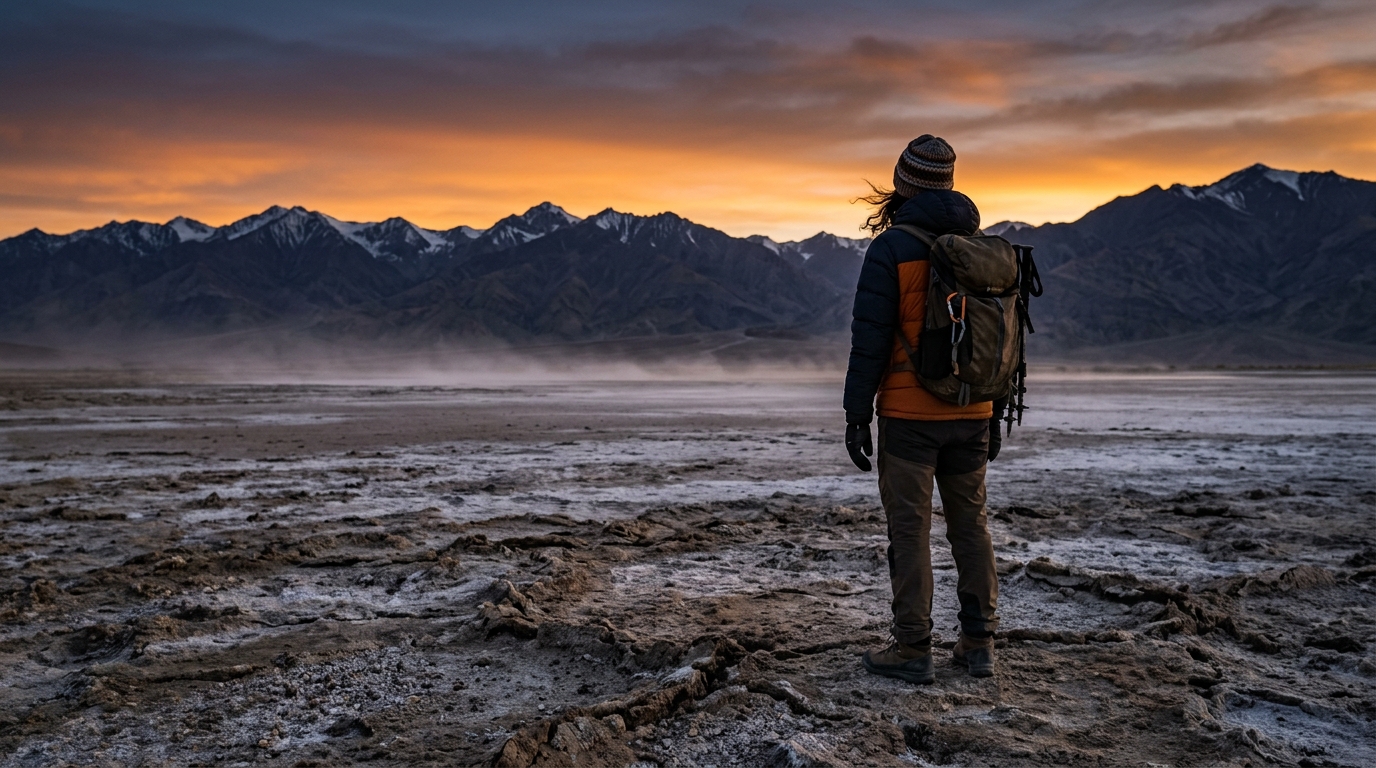
Puga Valley offers a rare glimpse into the raw energy of the Himalayas. It is a destination that demands respect, preparation, and an adventurous spirit. By securing the necessary permits, prioritizing your health through proper acclimatization, and minimizing your environmental impact, you ensure this surreal landscape remains protected for future generations. For further assistance in arranging your transport or finalizing your itinerary, our team is ready to support your travel requirements.