


Securing an Indian passport represents the primary gateway to international exploration, yet the final regulatory checkpoint often introduces unexpected delays. The administrative machinery moves at its own precise pace, leaving applicants anxious about their documentation status. Among the various administrative stages, tracking the police verification for passport status is crucial to ensuring that the travel document is issued without administrative hurdles. Over the past decade, this process has transitioned from manual paper registers to integrated digital databases, reducing the average waiting time to roughly fifteen days (depending on regional police efficiency). This comprehensive guide outlines the tracking procedures, status messages, and corrective measures required to handle this essential security checkpoint successfully. Understanding these status indicators allows travelers to prepare effectively for upcoming journeys.
Key Takeaways
- Digital Integration: The shift from manual registers to the Crime and Criminal Tracking Network & Systems (CCTNS) has reduced average waiting times to roughly 15 days.
- Verification Types: Depending on your application type, you will undergo Pre-Verification, Post-Verification, or be marked as No Verification Required.
- Online Tracking: You can track your police verification for passport status in real-time via the official Passport Seva website or the mPassport Seva mobile app.
- Actionable Statuses: Knowing how to decode status messages like “Adverse” or “Incomplete” helps prevent your application from being indefinitely delayed.
- Physical Audit: Physical residency verification with two neighbor testimonies remains mandatory for standard address checks.
Understanding the Role of Police Verification in the Indian Passport Process
The Ministry of External Affairs (MEA) mandates a background check for passport applicants to protect national security. This security audit primarily verifies:
- That the applicant is indeed a citizen of India.
- That the applicant resides at the specified address.
- That the applicant carries no disqualifying criminal record.
In the administrative system, a clean Police Verification Report (PVR) is the final clearance required before a full-validity passport is granted.
Delays in tracking the police verification for passport status can stall travel plans entirely. Historically, the local police station managed this process through manual visits and physical registers. However, under the modern Passport Seva system, police verification has become largely digital. Law enforcement officers use the Crime and Criminal Tracking Network & Systems (CCTNS) to check national databases instantly. This digital integration is a major shift from previous years, ensuring rapid data retrieval. Still, physical address verification remains standard across most jurisdictions to confirm the applicant’s presence. For travelers preparing their paperwork, checking the visa requirements for their final destination is as crucial as ensuring a clean police verification.
Types of Police Verification for Indian Passports
The exact protocol applied to an application is determined during the passport office appointment. Factors such as the category of application, the age of the applicant, and their professional background dictate the verification type. This classification helps the Passport Seva Kendra (PSK) prioritize applications and optimize resource utilization.
| Verification Type | Applicability | Passport Dispatch Timeline | Key Condition |
|---|---|---|---|
| Pre-Verification | Normal passport applications | After favorable verification report is received | Requires successful physical verification beforehand |
| Post-Verification | Tatkaal, government employees, select minors | Before physical verification occurs | Subject to immediate revocation if report is adverse |
| No Verification Required | Renewals with unchanged details, specific minors | Immediate printing and dispatch | Exempt from background checks based on prior verification |
Pre-Verification Process
The pre-verification process is the standard operating procedure for normal passport applications. In this category, the passport is printed and dispatched only after a favorable verification report is received from the police department. This sequence means the applicant must wait for the local police officer to conduct the physical verification at their residence, submit the report to the district police office, and have it uploaded to the central passport system. For normal applications, monitoring the police verification for passport status is vital, as the passport printing process remains locked until this clearance is officially recorded.
Post-Verification Process
In contrast, the post-verification process allows the passport to be printed and dispatched before the police verification occurs. This fast-track option is typically reserved for Tatkaal applications, specific government employees, or minors whose parents possess valid passports. The system issues the passport quickly to facilitate urgent travel. However, the police verification for passport status will remain pending in the background until the physical check is completed. Applicants must understand that post-verification is not an exemption from the process. An adverse report submitted after the passport is issued can lead to the immediate revocation of the travel document.
No Verification Required
Under specific regulatory conditions, some applicants are exempted from the verification process entirely. This exemption usually applies to passport renewals where the previous passport was issued after successful police verification, and the applicant’s personal details (including address and appearance) have not changed. Minors under the age of fifteen, whose parents hold valid passports with matching addresses, also frequently qualify for this category. In these cases, the system skips the background check completely, and the police verification for passport status is marked as exempt, allowing for immediate passport printing and dispatch.
How to Check Your Police Verification for Passport Status Online
Fortunately, applicants do not need to visit the local police station to monitor their application progress. The central government offers two primary digital routes to check the current police verification for passport status. These platforms sync in real-time with the local district police headquarters.
Checking Status via the Official Passport Seva Website
The official Passport Seva web portal is the most reliable tool to check the police verification for passport status online. To use this portal, applicants must follow a systematic process:
- First, visit the official website at passportindia.gov.in and locate the ‘Track Application Status’ link on the homepage.
- Second, select the application type from the drop-down menu, which is typically ‘Passport/PCC/IC/GEP’.
- Third, enter the unique fifteen-digit file number provided at the Passport Seva Kendra during the appointment, along with the applicant’s date of birth.
- Fourth, click the ‘Track Status’ button to retrieve the current police verification for passport status.
The system will immediately display the exact stage of the verification process, showing whether the file is at the district office, the local police station, or has been returned to the Regional Passport Office (RPO).
Checking Status via the mPassport Seva Mobile Application
For tracking on the move, the Ministry of External Affairs provides the mPassport Seva mobile application. This application is available on both Android and iOS platforms. After downloading the app, users must log in using their registered credentials or use the quick tracking feature. By entering the fifteen-digit file number and date of birth, mobile devices can display the police verification for passport status instantly. This app is highly useful for applicants who need to monitor updates daily without accessing a desktop computer. It is basically a simplified version of the main portal, providing the same real-time data directly from the central servers.
Decoding Different Police Verification Status Tracking Messages
When tracking an application, the system displays specific status messages that describe the exact phase of the background check. Understanding these messages is critical, as some indicate that the applicant must take immediate corrective action. Below is a comprehensive table detailing the common status messages and their administrative meanings.
| Status Message Displayed | Administrative Meaning | Required Applicant Action |
|---|---|---|
| Pending at Police Station | The file has been sent digitally to the local police station, and an officer is assigned to conduct the check. | Wait for the officer to contact you, or visit the station with your documents. |
| Police Verification Report (PVR) is under review | The local police have submitted their report, and it is currently being verified by the District Police Headquarters. | No action is required; this is a standard administrative review step. |
| Adverse Police Verification Report | The police officer noted discrepancies in address, documentation, or found a pending criminal record. | Visit the Regional Passport Office (RPO) immediately with a prior appointment to clarify. |
| Incomplete Police Verification Report | The report was submitted, but essential documents or signatures were missing from the file. | Contact the local police station or check for instructions from the RPO. |
| Clear Report Received | The police have verified all details successfully, and the report is favorable. | No action is required; your passport is ready for printing and dispatch. |
As shown in the table, a status like ‘Pending at Police Station’ requires patience, whereas an ‘Adverse’ status demands immediate intervention. Keeping a close eye on the police verification for passport status allows applicants to prevent their file from being indefinitely shelved. In many cases, minor errors in the address format can lead the system to flag the file as ‘Incomplete’, which stalls the passport generation. Therefore, regular tracking of the police verification for passport status ensures that these issues are caught and resolved within a reasonable timeframe.
Step-by-Step Guide to the Physical Police Verification Process
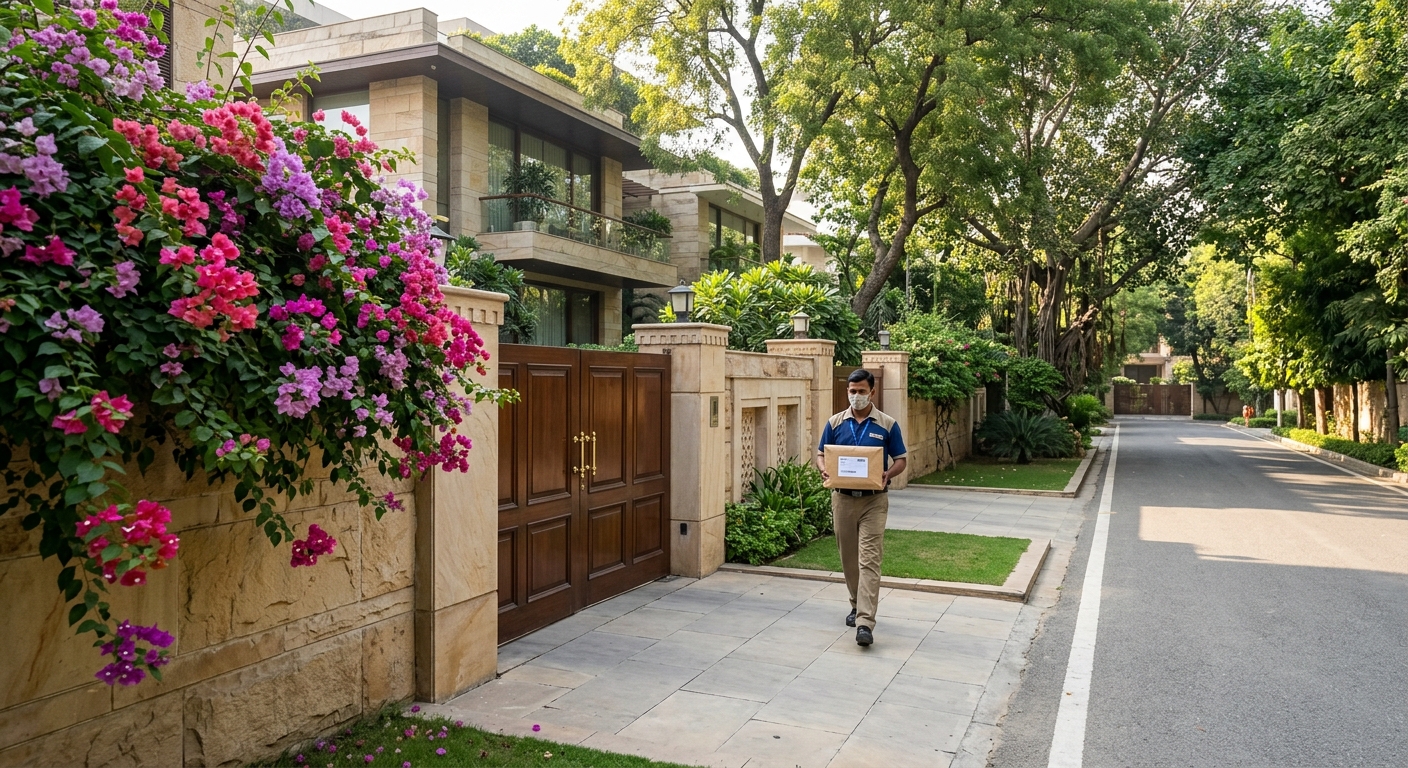
While digital databases handle criminal record verification, the physical verification process remains the core of the system. This step confirms that the applicant in fact resides at the declared address, preventing identity theft and fraudulent applications. The process generally follows a structured sequence:
- First, the local police station receives the digital verification request from the passport database. A verification officer is then assigned to the case.
- Second, the officer typically contacts the applicant via telephone to schedule a convenient time for a home visit. However, in some jurisdictions, unannounced visits are still conducted to ensure the applicant’s residency is genuine.
- Third, during the visit, the officer will inspect the original documents, verify the applicant’s identity, and ask for testimonies from two neighbors. These neighbors must sign a witness form to confirm the applicant’s character and duration of stay.
- Fourth, once satisfied, the officer prepares the report, uploads it to the CCTNS system, and forwards it to the District Police Headquarters for final submission to the RPO.
Knowing these steps prepares the applicant for a smooth police verification for passport status update. It is advisable to keep all physical documents organized in a single folder before the officer arrives, which projects a cooperative and organized approach.
Essential Documents Required for Successful Police Verification
To ensure the officer submits a favorable report, applicants must present accurate, government-approved documentation. Any mismatch between the details in the passport application and the physical documents can result in an adverse report, which complicates the police verification for passport status. The following table highlights the essential documents required during the physical verification visit:
| Document Category | Accepted Documents (Original & Photocopy) | Purpose of Verification |
|---|---|---|
| Proof of Address | Aadhaar Card, Water Bill, Electricity Bill, Active Bank Passbook, Registered Rent Agreement. | To confirm the applicant has resided at the current address for at least one year. |
| Proof of Identity | PAN Card, Voter ID, Driving License, Employee ID Card (for government staff). | To verify the physical identity and name matching of the applicant. |
| Proof of Age | Birth Certificate, School Leaving Certificate, Matriculation Certificate. | To confirm the applicant’s date of birth aligns with the database records. |
When preparing these documents, applicants should adhere to the following best practices:
- Verify Address Matching: Ensure the spelling of the name and the complete address match the passport application precisely.
- Compile Neighbor Details: Keep the names, addresses, and contact numbers of two immediate neighbors ready, as their signatures are mandatory for the witness form.
- Keep Photocopies Ready: Provide the officer with self-attested photocopies of all documents, while displaying the original documents for active verification.
- Maintain Recent Records: Utility bills and active bank statements used as address proof must not be older than three months.
These measures ensure that the physical visit goes smoothly, thereby positively influencing the police verification for passport status tracking database.
Common Reasons for Police Verification Delay or Adverse Reports
Delays in the passport issuance process are frequently linked to issues arising during the police verification phase. Understanding these common pitfalls helps applicants take preventive steps to ensure their police verification for passport status remains clear and favorable.
The most common reasons for a delayed or adverse report include:
- Applicant Absence: If the verification officer conducts multiple visits and finds the applicant unavailable, the file is returned to the RPO with an “Applicant Not Found” remark. This common administrative hurdle can be easily avoided by coordinating with the local police station in advance.
- Address Discrepancies: Failing to disclose previous addresses if the applicant has resided at their current location for less than one year.
- Undisclosed Legal Records: Any past or ongoing criminal cases not explicitly mentioned in the application are flagged during the database check, causing an immediate “Adverse” police verification for passport status.
- Document Mismatches: Structural spelling errors or name mismatches across primary identity documents like the Aadhaar Card and PAN Card.
What to Do in Case of an Adverse or Incomplete Police Verification Report
Receiving an adverse or incomplete status on the police verification for passport status tracker can be highly stressful. However, this is not a permanent rejection of the passport application. The system provides clear administrative mechanisms to resolve these issues.
First, the applicant must wait for the official notification or letter from the Regional Passport Office (RPO). This letter will detail the specific reasons for the adverse report.
Second, the applicant must book an appointment at the RPO under the ‘Inquiry’ category. Going to the RPO without an appointment is generally not permitted, except in extreme emergencies.
Third, during the RPO appointment, the applicant must present the clarification letter along with supporting original documents that address the specific objection raised by the police officer.
Fourth, once the RPO is satisfied with the clarification, they will trigger a re-verification request to the police department. The applicant must then track the police verification for passport status once more to ensure the second visit is successful and the report is marked as clear. Securing comprehensive travel insurance is another vital step before booking any international flights once these administrative processes are fully resolved.

Conclusion
Ensuring a clear police verification for passport status is the final, crucial step in securing a travel document. While the transition to digital systems has notably simplified the process, applicants must remain proactive. Regularly tracking the police verification for passport status online, preparing correct documentation, and coordinating with the local verification officer are the most effective ways to avoid delays. By understanding the status codes and responding quickly to any discrepancies, travelers can ensure their passport is issued smoothly, allowing them to focus entirely on planning their upcoming international journeys.
Frequently Asked Questions (FAQs)
How long does the police verification process take?
On average, the police verification process takes roughly ten to fifteen days (depending on the efficiency of the local police station and district headquarters). In metropolitan areas, where the CCTNS and digital systems are fully optimized, it can be completed in under a week. Applicants should monitor their police verification for passport status regularly during this period to track any delays.
Can I travel abroad while my police verification is pending?
No, an applicant cannot travel abroad while their police verification is pending if they applied through the normal route, as the passport will not be printed or dispatched. For those who received their passport under the Tatkaal scheme (which uses post-verification), traveling with a pending police verification for passport status is highly risky. If the subsequent report is marked as adverse, the MEA can blacklist or impound the passport.
What happens if I am not at home during the police verification visit?
If the applicant is absent during the physical visit, the officer will usually leave a contact number or return to the station. If multiple attempts to contact the applicant fail, the officer will mark the file as ‘Applicant Not Found’ and return it to the RPO. This will result in an adverse police verification for passport status, requiring the applicant to visit the RPO for a re-verification request.
Is police verification mandatory for passport renewal?
Police verification is not always mandatory for passport renewal. If the renewal application is submitted before the current passport expires, and there are no changes in the personal details (such as residential address), the system often marks the file as ‘No Verification Required’. However, if there are changes in the address, the MEA will initiate a fresh check, making it necessary to track the police verification for passport status.
How do I schedule a re-verification if my status is adverse?
To schedule a re-verification, the applicant must first visit the Regional Passport Office (RPO) with an appointment. After presenting the required documents to resolve the objection, the RPO officer will digitally trigger a fresh verification. Once triggered, the applicant must actively track the police verification for passport status to coordinate with the local police station for the physical visit.