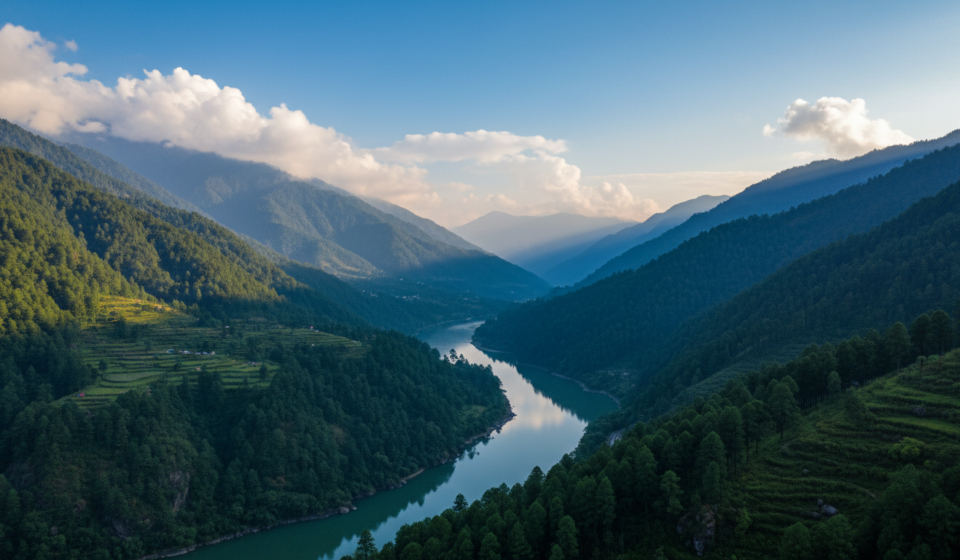

September is India’s ultimate travel shoulder month. As the heavy Southwest Monsoon retreats across North and West India, it leaves behind vibrant, post-rain landscapes, swollen waterfalls, and crisp mountain air. If you are looking for the best places to visit in India in September, this transition window delivers significant travel advantages: hotel rates drop by 20% to 40% before the October festival rush, major adventure sports reopen, and popular tourist spots remain blissfully quiet.
Whether you want to catch the short-lived wildflower blooms in Maharashtra, raft down the white waters of the Ganges, or drive through high Himalayan passes before winter freezes set in, September offers distinct regional highlights. Here is a practical guide to the 15 top destinations in India to visit this September, complete with seasonal weather breakdowns, realistic costs, and essential permit requirements.
Why September is the Ideal “Golden Shoulder” Travel Month
Planning a trip in September sits in the sweet spot between peak monsoon and the major holiday season starting in October (Navratri, Dussehra, and Diwali). Here is what makes the month strategic for travellers across the country:
- Significant Price Discounts: Hotels, heritage havelis, and luxury resorts cut room tariffs by 20% to 40% compared to peak winter pricing.
- Fewer Tourist Crowds: School holidays are over, and festival rush travel has not yet begun, leaving sightseeing spots and heritage monuments uncluttered.
- Seasonal Adventure Reopenings: Government safety inspections clear white-water river rafting on the Ganges, while high-altitude roads remain clear of snow.
- Ephemerals & Cultural Triggers: Rare botanical events peak across plateau ecosystems, and harvest music festivals draw travellers to Northeast India.
Geographical Weather Summary for September
Weather conditions across India vary sharply by region during this transition month:
- North India (Himalayas & Plains): Monsoon rains recede quickly. Days are clear and sunny (15°C to 25°C), while high-altitude nights in Spiti and Ladakh drop near or below freezing (0°C to -5°C).
- West India (Maharashtra & Rajasthan): Rains taper off by mid-September. The Sahyadri and Aravali ranges remain deep green, while daytime temperatures range from 24°C to 33°C.
- South India (Western Ghats): Heavy downpours settle into light, pleasant drizzles. Waterfalls flow at full volume, and tea plantations are fresh and misty (18°C to 25°C).
- Northeast India: Lingering moderate showers keep forests lush. Sky clarity improves significantly towards the fourth week of the month.
Top 15 Places to Visit in India in September
1. Kaas Plateau (Kaas Pathar), Maharashtra
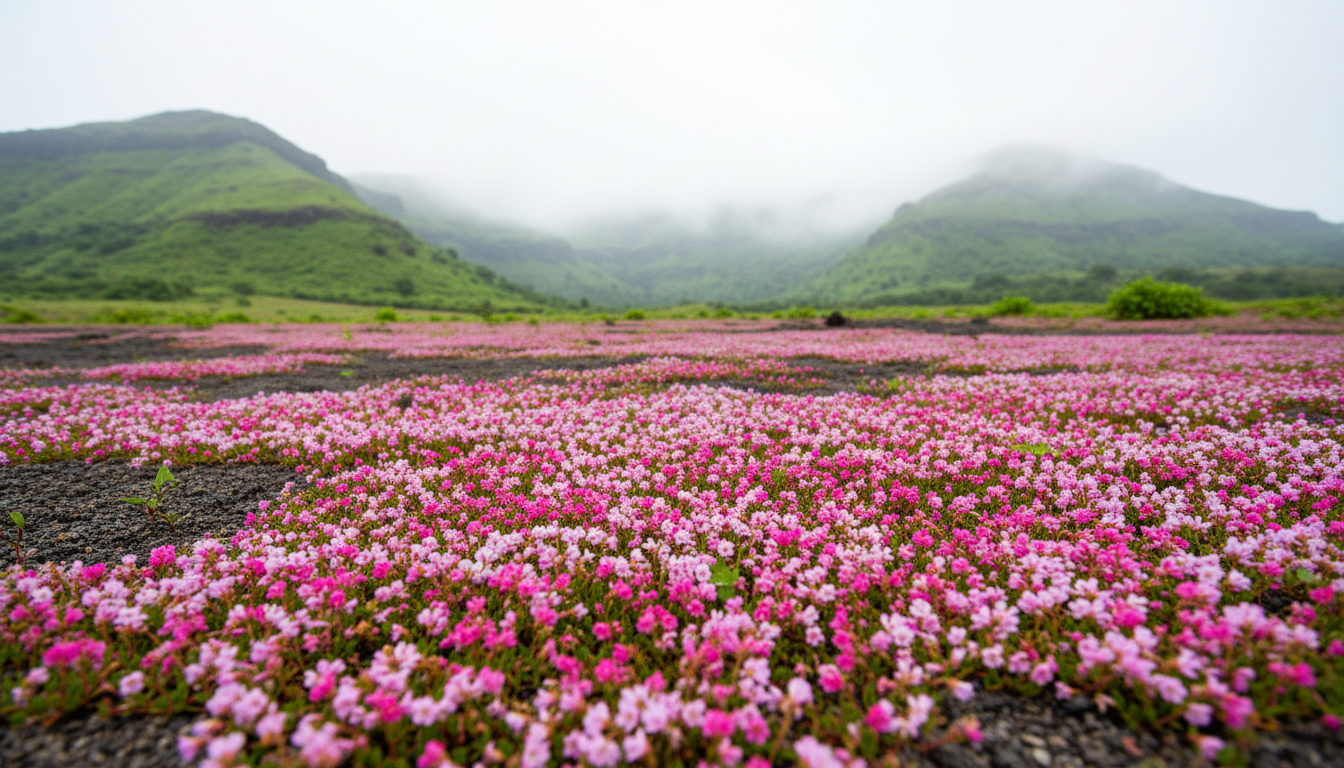
Located near Satara, Kaas Plateau is a UNESCO World Natural Heritage site famous for a short 4-to-6-week natural phenomenon. Mid-to-late September marks the peak blooming window, when over 850 species of wild orchids, shrubs, and carnivorous plants transform the volcanic soil into carpets of pink, purple, and yellow blossoms.
- Weather: Cool, misty, 18°C to 24°C with light drizzles.
- Key Highlights: Mass wildflower blooms (including rare Topli Karvi and insectivorous sundews), Kumudini Lake, and views of the surrounding Western Ghats.
- Practical Costs & Entry Rules: Entry costs ₹50 per adult on weekdays and ₹100 on weekends/public holidays. Visitor entries are strictly capped by the forest committee at 3,000 visitors per day, divided into three 3-hour time slots (7:00 AM–11:00 AM, 11:00 AM–3:00 PM, and 3:00 PM–6:00 PM).
- How to Reach: 25 km from Satara; 136 km (roughly 3 hours) from Pune; 280 km (5 to 6 hours) from Mumbai.
Travel Tip: Mobile network reception at the plateau gate can be spotty. Print your mandatory e-ticket from kas.ind.in in advance and carry physical photo identification for gate verification.
2. Rishikesh, Uttarakhand
September marks the eagerly awaited resumption of white-water rafting on the Ganges after a 2.5-month mandatory monsoon closure. As rain clouds clear over Uttarkashi and Tehri, Ganga water levels stabilize, making conditions ideal for river runs and cliff jumping.
- Weather: Warm daytime temperatures (22°C to 32°C) with low humidity and clear skies towards late September.
- Rafting Reopening Schedule: Shorter stretches like Brahmpuri (9 km, Grade II) usually reopen first around September 15–20. Longer, thrilling runs like Shivpuri (16 km, Grade III) reopen around September 23–27 following safety inspections by the local river authorities.
- Rafting Costs: Standard packages range between ₹600 and ₹1,200 per person depending on the river distance.
- Other Activities: Evening Ganga Aarti at Parmarth Niketan, bungee jumping at Mohan Chatti, and visiting the Beatles Ashram.
If you are planning an extended adventure getaway, review our detailed Rishikesh travel guide for temple timings, café recommendations, and stay options.
3. Ziro Valley, Arunachal Pradesh
Ziro Valley in September is a landscape of golden, ready-to-harvest paddy fields framed by pine-covered mountains. The valley hosts the nationally acclaimed Ziro Festival of Music (confirmed dates: September 24 to 27, 2026), India’s premier outdoor eco-friendly indie music event hosted by the indigenous Apatani tribe.
- Weather: Crisp daytime weather (15°C to 22°C); chilly nights (10°C to 12°C).
- Key Highlights: Live performances across handcrafted bamboo stages, traditional Apatani village walks in Hong and Hari, and sampling local rice wine (Apong).
- Permits Required: All non-Arunachal Indian citizens must secure an Inner Line Permit (ILP), which costs between ₹100 and ₹500 when applied for online via the official state portal.
- Costs: A 4-day festival pass costs approximately ₹11,200 per person. Tent accommodation packages at official festival campsites cost between ₹3,500 and ₹6,000 per night.
4. Spiti Valley, Himachal Pradesh
September is widely considered the safest and most reliable month for a high-altitude road trip to Spiti. Monsoon landslide risks on the lower Himalayan highways decline sharply, while high passes remain entirely snow-free before winter blockades begin in October.
- Weather: Kaza sees pleasant daytime temperatures (16°C to 20°C), but nights drop fast to 2°C to 6°C. At Chandratal Lake, late-September night temperatures routinely plunge below freezing (0°C to -3°C).
- Key Highlights: Key Monastery, Hikkim (home to the world’s highest post office), Langza Buddha statue, Chicham Bridge, and camping near Chandratal Lake.
- Route Status: Both the Shimla–Reckong Peo–Kaza circuit and the Manali–Atal Tunnel–Kunzum Pass–Kaza route are fully functional.
Check out our complete Spiti Valley itinerary to plan your acclimatization stops and daily driving distances across the cold desert.
5. Leh-Ladakh, UT of Ladakh
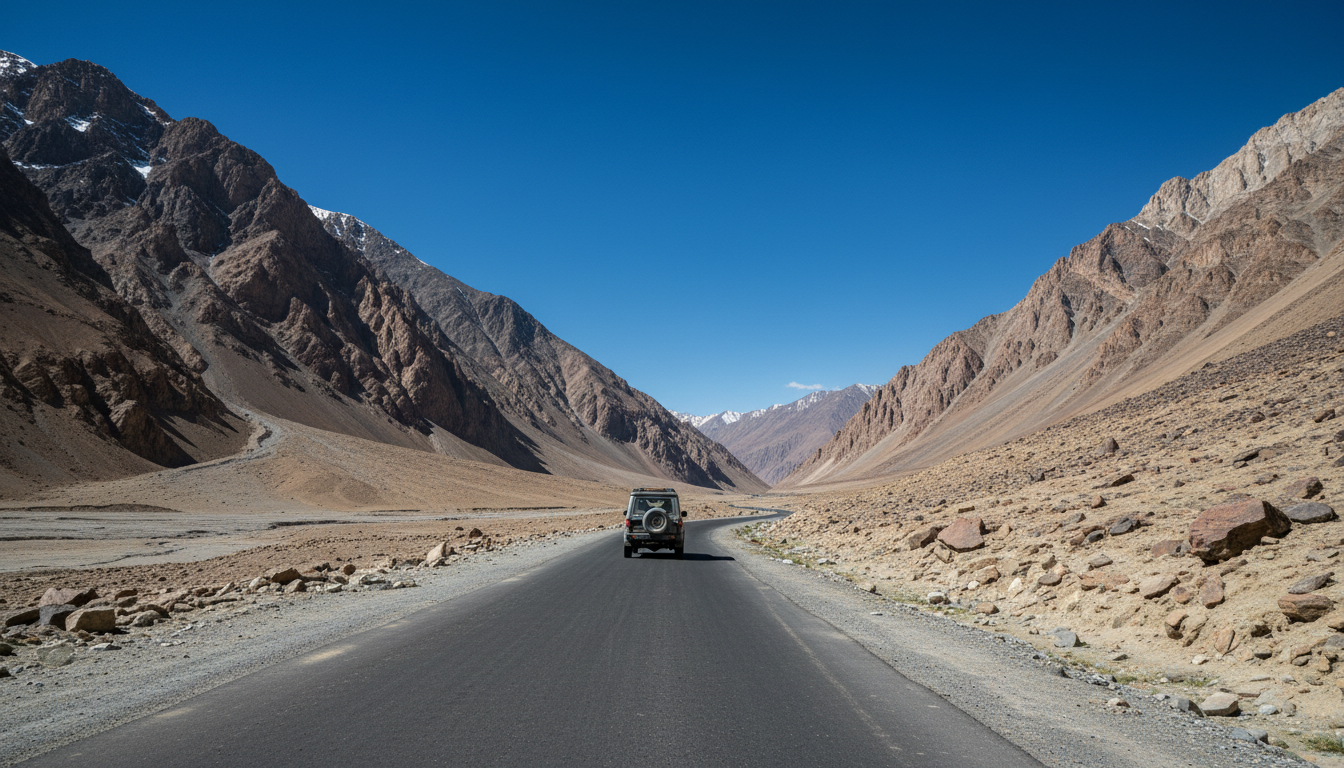
In September, Ladakh trades its summer dust for clear blue skies and rich amber landscapes. Tourist numbers fall by nearly 50% compared to July and August, allowing visitors to enjoy the high-altitude lakes and monastaries in relative quiet.
- Weather: Leh town records daytime readings of 15°C to 20°C and night temperatures of 5°C to 8°C. High-altitude overnight bases like Pangong Tso and Tso Moriri experience sub-zero nights (-2°C to -5°C).
- Key Highlights: Pangong Tso, Nubra Valley sand dunes, Khardung La pass crossing, and Hemis and Thiksey Monasteries.
- Permit Requirements: Indian citizens need an Inner Line Permit (LAHDCL Permit) to visit restricted border zones like Nubra, Pangong, and Hanle, easily booked via
lahdclehpermit.in.
Keep in mind that flying directly into Leh requires a non-negotiable 48-hour acclimatization rest in town before attempting high pass crossings. You can map out your high-altitude rest stops with our step-by-step 7-day Leh Ladakh itinerary.
6. Valley of Flowers & Hemkund Sahib, Uttarakhand
September is the final operational month for the Valley of Flowers National Park before winter snow forces its annual shutdown on October 1st. While the absolute peak flower density occurs during the rainy weeks of July and August, September offers drier, stable trails and mist-free mountain views.
- Weather: Cool days (10°C to 15°C); cold nights (0°C to 5°C).
- Trek Details: A 17 km trek starts from Poolna/Govindghat, taking trekkers through the base village of Ghangaria to the valley floor.
- Costs: Entry ticket is ₹150 for Indian nationals, valid for 3 days.
- Why Visit Now: Unlike the heavy monsoon months, September brings dry walking trails, low risk of landslides along the Alaknanda river corridor, and crisp views of surrounding Himalayan peaks.
7. Coorg (Kodagu), Karnataka
Coorg in September catches the tail end of the Southwest Monsoon. The district’s extensive coffee plantations, spice gardens, and dense evergreen reserves are fully hydrated, filling waterfalls to peak capacity without the disruptions of heavy downpours.
- Weather: Mild, pleasant temperatures ranging from 18°C to 25°C with soft morning mist.
- Key Highlights: Mallalli Falls and Abbey Falls, morning elephant interactions at Dubare Elephant Camp, private coffee estate walks, and sunsets at Raja’s Seat.
- Budget Advantage: Luxury coffee estate resorts and homestays offer shoulder-season room tariffs at 25% to 35% below peak winter rates.
8. Shillong & Cherrapunji (Sohra), Meghalaya
September is a great month to visit Meghalaya. As torrential rainstorms clear into brief, localized showers, the state’s famous waterfalls remain thick and roaring, while driving visibility along the mountain highways improves dramatically.
- Weather: Comfortable daytime highs (19°C to 24°C); cool evenings (15°C to 18°C).
- Key Highlights: Nohkalikai Falls, Seven Sisters Falls, the turquoise tier pools of Wei Sawdong, and day hikes to the Double Decker Living Root Bridge in Nongriat.
- Road Conditions: The main Guwahati–Shillong–Sohra highway is well-paved, smooth, and easily navigable throughout the month.
9. Udaipur, Rajasthan
If you prefer a cultural getaway among the top places to visit in India in September, Udaipur offers pleasant weather and lush scenery. Late monsoon rains turn the surrounding Aravali hills green and fill the city’s interconnected lake systems to the brim.
- Weather: Warm daytime highs (30°C to 33°C) giving way to cool, breezy evenings (21°C to 24°C).
- Key Highlights: Sunset boat rides across Lake Pichola, touring the historic City Palace, visiting Jagmandir, and scenic drives up to Sajjangarh (Monsoon Palace) for views over the green hills.
- Accommodation Value: Traditional lakeside havelis and luxury palace hotels offer pre-season rates before peak winter pricing begins in October.
Read our complete detailed Udaipur itinerary to plan your palace tours and boat rides.
10. Munnar, Kerala
Munnar turns bright green in September as post-monsoon mist settles over its sprawling tea plantations. Cascading roadside streams flow steadily, creating ideal conditions for scenic photography and slow travel across the Western Ghats.
- Weather: Daytime temperatures hover between 20°C and 24°C; nights drop to a misty 14°C to 17°C.
- Key Highlights: Tea estate walks and tastings at Lockhart Estate, visiting Attukad Waterfalls, viewing Anamudi Peak, and booking traditional Ayurvedic wellness therapies.
Expert Insight: Traditional Ayurvedic practitioners consider the immediate post-monsoon climate of September ideal for body treatments, as the cool air helps open pores and improves the absorption of herbal oils.
11. Wayanad, Kerala
Wayanad’s high-altitude tropical forests are quiet, fresh, and vibrant during September. As heavy rains subside, trekking trails into the sanctuary zones reopen, and wildlife moves closer to forest watering holes.
- Weather: Comfortable, ranging from 19°C to 25°C with light mountain breezes.
- Key Highlights: Speedboating at Banasura Sagar Dam (India’s largest earth dam), exploring ancient carvings at Edakkal Caves, viewing Soochipara Waterfalls, and taking wildlife jeep safaris through the Wayanad Wildlife Sanctuary.
12. Kodaikanal, Tamil Nadu
Perched high on the Palani Hills, Kodaikanal offers clear mountain air, crisp morning mist, and quiet forest walks in September. It is an ideal refuge for travellers wanting to escape sticky coastal humidity before the North-East monsoon begins in late October.
- Weather: Crisp, cool days (17°C to 22°C); chillier nights (11°C to 14°C).
- Key Highlights: Rowboating on Kodaikanal Lake, scenic cliffside walks along Coaker’s Walk, viewing the Pillar Rocks, and light hikes to Bear Shola Falls.
13. Srinagar & Kashmir Valley, Jammu & Kashmir
September marks the start of autumn in Kashmir. The valley’s extensive apple and walnut orchards hang heavy with ripe fruit, skies remain clear blue, and ambient temperatures are comfortably mild for sightseeing.
- Weather: Sunny days (20°C to 25°C); crisp nights (10°C to 12°C).
- Key Highlights: Shikara rides and overnight houseboat stays on Dal Lake, strolling through Mughal Gardens (Shalimar and Nishat Bagh), and scenic day trips to Gulmarg, Pahalgam, and Sonamarg.
14. Pachmarhi, Madhya Pradesh
Widely known as the “Queen of Satpura”, Pachmarhi sits on a high central plateau surrounded by deep ravines, waterfalls, and pine forests. In September, monsoon rains leave the plateau completely green and fill its famous sandstone waterfalls to maximum volume.
- Weather: Daytime temperatures average 22°C to 28°C; pleasant, cool nights (18°C to 20°C).
- Key Highlights: Bee Falls (Jamuna Prapat), catching sunsets from Dhoopgarh (the highest point in Madhya Pradesh), and exploring the ancient Jata Shankar and Pandav Caves.
- Logistics Note: The nearest major railhead is Pipariya, located 52 km from the hill station. Core tiger safari zones in the surrounding Satpura Tiger Reserve remain closed during September for animal breeding season, reopening on October 1st.
15. Andaman & Nicobar Islands (Port Blair & Havelock)
For budget travelers looking for a beach holiday, the Andaman Islands in September offer severe price discounts of up to 40% on flights and luxury beachfront resorts.
- Weather: Warm coastal temperatures (24°C to 30°C) with alternating sunny stretches and quick monsoon showers.
- Reality Check: Water sports activities like scuba diving and inter-island ferry sailings operate on a weather-conditional basis. Treat marine activities as optional bonuses rather than guaranteed daily highlights, and keep buffer days in your travel schedule.
Planning Guide: Logistics, Seasonal Status & Permits
Before booking your trip, use this summary table to verify seasonal operational status and mandatory entry paperwork across key September destinations:
| Destination | Seasonal Status in September | Permits / Advance Booking Requirements |
|---|---|---|
| Rishikesh | Rafting reopens in phases (mid-to-late Sept) | No permit needed. Book via registered river outfits. |
| Kaas Plateau | Peak wildflower bloom (mid-Sept to early Oct) | Mandatory online permit via kas.ind.in (3,000 cap). |
| Ziro Valley | Ziro Festival of Music (Sept 24–27, 2026) | Inner Line Permit (ILP) required for non-state residents. |
| Spiti Valley | Open (Shimla & Manali routes functional) | No ILP required for Indian citizens. PAP needed for foreigners. |
| Leh-Ladakh | Open (Clear passes; lower tourist traffic) | Inner Line Permit (LAHDCL) needed for border circuits. |
| Valley of Flowers | Open (Final operational month before Oct 1) | Forest department ticket purchased at Govindghat post. |
| Andaman Islands | Tail monsoon (Discounts available; conditional seas) | No permit for main islands; keep buffer days for ferries. |
Common Misconceptions About Places to Visit in India in September
To plan a smooth trip, keep these common travel myths in mind:
1. “Rishikesh Rafting Opens on September 1st”
Many online guides claim river rafting reopens on the first day of the month. In reality, the Uttarakhand Tourism Development Board and local river safety teams inspect water flow rates and debris levels first. Shorter, lower-grade runs like Brahmpuri open around mid-September, while longer runs like Shivpuri usually clear around September 20–25.
2. “Himalayan High-Altitude Passes are Warm in September”
While daytime temperatures in Leh, Kaza, and Kargil are pleasant under clear sunshine (15°C to 20°C), night temperatures drop fast. By late September, overnight stays near high-altitude lakes like Pangong Tso or Chandratal fall below 0°C. Standard campsite tents lack central heating, so pack heavy thermal layers, windproof jackets, and insulated socks.
3. “Valley of Flowers Has its Peak Bloom in September”
While September is a great time for clear trekking trails, the absolute highest density of flowers occurs earlier, during late July and August. September brings fewer flowers, but rewards trekkers with clear, mist-free views of snow-capped Himalayan peaks, dry paths, and minimal landslide risk.
4. “Kaas Plateau Can Be Visited Without Booking”
You cannot simply drive up to Kaas Pathar on September weekends and buy tickets at the gate. The local forest management committee strictly limits entry to 3,000 visitors per day across three 3-hour time slots. Unbooked visitors on weekends are turned away at lower police checkpoints near Satara.
Frequently Asked Questions
Is river rafting in Rishikesh open in September?
Yes, river rafting in Rishikesh reopens in mid-to-late September after the mandatory monsoon closure is lifted. Shorter river stretches like Brahmpuri (9 km) open first, followed by Shivpuri (16 km) in the fourth week of September once Ganges water levels drop to safe speeds.
What are the confirmed dates for the Ziro Festival of Music 2026?
The Ziro Festival of Music 2026 takes place from September 24 to September 27, 2026, in Ziro Valley, Arunachal Pradesh.
How do I book entry tickets for the Kaas Plateau flower bloom?
Entry tickets must be booked in advance on the official Kas Pathar website (kas.ind.in). Entry costs ₹50 per person on weekdays and ₹100 on weekends/holidays. Visitors must select a specific 3-hour entry window when booking.
Is September a good month for a road trip to Spiti Valley?
September is one of the best months for a Spiti road trip. Both the Shimla–Kaza and Manali–Atal Tunnel–Kunzum Pass routes are fully operational, roads are dry, and landslide risks drop significantly. Be sure to carry heavy thermal wear, as night temperatures at Chandratal Lake fall below freezing.
Do Indian citizens need permits to visit Ladakh and Arunachal Pradesh in September?
Yes. Domestic Indian tourists need an Inner Line Permit (ILP) to visit Ziro Valley in Arunachal Pradesh (applied online via state tourism portals). An Inner Line Permit (LAHDCL) is also required for restricted areas in Ladakh, such as Nubra Valley, Pangong Tso, and Tso Moriri.
Final Travel Checklist for September
As you narrow down your choices from the top places to visit in India in September, remember to keep your plans flexible. Weather conditions can change quickly during this transition month. Secure high-altitude permits online at least a week before departure, double-check local water sports reopenings, and book shoulder-season stays early to take advantage of lower prices before peak winter rates begin.