
March sits in the ultimate sweet spot of the Indian calendar. Temperatures across the plains range between 18°C and 32°C, winter snow begins to thaw across lower mountain trails, and dry forest canopies make wildlife tracking vastly easier before scorching summer heat sets in. If you are searching for the best places to visit in india in march, this brief spring window offers a rare combination: Asia’s largest tulip bloom, prime tiger sightings, crystal-clear island waters, and vibrant cultural celebrations like Holi, Shigmo, and Chapchar Kut.
Whether you are planning a long-weekend break around festival dates, seeking a family holiday, or wanting to explore national parks before summer surges, this guide outlines 15 tested destinations with exact timings, permit rules, weather realities, and practical costs.
Top Places to Visit in India in March for Spring Blooms & Nature
1. Srinagar & Kashmir Valley, Jammu & Kashmir
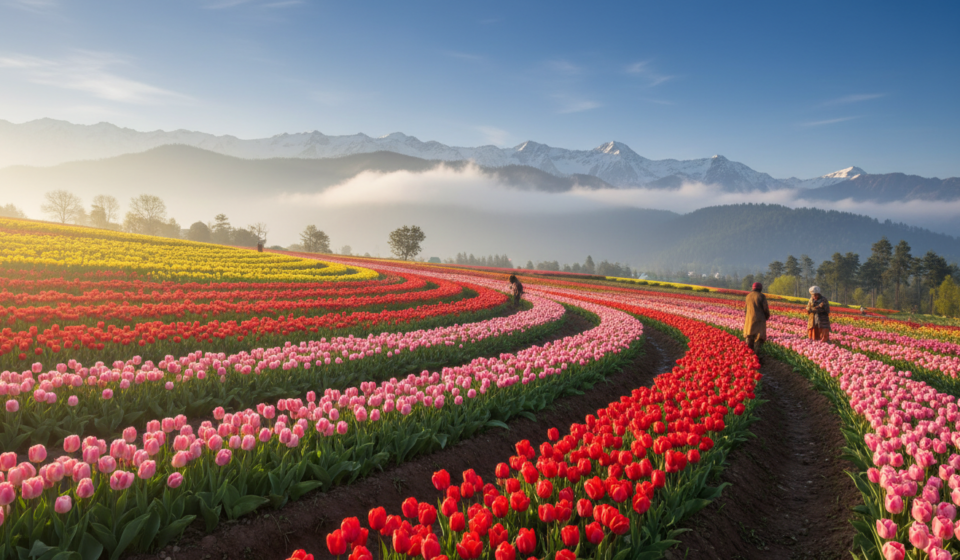
Srinagar undergoes a dramatic visual transformation in mid-March. As winter thaws, the Kashmir Valley comes alive with almond blossoms at Badamwari and the opening of the Indira Gandhi Memorial Tulip Garden—the largest tulip garden in Asia. Covering terraced ground overlooking Dal Lake, the garden features over 1.8 million tulip bulbs across 70+ varieties. High-altitude peaks like Gulmarg still retain white snow cover, allowing travellers to experience both snow and spring flowers in a single trip.
- Ideal Duration: 4 Nights / 5 Days
- March Weather: 8°C to 18°C. Crispy morning air, pleasant daytime sun, cold nights.
- Key Experiences: Walking through rows of vibrant tulips, taking a sunset Shikara ride on Dal Lake, visiting Badamwari garden, riding the Gulmarg Gondola over remaining snowpack.
- Practical Tip: The Tulip Garden entry fee is ₹75 for adults and ₹30 for children. Purchase e-tickets online via the Jammu & Kashmir Floriculture portal to bypass 2-hour queue lines at the gate. Visit between 8:30 AM and 10:00 AM for soft morning light and fewer tour groups.
2. Darjeeling, West Bengal
March marks the official start of the famous “First Flush” season across Darjeeling’s high-altitude tea estates. The very first tender tea leaves of the year are hand-harvested after winter dormancy, producing light, highly aromatic tea that commands global acclaim. March also brings exceptionally clear morning skies, offering unobstructed views of the Kanchenjunga massif from Tiger Hill before afternoon clouds roll in.
- Ideal Duration: 3 Nights / 4 Days
- March Weather: 10°C to 19°C. Clear, cool mornings and mild afternoons.
- Key Experiences: Touring Makaibari or Happy Valley tea estates to observe spring plucking and processing, riding the UNESCO-listed Darjeeling Himalayan Railway (Toy Train) to Ghum, watching sunrise over Kanchenjunga.
- Practical Tip: First Flush tea estate tours are in high demand among tea enthusiasts. Book estate walking tours and tea-tasting sessions at least 2 weeks in advance. If you are looking to extend your journey across the North, explore our guide to North India travel destinations.
3. Gangtok & Yumthang Valley, Sikkim
Spring arrives early in East and North Sikkim, triggering the blooming of wild orchids and early-season rhododendrons across high valleys. While mountain passes like Nathula and Tsomgo (Changu) Lake remain partially ice-bound, lower elevation valleys thaw into bright green landscapes. Yumthang Valley, known as Sikkim’s Valley of Flowers, begins its flowering transition in late March, framed by snow-capped Himalayan peaks.
- Ideal Duration: 5 Nights / 6 Days
- March Weather: 8°C to 18°C in Gangtok; 2°C to 10°C in North Sikkim (Lachung/Yumthang).
- Key Experiences: Driving to Tsomgo Lake, taking in rhododendron blooms in North Sikkim, visiting Rumtek and Enchey Monasteries, cable car rides in Gangtok.
- Practical Tip: Border permits are mandatory for Nathula Pass and North Sikkim. Carry four recent passport-size photographs and your original Voter ID card or Passport. Indian army check-posts frequently reject Aadhaar cards for high-altitude permit verification. Check out our advice on the best time to visit North East India for detailed permit breakdowns.
Vibrant Cultural & Festival Destinations in March
4. Mathura & Vrindavan, Uttar Pradesh
The twin towns of Mathura and Vrindavan host India’s most intense spring cultural celebrations. Spanning 10 to 14 days around the festival of Holi, the Braj region hosts legendary traditions including Lathmar Holi in Barsana and Nandgaon, along with Phoolon ki Holi (Flower Holi) at the Banke Bihari Temple. The entire area is filled with music, devotional chants, floral arrangements, and traditional powders (gulal).
- Ideal Duration: 2 Nights / 3 Days
- March Weather: 16°C to 30°C. Warm, bright sunshine during the day.
- Key Experiences: Witnessing Lathmar Holi in neighboring villages, attending Phoolon ki Holi inside Vrindavan temples, watching Yamuna Aarti at Vishram Ghat.
- Practical Tip: Temple courtyards get packed during festival week. Wear simple cotton clothes you do not mind discarding, apply coconut oil generously to exposed skin and hair to repel synthetic dyes, and seal mobile phones inside waterproof ziplock bags.
5. Rishikesh, Uttarakhand
March is prime time for Rishikesh. Every year from March 9 to March 15, Parmarth Niketan Ashram hosts the International Yoga Festival, drawing global spiritual practitioners, yoga masters, and wellness experts. Beyond yoga, white-water rafting along the Ganges reopens fully, with water flow and temperatures ideal for river runs prior to pre-monsoon meltwater surges.
- Ideal Duration: 3 Nights / 4 Days
- March Weather: 14°C to 28°C. Crisp, cool breezes off the Ganges with warm, pleasant daytime sun.
- Key Experiences: Yoga and meditation workshops, attending evening Ganga Aarti at Triveni Ghat, white-water rafting from Shivpuri (16 km stretch), exploring cafes in Tapovan and Lakshman Jhula.
- Practical Tip: Rishikesh is a strictly vegetarian and alcohol-free pilgrimage town. Stays around Tapovan and Swarg Ashram fill up months ahead of Yoga Week; reserve your accommodation at least 60 days in advance.
6. Jaipur, Rajasthan
March offers the final stretch of pleasant weather for exploring Rajasthan’s Pink City before summer temperatures climb past 40°C. Jaipur’s wide avenues, pink sandstone palaces, and hilltop forts are bathed in warm, comfortable sunshine. Additionally, royal heritage hotels and the City Palace host traditional cultural performances, folk music, and organized Holi celebrations catered to visitors.
- Ideal Duration: 2 Nights / 3 Days
- March Weather: 18°C to 32°C. Clear skies, pleasant mornings, warm afternoons.
- Key Experiences: Morning jeep rides to Amer Fort, touring the City Palace and Hawa Mahal, shopping for textiles and silver jewelry in Johari and Bapu Bazaars, watching the sunset at Jal Mahal.
- Practical Tip: For travellers wanting a controlled, hassle-free Holi experience, purchase advance passes to curated heritage hotel events rather than venturing into unorganized street celebrations.
7. Aizawl, Mizoram
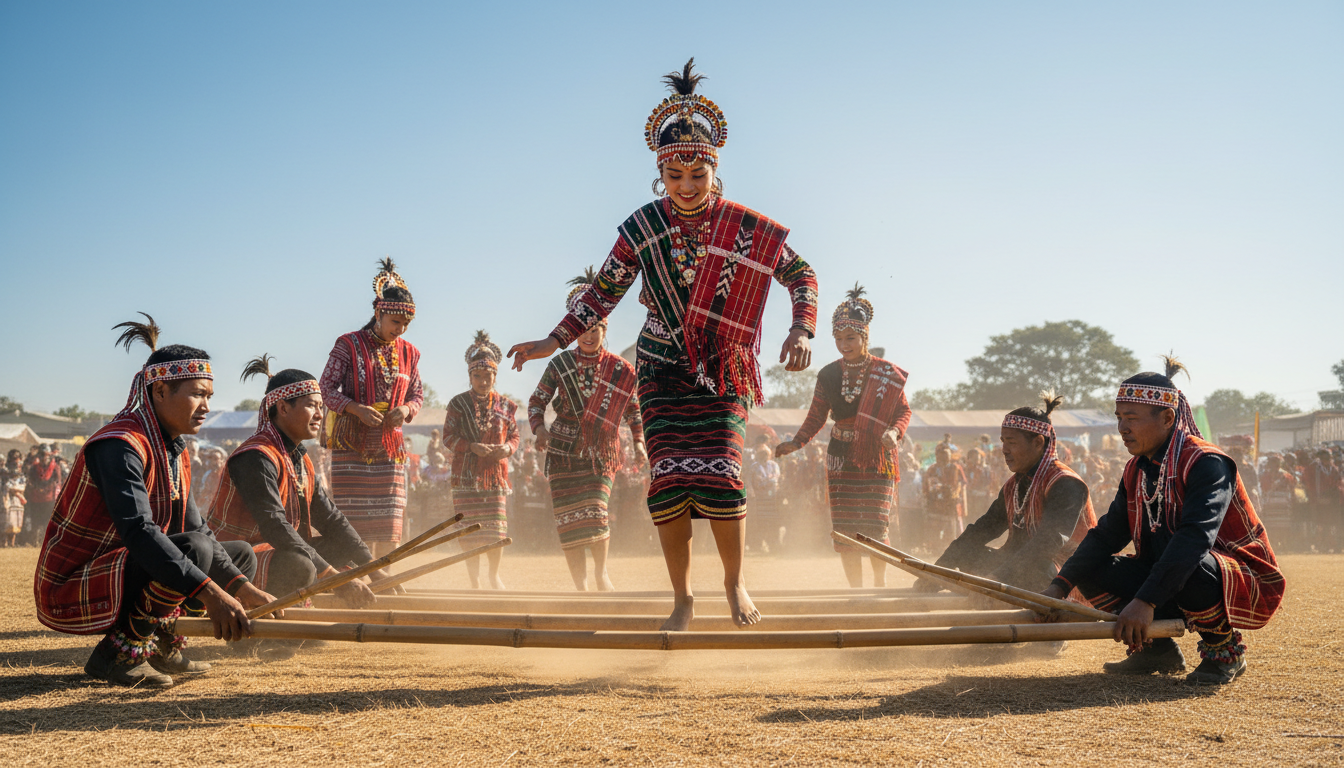
On the first Friday of March each year, Mizoram celebrates Chapchar Kut, its oldest and largest spring festival. Held after the completion of arduous forest clearing for agricultural planting (jhum), Chapchar Kut is a showcase of Mizo heritage. Thousands of dancers assemble at Aizawl’s Lammual Ground dressed in traditional woven attire to perform the iconic Cheraw (bamboo dance) to rhythmic drum beats.
- Ideal Duration: 3 Nights / 4 Days
- March Weather: 15°C to 25°C. Mild temperatures with dry, clear mountain air.
- Key Experiences: Watching mass Cheraw bamboo dance performances at Lammual Ground, exploring Mizo tribal handicraft markets, tasting local stews seasoned with fresh bamboo shoots.
- Practical Tip: All non-resident domestic tourists require an Inner Line Permit (ILP) to enter Mizoram. Obtain your ILP online prior to travel or at the security desks at Lengpui Airport upon arrival. Mizoram is also a dry state regarding alcohol sales.
8. Goa (Panaji & Central Villages)
While peak winter beach crowds depart in February, March brings one of Goa’s most authentic cultural traditions: Shigmo (Shigmotsav). Spanning 14 days, this Hindu spring folk festival features street parades with massive handcrafted floats depicting epic Indian mythology, regional folk troupes dancing the Ghode Modni, and traditional drumming. Coastal hotel rates also dip by 20% to 30% compared to peak winter prices.
- Ideal Duration: 4 Nights / 5 Days
- March Weather: 22°C to 32°C. Clear blue skies, sunny beaches, pleasant evening sea breezes.
- Key Experiences: Watching official Shigmo float parades in Panaji and Margao, relaxing on quieter South Goa beaches like Palolem and Agonda, enjoying calm sea water sports at Calangute.
- Practical Tip: Plan your stay around Goa Tourism’s official Shigmo parade schedule, which rotates city venues over two weeks. South Goa resorts offer excellent shoulder-season value for travellers seeking quiet luxury.
Best Places to Visit in India in March for Wildlife Safaris
9. Tadoba-Andhari Tiger Reserve, Maharashtra
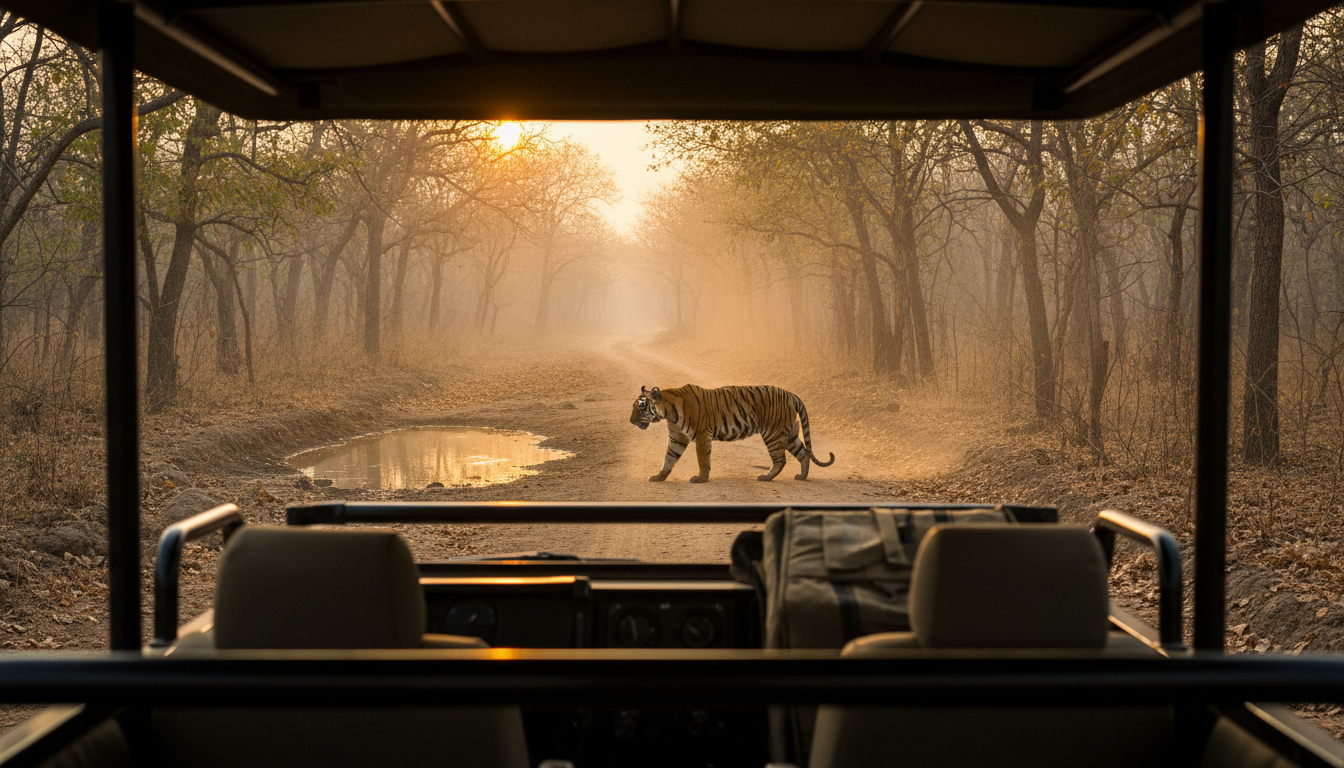
March is one of the top months for big cat sightings in Central India. As daytime temperatures rise to around 35°C, the dense forest canopy loses its leaves, significantly improving line-of-sight visibility. Ponds, seasonal streams, and smaller watering holes dry up, forcing tigers, leopards, and sloth bears to frequent remaining waterbodies like the Telia Lake and Moharli waterholes.
- Ideal Duration: 2 Nights / 3 Days (Minimum 3 to 4 open-jeep safaris)
- March Weather: 20°C to 35°C. Dry heat, clear skies. Warm but far more comfortable than scorching 45°C May heat.
- Key Experiences: Morning and afternoon Jeep safaris in core zones (Moharli, Kolara, Navegaon), birdwatching around Erai Dam, tracking wild tigers along forest tracks.
- Practical Tip: Safari permits for core zones open **120 days in advance** at 8:00 AM IST on the Maharashtra Eco-Tourism portal. They sell out within minutes. Always book your safari permits *before* confirming flight or resort bookings.
10. Ranthambore National Park, Rajasthan
Ranthambore’s dry deciduous forest and historical ruins provide an incredible backdrop for spring safari photography. In March, foliage thins considerably, making iconic tigresses and their growing cubs much easier to spot around Padam Talao, Rajbagh, and Malik Talao lakes. Temperatures remain comfortable enough for extended open-air vehicle drives.
- Ideal Duration: 2 Nights / 3 Days
- March Weather: 17°C to 32°C. Cool mornings transition into warm, sunny afternoons.
- Key Experiences: Open Gypsy safaris through forest zones 1 to 5, hiking up to the 10th-century Ranthambore Fort overlooking the park, birding at Surwal Lake.
- Practical Tip: When booking, opt for 6-seater open Gypsies rather than 20-seater Canter buses. Gypsies navigate rough forest terrain more smoothly and offer better camera angles for photography.
11. Jim Corbett National Park, Uttarakhand
By March, Jim Corbett National Park operates at full capacity. The prized Dhikala zone—closed throughout the monsoon and early winter—is completely open. The Ramganga River valley thaws into a hub of wildlife activity, where large herds of wild elephants gather along open grasslands (chaurs) to feed and bathe alongside deer and wild boars.
- Ideal Duration: 3 Nights / 4 Days
- March Weather: 12°C to 28°C. Crisp, chilly mornings and warm, clear afternoons.
- Key Experiences: Staying overnight in historic forest rest houses inside the Dhikala zone, open-jeep safaris through Bijrani and Jhirna, birdwatching along the Ramganga River.
- Practical Tip: Permit bookings for overnight stays inside Dhikala open exactly 45 days in advance on the official Uttarakhand Forest Department portal. Securing a forest lodge stay inside the core zone delivers the ultimate jungle experience.
Mountain Escapes & Hill Stations
12. Dharamshala & McLeod Ganj, Himachal Pradesh
As winter snow recedes from the lower Dhauladhar range, popular trekking routes reopen around McLeod Ganj. March brings crisp mountain air, warm sunshine, and blooming wildflowers along forest trails. It is also an active month at the Tsuglagkhang Complex (Dalai Lama Temple), where public spring teachings often take place, bringing a serene, contemplative atmosphere to the town.
- Ideal Duration: 3 Nights / 4 Days
- March Weather: 10°C to 22°C. Pleasant daytime temperatures; chilly evenings requiring light woollens.
- Key Experiences: Trekking the Triund trail for panorama views of snow-dusted Dhauladhar peaks, visiting the Tsuglagkhang Complex, exploring Tibetan arts at Norbulingka Institute, cafe hopping in Dharamkot.
- Practical Tip: The Triund trek is manageable as a single-day trip in March, but snow patches may linger near the ridge top. Wear sturdy trekking shoes with good rubber grip and carry a light windbreaker jacket for the summit wind.
13. Munnar, Kerala
Munnar’s famous tea estates experience their spring flush in March, turning the rolling Western Ghats a brilliant emerald green. High-altitude mountain air keeps the weather crisp and pleasant, making it a comfortable haven before intense summer temperatures reach coastal South India.
- Ideal Duration: 3 Nights / 4 Days
- March Weather: 16°C to 28°C. Cool mornings, sunny days, refreshingly low humidity.
- Key Experiences: 4×4 Jeep rides up to Kolukkumalai (the world’s highest organic tea estate) for sunrise, visiting tea processing factories, scenic drives through Lockhart Gap.
- Practical Tip: Crucial Warning: Eravikulam National Park routinely closes for 4 to 6 weeks between February and mid-March for the Nilgiri Tahr calving season. Always check official Kerala Forest Department updates if visiting the park to view the endangered Tahr is a priority for your trip.
14. Shillong & Cherrapunji, Meghalaya
March offers a rare window in Meghalaya: absolute water clarity. Before the heavy pre-monsoon rains arrive in late April to turn rivers muddy, the legendary Umngot River in Dawki achieves glass-like transparency. Boats floating on the water appear to suspended in mid-air over the clear riverbed. Waterfalls across Cherrapunji run cleanly, and village hiking trails remain dry and accessible.
- Ideal Duration: 4 Nights / 5 Days
- March Weather: 12°C to 22°C. Comfortable daytime hiking weather with clear skies.
- Key Experiences: Clear-water boat rides on the Umngot River in Dawki, trekking down to the Double Decker Living Root Bridge in Nongriat, viewing Nohkalikai Falls, exploring clean tribal villages like Mawlynnong.
- Practical Tip: Plan your Dawki river excursion for early morning (between 8:00 AM and 10:30 AM). Wind speeds pick up by early afternoon, causing surface ripples that reduce underwater visibility.
Island & Coastal Sunshine
15. Havelock Island (Swaraj Dweep), Andaman & Nicobar
March brings the calmest sea conditions of the year to the Andaman Sea. Wind speeds drop to yearly lows, resulting in flat water surface conditions and underwater visibility extending up to 20 to 25 meters. This makes March the premier month of the year for scuba diving, snorkeling, and inter-island ferry travel across the archipelago.
- Ideal Duration: 4 Nights / 5 Days
- March Weather: 23°C to 31°C. Sunny beach days, gentle sea breeze, moderate tropical humidity.
- Key Experiences: Scuba diving or snorkeling at Elephant Beach and Nemo Reef, watching golden sunsets at Radhanagar Beach (Beach No. 7), night bioluminescence kayaking through coastal mangroves.
- Practical Tip: Book high-speed inter-island catamarans (such as Makruzz or Nautika) at least 30 days in advance. Sea conditions are smooth, ensuring ferry schedules run right on time. Planning a longer island getaway? Read our comprehensive 7-Day Andaman Itinerary for complete transit and hotel advice.
March Weather, Clothing & Budget Reference Matrix
Planning travel across India in March requires accounting for sharp diurnal temperature shifts—cold mountain mornings often yield to warm, sunny afternoons. Use this practical quick-reference guide to plan your trip budget and clothing choices efficiently:
| Region | Avg Temp Range | Climate Feel | Recommended Layering & Essentials |
|---|---|---|---|
| North Himalayan (Srinagar, Dharamshala, Gangtok) | 6°C to 18°C | Spring thaw, crisp mountain breeze, cold nights | Thermal underlayers, fleece jackets, sturdy walking shoes, lip balm. |
| North & Central Plains (Mathura, Rishikesh, Jaipur) | 15°C to 32°C | Warm sunny days, pleasantly cool evenings | Breathable cotton tops for day, light cotton sweater/shawl for evening. |
| Central Wildlife Belts (Tadoba, Ranthambore, Corbett) | 16°C to 35°C | Dry heat, bright sun, dusty tracks | Neutral safari tones (khaki/green), wide-brim hat, dust face mask/buff, UV sunblock. |
| Northeast Hills & Valleys (Shillong, Aizawl) | 12°C to 24°C | Mild, fresh air, clear blue skies | Comfortable trekking shoes, light layers, rain-proof windbreaker jacket. |
| Coastal & Islands (Goa, Havelock, Munnar) | 22°C to 32°C | Warm sunshine, gentle ocean breezes | Linen shirts, quick-dry swimwear, polaroid sunglasses, reef-safe sunscreen. |
Estimated Trip Budgets in March (3 Nights / 4 Days per Couple, ex-flights)
- Budget Travel (₹15,000 – ₹22,000): Utilizing authentic family homestays, public buses/shared cabs, and dining at local eateries.
- Mid-Range Travel (₹28,000 – ₹45,000): Staying in comfortable 3-star boutique hotels or eco-resorts, private AC cab transfers, and pre-booked guided tours. If traveling as a family, explore our guide to India family holiday options for curated stays.
- Luxury Travel (₹75,000 – ₹1,500,000+): Booking luxury wilderness camps (Taj Safaris/Oberoi), private heritage palace stays in Rajasthan, and high-end island resorts.
5 Critical Travel Mistakes to Avoid in March
- Relying on Spot Safari Permits: Core zone jeep safari permits for Tadoba, Corbett, and Ranthambore sell out 45 to 120 days in advance on state government eco-tourism portals. Booking resort accommodation before securing safari permits is a frequent, expensive mistake.
- Overlooking the Eravikulam National Park Closure: Driving to Munnar specifically to see the Nilgiri Tahr without verifying forest department notice dates often leads to disappointment, as the park closes every spring for calving season.
- Waiting in Ticket Queues at Srinagar’s Tulip Garden: Physical ticket counters at the Indira Gandhi Memorial Tulip Garden suffer massive 2-hour lines during peak March bloom. Purchasing e-tickets online eliminates gate delays instantly.
- Misjudging Braj Holi Crowd Dynamics: Bringing very young children or elderly travellers directly into crowded inner temple courtyards in Vrindavan during peak Holi leads to overwhelming crush conditions. Families should consider managed heritage hotel events in Jaipur instead.
- Carrying Incorrect ID Credentials for Military Border Checkpoints: Army check-posts in restricted border areas (such as Nathula Pass in Sikkim or parts of Mizoram) strictly require physical Voter ID cards or Passports. Indian army units frequently reject Aadhaar cards for high-altitude permit clearance.
Frequently Asked Questions About Travelling in India in March
Is March a good time to see snow in Kashmir?
March is a spring transition month. Fresh snowfall in Srinagar city is rare, but significant accumulated snow remains on the ground at higher elevations, such as Phase 1 and Phase 2 of the Gulmarg Gondola. The main highlight of Srinagar in mid-to-late March is the blooming of the Tulip Garden and almond blossoms in Badamwari.
Which national park has the best tiger sighting probability in March?
Tadoba-Andhari Tiger Reserve in Maharashtra and Ranthambore National Park in Rajasthan offer exceptional tiger sighting probabilities in March. Rising daytime temperatures thin out dry forest foliage and dry up interior water sources, forcing tigers to move toward predictable, remaining waterholes.
Where can I see spring bloom in India during March?
The premier spots for spring blooms in March are Srinagar (Indira Gandhi Memorial Tulip Garden and Badamwari almond orchards), North Sikkim (rhododendrons and wild orchids in Yumthang Valley), and Darjeeling (spring tea blossom flush across high-altitude tea estates).
Is Goa good to visit in March?
Yes, March is an ideal shoulder-season month to visit Goa. Peak winter holiday crowds have cleared, hotel room rates drop by 20% to 30%, sea water conditions remain calm and warm for swimming, and visitors can experience traditional Shigmo (Shigmotsav) cultural street parades across central Goa.
What clothes should I pack for a North India trip in March?
Pack in versatile layers. Mountain destinations like Dharamshala or Srinagar feature cold mornings and nights (6°C to 10°C) requiring thermals and jackets, while afternoon temperatures in nearby plains cities (like Jaipur or Mathura) reach warm daytime highs of 28°C to 32°C requiring breathable cotton clothing.