

If you are looking for places to visit in india in august without rain, you have likely noticed a frustrating trend in online travel guides. Most recommendations push destinations like Munnar, Coorg, Wayanad, Cherrapunji, or Goa. While these places are undeniably green during the peak of the Southwest Monsoon, they also experience torrential downpours—often receiving between 400 mm and over 1,000 mm of rain in August alone. Sightseeing usually involves soaked shoes, cancelled boat rides, flooded roads, and spending hours stuck inside a hotel room.
August does not have to mean getting drenched. While nearly 80% of India experiences heavy rainfall during this month, specific regions remain dry, bright, and ideal for outdoor exploration. These dry zones exist because of unique geographical barriers like rain shadows and high-altitude mountain walls. Whether you want high-altitude cold deserts, heritage beach towns on the Coromandel Coast, or golden desert forts, this guide details the best rain-free destinations, how to reach them safely, and how to avoid costly seasonal travel traps.
The Science: Why Certain Parts of India Stay Dry in August
Understanding why certain regions remain dry helps you plan a better itinerary and manage your expectations. India’s August weather is governed by three primary microclimatic mechanisms:
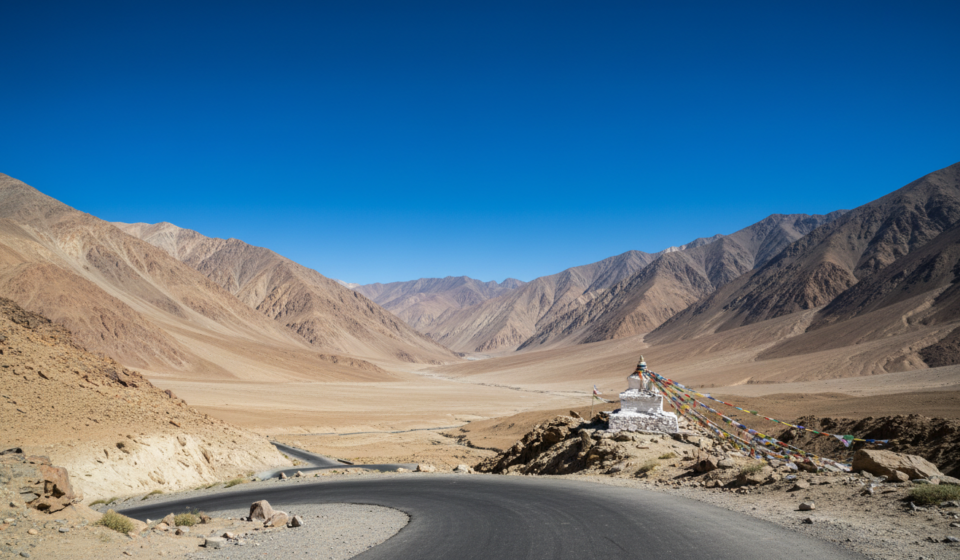
- Trans-Himalayan Cold Deserts: Massive mountain ranges like the Great Himalayas and Pir Panjal act as physical walls exceeding 4,000 to 5,000 metres. When moisture-laden monsoon clouds blow in from the south, they dump their rain on the southern slopes (Kullu, Manali, Shimla, and Jammu). By the time the air crosses over the high passes to the northern side, it is dry and moisture-depleted, creating the rain-shadow desert conditions of Ladakh and Spiti.
- The Western Ghats Rain Shadow: During the Southwest Monsoon (June to September), rain clouds strike the Western Ghats from the Arabian Sea, pouring rain over Kerala, Coastal Karnataka, Goa, and Maharashtra. As these winds cross the mountain crest and descend onto the eastern side, they warm up and lose their ability to drop rain. This leaves Coastal Tamil Nadu (Rameswaram, Puducherry) and North Interior Karnataka (Hampi) dry and warm. In fact, eastern Tamil Nadu receives around 70% of its annual rainfall during the Northeast Monsoon between October and December, leaving August clear and sunny.
- Arid Thar Desert Dynamics: Deep western Rajasthan lies far outside the main monsoon highway. Moisture-bearing winds from both the Arabian Sea and the Bay of Bengal exhaust most of their moisture before reaching the deep desert zones of Jaisalmer and Bikaner.
Top Verified Places to Visit in India in August Without Rain
1. Leh-Ladakh & Zanskar (Union Territory of Ladakh)
Tucked far behind the Great Himalayan barrier, Ladakh is one of the most reliable dry destinations in India in August. While northern plains endure humidity and downpours, Leh greets travellers with crisp air, clear blue skies, and high sunshine hours. August brings comfortable daytime temperatures averaging 20°C to 25°C, making it peak season for exploring high-altitude lakes and ancient monasteries.
Key Experiences: Take a scenic drive through the Nubra Valley, ride double-humped Bactrian camels among the Hunder sand dunes, watch the changing blues of Pangong Tso and Tso Moriri, and visit the cliffside monasteries of Hemis, Thiksey, and Diskit. Astrotourism enthusiasts should reserve a night for Hanle, India’s designated Dark Sky Reserve, where atmospheric clarity in August is exceptionally good.
Logistics & Travel Rules: The safest way to reach Leh in August is to fly directly into Kushok Bakula Rimpochee Airport (IXL) in Leh. While internal Ladakh is dry, approach highways like the Manali-Leh Highway and Srinagar-Leh Highway traverse lower mountain ranges that face monsoon-induced landslides. If driving, build flex days into your schedule.
Important Climate Note: While Ladakh typically records only 15 mm to 35 mm of rainfall in August, unusual weather events can happen. In August 2025, Leh recorded a rare 52-year rainfall anomaly of 80.2 mm when a Bay of Bengal surge met a western disturbance. Even so, short-lived drizzles remain the exception rather than the rule.
- Average August Rainfall: 15 mm – 35 mm
- Temperature Range: 10°C to 25°C
- Estimated Budget: ₹25,000 – ₹40,000 per person (6 Nights / 7 Days, excluding airfare)
2. Spiti Valley & Lahaul (Himachal Pradesh)
Spiti Valley is another Trans-Himalayan cold desert where monsoon clouds rarely enter. Inside the main valley—covering Kaza, Key, Kibber, Langza, and Tabo—the weather in August is dry, clear, and pleasantly cool during the day. The stark, lunar landscape set against clear mountain skies offers incredible photo opportunities.
Key Experiences: Visit the iconic 1,000-year-old Key Monastery, cross the engineering marvel of Chicham Bridge, search for prehistoric marine fossils in Langza, send a postcard from the world’s highest post office in Hikkim (4,400 m), and admire the frescoes at Tabo Monastery.
The Transit Warning: Spiti itself is dry, but getting there in August requires careful navigation. The standard entry routes—the Shimla-Kinnaur Highway (NH 5) and the route from Manali over Kunzum Pass—pass through heavy rainfall zones. Water crossings like Batal, Malling Nallah, and slide-prone points near Negulsari can experience temporary blockages due to shooting stones or mudslides. Always check daily Himachal Pradesh Police updates before setting off, and carry extra provisions for unexpected road delays.
- Average August Rainfall: 15 mm – 25 mm
- Temperature Range: 10°C to 23°C (nights can drop to 4°C)
- Estimated Budget: ₹18,000 – ₹28,000 per person (7 Nights / 8 Days via shared tempo traveler or SUV)
3. Dhanushkodi & Rameswaram (Tamil Nadu)
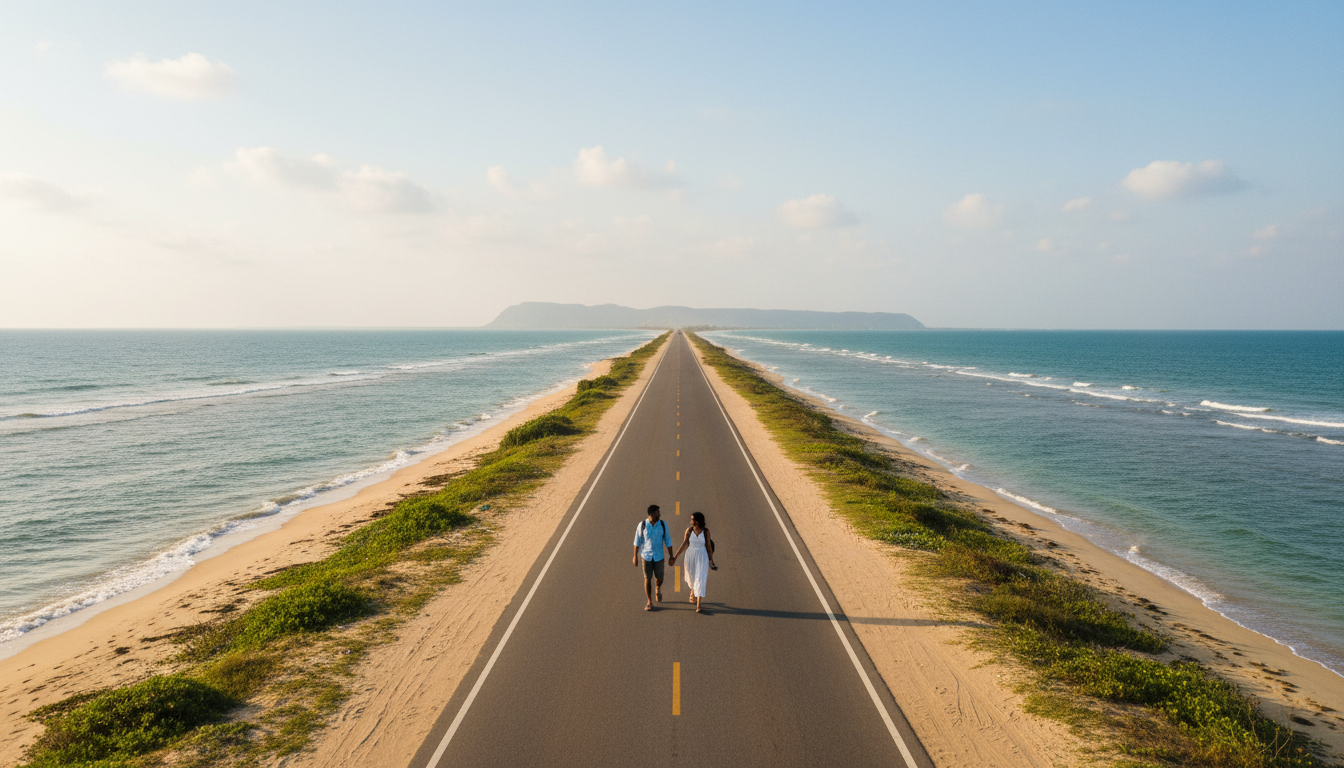
If you prefer a coastal vacation without rain, Dhanushkodi and Rameswaram on Tamil Nadu’s southeastern coast are excellent choices. Sitting deep within the Western Ghats rain shadow, this region experiences warm, breezy, sunny days with virtually no monsoon disruption.
Key Experiences: Drive down the spectacular straight road to Dhanushkodi—the ghost town destroyed in the 1964 cyclone—and visit Arichal Munai, the tip where the Indian Ocean meets the Bay of Bengal. Walk through the long carved corridors of the historic Ramanathaswamy Temple, admire the engineering of the Pamban Bridge, and enjoy calm, non-choppy waters on the eastern shore.
Logistics: Fly into Madurai Airport (IXM), located about 170 km away, and hire a cab or take a train to Rameswaram. Roads across eastern Tamil Nadu are flat, smooth, and entirely clear of monsoon transit hazards.
- Average August Rainfall: 10 mm – 30 mm
- Temperature Range: 26°C to 34°C
- Estimated Budget: ₹12,000 – ₹20,000 per person (3 Nights / 4 Days)
4. Jaisalmer & Bikaner (Western Rajasthan)
While southern and eastern Rajasthan (such as Udaipur and Mount Abu) receive monsoon showers, deep western Rajasthan remains dry. Jaisalmer and Bikaner, located deep in the Thar Desert, record very low precipitation in August, usually limited to short drizzles across two or three days of the month.
Key Experiences: Explore Jaisalmer Fort (Sonargarh), a living fort housing local families and shops, tour the intricately carved Patwon Ki Haveli, take a peaceful boat ride on Gadisar Lake, and explore Bikaner’s formidable Junagarh Fort. Visiting in August also means you can secure luxury desert camps and heritage havelis at off-season discounts of 40% to 60%.
Logistics: You can fly directly into Jodhpur Airport (JDH) or take direct overnight trains like the Delhi-Jaisalmer Express. Highways across western Rajasthan are wide, well-maintained, and completely unaffected by rains.
- Average August Rainfall: 50 mm – 70 mm
- Temperature Range: 25°C to 36°C
- Estimated Budget: ₹15,000 – ₹25,000 per person (4 Nights / 5 Days stay in boutique heritage properties)
5. Puducherry & East Coast Tamil Nadu
Located on the Coromandel Coast, Puducherry is protected from the Southwest Monsoon by the Western Ghats. While western coastal towns like Goa experience constant downpours, Puducherry receives sunshine, warm ocean breezes, and only occasional light drizzles. The city gets its main rain during the Northeast Monsoon starting in late October.
Key Experiences: Stroll through the bright yellow and pastel lanes of the French Quarter (White Town), walk along the Promenade Beach at sunset, visit the experimental township of Auroville, eat at French bakeries, and spend a relaxing afternoon at Paradise Beach.
Logistics: Fly into Chennai International Airport (MAA) and take a 3-hour drive down the scenic East Coast Road (ECR). The route offers great ocean views and clean, smooth highway conditions.
- Average August Rainfall: 40 mm – 80 mm
- Temperature Range: 26°C to 34°C
- Estimated Budget: ₹10,000 – ₹18,000 per person (2 Nights / 3 Days weekend trip)
6. Hampi & North Interior Karnataka
If you want to experience Karnataka without heavy coastal monsoon downpours, Hampi is ideal. While coastal spots like Gokarna and Udupi get over 800 mm of rain, Hampi sits on the dry Deccan Plateau rain shadow. August brings scattered, light drizzles that wash the dust off the massive boulder fields and ancient ruins, keeping temperatures comfortable without disrupting sightseeing.
Key Experiences: Walk through the Vijaya Vittala Temple complex to see the famous Stone Chariot, visit the active Virupaksha Temple, take a traditional coracle ride on the Tungabhadra River, explore Sanapur Lake, and catch sunrise over the boulder landscape from Matanga Hill.
Logistics: Fly into Jindal Vijayanagar Airport (VDY) near Toranagallu (40 km away) or take an overnight train directly to Hosapete Junction (13 km from Hampi).
- Average August Rainfall: 70 mm – 90 mm
- Temperature Range: 22°C to 30°C
- Estimated Budget: ₹8,000 – ₹15,000 per person (3 Nights / 4 Days)
Comparison of Places to Visit in India in August Without Rain
To help you choose the best trip for your group, this matrix compares weather, safety, and transit risks across top low-rainfall destinations:
| Destination | August Avg Rain | Avg Temp Range | Safest Mode of Transport | Transit Risk Level |
|---|---|---|---|---|
| Leh-Ladakh | 15 – 35 mm | 10°C – 25°C | Direct Flight to Leh (IXL) | Moderate on road passes; Low by air |
| Spiti Valley | 15 – 25 mm | 10°C – 23°C | SUV via Shimla-Kinnaur | High on transit roads (Landslides) |
| Dhanushkodi | 10 – 30 mm | 26°C – 34°C | Flight to Madurai + Taxi | Zero (Flat coastal highways) |
| Jaisalmer | 50 – 70 mm | 25°C – 36°C | Direct Train or Flight to Jodhpur | Zero (Clear desert highways) |
| Puducherry | 40 – 80 mm | 26°C – 34°C | Drive via Chennai ECR | Zero (Paved coastal roads) |
| Hampi | 70 – 90 mm | 22°C – 30°C | Overnight Train to Hosapete | Very Low (Deccan inland routes) |
The “Destination vs. Transit” Paradox: Critical August Safety Rule
One of the biggest mistakes travellers make when choosing places to visit in India in August without rain is confusing destination weather with transit weather.
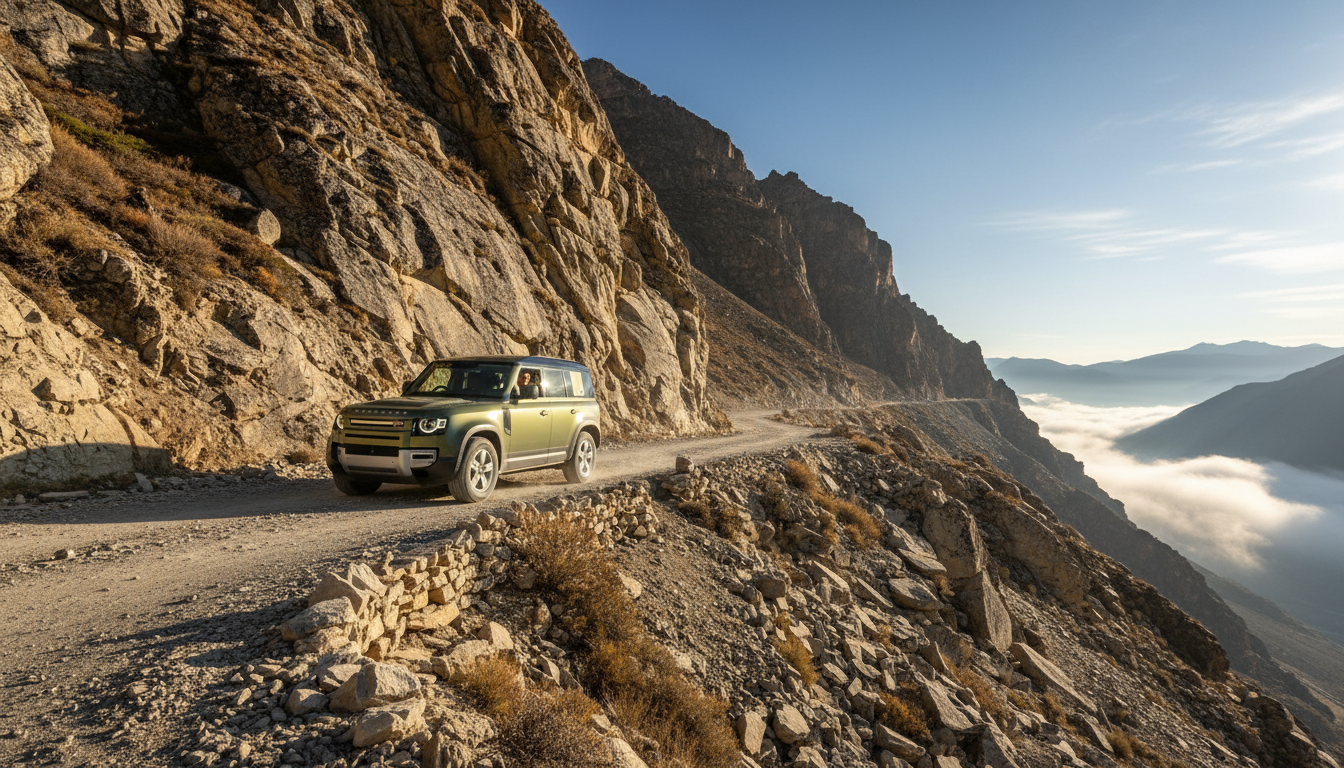
For high-altitude cold deserts like Spiti Valley and Ladakh, the destination itself remains dry. However, reaching them by road requires driving through high-rainfall mountain belts like Kullu, Mandi, Kinnaur, or Sonamarg. Heavy rains in these lower elevation zones can cause landslides, rockfalls, and flooded water crossings that block access roads for hours or days.
To travel safely in these regions during August, follow these guidelines:
- Fly Directly When Possible: For Ladakh, book a direct flight to Leh. This bypasses the landslide-prone mountain highways entirely.
- Build Buffer Days: If driving to Spiti or remote parts of Ladakh, build 2 to 3 flexible buffer days into your itinerary so a delayed road clearance won’t make you miss a returning flight or train.
- Check Daily Local Advisories: Do not rely on general weather apps. Follow official updates from the Himachal Pradesh Police or Ladakh Autonomous Hill Development Council (LAHDC) on social media for real-time road conditions.
- Use Experienced Drivers: If traveling by road, hire local mountain drivers who know how to navigate water crossings (nallahs) and read local terrain signs safely.
Common Travel Mistakes to Avoid in August
- Trusting Generic “Top 10 Monsoon” Articles: Many generic travel lists group “Monsoon Destinations” and “Rain-Free Destinations” together, incorrectly suggesting places like Munnar, Wayanad, Coorg, or Goa for dry holiday searches. Always double-check real rainfall averages (in millimetres) before booking.
- Ignoring Mountain Acclimatization: High-altitude cold deserts like Leh (3,500 metres) and Kaza (3,800 metres) have low oxygen levels regardless of weather. Allocate at least 24 to 48 hours for full rest upon arrival to prevent Acute Mountain Sickness (AMS). Drink water with electrolyte mixes, avoid heavy exertion early on, and consult a doctor regarding preventative medication like Diamox.
- Packing Only Summer Clothing for Cold Deserts: Clear skies during the day in Ladakh or Spiti can deceive first-time visitors. As soon as the sun sets, temperatures can drop down to 4°C to 8°C. Pack warm layers, light thermals, and a windproof jacket alongside your sunblock.
- Booking Non-Refundable Onward Travel: Avoid booking tight connecting flights or non-refundable trains immediately after a high-altitude mountain road drive in August. Give yourself a safe cushion of time.
Essential August Packing Guide
Packing correctly depends on whether you choose a high-altitude cold desert or a sunny coastal zone:
For Cold Deserts (Ladakh & Spiti)
- Windproof and waterproof outer jacket
- Thermal innerwear (1–2 pairs for night use)
- High-SPF sunblock (SPF 50+) and UV-blocking sunglasses (sun exposure is intense at high altitudes)
- Lip balm and moisturizer (dry air causes quick skin chapping)
- Hydration salts (ORS) and personal medication kit
- Sturdy footwear with good traction for rocky terrain
For Coastal & Heritage Zones (Dhanushkodi, Jaisalmer, Puducherry, Hampi)
- Breathable cotton and linen clothing
- Wide-brim hat or cap and UV sunglasses
- Comfortable walking shoes or sandals for temple and monument tours
- Light umbrella or compact poncho (for brief, occasional ocean drizzles)
Plan Your Trip with TravelDham
Navigating seasonal weather variations, managing mountain transit logistics, and finding reliable off-season hotel deals can feel overwhelming. TravelDham (Rising Star Tours & Travels) brings over 27 years of travel management expertise—operating continuously since 1998 as a Ministry of Tourism-approved agency.
Whether you want to organize a high-altitude Ladakh trip with built-in buffer days or book a heritage hotel stay in Jaisalmer or Puducherry, TravelDham provides personalized, hassle-free travel services:
- Custom Himalayan Travel Packages: Handcrafted itineraries with local mountain drivers, safe route planning, flexible schedules, and pre-booked hotel accommodations.
- Flight & Train Support: Expert help with flight bookings and flexible rebooking options to protect you against weather-related delays.
- Curated Heritage Stays: Direct ties with boutique hotels, desert resorts, and heritage properties to secure competitive rates and room upgrades.
Frequently Asked Questions
Is Ladakh completely rain-free in August?
While Ladakh sits in a rain shadow and receives very low precipitation (averaging 15 mm to 35 mm for the entire month), absolute zero rain cannot be guaranteed anywhere. Occasional light drizzles or short climate anomalies can occur, but overall, August in Ladakh brings warm sun, clear blue skies, and dry conditions ideal for sightseeing.
Is it safe to drive to Spiti Valley in August?
The main valley inside Spiti (Kaza, Key, Tabo) is dry and pleasant. However, the entry highways—via Shimla/Kinnaur or Manali/Kunzum Pass—cross through heavy monsoon rainfall belts that face landslide risks and shooting stones. If driving to Spiti in August, hire an experienced local mountain driver, check daily police traffic advisories, and include 2 to 3 buffer days in your schedule.
Which is the best rain-free beach destination in India in August?
Dhanushkodi and Rameswaram in Tamil Nadu are among the best choices. Located on the Coromandel Coast, they sit in the rain shadow of the Western Ghats during the Southwest Monsoon, offering dry weather, smooth coastal roads, calm blue waters, and clear sunshine in August.
Why do major websites list Goa and Munnar as August destinations?
Many general travel portals list Goa, Munnar, Coorg, or Wayanad because they showcase lush greenery and roaring waterfalls during the monsoon. However, these places experience heavy downpours (often exceeding 500 mm to 1,000 mm in August). If you want dry skies, warm sun, and outdoor activities without rain interruptions, stick to rain-shadow regions and cold deserts.
Do I need warm clothes for desert destinations in August?
For cold desert regions like Leh-Ladakh and Spiti Valley, yes—nighttime temperatures regularly drop to 4°C–10°C, requiring thermals and jackets. For hot sand desert regions like Jaisalmer, you only need light, breathable cotton clothes, as nights stay warm (around 24°C to 27°C).