
The Ultimate Parsili Travel Guide: How to Experience Madhya Pradesh’s Magical Barefoot Sand Walk and Sanjay Dubri Safaris

Madhya Pradesh remains one of India’s most underrated states for nature enthusiasts. Nestled in the Sidhi district, the remote village of Parsili offers a rare blend of solitude and wilderness. This Parsili travel guide provides the essential details for visitors seeking to experience the unique sand banks of the Banas River and the nearby Sanjay Dubri Tiger Reserve. Planning a trip here requires specific knowledge of geography and seasonal shifts, which this guide aims to clarify.
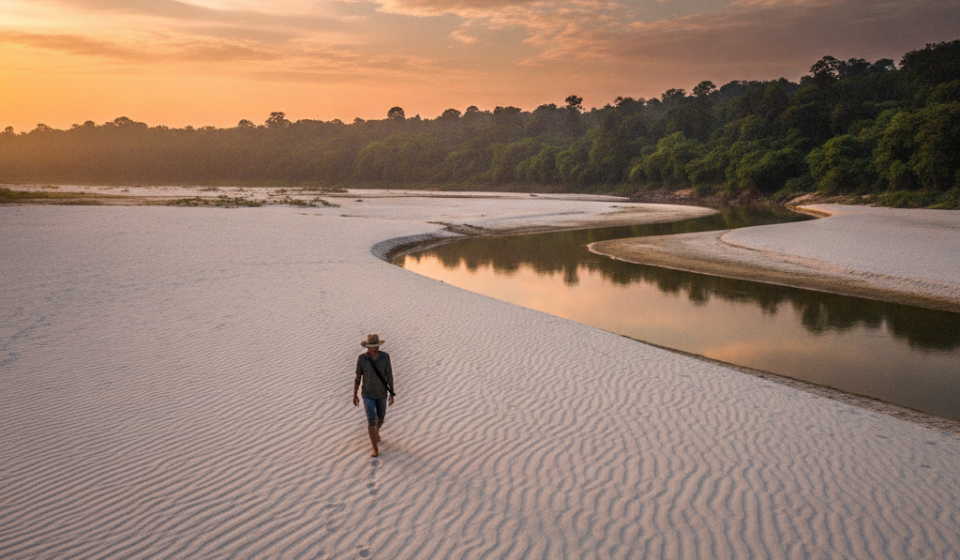
- Serene Barefoot Walks: Parsili is famous for its cool, white Banas River sand banks, perfect for barefoot natural therapy.
- Uncrowded Wildlife Hub: Sanjay Dubri Tiger Reserve offers authentic safaris with significantly less tourist vehicle congestion.
- Seasonal Strategy: Winter (November to February) is optimal for comfort, while summer maximizes predator sightings near waterbodies.
- Crucial Logistics: Rewa is the nearest key railhead, and advance booking of forest permits (up to 3 months early) is highly recommended.
Understanding the Parsili Destination
Parsili sits along the banks of the Banas River. The defining feature of this location is the expanse of white sand that appears during the post-monsoon months. Visitors often walk barefoot across these natural riverbanks, finding a quietude that is difficult to replicate in more commercialised hill stations or wildlife hubs. The area remains sparsely populated and retains a rugged, untouched character.
The proximity to the Sanjay Dubri National Park serves as the primary draw for those interested in wildlife. While the village itself offers relaxation, the surrounding forest provides the necessary habitat for tigers, leopards, and diverse bird species. This destination is ideal for travellers who prioritise conservation-focused tourism over high-density sightseeing.
- Location: Sidhi district, Madhya Pradesh
- Primary Attraction: Banas River sand banks
- Wildlife Gateway: Sanjay Dubri Tiger Reserve
- Best Travel Style: Wildlife photography, nature retreat, bird watching
The Optimal Time to Visit
| Season | Months | Travel Conditions |
|---|---|---|
| Winter | November to February | Cool, pleasant; ideal for both safari and river walks. |
| Summer | March to June | Very hot; best for wildlife sightings near water bodies. |
| Monsoon | July to October | High rainfall; river banks are submerged, park access restricted. |
The winter months offer the most comfortable weather for visitors. Temperatures during the day remain mild, which facilitates long hours of exploration within the Sanjay Dubri Tiger Reserve. Conversely, the summer months bring intense heat (often exceeding 40 degrees Celsius), though this period increases the probability of spotting apex predators congregating around forest water holes.

Navigating the Sanjay Dubri Safari Experience
The Sanjay Dubri Tiger Reserve represents a critical corridor for Bengal tigers between the Bandhavgarh and Guru Ghasidas parks. Unlike more popular Indian reserves that suffer from excessive vehicle congestion, this park provides a quieter, more authentic safari atmosphere. Visitors must secure permits in advance to ensure entry into the core zones.
The reserve is not merely a destination for sightings but an essential ecological corridor. Respecting park rules regarding silence and vehicle speed is mandatory for all guests.
To maximise the quality of your safari, keep the following logistical requirements in mind:
- Advance Booking: Permits are often limited. Check the official Madhya Pradesh forest department portal three months before your planned dates.
- Vehicle Selection: Open-top gypsy vehicles are the standard mode of transport. Ensure your booking includes a knowledgeable guide.
- Morning vs. Evening: Morning slots are cooler and better for tracking fresh pugmarks. Evening slots occasionally offer better chances for sunset photography.
- Gear: Carry high-quality binoculars and neutral-coloured clothing to blend with the forest environment.
Activities Beyond the Safaris
While the tiger reserve attracts most visitors, Parsili has distinct activities that capitalise on its riverfront position. The Banas River serves as the centrepiece for local leisure. There are several unique experiences awaiting travelers along these scenic shores:
- Observe River Morphology: Take time to study the shifting patterns of the pristine sand dunes created by seasonal river currents throughout the year.
- Embark on Barefoot Sand Walks: Walk the soft riverbeds during the cool, early morning hours for a meditative, grounding experience.
- Capture Exquisite Birdlife: Observe active local and migratory avian populations during golden hour, making it an excellent time for photography.
- Engage with the Local Community: Visit the nearby villages in the Sidhi region to experience a traditional way of life that remains untouched by modern industrialisation.
Essential Logistics for Your Trip
Reaching this remote part of Madhya Pradesh requires careful planning. The nearest railhead is Rewa, which is approximately 100 kilometres away. From the station, you will need to arrange for a private taxi to reach the lodge or resort. Road conditions can vary, particularly after the monsoon, so allocate sufficient time for the journey.
| Mode of Transport | Nearest Hub | Approx. Distance to Parsili | Traveler Recommendation |
|---|---|---|---|
| Train | Rewa (REWA) / Satna (STA) | 100 km / 140 km | Highly recommended for budget and overnight travel. Pre-arrange a cab from the station. |
| Air | Prayagraj Airport (IXD) | 210 km | Best for long-distance domestic tourists; taxi services are available for booking. |
| Road | Sidhi Town | 60 km | Smooth connectivity via National Highways; perfect for regional road trips and self-drives. |
For those interested in booking their stay or learning more about the conservation efforts at the forest edge, visit our services page. We provide curated itineraries that connect visitors with local experts who know the forest better than anyone. Also, check our specialised wildlife tour page for insights into seasonal migration patterns.

FAQs
What is the best way to travel to Parsili?
The most reliable method is taking a train to Rewa or Satna, followed by a pre-arranged vehicle transfer to the village.
Are there restrictions on the sand banks?
While the sand banks are open to the public, visitors must ensure they do not leave litter or disturb the local ecosystem. Swimming in the deeper parts of the river is not recommended due to unpredictable currents.
Is Parsili suitable for families with children?
The area is generally safe, though the lack of urban infrastructure means parents should come prepared with necessary supplies, medications, and appropriate footwear for rough terrain.
Do I need to carry special permits for photography?
Standard still cameras are usually permitted without charge in the forest zones, but professional videography gear often requires additional permits and fees payable at the park gate.
Conclusion
Parsili stands as a testament to the quiet beauty of wild India. It provides a necessary escape from the density of more popular tourist circuits, offering instead the rhythms of the Banas River and the ancient forests of Sanjay Dubri. By prioritising careful planning and respectful interaction with the environment, visitors can ensure that this unique location retains its charm for future generations of travellers.