
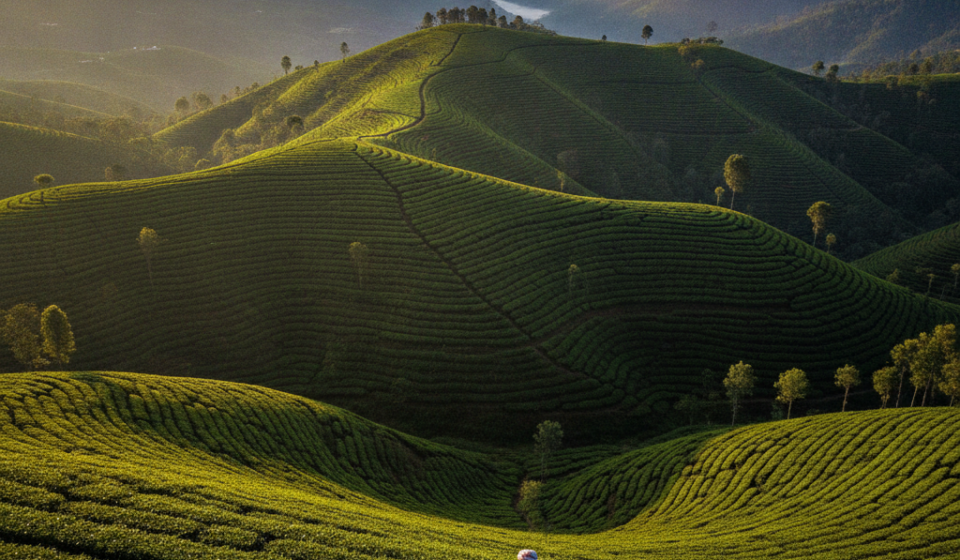

Munnar remains one of the most significant hill stations in India, attracting travellers who seek the cool climate and sprawling vistas of Western Ghats tea plantations. A well-structured Munnar itinerary is essential to manage the geography effectively, as travel times between viewpoints can be longer than expected due to winding hill roads. This guide provides a strategic approach to visiting the region, ensuring three days are used efficiently to cover primary attractions, cultural experiences, and natural landmarks without feeling rushed.
Key Takeaways for Your Munnar Itinerary:
- Optimal Duration: A 3-day trip is the perfect window to experience Munnar’s landscape, heritage, and wildlife without feeling rushed.
- Transport Priority: Pre-book a dedicated car and driver, as winding mountain roads make self-driving challenging and public transit slow.
- Advance Booking: Secure your Eravikulam National Park passes online in advance to bypass massive queues.
- Climate Check: Pack light woollens year-round, as temperatures drop rapidly at higher altitudes after sunset.
- Connectivity Tip: Download offline maps before starting your daily excursions due to spotty network coverage in deeper plantation areas.
Why Three Days in Munnar is Optimal
Planning a trip requires balancing sightseeing with the reality of mountain transit. While many visitors attempt to see everything in a single day, a three-day duration allows for a slower pace that matches the environment. Short stays often lead to fatigue, whereas a three-day schedule provides time to visit the Eravikulam National Park, explore the tea museums, and enjoy quiet moments at the various viewpoints without the pressure of a tight clock.
- Reduced travel fatigue on narrow roads.
- Better opportunities to observe wildlife in protected zones.
- Time to explore local tea culture in depth.
- Flexibility to adjust for local weather changes.
The following table outlines the focus for each day of the journey to ensure a balanced experience.
| Day | Primary Focus | Expected Pace |
|---|---|---|
| Day 1 | Arrival and Local Tea Heritage | Moderate |
| Day 2 | Wildlife and High-Altitude Vistas | Active |
| Day 3 | Waterfalls and Return Preparation | Relaxed |
Day 1: Understanding the Tea Heritage
The first day should center on the history of the region. Munnar is synonymous with tea production, and understanding this industry sets the tone for the entire visit. Start at the Tea Museum, which showcases the transition from primitive tea rollers to modern processing machines. It is a necessary stop for those interested in the industrial history of the hills.
After the museum, spend the afternoon walking through the Nallathanni Estate. The scale of the plantations is difficult to comprehend from a distance. Walking the paths allows for a genuine appreciation of the landscape. Ensure that you have a guide if you plan to stray from main paths, as the terrain can be deceptive.
The tea plantations are not just scenery; they are the result of over a century of careful agricultural management by local communities.
Day 2: Wildlife and High-Altitude Vistas
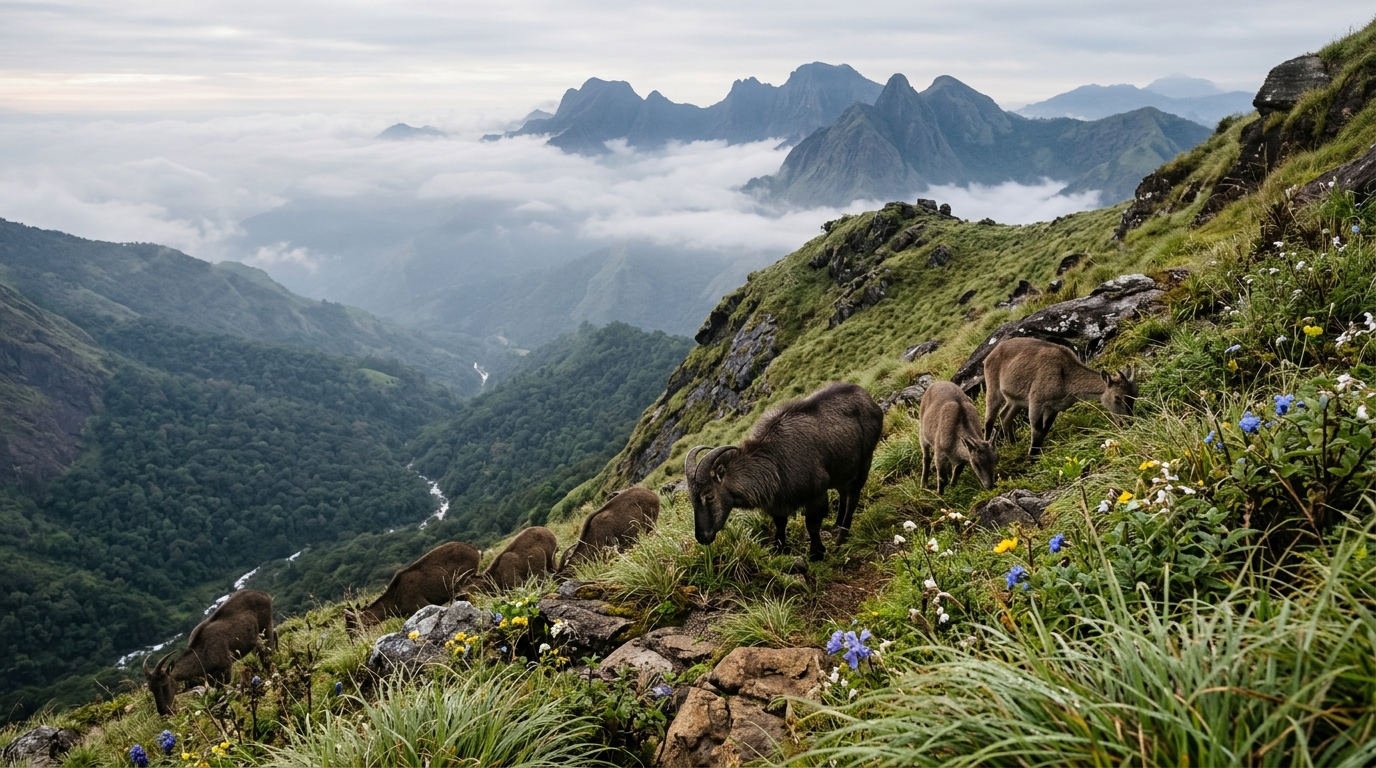
Start early on the second day. The Eravikulam National Park is the main attraction, and the entry process can become crowded by mid-morning. This park is the natural habitat of the Nilgiri Tahr, an endangered mountain goat. Arriving early increases the likelihood of observing these animals undisturbed by heavy tourism traffic.Following the park, head toward Top Station. This location offers panoramic views that extend into the neighbouring state of Tamil Nadu. The road to Top Station is scenic but requires caution. If you are hiring a local driver, ensure they are experienced with these specific mountain routes. This section of the Munnar itinerary is physically demanding, so pack appropriately for cooler temperatures at higher altitudes.
To ensure a smooth experience during your high-altitude explorations on Day 2, keep these critical tips in mind:
- Eravikulam National Park: Arrive early in the morning to secure entry and spot the endangered Nilgiri Tahr undisturbed by heavy tourist crowds.
- Top Station Journey: Hire an experienced local driver to navigate the narrow, winding mountain routes safely.
- Weather Preparation: Pack layered clothing as temperatures drop significantly at higher altitudes.
Day 3: Exploring Waterfalls and Nature
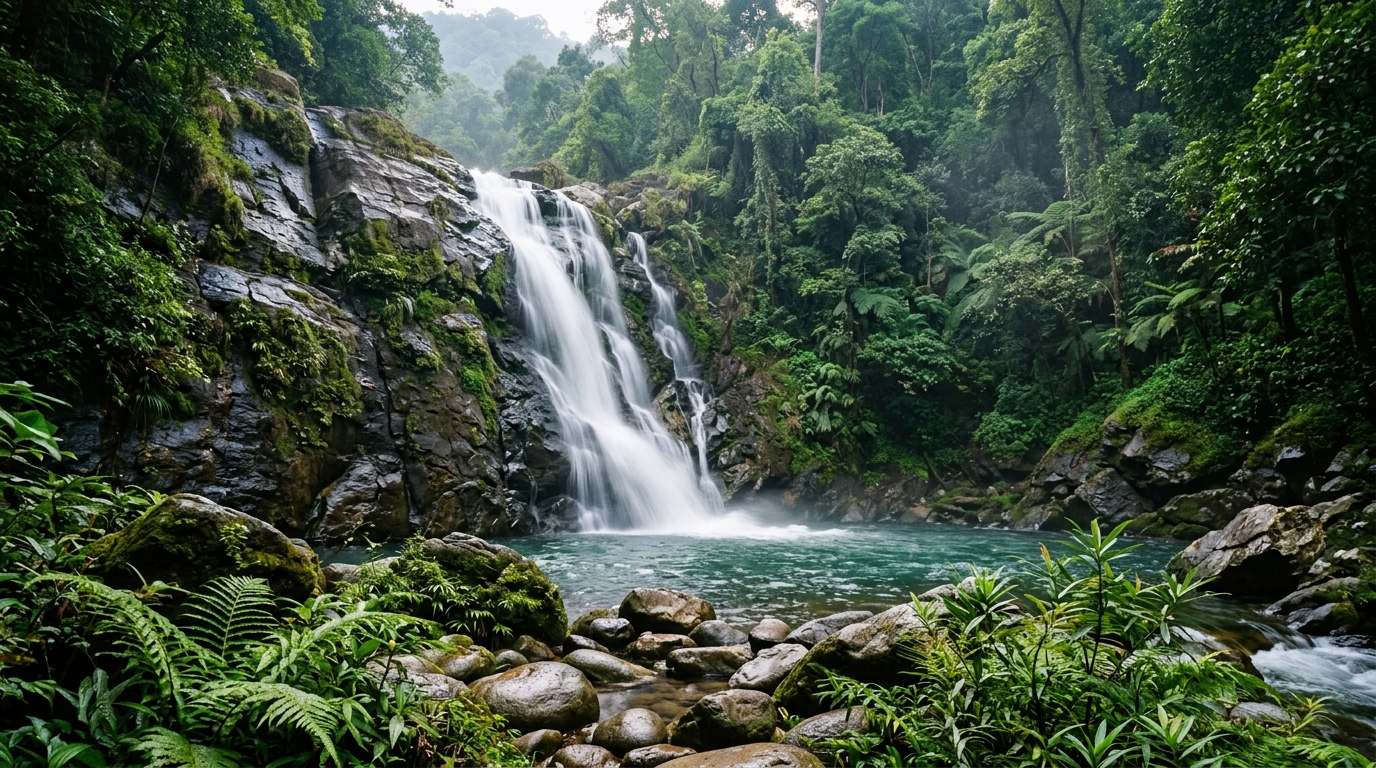
The final day should be kept flexible to accommodate any missed sights or simply to enjoy the environment. Visit the Attukad or Lakkam Waterfalls. These sites are easily accessible and provide excellent photo opportunities. If you prefer activity, consider a light trek in the Kannan Devan Hills.
The final day should be kept flexible to accommodate any missed sights or simply to enjoy the environment. Choose from these natural attractions:
- Attukad Waterfalls: A dramatic multi-tiered cascade perfect for photography and scenic walks.
- Lakkam Waterfalls: An easily accessible, serene spot surrounded by dense forestation.
- Kannan Devan Hills: Ideal for active travelers looking to embark on a light, guided trek.
Before departing, ensure all local crafts or tea supplies are purchased from verified local vendors. Support for local businesses helps maintain the community surrounding the plantations. Reflecting on the trip, three days provide a complete snapshot of the area, though those seeking seclusion might consider extending their stay.
| Attraction | Best Time to Visit | Ideal Duration | Booking Recommendation |
|---|---|---|---|
| Eravikulam National Park | 7:30 AM – 10:00 AM | 2–3 Hours | Pre-book online (Mandatory to avoid lines) |
| Tata Tea Museum | 10:00 AM – 4:00 PM | 1.5 Hours | Tickets available at the counter |
| Top Station | 6:00 AM – 9:00 AM (for sunrise) | 1 Hour | On-the-spot entry |
Essential Travel Tips for Munnar
Preparation is the difference between a seamless journey and an inconvenient one. The altitude changes significantly, which can affect comfort levels. Carry light woollens, even during summer months, as temperatures drop rapidly after sunset. Always book park entries online in advance to avoid long wait times at ticket counters.
- Transportation: Pre-book a reliable car service. Public buses exist but are often crowded and infrequent for tourist spots.
- Connectivity: Mobile networks can be unreliable in deeper plantation areas. Download offline maps before starting your daily routes.
- Documentation: Keep physical copies of entry permits and identification cards accessible, as they are required at various checkpoints.
- Health: Pack basic motion sickness medication if you are sensitive to the winding, mountainous terrain.
For further assistance with your travel arrangements or to explore curated packages that follow this Munnar itinerary, please visit our services page. We can help handle the logistical details, including transport and guided tours, to make your planning process much easier.
Conclusion
A well-planned trip to this hill station relies on acknowledging the geography of the Western Ghats. By dedicating three days to the area, travellers can move past the superficial sightseeing and engage with the environment. Whether exploring the history of tea or viewing the landscape from the high-altitude points, this Munnar itinerary serves as a reliable framework. Proper planning, respect for the local ecosystem, and an early start each day remain the most effective tools for a successful experience.