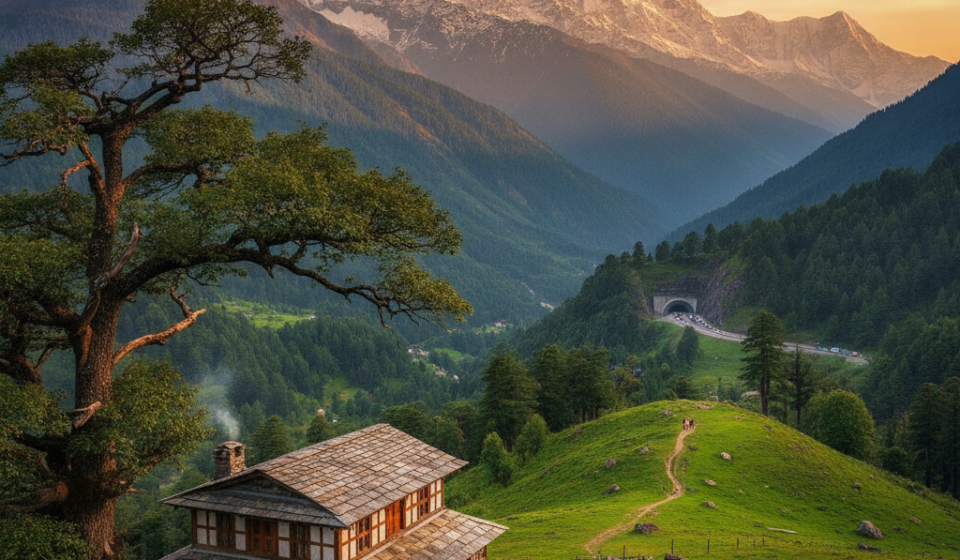

A well-structured Manali itinerary is essential for anyone seeking to balance adventure and tranquility in the Himalayas. Manali serves as the definitive gateway to the Kullu Valley, offering a mix of colonial charm, vibrant local culture, and high altitude thrills. While many visitors arrive without a clear plan, having a strategic approach ensures you see the best viewpoints and cultural sites without succumbing to the exhaustion that often plagues poorly paced mountain trips. This guide provides a comprehensive four-day framework to experience the region effectively.
Key Takeaways:
- Optimal Duration: A 4-day Manali itinerary offers the perfect balance of adventure, acclimatization, and sightseeing.
- Acclimatization First: Dedicate your first day to local sightseeing and light walking to adapt to the altitude.
- Permits are Vital: Ensure you arrange permits in advance for Rohtang Pass or opt for the Atal Tunnel as an alternative.
- Diverse Activities: Combine high-altitude drives with relaxed nature trails like Jogini Waterfall and Vashisht Hot Springs.
- Pack Smart: Layer your clothing and stay hydrated to combat unpredictable mountain weather and altitude sickness.
Why Four Days in Manali
Four days provides the ideal duration to acclimatize and explore. A shorter stay often leaves travelers rushing between major tourist traps, while longer periods can lead to stagnation if local transport logistics remain unmanaged. By dedicating four days, visitors can divide their time between historical exploration, nature walks, and necessary downtime.
Consider these primary factors when determining your pace:
- Acclimatization: Moving from lower altitudes to the high mountain passes requires time for the body to adjust.
- Transport Logistics: Roads in the region can be unpredictable due to weather or traffic density.
- Activity Balance: Mixing intense trekking with relaxed temple visits prevents fatigue.
| Transport Mode | Route Option | Travel Time | Key Advantage |
|---|---|---|---|
| Private Car / Cab | Chandigarh / Delhi to Manali | 8 – 14 Hours | Maximum flexibility for photography and food stops |
| Overnight Volvo Bus | Delhi to Manali (ISBT Kashmiri Gate) | 12 – 14 Hours | Comfortable sleeper options, cost-effective for solo travelers |
| Commercial Flight | Delhi to Bhuntar Airport (KUU) | 1.5 Hours | Fastest route, minimizes mountain driving fatigue |
Day 1: Arrival and Local Exploration
The first day is primarily for settling into the local environment. Plan your day with this structured progression to ensure proper acclimatization:
- Settle and Rest: Most travelers arrive via bus or private car from Chandigarh or Delhi. Once checked into your accommodation in Old Manali or the Mall Road area, prioritize light movement to adjust to the elevation.
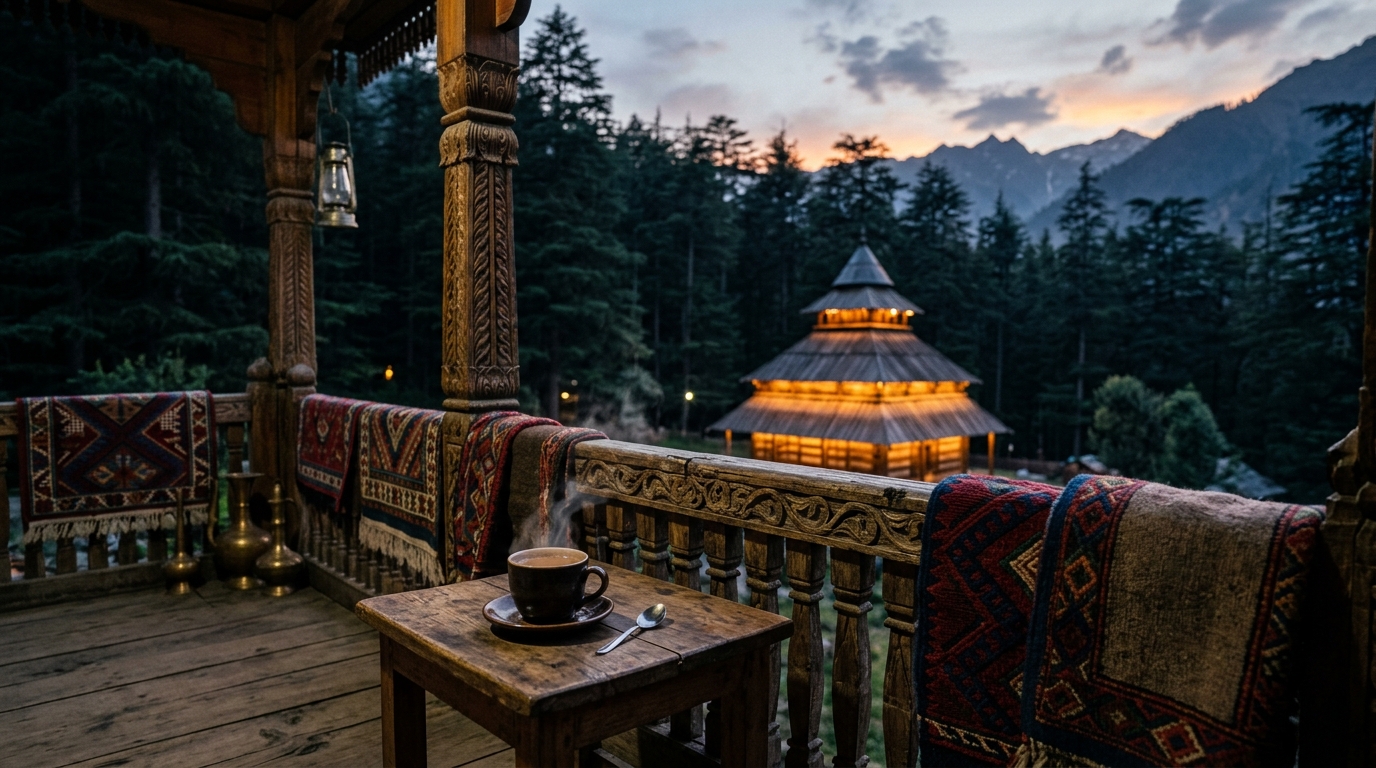
- Visit Hadimba Devi Temple: Begin by visiting the Hadimba Devi Temple. This ancient wooden structure, set within a dense cedar forest, offers a quiet introduction to the regional architectural style.
- Walk Forest Trails: After the temple, take a walk through the surrounding forest trails. These paths are less crowded and provide excellent views of the valley.
- Market Reconnaissance: Conclude your day with a walk through the local markets to understand the layout and locate reliable dining options. This initial reconnaissance is crucial for the remainder of your Manali itinerary.
Day 2: High Altitude Adventure and Views
Day two demands an early start. The focus today is on reaching higher elevations, specifically targeting the Rohtang Pass or the Atal Tunnel area. These locations provide the classic Himalayan experience that most visitors seek. If the Rohtang Pass is restricted or closed due to heavy snow, the drive through the Atal Tunnel toward Sissu offers a stark, beautiful contrast of landscapes.
| Location | Primary Attraction |
|---|---|
| Rohtang Pass | High altitude snow and panoramic peaks |
| Atal Tunnel | Engineering marvel connecting to Lahaul |
| Sissu | Dramatic waterfalls and open valley views |
Ensure you check permit requirements before departure. The local authorities frequently update access rules based on weather conditions. Being prepared with the correct documentation saves significant time at check posts.
Day 3: Nature Trails and Riverside Relaxation
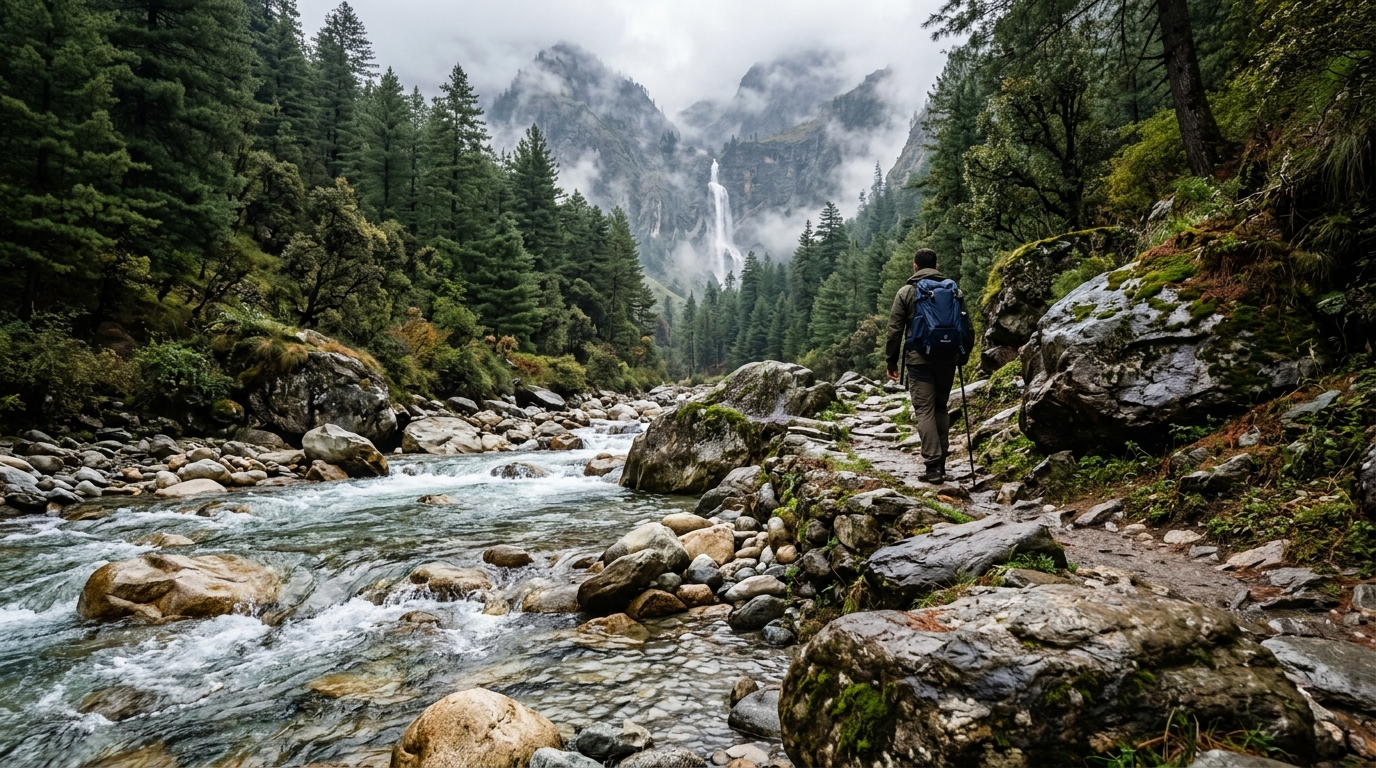
After the intensity of the mountain passes, the third day should focus on the natural beauty of the Beas River. Walking along the riverbank provides a refreshing change of pace. Consider hiking toward the Jogini Waterfall. The trail starts near Vashisht village and takes roughly two hours to complete. The climb is moderate but offers consistent views of the valley floor.
Vashisht village is famous for its natural hot water springs. Spending time in these traditional baths after a long hike is highly recommended for recovery.
In the afternoon, spend time exploring the small cafes that line the river. Many of these spots provide quiet workspaces or areas to read, which are perfect for a slower afternoon. It is also an excellent opportunity to sample local Himachali cuisine, such as Siddu (a steamed bread delicacy), which is rarely found in standard hotel breakfast menus.
Day 4: Culture and Departure
The final day allows for a deeper dive into the local culture before your departure. Visit the Museum of Himachal Culture and Folk Art to view historical artifacts and architectural models. This site is frequently overlooked by casual tourists but provides context for the heritage of the region.
Before leaving, reserve time for souvenir shopping. Look for authentic products such as:
- Hand-woven Kullu shawls
- Local honey and organic forest produce
- Tibetan handicraft items from the local markets
By keeping this final day flexible, you can ensure your transition out of the mountains is stress-free. Always confirm your transport booking status a day in advance, as last-minute delays are common during peak travel seasons.
Travel Tips for a Seamless Trip
To ensure your trip remains consistent with the outlined goals, keep these professional recommendations in mind:
- Document Preparedness: Always carry physical copies of identification and travel documents, as digital connectivity can be unreliable in remote stretches.
- Smart Layering: Pack in layers. Even during the summer months, temperatures at high passes can drop rapidly. Proper layering is the difference between a comfortable day and a miserable one.
- Altitude Adaptation: Regarding health, stay hydrated throughout the trip to combat altitude-related discomfort. Avoid over-exertion on the first two days to give your lungs time to adapt to the thin air.
- Weather Awareness: If you are travelling during the monsoon, prioritize waterproof gear and stay informed about road conditions, as landslides can disrupt travel schedules unexpectedly.
For more personalized travel planning and local logistics support, visit TravelDham to view our current holiday packages and expert guidance.
FAQs
What is the best time of year to visit Manali?
March to June is ideal for pleasant weather and trekking, while December to February is best for snow activities.
Do I need a permit for the mountain passes?
Yes, permits are often mandatory for Rohtang Pass. Check with your hotel or a local travel agency the day before you plan to travel.
Is it safe to drive my own vehicle?
Driving is possible but can be challenging due to narrow roads and unpredictable mountain weather. Hire a local driver if you are not accustomed to steep, winding mountain terrain.
Conclusion
Planning a Manali itinerary requires balancing the desire for adventure with the reality of mountain travel. By splitting your four days between high-altitude exploration and local cultural immersion, you can capture the essence of the Kullu Valley without the stress of constant motion. Whether you are seeking the thrill of the passes or the quiet of a forest temple, this structure serves as a solid foundation for your Himalayan journey. Prepare well, respect the local environment, and enjoy the unique perspective that only high-altitude travel provides.