
The Ultimate Katarmal Sun Temple Travel Guide: How to Visit Uttarakhand’s Ancient 9th-Century Sun Temple

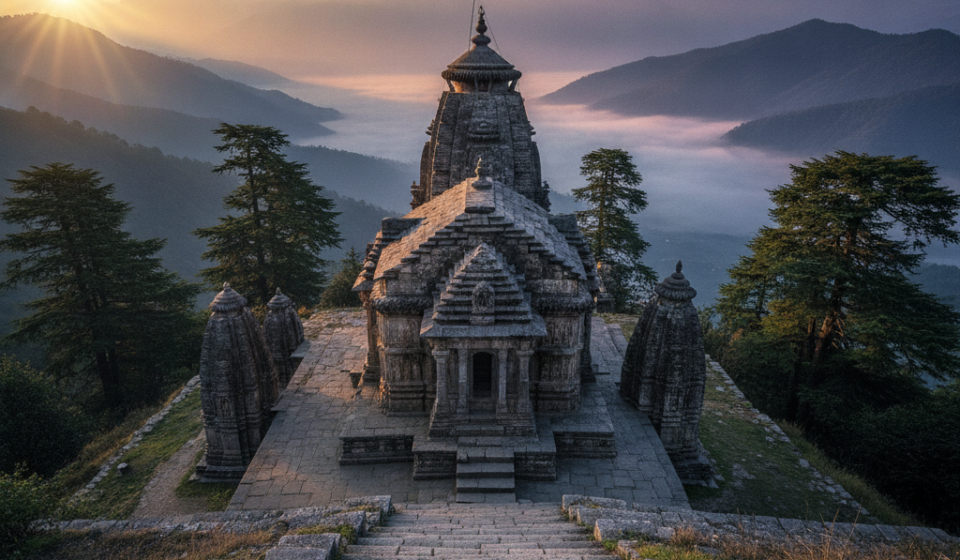
Standing atop a ridge overlooking the Kosi Valley, the Katarmal Sun Temple represents one of the most significant archaeological sites in Uttarakhand. Built in the 9th century by the Katyuri dynasty, this complex serves as a rare example of ancient architecture dedicated to the Sun God, Surya. Utilising a solid Katarmal Sun Temple travel guide is essential for any visitor aiming to appreciate the historical depth and structural ingenuity of this monument while managing the logistics of a remote mountain excursion.
Key Takeaways
- Historical Gem: Built in the 9th century by the Katyuri dynasty, it is one of the very few ancient temples dedicated to the Sun God (Surya) in India.
- Unique Architecture: Features a main shrine surrounded by 44 smaller temples, historically aligned to catch the first rays of the equinox sun.
- Challenging Access: Located 12-15 km from Almora, requiring a moderate 1.5 to 2 km uphill trek on stone steps from the base.
- Best Season: Spring (March to June) and Autumn (October to November) offer the clearest views and comfortable trekking conditions.
- Preparation: Carry your own water and snacks, wear comfortable walking shoes, and plan for a day trip as there are no overnight stays at the site.
| Feature | Details |
|---|---|
| Location | Almora district, Uttarakhand, India |
| Elevation | Approximately 2,116 meters (6,942 feet) |
| Presiding Deity | Vriddha Aditya (Sun God Surya) |
| Architectural Style | Nagara style (Katyuri architecture) |
| Key Structures | 1 main temple surrounded by 44 smaller shrines |

Historical Significance of the Katarmal Sun Temple
The temple dates back to the reign of the Katyuri kings, a period noted for its influence on North Indian temple architecture. Unlike many other shrines in the region that focus on Shiva or Vishnu, this site remains dedicated to Surya. Historians suggest that the structure was built to align with the sun’s path, allowing the first rays of light to strike the inner sanctum during equinoxes. This design reflects the advanced astronomical knowledge held by the architects of the 9th century.
The architectural layout and artistic grandeur of the complex highlight the ingenuity of its 9th-century builders through several key features:
- Sub-Shrines: The main shrine is surrounded by 44 smaller temples, creating an expansive complex that once served as a primary regional pilgrimage destination.
- Artistic Carvings: Intricate carvings on the stone walls and wooden panels depict various Hindu deities and highly detailed mythological scenes.
- Museum Relics: To ensure long-term preservation, some of the original, exquisitely carved wooden doors and panels were relocated to the National Museum in New Delhi.
- Original Foundations: Despite the relocation of some wood carvings, the massive stone foundations and the imposing main spire still stand majestically in their original locations.
Best Time to Visit
Timing your visit correctly is a critical aspect of any Katarmal Sun Temple travel guide. The temple is located at an altitude of roughly 2,100 metres, which means the weather remains pleasant for much of the year, though winters can bring extreme cold and occasional snowfall.
- Spring (March to June): This period offers the clearest skies and most moderate temperatures. It is the ideal time for photography and long walks around the complex.
- Monsoon (July to September): Heavy rains can make the mountain roads leading to the temple slippery and prone to blockage. Travel during these months is generally discouraged.
- Autumn and Winter (October to February): The air is crisp and cold. Visitors should prepare for freezing temperatures at night, but the views of the Himalayan peaks are often at their sharpest.
How to Reach the Temple
Accessing the site requires planning, as it is tucked away from the major urban centres. The closest major town is Almora, which serves as the primary base for most travellers. The distance from Almora to the temple is approximately 12 to 15 kilometres depending on the specific route taken.
| Mode of Transport | Details and Recommendations |
|---|---|
| Air Travel | Pantnagar Airport is the closest (roughly 125 km). From there, private taxis are necessary. |
| Rail Travel | Kathgodam Railway Station is the nearest railhead. It connects well to Delhi and Lucknow. |
| Road Travel | Regular buses operate to Almora, but a private taxi or local vehicle is required to reach the final ascent. |
Once you arrive at the base of the ridge, you will need to complete a short, scenic trek. Here is what to expect during the final leg of the journey:
- Distance: A hike of about 1.5 to 2 kilometres is required to reach the top.
- Path Conditions: The path is well-marked but consists entirely of steep, uneven stone steps.
- Footwear: Sturdy walking shoes or trekking boots with good grip are highly recommended.
- Scenery: The walk provides stunning panoramic views of the Kosi Valley, making it a highly rewarding experience for nature lovers.
Essential Travel Tips for Visitors
Preparation is key when visiting remote historical sites. Since the area lacks extensive commercial infrastructure, visitors should be self-sufficient.
The Katarmal Sun Temple is not just a monument; it is a testament to an ancient civilization that integrated celestial observation into their faith and architecture.
Consider these practical tips for a successful visit:
- Carry Essentials: There are very few shops near the temple. Bring enough drinking water and light snacks for your hike.
- Photography: The light at sunrise and sunset is spectacular. Bring a tripod if you intend to capture the stone carvings in detail.
- Dress Code: As this is an active site of cultural and historical importance, dress modestly out of respect for the local traditions.
- Waste Management: Help preserve the site by carrying all your trash back with you to the nearest town.
Nearby Attractions
Almora offers several other points of interest that complement a visit to the Sun Temple. If you are planning a multi-day trip, consider adding these locations to your itinerary.
- Jageshwar Dham: Located about 35 kilometres from Almora, this site houses a cluster of 124 ancient stone temples.
- Bright End Corner: A popular spot within Almora known for its sunrise and sunset views.
- Binsar Wildlife Sanctuary: A short drive away, providing dense forests and high-altitude trekking opportunities.
FAQs
Is there an entry fee for the Katarmal Sun Temple?
As of 2026, entry to the site is generally managed by the Archaeological Survey of India (ASI). There may be a nominal fee for domestic and international visitors, but always confirm with the local office upon arrival as policies can change.
Are there guided tours available at the site?
There are no official, permanent guide desks at the temple entrance. It is advisable to arrange a guide through a reputable travel agency in Almora if you require deep historical context.
Is the temple accessible for elderly travellers?
The hike involves a steep, uneven stone stairway that may prove difficult for individuals with mobility issues. Visitors should assess their physical fitness before attempting the ascent.
Can I stay overnight near the temple?
There are no hotels or guesthouses located at the temple site itself. You must stay in Almora or nearby hill stations and travel to the temple during the day.
What should I pack for a trip to the region?
Pack layers, as temperatures fluctuate significantly between day and night. A rain jacket is useful even outside the monsoon season, and comfortable walking shoes are mandatory for the hike.

Conclusion
Visiting the Katarmal Sun Temple offers a unique opportunity to connect with the ancient history of Uttarakhand. By following the advice in this Katarmal Sun Temple travel guide, you can handle the logistics of the trip with confidence. Whether you are a history enthusiast or a traveller seeking quiet mountain vistas, this 9th-century marvel rewards the effort required to reach its gates. Remember to respect the site, plan your timing to avoid the midday heat, and allow enough time to absorb the historical atmosphere of this remarkable location.