
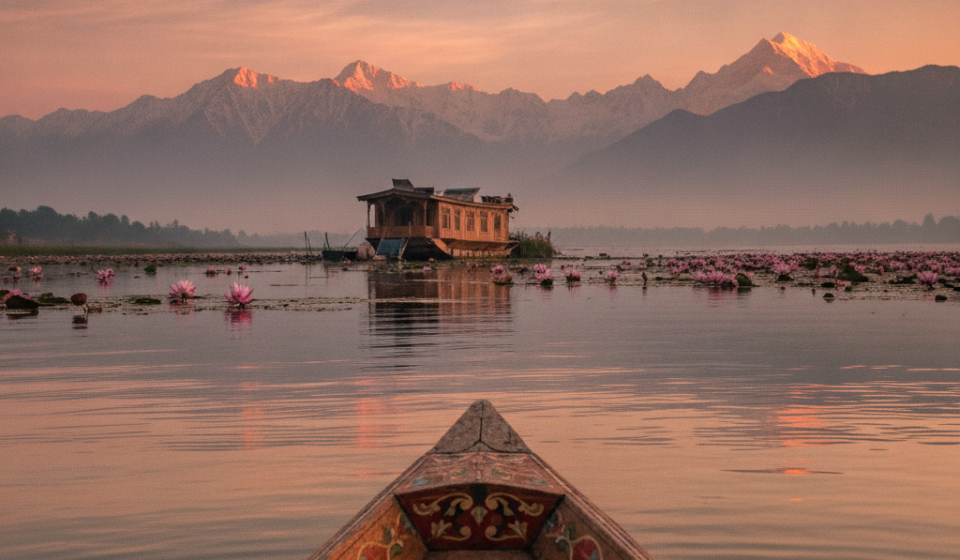

Planning a trip to the northernmost region of India requires careful preparation to ensure every moment counts. A well-structured kashmir itinerary balances iconic landscapes with authentic cultural experiences, allowing travellers to move beyond the typical tourist path. This guide provides a strategic framework for a 7-day journey, focusing on efficiency, comfort, and the logistical realities of exploring the valley.
Key Takeaways
- Optimal Duration: A 7-day itinerary is perfect for exploring Srinagar, Gulmarg, and Pahalgam without rush.
- Best Travel Window: Spring (blooms) and Autumn (golden foliage) offer highly photogenic landscapes and pleasant weather.
- Connectivity Check: Only post-paid mobile connections work reliably for tourists in Kashmir.
- Local Commute: Pre-booking taxis via trusted services like TravelDham is highly recommended over spot hiring.
- Payment Readiness: Carry adequate physical cash as digital payments can be inconsistent in remote valleys.
Understanding the Best Time to Visit
The climate defines the travel experience in this region. Each season offers distinct advantages, and choosing the right time depends on the specific goals of the visit. Planning during the shoulder seasons often provides the best balance of accessibility and weather.
- Spring (March to May): Famous for the blooming tulip gardens and pleasant, mild temperatures.
- Summer (June to August): The most popular period, offering perfect conditions for trekking and high-altitude exploration.
- Autumn (September to November): Characterised by crisp air and the golden hues of Chinar trees.
- Winter (December to February): Ideal for winter sports enthusiasts seeking heavy snowfall and skiing opportunities.
For those prioritising photography or scenic drives, the autumn months are frequently cited as the optimal window. The weather is stable, and the crowds are significantly thinner compared to the summer peak.
Essential Logistics and Permits
Successful travel here relies on managing logistical nuances effectively. Visitors must ensure all documentation is current. While Indian citizens generally face few restrictions, foreign nationals should verify current registration requirements for specific border areas.
| Service | Recommendation |
|---|---|
| Transport | Hire private taxis for flexibility between cities. |
| Connectivity | Use post-paid SIM cards as pre-paid options often lack coverage. |
| Currency | Carry sufficient cash, as digital payments are not universal in remote zones. |
| Booking | Secure houseboat and hotel reservations well in advance during peak season. |
Regarding transport, the local taxi syndicate system is standard. It is advisable to book vehicles through reputable agencies or through the TravelDham services portal to avoid last-minute price volatility and ensure vehicle reliability on steep mountain roads.
Day 1-2: Arrival and the Charm of Srinagar
Begin the journey in Srinagar, the heart of the valley. Spend the first two days acclimatising and absorbing the local atmosphere. Staying on a traditional houseboat on Dal Lake or Nigeen Lake remains a quintessential experience that provides immediate immersion in the local lifestyle.
Prioritise the following activities on your first full day to capture the true essence of Srinagar:
- Visit the Mughal Gardens: Nishat Bagh and Shalimar Bagh offer classic examples of Persian-style landscape architecture.
- Take a Sunset Shikara Ride: Drifting along Dal Lake while witnessing the sunset reflecting off the surrounding mountains is a primary reason visitors return year after year.
- Acclimatise: Spend your evening relaxing in a traditional wooden houseboat.

Day 3-4: The Meadow of Flowers and Beyond
Travel north to Gulmarg, located roughly 50 kilometres from Srinagar. This region is famous for its high-altitude meadows and world-class skiing facilities. The primary attraction is the Gulmarg Gondola, one of the highest cable cars in the world. It transports visitors to the slopes of Apharwat Peak, offering panoramic views of the surrounding ranges.
For the best views, take the gondola to the second phase. Be prepared for colder temperatures even in summer, as the altitude exceeds 4,000 metres.
Spend the fourth day exploring the nearby Khilanmarg. It is a moderate hike for most, though pony rides are available for those who prefer a less strenuous pace. Ensure to return to Srinagar by the evening to maintain momentum for the remainder of the week.
To assist with your route planning, here is a quick regional overview of the core destinations featured in this itinerary:
| Destination | Highlight Attraction | Ideal Stay | Altitude (Approx.) |
|---|---|---|---|
| Srinagar | Dal Lake & Mughal Gardens | 2-3 Days | 1,585 m |
| Gulmarg | Gulmarg Gondola & Apharwat Peak | 1-2 Days | 2,650 m |
| Pahalgam | Aru Valley & Lidder River | 2 Days | 2,200 m |
Day 5-6: Pahalgam and the Lidder Valley
Shift focus to Pahalgam, a scenic town nestled at the confluence of the Lidder River and the Sheshnag Lake. Unlike the alpine feel of Gulmarg, Pahalgam offers lush coniferous forests and rolling river banks. It serves as a base for various treks, including the famous Amarnath Yatra route.
To make the most of your time in Pahalgam, structure your days as follows:
- Day 5 (Betaab & Aru Valleys): Explore these iconic valleys by road, taking in some of the most striking, pine-fringed alpine scenery in the region.
- Day 6 (Lidder River & Temple Visit): Enjoy a quiet morning along the peaceful river banks, followed by a visit to the Mamleshwar Temple, an ancient stone structure highlighting the historical depth of the valley.

Day 7: Departure and Reflections
The final day should be kept flexible to accommodate travel times back to the airport. If time permits, visit the local markets in Srinagar to purchase authentic representations of local craftsmanship, such as:
- Pashmina Shawls: World-renowned, hand-woven luxury woolen shawls.
- Kashmiri Saffron: High-grade, pure saffron coveted globally for its intense aroma.
- Walnut Wood Carvings: Intricately carved home decor and utility items.
- Paper Mache Art: Vibrant, hand-painted boxes and decorative pieces.
When exiting, ensure to leave the hotel with a buffer of at least three hours before the scheduled flight. Security checks at the airport are thorough and can occasionally cause delays. Reflecting on the trip, the variety of experiences—from the serenity of the lakes to the rugged peaks—defines the value of a structured kashmir itinerary.
FAQs
What is the recommended duration for a first-time trip?
A 7-day period is ideal for covering the primary destinations of Srinagar, Gulmarg, and Pahalgam without feeling rushed.
Are there specific dress codes to follow?
Modest clothing is recommended when visiting religious sites. In general, layering is key due to the fluctuating temperatures between valleys and high-altitude peaks.
Is it safe to travel independently?
Many travellers explore the region independently. However, for a stress-free experience, using established local transport networks or consulting with travel experts at TravelDham is a prudent choice.
What are the must-try local dishes?
Do not miss the traditional Wazwan, a multi-course meal, and the local Kahwa tea, which is typically infused with saffron and almonds.
Conclusion
Execution of a successful trip relies on balancing structured sightseeing with moments of quiet observation. By adhering to a clear schedule while remaining open to the unpredictability of mountain travel, visitors can secure a meaningful experience. This 7-day framework serves as a reliable starting point for any enthusiast planning their own adventure in this remarkable destination.