The Ultimate Kannur Travel Guide: How to Explore Kerala’s Pristine Beaches, Historic Forts, and Mystic Theyyam Rituals

Kannur stands apart in a state known for crowded backwaters and bustling hill stations. Located in the northern reaches of Kerala, this coastal district remains largely untouched by mass tourism. A thorough Kannur travel guide reveals a region defined by its deep cultural roots, quiet shorelines, and centuries of maritime history. Understanding this destination requires moving beyond the usual tourist circuits, as the true allure lies in the subtle intersection of tradition and the Arabian Sea.
Key Takeaways:
- Pristine Coastlines: Kannur offers crowd-free, golden-sand beaches including Asia’s longest drive-in beach, Muzhappilangad.
- Vibrant Traditions: Witness the awe-inspiring, ancient ritual of Theyyam performed at local sacred shrines.
- Rich Heritage: Explore historical landmarks reflecting Portuguese, Dutch, and British colonial influences.
- Unique Cuisine: Indulge in authentic Malabari cuisine, renowned for its aromatic spices and fresh seafood.
Why Kannur Deserves a Place on Your Kerala Itinerary
Most travelers focus their time in Kerala on the southern districts. This leaves the northern coast with a sense of quiet authenticity that is increasingly rare. Kannur provides a rare look into a slower pace of life where the local economy still relies heavily on weaving, beedi making, and traditional fishing methods. The appeal is not found in luxury resorts but in the direct interaction with a heritage that remains vibrant today.
- Proximity to unexplored, pristine beaches.
- Unrivalled access to authentic Theyyam performances.
- Rich colonial history spanning Portuguese, Dutch, and British influences.
- Authentic Malabari cuisine that highlights local spices and fresh seafood.
Planning Your Trip: Logistics and Best Time to Visit
Timing your visit dictates the quality of your experience. The climate follows a typical tropical pattern, which makes certain months far more suitable for outdoor exploration than others. Planning effectively ensures that coastal walks and cultural immersion remain the primary focus.
| Season | Period | Conditions |
|---|---|---|
| Best | October to March | Cool, pleasant weather; ideal for sightseeing. |
| Shoulder | April to May | Hot and humid; higher temperatures. |
| Monsoon | June to September | Heavy rainfall; lush landscape but limited beach access. |
Reaching Kannur is highly convenient through multiple modes of transit:
- By Air: Kannur International Airport (CNN) connects the region directly to major domestic and international hubs.
- By Rail: The centrally located Kannur Railway Station provides excellent connectivity to the rest of Kerala and neighboring Karnataka.
- By Road: Well-maintained state and national highways link Kannur to major South Indian cities like Bengaluru, Mangaluru, and Kochi.

Top Must-Visit Beaches in Kannur
The coastline here is the primary draw for many visitors. Unlike other famous beach towns, these shores offer expansive stretches of golden sand that are rarely crowded. Each beach provides a distinct atmosphere, ranging from rugged cliffs to calm, shallow waters.
The major beaches in the region each offer a distinct layout and coastal vibe:
| Beach Name | Key Feature | Best For |
|---|---|---|
| Payyambalam Beach | Long, flat golden sand expanse and gentle waves | Relaxing walks, family picnics, and sunset views |
| Muzhappilangad Drive-in Beach | Asia’s longest drive-in beach (4 km stretch) | Driving vehicles directly on the sand and adventure |
| Thottada Beach | Quiet, rustic environment with adjacent backwater stream | Seclusion, sunbathing, and peaceful homestays |
Understanding the Mystic Theyyam Rituals
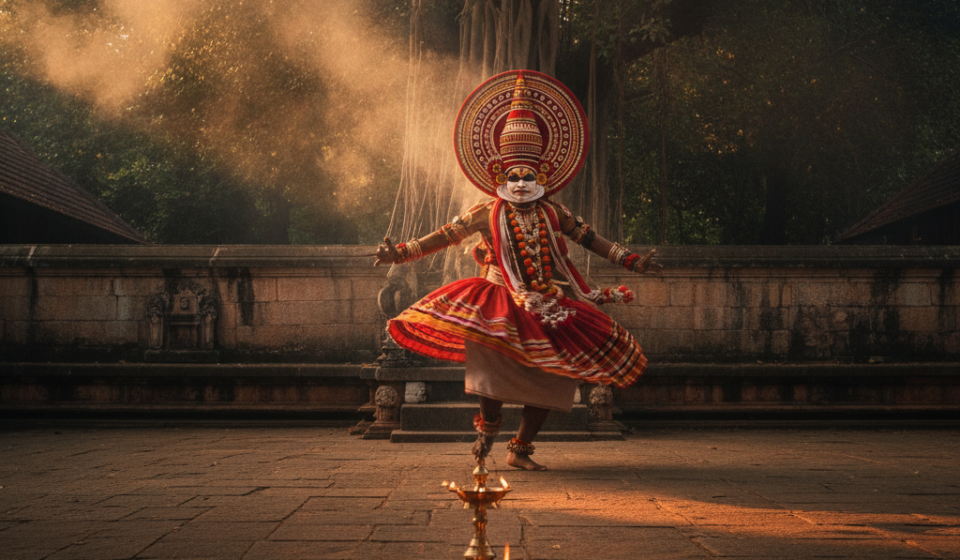
Theyyam is more than a performance; it is a profound spiritual practice that defines the region. Practitioners believe that during the ritual, the dancer (the Theyyam) becomes a vessel for a deity or spirit. This transformation is intense, featuring elaborate face paint, massive headgear, and rhythmic movements performed to the beat of drums.
Theyyam season typically runs from October to May, with rituals performed at small village shrines known as Kavu. Respect for these sacred spaces is essential for observers.
Participating in a Theyyam event requires patience and local insight. Keep these essential tips in mind:
- Timing: Most rituals occur throughout the night or early morning hours and can last for several hours.
- Local Guidance: Engaging a local guide is strongly recommended to identify genuine, non-commercialized village performances.
- Respect: Always maintain silence, avoid blocking the performer’s path, and ask for permission before taking photographs.
Historical Landmarks and Architectural Heritage
Kannur served as a crucial port and military stronghold for various colonial powers. The landscape is punctuated by fortifications that offer panoramic views of the sea and evidence of past tactical dominance. Saint Angelo Fort, built by the Portuguese in 1505, remains the most significant historical site. Its massive walls and moat provide a tangible connection to the spice trade era.
The historical landscape of Kannur is highlighted by several key monuments:
- Saint Angelo Fort: Built by the Portuguese in 1505, this massive triangular stone fort offers panoramic sea views and remains a symbol of colonial military strategy.
- Arakkal Museum: Housed in the palace of Kerala’s only Muslim royal family, it showcases valuable artifacts, maritime maps, and royal heirlooms.
- Overbury’s Folly: A scenic, cliff-side watchtower park offering stunning sunset views of the Arabian Sea.
Local Cuisine: A Taste of Malabar
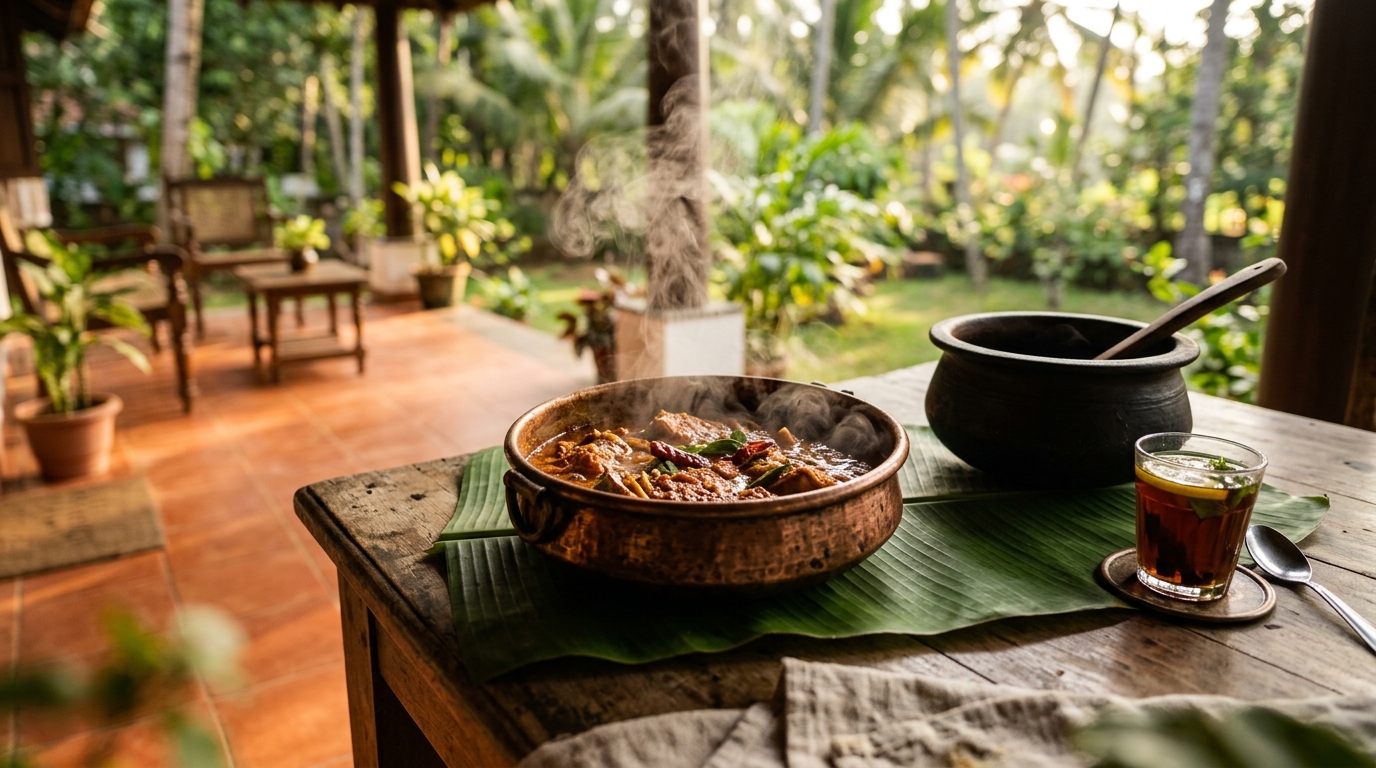
Malabari cuisine is legendary for its balance of heat and flavor. A proper Kannur travel guide would be incomplete without mentioning the local delicacies that define the regional palate. Fresh seafood, often prepared in clay pots with coconut-based gravies, serves as the cornerstone of the local diet.
- Pathiri: A thin, rice-based pancake often served with spicy meat or vegetable curries.
- Kallummakkaya: Mussels prepared in a shell with aromatic spices and coconut.
- Malabar Biryani: A distinct variation of the dish, often lighter than its northern counterparts and featuring local short-grain rice.
- Sulaimani: A spiced black tea, frequently consumed after meals to aid digestion.
Travel Tips for a Seamless Experience
Respecting local norms ensures a better reception during your stay. Kerala is a conservative state, and dressing modestly, especially when visiting temples or rural shrines, is expected. The local population is generally helpful, though learning a few basic phrases in Malayalam can significantly improve interactions.
Connectivity in the city is reliable, but rural areas may have limited access to data. Carrying a small amount of cash is advisable, as smaller vendors or rural transport services often do not accept digital payments. If you require assistance or itinerary planning, our Travel Services offer tailored options to help navigate the region effectively.
Conclusion
Kannur offers a departure from the conventional Kerala holiday. It rewards those who prefer depth over breadth and silence over spectacle. Whether you are observing a midnight Theyyam ritual, walking the ramparts of a 500-year-old fort, or simply watching the tide come in at a quiet beach, this region remains a powerful example of Kerala’s enduring cultural identity. Planning with intent ensures a meaningful encounter with one of India’s most fascinating coastal destinations.