
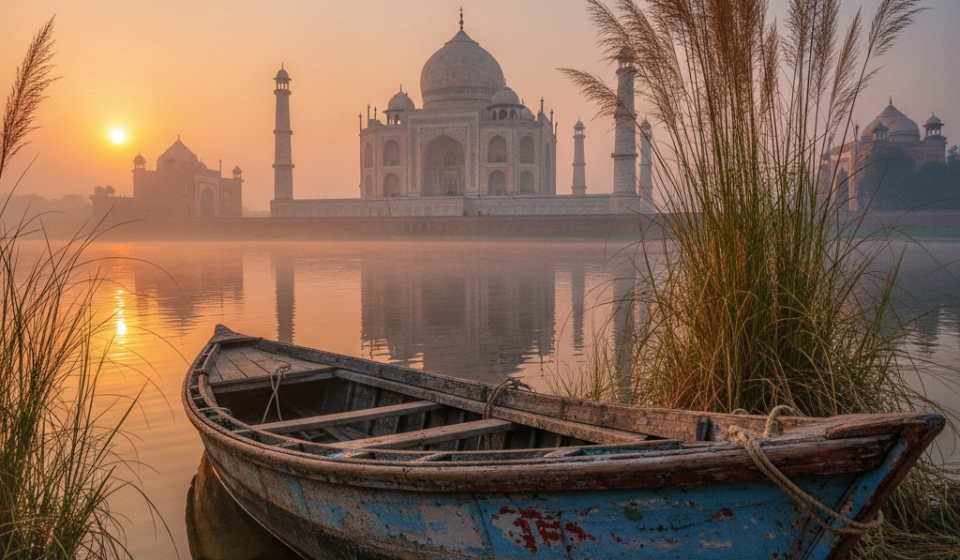

Ancient stone structures and intricate carvings tell stories of centuries past. Traveling through India feels like walking through a living museum where modern life flows around ancient monuments. Planning incredible heritage india tours offers an opportunity to witness these stories first-hand. It is basically an immersive journey through time. Visitors can see how art, religion, and politics shaped one of the oldest civilisations in the world (roughly speaking, India has over forty UNESCO World Heritage sites). These structures represent diverse architectural styles from different dynasties and empires.
Key Takeaways:
- Diverse Architectural Styles: Experience an incredible mix of Rajput, Mughal, Dravidian, and rock-cut wonders across India’s 40+ UNESCO sites.
- Accessible Golden Triangle: Ideal for first-time visitors, combining the historical capitals of Delhi, Agra, and Jaipur.
- Deep Spiritual Connections: Encounter thousands of years of continuous traditions in sacred riverfront cities like Varanasi and Ayodhya.
- Ancient Engineering Feats: Stand before massive monolithic rock creations like Ellora’s Kailash Temple and Hampi’s musical pillars.
- Optimal Planning Windows: Schedule your journey during the cool winter months (October to March) for the most comfortable sightseeing experience.
Each region of the country presents a unique chapter of this story. From the marble monuments of the north to the stone temples of the south, the sheer variety can feel overwhelming. Many travelers struggle to choose which sites to include in their itineraries. This guide provides a detailed analysis of the most significant historical circuits to make your planning straightforward. Understanding the historical context of these sites will help you appreciate the depth of incredible heritage india tours. Let us look at the primary historical circuits that define the cultural wealth of the subcontinent.
The historical depth of these circuits is why people choose to book incredible heritage india tours. Each monument tells a story of artistic achievement and political ambition. Whether you are walking through grand fortresses or standing before ancient rock-cut caves, you are experiencing the living history of a complex nation. These monuments serve as a physical record of the diverse cultures that have shaped the region over millennia.
The Grandeur of North India: Golden Triangle and Beyond
The northern plains of India contain some of the most famous historical monuments in the world. This region serves as an excellent starting point when designing incredible heritage india tours. The Golden Triangle circuit, which links Delhi, Agra, and Jaipur, represents a diverse mix of Hindu, Rajput, and Mughal styles. This accessibility makes it a popular choice for first-time visitors who want a comprehensive introduction to Indian history.
| City Name | Primary Historical Era | Architectural Style | Key Structural Materials |
|---|---|---|---|
| Delhi | Sultanate & Mughal Eras | Indo-Islamic and British Colonial | Red Sandstone and Granite |
| Agra | Peak Mughal Empire | Pure Mughal (Persian and Indian blend) | White Makrana Marble and Red Sandstone |
| Jaipur | Late Rajput Era | Traditional Rajput (Vastu Shastra influenced) | Pink and Yellow Sandstone |
Agra: The Epitome of Mughal Architecture
Agra remains an essential stop for all incredible heritage india tours. The city is famous for the Taj Mahal, a white marble mausoleum built by Emperor Shah Jahan in the seventeenth century. This structure represents the peak of Mughal architecture, combining Islamic, Persian, and Indian design elements. Visitors often marvel at the delicate marble inlay work, known as pietra dura, which features semi-precious stones. The symmetry of the entire complex reflects the Mughal obsession with balance and order.
Beyond the Taj Mahal, the massive Agra Fort offers a deeper look into the defensive and residential architecture of the Mughal Empire. Constructed primarily of red sandstone, this fort houses several major architectural wonders:
- Jahangiri Mahal: The grand primary palace for royal women, showcasing intricate stone carvings.
- Khas Mahal & Anguri Bagh: A beautiful white marble palace overlooking a classical geometric garden.
- Diwan-i-Khas & Diwan-i-Aam: Grand halls used by the emperor for private and public audiences.
- Moti Masjid: The Pearl Mosque, renowned for its pristine white marble structure and peaceful atmosphere.
These monuments included in incredible heritage india tours show how rulers combined security with artistic beauty. Travelers can book dedicated Agra tour packages to fully explore these sites with experienced local guides.
Jaipur: The Pink City’s Royal Legacy
Jaipur stands as a cornerstone of premium incredible heritage india tours. Founded in 1727 by Maharaja Sawai Jai Singh II, Jaipur is one of the earliest planned cities in modern India. The city’s grid system and uniform pink-painted buildings reflect ancient architectural principles mixed with scientific planning. The iconic Hawa Mahal, or Palace of Winds, features hundreds of small windows designed to allow royal women to observe street festivals without being seen.
A short drive from the city center leads to the majestic Amer Fort, which sits on a hill overlooking Maota Lake. This fort features large courtyards, decorative gates, and the famous Sheesh Mahal (Mirror Palace), where walls are covered in intricate mirror mosaics. When crafting unforgettable incredible heritage india tours, incorporating Jaipur tour packages ensures a detailed view of Rajput military power and artistic style. Within the fort, visitors should explore the key structural areas:
- Diwan-i-Aam: The public audience hall featuring double rows of sandstone columns.
- Sheesh Mahal: The mirror palace that can be illuminated by a single candle.
- Sukh Niwas: The cool apartment featuring an ancient air conditioning system driven by water cascade.
Delhi: A Living Chronological Layer of Empires
Delhi serves as an enriching addition to incredible heritage india tours. The city has been the seat of power for multiple empires over a thousand years. It is split into Old Delhi and New Delhi, each showing a different historical era. In Old Delhi, the Red Fort and Jama Masjid demonstrate the grandeur of the Mughal period. The narrow streets of Chandni Chowk show the commercial history of the city, which has been active since the seventeenth century.
In contrast, New Delhi features early twentieth-century British imperial architecture, including Rashtrapati Bhavan and India Gate. The city also hosts ancient Islamic monuments such as the Qutub Minar, a seventy-three-meter-tall brick minaret. Humayun’s Tomb is another key site, serving as a design precursor to the Taj Mahal. This mixture of historical eras makes Delhi a vital starting point for incredible heritage india tours. Over the centuries, several distinct historical cities have occupied this geographic zone:
- Lal Kot: The earliest recorded fortified city, established by the Tomar Rajputs.
- Tughlaqabad: The massive, ruined stone fort built by Ghiyas-ud-din Tughlaq in the fourteenth century.
- Shahjahanabad: The walled city built by Shah Jahan, now known as Old Delhi.
- New Delhi: The modern capital planned by British architects Edwin Lutyens and Herbert Baker.
The Regal Splendour of Rajasthan
Moving west into Rajasthan reveals a land of vast deserts and grand fortifications. This region is home to some of the most highly sought-after incredible heritage india tours. The Rajput clans who ruled these lands built incredible forts and palaces that still stand today, showing their military focus and artistic interests. Each city in Rajasthan is associated with a specific colour, reflecting its unique historical identity.
Udaipur: Romance and Palace Architecture on Water
Udaipur acts as a romantic centerpiece of incredible heritage india tours. Known as the City of Lakes, Udaipur is famous for its white marble palaces that appear to float on the calm waters of Lake Pichola. The City Palace complex, built over four centuries, is the largest palace complex in Rajasthan. It features a blend of Rajasthani and Mughal architectural styles, with beautiful courtyards, balconies, and glasswork.
The Lake Palace, now a luxury hotel, offers a stunning view of Rajput design. Visitors can take boat rides on Lake Pichola to appreciate the palace facades from the water. Planning your trip with specialized Udaipur travel options helps you discover the quiet heritage of this lakeside city. Including Udaipur in incredible heritage india tours offers a calm contrast to the desert environments of Rajasthan.
Jodhpur: The Blue City and the Mighty Mehrangarh
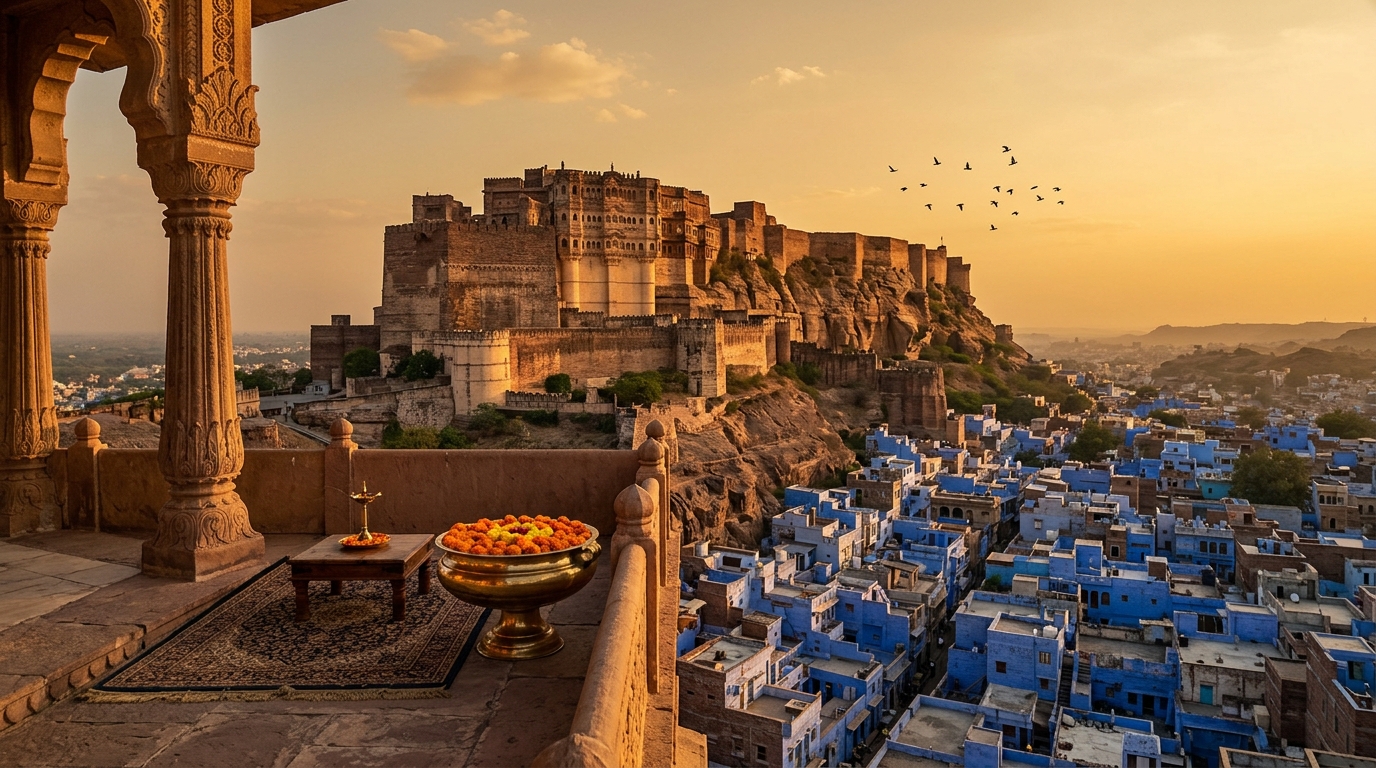
Jodhpur adds a rugged element to incredible heritage india tours. The city is dominated by the Mehrangarh Fort, a massive structure built on a cliff one hundred and twenty-five meters above the plains. The fort’s thick stone walls contain beautiful palaces, royal courts, and a museum holding historical artifacts. From the fort ramparts, visitors can see why Jodhpur is called the Blue City, as thousands of blue-painted houses stretch across the plain.
The Jaswant Thada, a peaceful white marble cenotaph built near the fort in 1899, provides a quiet spot for reflection. Travelers can choose curated Jodhpur heritage trips to explore these structures. Experiencing these sites during incredible heritage india tours reveals the defensive planning and royal customs of the Rathore clan. The narrow streets of the old city also feature traditional markets selling spices and textiles.
Jaisalmer: Golden Fortresses in the Thar Desert
Jaisalmer is an essential highlight for incredible heritage india tours. The city features a unique sand-colored fort that rises from the Thar Desert. Built in 1156 by Rawal Jaisal, the Jaisalmer Fort is a living fort, with roughly a quarter of the city’s population residing inside. The fort is constructed from yellow sandstone, giving it a golden appearance in the sunlight.
The city is also famous for its ornate havelis, or merchant mansions, which feature incredibly detailed stone carvings. Patwon ki Haveli is the largest and most complex of these houses, showing the wealth of medieval traders who operated along the Silk Road trading routes. Booking Jaisalmer travel packages allows travelers to explore these desert structures. These ancient desert trading hubs are excellent inclusions in comprehensive incredible heritage india tours.
Spiritual Heritage and Ancient Rivers
To understand the cultural depth of the country, one must look at the spiritual centers that have developed along India’s ancient rivers. These sacred destinations are a core focus of incredible heritage india tours, showing how religious traditions have remained active over thousands of years. The rituals performed today on the riverbanks are identical to those described in ancient scriptures.
Varanasi: The Oldest Living City and Sacred Ghats
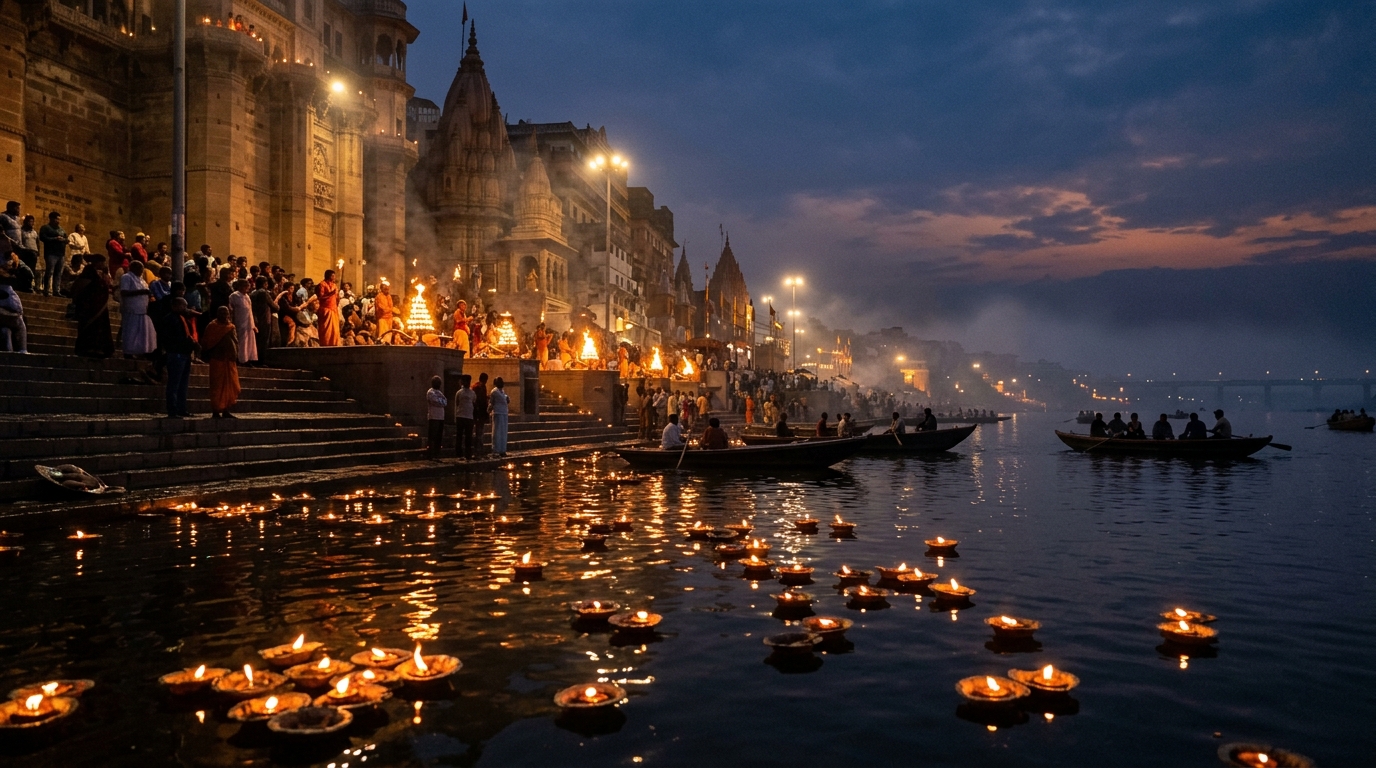
Varanasi is a profound highlight on incredible heritage india tours. Located on the banks of the Ganges River in Uttar Pradesh, Varanasi is one of the oldest continuously inhabited cities in the world. For Hindus, the city is a primary center of pilgrimage, associated with Shiva. The spiritual life of Varanasi takes place on the ghats, which are stone steps leading down to the river.
The evening Ganga Aarti ceremony at Dashashwamedh Ghat is a stunning experience of lights, chants, and incense. It draws thousands of visitors daily. People who want to experience these during incredible heritage india tours often select dedicated Varanasi pilgrimage tours. These tours ensure respectful and informative visits to these highly sacred spaces. The historical temples and narrow alleys of Varanasi offer a direct look into ancient Indian traditions.
Ayodhya: Epic History and Cultural Resurgence
Ayodhya represents a recent addition to incredible heritage india tours that is attracting significant attention. Located on the banks of the Sarayu River, this ancient city is celebrated as the birthplace of Lord Rama. The city has a deep history that stretches back thousands of years, with mentions in ancient texts and Buddhist records. It has long been a key pilgrimage center for millions of devotees.
The newly constructed Ram Janmabhoomi Temple is a major architectural achievement. It was built using traditional stone carving techniques without any iron or steel. Visitors can also explore Kanak Bhawan, a beautiful temple gifted to Sita, and the historic ghats along the Sarayu River. Planning a visit with a detailed Ayodhya travel guide helps visitors understand the epic history of this sacred city. This destination shows how ancient stories continue to shape modern incredible heritage india tours.
Western and Southern Architectural Wonders
While the north is famous for its fortresses, western and southern India host some of the most impressive rock-cut temples in the world. These regions are vital stops on incredible heritage india tours. The artistic styles here reflect deep devotion and advanced engineering skills. Rulers carved entire temples directly out of solid rock, creating monuments that have lasted for over a thousand years.
Ajanta and Ellora: Monolithic Cave Temples
The Ajanta and Ellora Caves in Maharashtra are a highlight of custom incredible heritage india tours. The Ajanta Caves consist of about thirty rock-cut Buddhist temple caves dating from the second century BCE to about 480 CE. These caves are world-famous for their ancient frescoes and paintings, which depict the Jataka tales and the life of Buddha. The natural colors used in these paintings have remained vibrant despite the passage of centuries.
The Ellora Caves, located about one hundred kilometers away, feature thirty-four rock-cut temples representing three distinct religious traditions:
- Buddhist Caves (1-12): Featuring quiet monasteries and large chaityas from the 6th to 8th centuries.
- Hindu Caves (13-29): Showcasing magnificent deity carvings, including the peerless Kailash Temple.
- Jain Caves (30-34): Renowned for their highly detailed sculptures representing the Digambara sect.
The crowning achievement of Ellora is the Kailash Temple. It is a massive monolithic structure carved from a single piece of solid rock from the top down. This engineering feat, constructed in the eighth century, is double the size of the Parthenon in Athens. These caves show the high level of artistic skill present in ancient India, making them essential for incredible heritage india tours.
Hampi: The Ruined Splendour of the Vijayanagara Empire
Hampi is a fascinating detour on incredible heritage india tours. Located in the state of Karnataka, Hampi is a UNESCO World Heritage site consisting of the ruins of the Vijayanagara Empire. This was one of the largest Hindu empires in medieval India. The landscape is covered in massive boulders and contains hundreds of ruined temples, palaces, and public buildings.
The Virupaksha Temple remains an active place of worship, featuring a dramatic gateway tower. The nearby Vitthala Temple complex is famous for its stone chariot and musical pillars. These pillars produce distinct musical notes when tapped. These ancient engineering achievements are foundational to most incredible heritage india tours. Walking through Hampi gives visitors a clear picture of the wealth and scale of medieval South Indian kingdoms.
The Great Chola Temples of Tamil Nadu
The Great Living Chola Temples represent a crowning achievement for incredible heritage india tours. They were built by the kings of the Chola Empire between the tenth and twelfth centuries and consist of three spectacular complexes:
- Brihadisvara Temple (Thanjavur): Featuring a massive 216-foot vimana tower and a monolithic granite dome.
- Temple of Gangaikonda Cholapuram: Renowned for its curved sanctuary tower and massive sculptures.
- Airavatesvara Temple (Darasuram): Styled after a grand stone chariot with extremely detailed mini-reliefs.
Each temple exhibits the exceptional stone craft of Dravidian artists.
These temples are famous for their monumental towers, known as gopurams, and detailed stone sculptures. The Brihadisvara Temple, dedicated to Shiva, features a massive dome carved from a single block of granite weighing about eighty tonnes. The scale of these structures reflects the maritime power and wealth of the Chola dynasty. Exploring these southern monuments during incredible heritage india tours offers a deep understanding of Dravidian temple architecture.
Planning Your Heritage Journey: Practical Insights
Organising a trip of this scale requires careful consideration of the logistics of incredible heritage india tours. The country’s vast geography and diverse climates mean that a well-planned itinerary is essential for a comfortable experience. Travelers must decide which regions to prioritize based on their historical interests and the time available. A balanced itinerary usually combines two or three historical regions to avoid travel fatigue.
| Heritage Circuit | Key Monuments Included | Ideal Duration | Best Months to Visit |
|---|---|---|---|
| Golden Triangle | Taj Mahal, Agra Fort, Qutub Minar, Amer Fort | 5 to 7 Days | October to March |
| Royal Rajasthan | City Palace Udaipur, Mehrangarh Fort, Jaisalmer Fort | 8 to 10 Days | November to February |
| Spiritual North | Varanasi Ghats, Ram Janmabhoomi Temple | 4 to 5 Days | October to March |
| Deccan & Southern Stone | Ellora Caves, Hampi Ruins, Brihadisvara Temple | 7 to 9 Days | October to March |
Best Time to Visit India’s Heritage Sites
Timing is crucial for the successful execution of incredible heritage india tours. The winter season, which runs from October to March, offers the most pleasant weather across most of the country. During these months, temperatures are cool enough for comfortable outdoor sightseeing. This is especially true in the desert regions of Rajasthan and the plains of Uttar Pradesh. Visiting monuments in pleasant weather makes the experience far more enjoyable.
The summer months (April to June) can bring extreme heat, with temperatures often exceeding forty degrees Celsius in northern and western India. While hotel rates are lower during this low season, the heat can make long days of walking through open monuments difficult. The monsoon season (July to September) brings heavy rains, which can disrupt travel plans. However, southern regions and Hampi look beautiful and green during this period. When choosing your dates, keep the following seasonal factors in mind:
- Peak Season (October to March): Ideal weather nationwide, but monuments are crowded and hotel rates are highest.
- Shoulder Season (September and April): Moderate weather with fewer crowds, offering a good balance for budget conscious travelers.
- Low Season (May to August): High temperatures and heavy monsoon rains, but lowest accommodation prices across all heritage circuits.
Key Logistics and Travel Tips
The smooth operation of incredible heritage india tours relies on attention to transport, health, and local customs. Traveling between major historical cities can be done using India’s extensive railway network or regional flights. High-speed trains like the Gatimaan Express and Vande Bharat Express connect major cities like Delhi, Agra, and Jaipur quickly and comfortably. Booking tickets in advance is highly recommended to secure the best seats.
To assist in your budgeting and itinerary coordination, the table below outlines critical entry details and timings for primary destinations on incredible heritage india tours:
| Key Monument & City | Foreign Entry Fee | Indian Entry Fee | Weekly Closed Day | Best Visiting Window |
|---|---|---|---|---|
| Taj Mahal (Agra) | INR 1,100 | INR 50 | Friday | 6:00 AM – 9:00 AM (Sunrise) |
| Agra Fort (Agra) | INR 650 | INR 50 | None (Open Daily) | 3:00 PM – 5:30 PM (Sunset) |
| Amer Fort (Jaipur) | INR 550 | INR 100 | None (Open Daily) | 8:00 AM – 11:00 AM |
| Qutub Minar (Delhi) | INR 600 | INR 40 | None (Open Daily) | 4:00 PM – 6:30 PM |
| Ajanta Caves (Aurangabad) | INR 600 | INR 40 | Monday | 9:00 AM – 12:00 PM |
| Kailash Temple (Ellora) | INR 600 | INR 40 | Tuesday | 7:00 AM – 10:00 AM |
When visiting active religious sites, visitors must follow local dress codes. This usually means covering shoulders and knees, and removing shoes before entering temples. Hiring licensed guides at historical monuments is highly recommended to explain the historical context. Before embarking on your travels, check the current rules for an Indian visa and secure comprehensive travel insurance to safeguard your journey. To ensure a smooth journey, consider these essential travel preparation steps:
- Apply for eVisa: Ensure your tourist visa is processed at least two weeks before your departure date.
- Secure Insurance: Acquire comprehensive travel insurance covering health, luggage loss, and trip cancellations.
- Pack Modest Clothing: Bring lightweight, breathable garments that cover shoulders and knees for temple visits.
- Carry Cash: Keep small denominations of local currency for shoe keeping fees and minor temple donations.
Conclusion
India’s ancient wonders offer an unparalleled look into the artistic and social history of humanity. From the delicate marble of the Taj Mahal to the massive rock-cut temples of Ellora, each site tells a story of creative ambition and cultural fusion. Undertaking incredible heritage india tours allows you to experience these stories in person, creating memories that will remain long after your incredible heritage india tours end. By choosing the right circuit and planning your logistics carefully, your journey through India’s past will be both comfortable and deeply rewarding.