


Europe has stood as the ultimate aspiration for Indian globetrotters. The historic architecture of Rome, the snow-covered Swiss Alps, and the classic coastlines of Greece have populated travel wishlists for generations. But converting this aspiration into an actualized itinerary requires precise coordination, deep logistical understanding, and structural planning. Learning how to plan europe trip from india is not merely about picking beautiful destinations; it is about managing visa timelines, optimizing multi-city flights, and balancing budgets against fluctuating currencies. A well-designed trip avoids the typical pitfalls of rushed transit and excessive costs, refining a potentially stressful journey into an orderly, life-enriching holiday. This comprehensive guide provides an analytical blueprint to ensure every detail is systematically handled.
- Optimal Duration: 10 to 15 days is ideal for first-time visitors to balance exploration and rest.
- Schengen Visa Timeline: Apply 3 to 6 months in advance to avoid seasonal booking backlogs.
- Transit Strategy: Use open-jaw flights and high-speed rail to maximize time and eliminate backtracking.
- Financial Blueprint: A realistic mid-range budget ranges from INR 1,80,000 to INR 2,50,000 per person.
- Seamless Connectivity: Use eSIMs and zero-forex cards for uninterrupted navigation and fee-free payments.
Phase 1: Deciding Your Travel Style, Route, and Duration
Before committing financial resources, establishing a clear framework for the journey is essential. A common error is attempting to cover too many countries in a single vacation, which leads to physical exhaustion and inflated transit costs. Understanding how to plan europe trip from india starts with a realistic evaluation of travel style and pacing. One must decide whether the goal is an immersive cultural experience in a single region or a panoramic survey of iconic European monuments. This choice dictates the structural flow of the itinerary and directly impacts the visa application strategy. Many travelers wonder how to plan europe trip from india when managing multiple destinations. The key is prioritizing depth of experience over sheer volume, ensuring each stop provides meaningful exploration rather than a brief photo opportunity.
Defining the Ideal Trip Duration
For a first-time visitor from India, the ideal trip duration typically ranges from 10 to 15 days. This timeframe allows for a balanced exploration of three to four major cities without inducing travel fatigue. Trips shorter than 10 days often feel rushed due to jet lag and transit times, while journeys exceeding 18 days can become excessively expensive and mentally overwhelming. When studying how to plan europe trip from india, allocating at least 3 nights per major hub is a reliable rule of thumb. This guarantees sufficient time to explore local historical sites, manage unexpected weather changes, and experience the cultural fabric of each destination. It also provides a buffer for minor logistical adjustments (such as train delays or local transit strikes) without derailing the entire schedule.
Choosing Between Popular Regional Clusters
Europe is best experienced when divided into logical geographical clusters. Trying to combine Spain, Switzerland, and Norway in a brief two-week window creates disjointed logistics. Instead, select a cluster that aligns with specific personal interests. For instance, history enthusiasts will appreciate different routes than nature lovers or culinary travelers. To help evaluate these choices, the table below outlines the core attributes of each region:
| Regional Cluster | Key Highlights | Recommended Days | Relative Cost Index |
|---|---|---|---|
| Western Europe | Eiffel Tower, Swiss Alps, Amsterdam Canals | 9-12 Days | High |
| Southern Europe / Mediterranean | Colosseum, Santorini Caldera, Alhambra Palace | 10-14 Days | Medium-High |
| Central Europe | Prague Castle, Vienna Opera, Budapest Thermal Baths | 8-11 Days | Medium |
| Nordic Countries | Norwegian Fjords, Northern Lights, Stockholm Old Town | 10-15 Days | Very High |
Focusing on a single cluster simplifies transit. This approach also increases the likelihood of Schengen visa approval, as it demonstrates a logical, realistic itinerary to embassy officials. The Classic Western Loop remains the most requested route for Indian travelers seeking iconic imagery, but Central Europe presents an exceptionally budget-friendly alternative with equally rich historical architecture.
Structuring Your Itinerary: Slow Travel vs. Multi-City Hopping
Choosing between slow travel and multi-city hopping is critical. To structure your itinerary efficiently, consider the advantages of each style:
- Slow Travel: Involves anchoring the trip in one or two cities and taking curated day trips. This approach significantly reduces transit fatigue, minimizes pack-and-unpack routines, and lowers overall daily transport costs.
- Multi-City Hopping: A fast-paced style that maximizes the total number of destinations visited. It requires a highly disciplined schedule and a heavy reliance on high-speed rail networks.
- The Hybrid Approach: Highly recommended for Indian travelers. This entails anchoring in key transport hubs and taking short, structured excursions to surrounding areas, thereby achieving both variety and rest. It maintains a sense of adventure while ensuring the vacation does not feel like a continuous transit marathon.
Phase 2: Booking Flights and Navigating European Transport
Transit logistics represent a substantial portion of the total travel budget. Strategizing flight bookings and internal transfers early in the planning process can yield significant savings. The mechanics of how to plan europe trip from india dictate that flights should be booked approximately 4 to 6 months before departure to secure the most competitive fares. A systematic approach to internal transport is equally vital for maintaining budget limits.
Securing Cost-Effective Flights from India
When booking flights from India to Europe, routing plays a vital role in determining overall costs. Direct flights from major Indian metros land in gateways like Frankfurt, Munich, or Paris. If budget optimization is a priority, consider booking multi-city or open-jaw tickets. An open-jaw ticket allows a traveler to fly into one city, such as Paris, and return from another, such as Amsterdam. This eliminates the need to travel backward to the initial entry point, saving both valuable vacation hours and internal transit fares. This routing strategy is central to mastering how to plan europe trip from india without wasting resources. It reduces unnecessary fuel costs, airport taxes, and backtracking time.
Internal Transit: Trains, Flights, and Buses
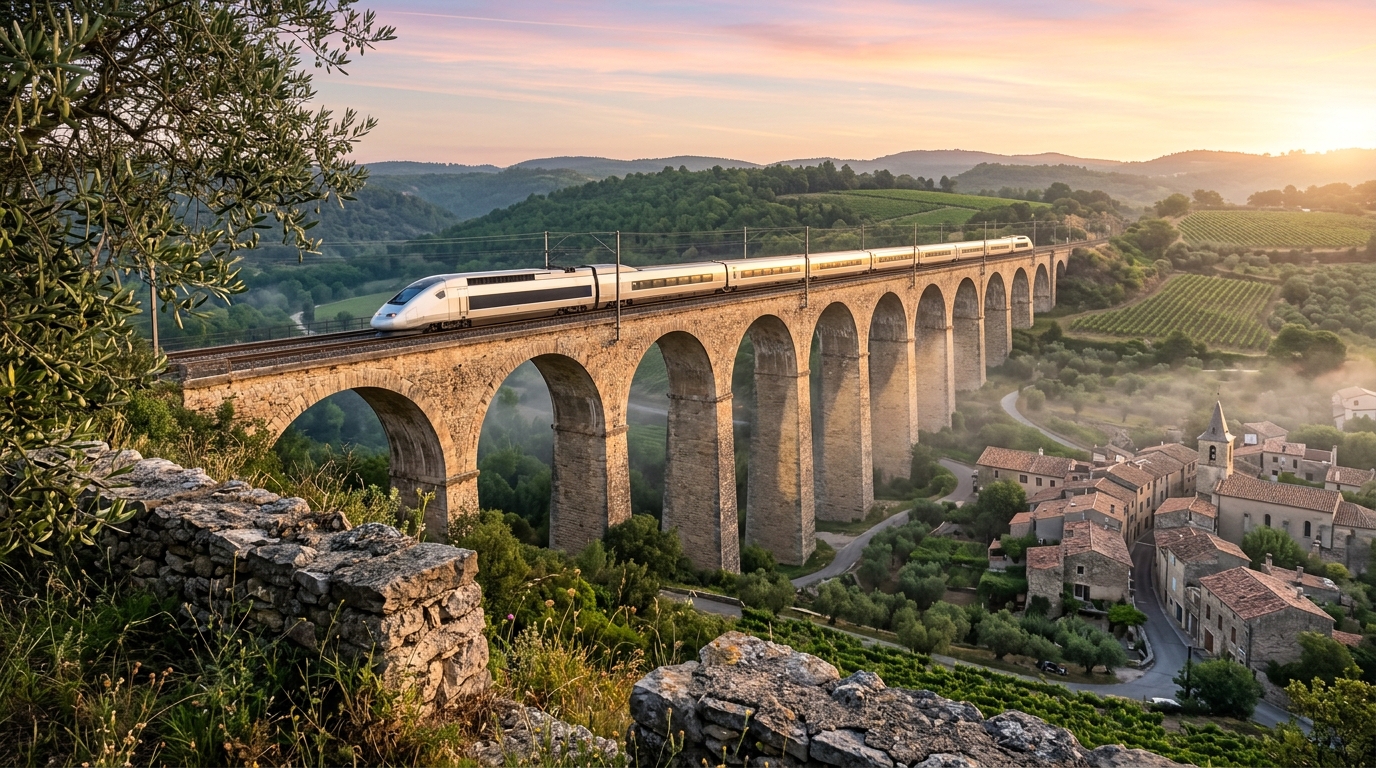
Once inside Europe, the transport network offers several efficient ways to move between countries. The Eurail Pass provides unlimited train travel across 33 European nations, making it an excellent option for long, multi-country journeys. For specific, pre-planned routes, booking point-to-point high-speed train tickets (via operators like Eurostar, TGV, or Frecciarossa) often proves more economical. But still, travellers must remain cautious of hidden fees. Budget airlines enforce strict luggage limits, and adding checked bags can easily double the base ticket price. For shorter distances on a budget, regional buses like FlixBus provide a highly economical, reliable alternative. Learning how to plan europe trip from india requires balancing these transportation options to maintain both comfort and budget.
- High-Speed Trains: Best for regional journeys under 4 hours (city-center to city-center connectivity, no luggage weight limits, highly comfortable).
- Budget Flights: Fastest way to cover massive distances, but travelers must account for remote airport locations and strict baggage fees.
- Regional Buses: Extremely cheap and flexible, though transit times are significantly longer and subject to road traffic.
Phase 3: The Schengen Visa Application Process Explained
For Indian passport holders, obtaining a Schengen Visa is arguably the most crucial step of the entire journey. A single Schengen Visa allows travel across 29 European countries (the Schengen Zone) without internal border controls. Knowing how to plan europe trip from india requires an exact understanding of this visa process to avoid stressful, last-minute delays or rejections. The key is early preparation and absolute accuracy in documentation.
Understanding the Schengen Visa Requirements for Indians
An applicant must submit their visa application to the embassy or consulate of the country where they will spend the maximum number of nights. If the duration of stay is equal across multiple countries, the application must go to the country of first entry. The documentation required is precise and leaves no room for ambiguity. Here is a step-by-step breakdown of how to plan europe trip from india to ensure zero visa delays:
- Valid Passport: Must have at least two blank pages and be valid for at least three months beyond the planned departure date.
- Cover Letter: A detailed, day-by-day travel itinerary explaining the purpose of the trip and proof of accommodation.
- Financial Proof: Bank statements from the last 6 months, stamped by the bank, demonstrating sufficient funds (typically at least €70 to €100 per day of stay), and Income Tax Returns (ITR) for the last 2 to 3 years.
- Travel Insurance: A policy with a minimum coverage of €30,000 that is valid across all Schengen countries and covers emergency medical treatment.
To assist with the planning and administrative details, the table below provides a quick breakdown of key Schengen visa metrics for Indian applicants:
| Schengen Visa Attribute | Standard Expectation | Key Strategy for Indians |
|---|---|---|
| Visa Fee (Standard) | €90 (approx. INR 8,200) | Payable online or at the VFS center during your appointment. |
| Standard Processing Time | 15 to 30 Working Days | Apply 3 to 4 months before your trip during peak summer seasons. |
| Mandatory Insurance Coverage | Minimum €30,000 | Must include medical evacuation, repatriation, and emergency care. |
| Primary Document Quality | 6 Months Bank Statements | Ensure statements are officially stamped and signed by the bank. |
For professional assistance with these strict requirements, travellers can explore the TravelDham Visa Services to ensure their documentation is flawless. Implementing professional guidance is a key recommendation when organizing how to plan europe trip from india.
Visa Appointment Timeline and Strategy
Schengen Visa rules permit applications to be submitted up to 6 months before the intended travel date. A common mistake is waiting until the last few weeks, which often leads to missed flights due to processing backlogs. A prudent traveler should secure their visa appointment at least 3 months in advance. As VFS Global handles visa processing in India, peak season slots (April to June) fill up rapidly. Strategizing this timeline is an essential component of how to plan europe trip from india successfully. Missing a slot can delay the entire trip, so early booking is highly recommended.
Phase 4: Financial Planning and Budget Allocation
A dream vacation can quickly become a financial burden without strict budget management. Developing a comprehensive understanding of the costs involved is a central pillar of how to plan europe trip from india. Managing fluctuating exchange rates and allocating funds logically prevents unexpected credit card debt upon return.
Developing a Realistic Cost Breakdown
When calculating the budget, it is helpful to categorize expenses into fixed costs (flights, visa fees, insurance) and variable costs (food, local transport, sightseeing). A typical mid-range budget for a 12-day trip will hover between INR 1,80,000 and INR 2,50,000 per person, depending on accommodation choices and eating habits. The table below provides a realistic cost breakdown for a mid-range traveler:
| Expense Category | Estimated Cost (per person in INR) | Percentage of Total Budget |
|---|---|---|
| Round-Trip Flights (India to Europe) | INR 55,000 – INR 75,000 | 30% |
| Schengen Visa & VFS Fees | INR 8,500 – INR 10,500 | 4% |
| Travel Insurance (Mandatory €30k coverage) | INR 1,500 – INR 2,500 | 1% |
| Accommodation (3-Star Hotels / Guesthouses) | INR 45,000 – INR 65,000 | 26% |
| Internal Transit (Eurail / Trains / Flights) | INR 25,000 – INR 35,000 | 14% |
| Food, Dining, & Sightseeing | INR 30,000 – INR 45,000 | 18% |
| Miscellaneous & SIM Card | INR 10,000 – INR 15,000 | 7% |
This structured financial overview clarifies how to plan europe trip from india by highlighting exactly where the capital is deployed. It allows travelers to adjust their spending beforehand, perhaps opting for self-catering apartments to reduce the food budget.
Managing Currencies and International Payments
Carrying massive cash is impractical. Forex cards protect against market fluctuations by locking in exchange rates before departure. Additionally, carrying a zero-forex-markup credit card is highly recommended for day-to-day transactions. In most Western European cities, contactless payments are the norm, meaning credit cards are widely accepted even for minor transactions. But still, keeping roughly €200 to €300 in physical cash is wise for small markets, public restrooms, or emergencies. This currency strategy is a vital aspect of how to plan europe trip from india without incurring high conversion fees.
Phase 5: Accommodation and Day-to-Day Logistics
Selecting the right accommodation and handling daily logistics dictates daily transit times and overall peace of mind during the journey.
Selecting the Right Places to Stay
When looking for lodging, location should always take precedence over minor price differences. Booking a cheap hotel far outside the city center might seem budget-friendly, but the resulting daily transit costs and wasted travel hours often negate the initial savings. For those studying how to plan europe trip from india, choosing accommodations located within a 15-minute walk of a major metro station or train terminal is the most efficient choice. For families wondering how to plan europe trip from india, opting for apartments can save significantly. Hostels offer a balanced alternative for solo adventurers.
Sim Cards, Local Navigation, and Emergency Preparation
Staying connected is critical for accessing digital maps, translation tools, and train timetables. Ensure your digital logistics are properly pre-arranged before boarding your flight:
- eSIMs: Purchase an eSIM online before departing India. Providers like Airalo, Holafly, or Nomad offer robust, regional data packages that operate seamlessly across multiple European borders without swap delays.
- Physical SIM Cards: Alternatively, purchase local physical prepaid SIM cards from prominent brands like Orange, Vodafone, or Lycamobile directly at your arrival airport gateway.
- Navigation & Transit Apps: Download offline Google Maps for offline GPS navigation. Install specialized transit apps such as Citymapper or Omio to obtain real-time schedules and fare comparisons.
- Emergency Contacts: Keep local emergency numbers (such as 112 in the European Union) and physical addresses of the local Indian embassies stored safely on your mobile devices.
Selecting the Perfect Curated Package
While independent planning can be rewarding, it is undeniably time-consuming and logistically complex. For many travellers, coordinating flights, trains, visas, and hotels becomes an overwhelming task. This is where professional holiday curation simplifies the entire process. Choosing a pre-planned, expert-designed package simplifies the entire process, allowing travellers to focus on the experience rather than the administrative burden. Indeed, learning how to plan europe trip from india involves comparing these travel packages to find the ideal balance of freedom and support.
For an unforgettable, balanced journey that covers the absolute best of Western Europe, travellers can choose the TravelDham Zurich, Paris, and Amsterdam Package. This meticulously planned 8-night, 9-day itinerary provides premium accommodations, seamless intercity transfers, and curated sightseeing experiences. It is a highly efficient way to execute the dream vacation, proving that knowing how to plan europe trip from india can be as simple as trusting experienced professionals.
FAQs
Understanding the intricacies of European travel often brings up practical questions. Here are clear answers to help clarify how to plan europe trip from india:
How much does a 10-day Europe trip from India cost?
On average, a budget-conscious traveler can expect to spend approximately INR 1,50,000 to INR 1,80,000, while a mid-range traveler will likely spend between INR 2,00,000 and INR 2,50,000 per person. This includes round-trip flights, 3-star accommodations, local train travel, and daily meals. Financial budgeting is a key component when determining how to plan europe trip from india.
Which Schengen country has the highest visa approval rate for Indians?
Historically, countries with smaller populations or those actively seeking to boost tourism (such as Iceland, Switzerland, Luxembourg, and Lithuania) tend to have higher visa approval rates and faster processing times. Conversely, countries like France and Germany receive a massive volume of applications, which can lead to longer processing timelines and stricter scrutiny. Analyzing visa approval statistics is an essential step when deciding how to plan europe trip from india.
Is travel insurance mandatory for a Europe trip from India?
Yes, travel insurance is a mandatory legal requirement for obtaining a Schengen Visa. The policy must offer €30,000 coverage valid across all Schengen states. It must be valid across all Schengen member states for the entire duration of the stay. Securing comprehensive insurance is a critical element of learning how to plan europe trip from india safely. For convenient options, travellers can check the TravelDham Travel Insurance Services.
When is the absolute best time to visit Europe?
The best time to visit Europe is during the shoulder seasons: April to May (Spring) and September to October (Autumn). During these months, the weather is pleasant, tourist crowds are manageable, and flight and accommodation prices are significantly lower than in the peak summer months. Understanding seasonal patterns is crucial when learning how to plan europe trip from india.
Conclusion
Embarking on a journey across Europe is a profoundly rewarding experience that offers a rich blend of history, culture, and natural beauty. While the initial planning stages may feel overwhelming, breaking down the process into structured phases makes the entire task highly manageable. From defining the ideal regional cluster and securing cost-effective flights to meticulously organizing the Schengen Visa documentation, every step taken brings the dream closer to reality.
By applying the systematic strategies outlined in this guide, anyone can master how to plan europe trip from india with absolute confidence. Whether choosing to craft an independent itinerary or opting for a professionally curated tour package through TravelDham, the key to success lies in early preparation and attention to detail. With the right roadmap in hand, your European adventure will transition seamlessly from a distant dream into an extraordinary reality.