
Traveling across international borders usually involves complex visa applications, expensive flights, and tedious paperwork. But still, the journey from India to Nepal stands as a remarkable exception. The open border policy between these two historic nations allows for relatively seamless transit. It is basically an invitation to explore the soaring peaks of the Himalayas, the birthplaces of ancient philosophies, and deep subtropical jungles without the typical bureaucratic friction. If you are trying to understand how to plan a trip to nepal from india, the journey begins with an appreciation of this unique geopolitical relationship. Therefore, knowing how to plan a trip to nepal from india can save you significant time and budget. The following guidelines summarize how to plan a trip to nepal from india with minimal stress, helping you design an efficient route. If you want a hassle-free journey, hiring an experienced agency through International Tour Packages simplifies how to plan a trip to nepal from india.
Key Takeaways
- Easy Entry: Indian citizens do not require a visa to enter Nepal and can travel freely using a valid Indian Passport or Voter ID Card.
- Flexible Transit Options: Choose between quick flights from cities like Delhi and Mumbai or scenic road trips through checkpoints like Sunauli.
- Optimal Weather: Plan your visit during Autumn (September–November) or Spring (March–May) for clear Himalayan views and perfect trekking conditions.
- Financial Guidelines: While INR 100 notes are widely accepted, carry local Nepalese Rupees (NPR) for rural zones and trekking circuits.
Understanding the Entry Requirements for Indian Citizens
Indian citizens enjoy a privileged status when entering Nepal under the 1950 Indo-Nepal Treaty of Peace and Friendship. This agreement permits free movement, residence, and employment. But still, you must prove citizenship at checkpoints, especially when traveling by air.
Valid Identification and Documentation
When looking at how to plan a trip to nepal from india, documentation is the first critical step. Many travelers researching how to plan a trip to nepal from india assume a simple voter ID is always sufficient. However, authorities recognize only a valid Indian passport or an original Voter Identity Card issued by the Election Commission of India. Children below the age of 18 who lack a voter ID card must carry an original birth certificate or a valid school ID card, provided they are accompanied by a parent possessing valid paperwork. Aadhaar cards, driving licenses, and PAN cards are not accepted at airport immigration counters. Indeed, learning how to plan a trip to nepal from india helps you avoid common border clearance issues.
| Document Type | Air Travel Acceptance | Land Border Acceptance | Important Notes |
|---|---|---|---|
| Valid Indian Passport | Accepted | Accepted | Highly recommended for smooth airport and border clearance. |
| Voter Identity Card | Accepted | Accepted | Must be original and issued by the Election Commission of India. |
| Aadhaar Card | Not Accepted | Not Accepted | Cannot be used for official immigration procedures. |
| Driving License / PAN Card | Not Accepted | Not Accepted | Useful as local ID but invalid for international border crossing. |
| Birth Certificate (Under 18) | Accepted | Accepted | Required for children without voter IDs; must travel with a parent. |
Permits for Personal Vehicles
For travelers who prefer driving, crossing the border in a personal vehicle is highly viable. But still, this requires rigorous paperwork at the Nepalese Customs Office to secure a temporary import permit (Bhansar Patra). This is issued for up to 30 days per year upon paying a daily duty (roughly 600 NPR for cars).
To obtain these permits, you must present the following documents:
- Registration Certificate (RC): The original registration smart card of your vehicle.
- Valid Indian Driving License: Original license of the designated driver.
- Vehicle Insurance: Valid third-party or comprehensive insurance policy.
- Pollution Certificate: Valid Pollution Under Control (PUC) certificate.
- Yatayat Patra: A transport permit required to travel across different districts.
Neglecting these documents can lead to vehicle confiscation. You should also purchase a local Nepalese SIM card at the border, such as Ncell or Nepal Telecom, which requires a passport-sized photograph and a copy of your identity proof. This allows you to stay connected and use mobile navigation systems throughout your journey.
Choosing Your Mode of Transportation from India to Nepal
As you analyze how to plan a trip to nepal from india, you must weigh the benefits of different transit methods. The physical proximity of the two countries means you can select flights, direct buses, private road transport, or even trains to reach your destination.
Traveling by Air
Flight bookings are a major component of how to plan a trip to nepal from india if you prefer comfort. Direct flights link Delhi, Mumbai, and Bengaluru to Kathmandu. Airlines like Air India and IndiGo run these routes daily. A non-stop flight from New Delhi to Kathmandu takes roughly 1 hour and 45 minutes. While more expensive, flying bypasses the road fatigue, leaving you with more energy for your holiday.
Traveling by Road and Border Crossings
For those wondering how to plan a trip to nepal from india by road, border checkpoints are vital. The Sunauli border crossing in Uttar Pradesh (near Gorakhpur) is the most popular route to Pokhara or Kathmandu. Alternatively, the Raxaul border in Bihar connects directly to central Nepal, while the Panitanki crossing near Siliguri serves eastern regions. In short, figuring out how to plan a trip to nepal from india involves selecting the right gateway based on your starting point. Direct bus services run regularly from Delhi and Varanasi, offering an economical choice.
Traveling by Train
No direct passenger trains connect major Indian cities to Kathmandu. But still, you can easily take a train to border towns like Gorakhpur, Raxaul, or New Jalpaiguri. From there, local buses and cabs run to the border gates. A specialized 35-kilometer rail line also links Jaynagar in Bihar with Kurtha in Nepal. For budget travelers, combining an overnight train to Gorakhpur with a short bus trip across the Sunauli border is highly efficient.
| Mode of Transport | Key Departure Points | Primary Entry Point | Average Travel Time | Ideal For |
|---|---|---|---|---|
| Air | Delhi, Mumbai, Kolkata, Bengaluru | Kathmandu (KTM) | 1.5 to 3 hours | Premium travelers, business professionals, and families seeking convenience. |
| Road (Bus / Car) | Delhi, Gorakhpur, Varanasi, Siliguri | Sunauli, Panitanki, Raxaul, Banbasa | 12 to 30 hours | Budget travelers, road-trip enthusiasts, and multi-stop tourists. |
| Rail + Road | Major Indian cities (linked to Gorakhpur) | Sunauli Border | 18 to 24 hours (combined) | Budget-conscious tourists seeking a scenic and traditional travel route. |
Determining the Best Time to Visit Nepal
Timing is another critical aspect when mastering how to plan a trip to nepal from india. The country features diverse ecological zones, ranging from low-altitude subtropical plains to the highest peaks on Earth. Consequently, the weather varies dramatically with the seasons.
Peak Trekking and Sightseeing Seasons
Autumn (September to November) is the gold standard for travel. Monsoon rains clear the air, revealing crystal-clear Himalayan views. Temperatures are highly moderate, which is ideal for trekking. Spring (March to May) is also premium, offering blooming rhododendrons and warm days. Weather patterns dictate how to plan a trip to nepal from india for trekking purposes, and choosing either season ensures optimal trail conditions. For adventure seekers looking to challenge themselves, the Everest Base Camp and Annapurna Sanctuary treks have highly specific weather windows that should not be compromised. Attempting these treks outside of peak periods can be extremely dangerous.
The Monsoon and Winter Considerations
Conversely, the summer monsoon (June to August) brings heavy rains, landslide risks, and poor visibility. Winter (December to February) brings freezing mountain temperatures, though cities like Kathmandu remain pleasant during the day. Ultimately, deciding how to plan a trip to nepal from india depends on whether you seek clear skies or fewer crowds. Early winter offers excellent value for city sightseeing if you pack thermal layers.
| Season | Months | Weather Highlights | Key Activities | Crowd Levels |
|---|---|---|---|---|
| Autumn | September to November | Clear skies, dry air, moderate temperatures. | High-altitude trekking, cultural festivals. | Very High. |
| Spring | March to May | Warm days, blooming flowers, clear mornings. | Trekking, peak climbing, valley sightseeing. | Moderate to High. |
| Monsoon | June to August | Heavy rains, landslides, limited views. | Lumbini pilgrimage, cultural museum tours. | Very Low. |
| Winter | December to February | Cold temperatures, clear but chilly days. | Low-altitude treks, national parks, city tours. | Low to Moderate. |
Top Destinations to Include in Your Nepal Itinerary
Your selection of cities is central to how to plan a trip to nepal from india. From ancient historic squares to serene lakesides and wildlife sanctuaries, Nepal packs a diverse array of experiences into a compact geographical area.
Kathmandu Valley
The historic heart of the country, Kathmandu Valley, is a cultural metropolis. Any manual on how to plan a trip to nepal from india will highlight the cultural depth of Kathmandu. The valley features three historic cities: Kathmandu, Patan, and Bhaktapur.
When exploring this cultural hub, make sure to visit these essential sights:
- Pashupatinath Temple: A revered and sacred Hindu temple complex dedicated to Lord Shiva, located on the banks of the Bagmati River.
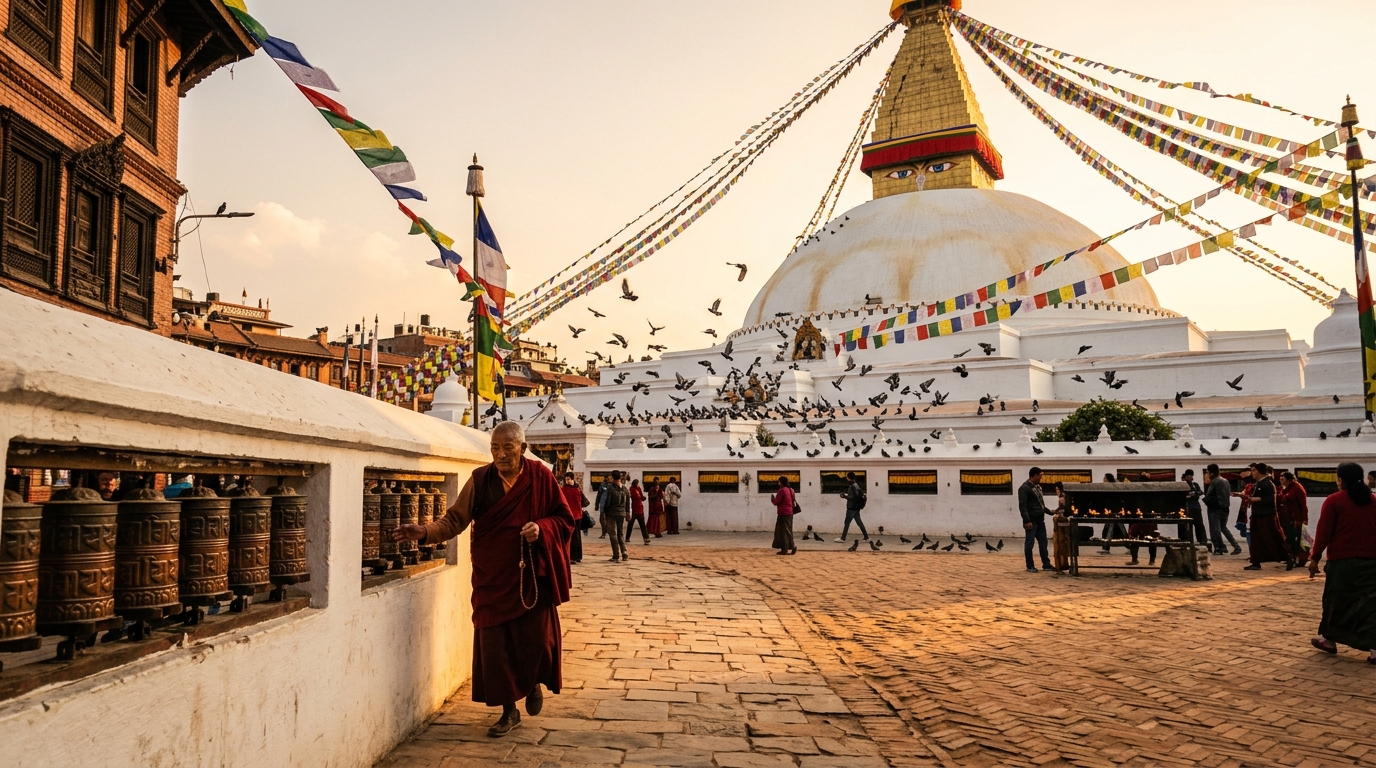
- Boudhanath Stupa: One of the world’s largest Buddhist stupas, dominating the skyline with its massive mandala and peaceful vibe.
- Swayambhunath (Monkey Temple): An ancient hilltop stupa that offers sweeping panoramic views of the entire Kathmandu valley.
These architectural wonders display intricate Newari craftsmanship.
Pokhara
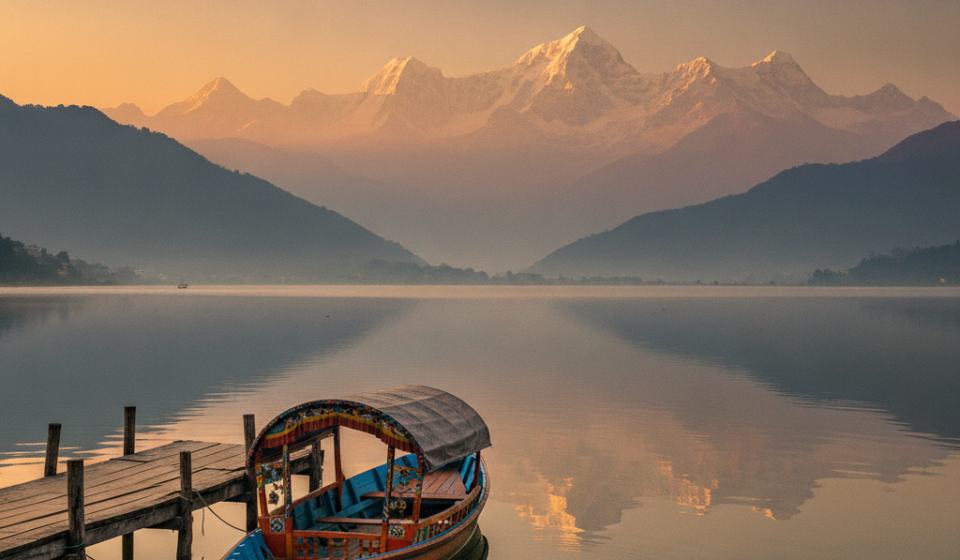
Located 200 kilometers west of Kathmandu, Pokhara is the adventure capital. If Pokhara is your priority, your strategy on how to plan a trip to nepal from india will shift westward. Situated by Phewa Lake, the city offers spectacular views of the Annapurnas. You can boat to Tal Barahi Temple or visit Sarangkot hill for a panoramic Himalayan sunrise over Machapuchare. Pokhara also serves as the gateway to the world-famous Annapurna Circuit. Furthermore, visiting the World Peace Pagoda (Shanti Stupa) on top of Anadu Hill offers a tranquil atmosphere and stunning panoramic views of Pokhara city and the mountains beyond.
Chitwan National Park
For a wilder journey, Chitwan National Park is an unmissable stop in the Terai lowlands. Indeed, knowing how to plan a trip to nepal from india makes it easier to schedule wildlife safaris. This UNESCO World Heritage site is home to one-headed rhinos, Bengal tigers, and crocodiles. Travelers can enjoy jeep safaris and spend evenings experiencing Tharu cultural performances. At Chitwan, tourists can choose between jeep safaris and guided jungle walks to observe native wildlife up close in their natural habitat.
Lumbini
Situated close to the border near Gorakhpur, Lumbini is the birthplace of Gautama Buddha. The central attraction is the Maya Devi Temple, marking the exact spot of his birth. A vast monastic zone features beautiful temples built by various international Buddhist communities, offering a peaceful, spiritual experience. Pilgrims often spend several hours meditating under the sacred Bodhi tree located next to the ancient Ashoka Pillar, which was erected by the Emperor Ashoka in 249 BC to mark his visit to the birthplace of Buddha.
Financial Logistics: Currency, Cards, and Budgeting
Managing financial logistics is a core part of how to plan a trip to nepal from india. Although India and Nepal share close economic ties, executing payments in a foreign country requires careful preparation to avoid legal and practical hurdles.
Indian Currency Acceptance and Exchange Rates
The Nepalese Rupee (NPR) is pegged to the Indian Rupee (INR) at a fixed rate of 1 INR to 1.6 NPR. But still, cash transactions carry strict regulations. Many online forums discussing how to plan a trip to nepal from india fail to explain currency restrictions. Indian 100-rupee notes and below are legally accepted everywhere. However, denominations of 200 INR and 500 INR are officially restricted. Therefore, understanding cash limitations is vital when learning how to plan a trip to nepal from india. It is best to exchange cash at the border or airport to avoid payment issues.
Banking and Card Usage
Hotels and restaurants in cities accept Indian credit and debit cards, though a 3.5% processing fee usually applies. ATMs are common in Kathmandu, but rural trekking areas rely strictly on cash. Additionally, keeping small currency denominations is useful as you figure out how to plan a trip to nepal from india, enabling easy purchases of local items and taxi rides. Please note that digital UPI payment transactions are slowly being introduced at major establishments, but their current availability is highly limited. It is also worth noting that many rural guest houses on trekking circuits do not have electricity or internet connections for card processing, which highlights the critical importance of holding physical paper currency.
Drafting a Comprehensive Itinerary for a 7-Day Trip
To create a seamless flow, look at a structured timeline of how to plan a trip to nepal from india. A well-balanced 7-day schedule is perfect for those figuring out how to plan a trip to nepal from india. This itinerary shows how to plan a trip to nepal from india to cover both heritage and nature, striking a balance between fast-paced travel and relaxation.
| Day | Activity Plan | Key Highlights | Recommended Mode of Transit |
|---|---|---|---|
| Day 1 | Arrival in Kathmandu | Transfer to hotel in Thamel. Evening exploration of local markets. | Flight or private vehicle from border. |
| Day 2 | Kathmandu Sightseeing | Explore Pashupatinath Temple, Boudhanath Stupa, and Durbar Square. | Private local taxi. |
| Day 3 | Travel to Pokhara | Scenic drive alongside Trishuli River or a short domestic flight. | Domestic flight or tourist bus. |
| Day 4 | Pokhara Adventure | Sunrise from Sarangkot. Visit Davis Falls and boat on Phewa Lake. | Local cab or walking. |
| Day 5 | Pokhara to Chitwan | Travel south to Chitwan. Attend a traditional cultural dance show. | Tourist coach or private car. |
| Day 6 | Chitwan Safari and Return | Morning jeep safari to spot rhinos. Afternoon drive back to Kathmandu. | Private SUV. |
| Day 7 | Departure | Last-minute souvenir shopping in Thamel and transfer to the airport. | Airport shuttle. |
This itinerary can be easily customized based on your preferences. For instance, if you are more interested in spirituality, you can swap Chitwan National Park for a two-day trip to Lumbini. If you prefer high-altitude trekking, you could extend your stay in Pokhara to complete the classic Poon Hill trek. But still, for a first-time visitor, this balanced mix of Kathmandu, Pokhara, and Chitwan provides the ultimate introduction to Nepal’s diverse geography.
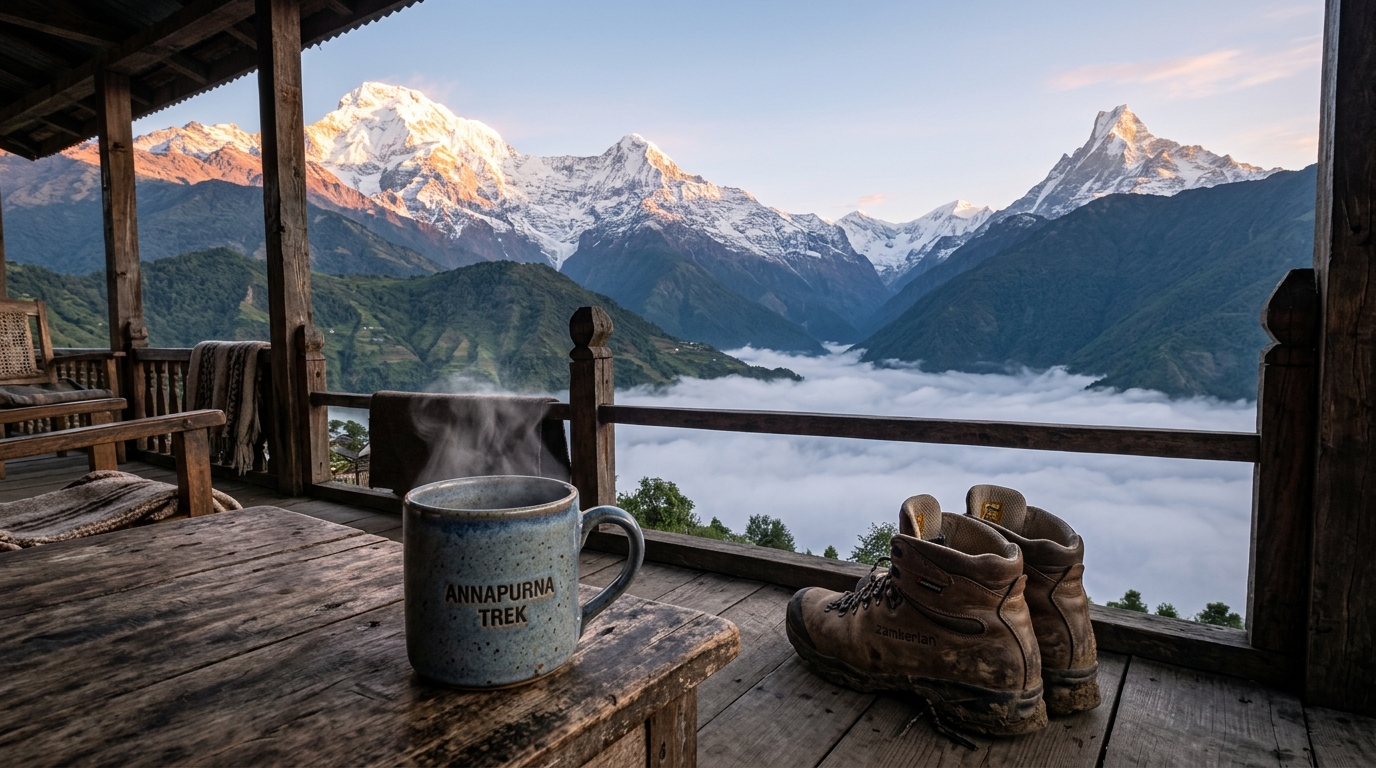
Essential Packing and Safety Guidelines
Safety and packing preparation represent the final stage of how to plan a trip to nepal from india. The drastic variation in altitudes means you might experience tropical heat in Chitwan and freezing conditions in the mountains on the very same trip.
Having a practical packing list is essential when looking at how to plan a trip to nepal from india. The following checklist highlights key gear you must prepare before departure:
- Layered Clothing: Lightweight moisture-wicking shirts for day hikes, intermediate fleece jackets, and windproof down coats for high-altitude evenings.
- Durable Footwear: Sturdy, well-fitting trekking boots with deep tread are critical for mountain paths, while comfortable running shoes work well for urban heritage walks.
- Personal Medical Kit: Carry prescription medicines, altitude sickness tablets (such as Acetazolamide), rehydration solutions, and sterile water purification drops.
- Power Management: Nepal utilizes power sockets matching Types C, D, and M. A universal travel adapter and a robust power bank (at least 20,000 mAh) are indispensable.
One cannot discuss how to plan a trip to nepal from india without highlighting travel insurance. While Nepal is an incredibly safe destination for global travelers, remote environments carry natural risks. A dedicated insurance policy that explicitly covers high-altitude emergency medical evacuation is highly recommended. To ensure a completely secure and organized journey, travelers can also reach out to specialized travel planners through our official Contact Us page.
Frequently Asked Questions (FAQs)
This FAQ section completes our comprehensive guide on how to plan a trip to nepal from india, addressing common queries that Indian travelers raise.
Is a passport mandatory for Indian citizens traveling to Nepal?
No, a passport is not strictly mandatory if you enter by land, as you can also use an original Voter ID card issued by the Election Commission of India. However, if you are traveling by air, a passport or Voter ID is absolutely required. Other forms of identity, including Aadhaar, driving licenses, or PAN cards, are not accepted by airport immigration. To avoid any potential travel disruptions, carrying a valid passport remains the most professional and recommended practice.
Can I drive my own car from India to Nepal?
Yes, you can drive your personal car or motorcycle across the border. You must obtain a daily custom permit (Bhansar Patra) at the border checkpost and pay the required daily fees. Additionally, you need to carry your original vehicle registration card, driving license, pollution certificate, and insurance policy. You must also obtain a transport permit (Yatayat Patra) to travel between different districts of Nepal.
What is the currency exchange process in Nepal?
You can easily exchange Indian Rupees for Nepalese Rupees at authorized foreign exchange counters, banks, and hotels in Kathmandu, Pokhara, and major border crossings. While Indian 100-rupee notes are widely accepted, larger denominations (like 200 and 500 INR notes) are restricted. It is best to convert your money to local currency to cover small daily expenses and avoid transaction issues in rural regions.