


Designing exceptional custom travel experiences requires a meticulous blend of operational intelligence, regional knowledge and financial precision. The outbound travel sector from India has witnessed unprecedented expansion, with travelers seeking highly personalized, experiential itineraries over traditional mass tourism. For agency operators, independent consultants and hospitality professionals, understanding how to make tour packages is no longer merely an optional skill. It is the core operational competency that dictates long-term commercial viability in a highly competitive market. Balancing the complex operational logistics with individual customer expectations requires a systematic approach to itinerary architecture, supplier negotiations and compliance management.
Key Takeaways
- Operational Shift: Modern Indian travelers favor highly customized FIT (Fully Independent Traveler) itineraries over traditional, rigid group tours.
- Destination Selection: Success lies in balancing high-volume, short-haul regional destinations like Southeast Asia with high-margin, long-haul European packages.
- Structured Methodology: Creating high-quality tour packages requires a systematic five-step engineering process, starting with defining traveler profiles.
- Regulatory Compliance: Navigating visa processing, travel insurance, and financial regulations like TCS under LRS is non-negotiable for commercial viability.
- Financial Health: Ensuring healthy margins requires a clear distinction between direct and indirect costs, combined with strong wholesale supplier negotiations.
Understanding the Indian Outbound Travel Environment
The modern Indian traveler has evolved beyond basic sightseeing. Historically, group tours with rigid schedules and fixed meal plans dominated the market. That model has largely fractured, giving way to highly specialized segments. To build a commercially successful product, one must first grasp the shifting demographics and preferences within this diverse audience. This evolution is driven by several primary factors:
- Rising Disposable Incomes: Expanding middle and upper-middle classes have higher spending capacity for leisure travel.
- Increased Digital Literacy: Access to global travel vlogs and booking platforms makes travelers highly informed.
- Appetite for Novelty: Modern tourists prefer unique cultural immersion over predictable landmark visits.
Understanding how to make tour packages that cater to these specific desires requires analyzing domestic consumer behavior and the global destinations that welcome Indian passport holders.
According to a 2025 Ministry of Tourism report, outbound travel from India has shown an annual growth rate of roughly 15%. This rapid expansion highlights the necessity of structured product development. Travel businesses must recognize that different traveler demographics demand vastly different package architectures.
The Shift Toward Customized Itineraries
The demand for standardized group itineraries has decreased as customization takes precedence. Modern travelers demand control over their schedules, accommodation types and daily excursions. This shift presents both a challenge and an opportunity when figuring out how to make tour packages. The traditional approach of booking bulk hotel blocks is being replaced by FIT (Fully Independent Traveler) modeling. FIT refers to custom-built itineraries for solo travelers, couples or small private groups who prefer to travel without a group coordinator.
This custom approach requires deep destination expertise. Designing a custom package is not merely about selecting popular landmarks. It is about understanding the geographic proximity of attractions, travel times and seasonal variations. Critics say customized packages are too expensive and operationally complex to scale. They are not entirely wrong (the administrative load is indeed higher), but customized packages actually yield much higher profit margins compared to low-margin mass group tours.
Key Destinations for Indian Travelers
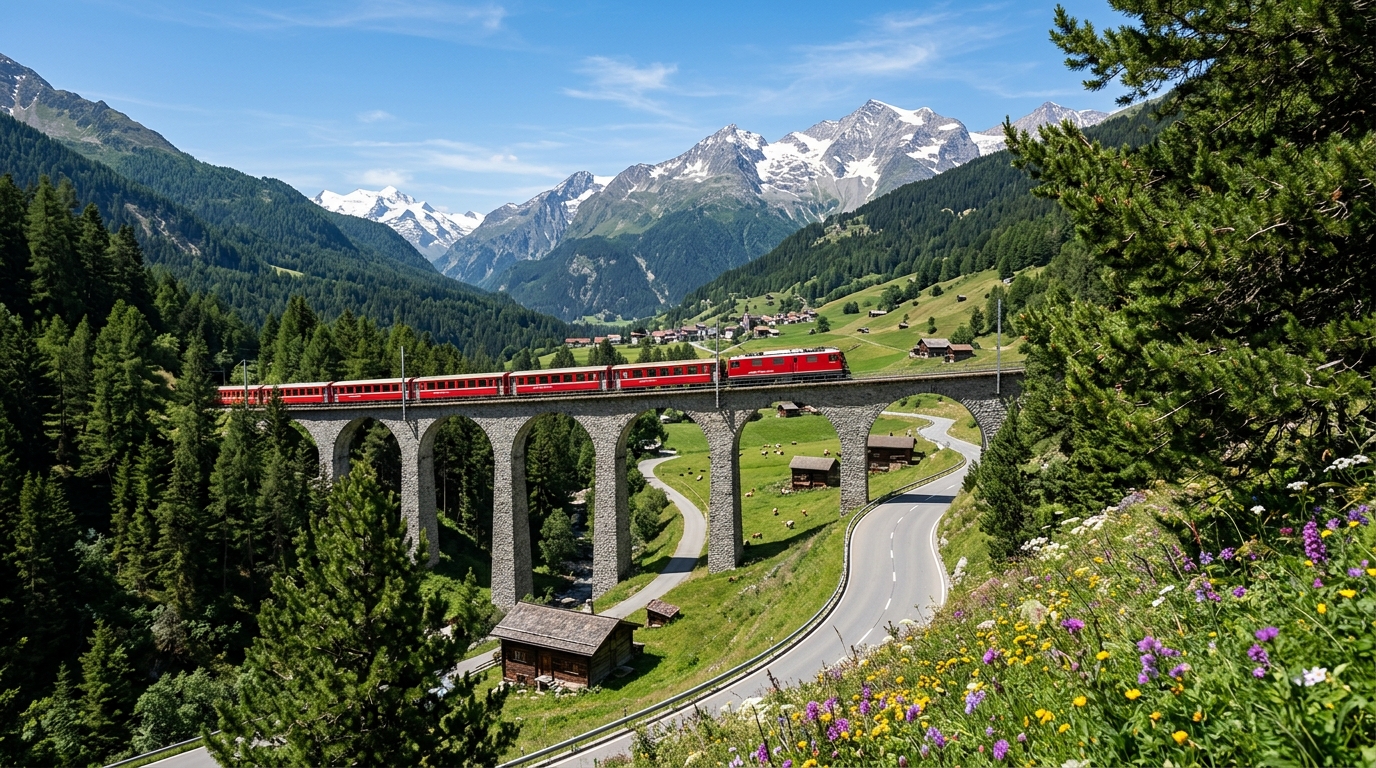
Selecting the right destination is a vital step in how to make tour packages. Geographic proximity, visa accessibility and cultural affinity heavily influence where Indian travelers choose to spend their capital. Southeast Asian countries, such as Thailand and Vietnam, remain highly popular due to simplified visa processes and competitive pricing. Western Europe, particularly countries like Switzerland and France, continues to be a premium aspirational choice, especially for honeymooners and high-net-worth families.
A strategic tour planner must analyze where demand is growing. While traditional destinations maintain steady volume, emerging markets in Central Asia, such as Uzbekistan and Azerbaijan, are attracting budget-conscious travelers seeking unique experiences. Combining high-volume, short-haul regional destinations with high-margin, long-haul European packages is arguably the most sensible approach.
Step-by-Step Guide on How to Make Tour Packages
Structuring a high-quality travel itinerary is a systematic engineering process. This comprehensive guide on how to make tour packages breaks down the journey into five actionable, sequential steps:
- Define the Traveler Profile and Budget
- Research and Select Destinations
- Design the Core Day-by-Day Itinerary
- Secure Reliable Logistics and Transport
- Curate Accommodations and Experiences
Each step must be completed sequentially to prevent costly operational errors, booking conflicts or mismatches between traveler expectations and the final delivery.
Step 1: Define the Traveler Profile and Budget
A precise understanding of the target demographic is essential when determining how to make tour packages. Indeed, knowing the travelers’ direct requirements represents the first milestone of how to make tour packages that truly sell. Designers must establish a clear profile of the typical traveler before selecting hotels or planning flights. Defining the traveler profile immediately dictates the budget ceiling and the style of the components.
The budget must be realistic and inclusive of all hidden variables. A common error is calculating only direct hotel and flight costs. A robust costing sheet must capture all hidden expenses, including:
- Local and airport transfers
- Attraction entry tickets and local guide fees
- Regional, municipal, or tourist taxes
- Emergency buffer funds for unexpected itinerary adjustments
This step ensures that the final package price remains attractive to the consumer while preserving the necessary agency markup.
To design a high-performing itinerary, operators should evaluate several key variables during the profile stage:
- Primary age demographic and physical fitness level
- Dietary restrictions and preferences, particularly regarding vegetarian cuisine
- Preferred accommodation tier, such as boutique or luxury resort
- Expected pace of travel, ranging from highly active to relaxed leisure
Step 2: Research and Select Destinations
Conducting exhaustive research forms the fundamentals of how to make tour packages. This research must extend beyond popular tourist attractions to include local transit options, seasonal weather patterns and safety assessments. For instance, designing a beach holiday during the monsoon season in Southeast Asia can result in a catastrophic customer experience.
Planners must also evaluate the destination’s ease of access. Direct flight connectivity from major Indian metropolitan hubs like Delhi, Mumbai and Bengaluru significantly increases a package’s appeal. When direct flights are unavailable, layover times must be carefully analyzed to avoid exhausting passengers. Travel operators should also cross-reference destination selections with the company’s internal international tour planning resources to secure preferred wholesale rates.
Step 3: Design the Core Day-by-Day Itinerary
Creating the day-by-day schedule is a vital component of how to make tour packages. A balanced itinerary must alternate between structured sightseeing and leisure time. Overloading the itinerary with too many activities is a classic beginner mistake. It results in travel fatigue and negative customer reviews.
A standard day-by-day structure should follow a logical geographical path. For example, if designing a multi-city European tour, the itinerary must move sequentially from one city to the next nearest city, rather than zigzagging across countries. Daily travel times should ideally not exceed three to four hours of driving. Activities should be clustered by geographic proximity to reduce transit times and maximize the actual time spent enjoying the attractions.
Step 4: Secure Reliable Logistics and Transport
Managing transportation logistics is a core challenge in how to make tour packages. A single missed connection or unreliable local driver can ruin an entire vacation. Travel designers must establish contracts with verified Destination Management Companies (DMCs) or reputable local transport providers.
Logistics planning must account for all transit segments. This includes airport arrivals, intercity transfers, daily sightseeing travel and hotel departures. For domestic travel, utilizing high-quality local vehicles or premium train services, such as the Vande Bharat Express, can elevate the passenger experience. For international packages, clearly explaining the differences between private transfers and shared shuttle services prevents misunderstandings and ensures that travelers receive the exact level of comfort they paid for.
Step 5: Curate Accommodations and Experiences
Selecting the right combination of hotels and unique local experiences is the final touch in how to make tour packages. Accommodations must be chosen based on location, service standards and passenger demographics. For instance, business hotels are rarely suitable for leisure travelers, and remote luxury villas may not work for families needing immediate access to city centers.
Experiences should go beyond typical city tours. Operators should include unique, experiential activities that travelers cannot easily book themselves. This might involve a private cooking masterclass in Tuscany, a guided street-food walk in Bangkok, or a traditional house-boat stay in domestic packages across Kerala. These curated experiences justify the tour package’s pricing markup and help differentiate the product from generic online travel agency listings.
Crucial Regulatory and Practical Considerations
Developing reliable travel packages requires handling a complex environment of international laws, financial regulations and safety protocols. A successful product must be both enjoyable and legally compliant. Learning how to make tour packages that are secure and fully bonded is essential here. Ignoring the regulatory phase of how to make tour packages can lead to severe financial penalties or stranded clients. Planners must establish robust operating procedures to address these vital practical considerations.
Managing Visa and Entry Requirements
Understanding the intricacies of visa documentation is a critical skill when teaching team members how to make tour packages. Different destinations maintain highly variable entry requirements for Indian citizens, ranging from quick e-visas to comprehensive physical documentation and in-person biometric appointments.
| Destination Region | Visa Type for Indians | Average Processing Time | Required Documentation Checklist |
|---|---|---|---|
| Southeast Asia (e.g., Thailand, Vietnam) | E-Visa / Visa on Arrival | 1 to 3 business days | Passport (6 months validity), return flight tickets, hotel voucher |
| Central Asia (e.g., Azerbaijan, Uzbekistan) | E-Visa | 3 to 5 business days | Passport scan, passport-sized photograph, online fee payment |
| Schengen Zone (Western Europe) | Physical Sticker Visa | 15 to 45 calendar days | Schengen application form, travel insurance cover (>€30,000), 3-month bank statement, NOC/employment letter |
Planners must monitor visa processing timelines. For Schengen visas, appointments must often be booked months in advance. It is essential to communicate these timelines before accepting deposits. Travel packages must outline passport validity requirements (typically six months from return) and necessary vaccination mandates.
Acquiring Proper Travel Insurance
Integrating comprehensive insurance is a major step often ignored in tutorials on how to make tour packages. It protects both the traveler and the agency against unexpected medical emergencies, trip cancellations, lost baggage and flight delays.
While some countries make travel insurance mandatory, recommending it for all international itineraries is highly professional. The plan should cover medical evacuation, especially for remote destinations. Incorporating the insurance cost directly into the package pricing structure ensures that travelers are protected from sudden out-of-pocket expenses.
Handling Currency Exchange and Payments
Developing a reliable mechanism for foreign exchange is a strategic layer in how to make tour packages. Planners must understand the impact of currency fluctuations. Long-term supplier contracts should protect against sudden currency devaluations.
Also, compliance with financial laws is mandatory. In India, the Liberalised Remittance Scheme (LRS) governs outbound payments. Planners must account for Tax Collected at Source (TCS) on foreign travel bookings (which varies from 5% to 20%). Clear invoicing of these tax components builds client trust and ensures regulatory compliance.

Developing Group vs Independent Travel Packages
Deciding whether to build group tours or customized private itineraries is a fundamental strategic distinction when examining how to make tour packages. Each model caters to a distinct consumer segment, relies on different operational logistics and features unique financial risk profiles. Successful operators often run a hybrid model, utilizing the strengths of both approaches to maximize their market share.
Structuring FIT (Fully Independent Traveler) Packages
The demand for FIT packages has grown as travelers seek highly personalized journeys. Designing these custom structures is the core of how to make tour packages for solo travelers, couples and small groups. FIT itineraries offer complete flexibility, allowing clients to choose their travel dates, pace and activities.
But still, this flexibility requires highly detailed planning. Since FIT travelers do not travel with a guide, agencies must provide explicit travel vouchers, local emergency contacts and clear transition instructions. Relying on automated booking platforms helps agencies scale their FIT operations without increasing administrative overhead.
Structuring Group Inclusive Tours (GIT)
Group Inclusive Tours (GIT) represent a traditional yet highly profitable alternative approach in how to make tour packages. These packages rely on buying travel components in bulk, including airline block seats, group hotel bookings and shared motor coaches. This bulk purchasing power allows agencies to offer highly competitive pricing that is attractive to budget-conscious travelers.
Operating GIT packages requires managing group logistics carefully. A tour manager must accompany the group to handle check-ins, language barriers and schedule changes. While GIT packages offer lower customization, they provide a strong sense of security. The primary risk lies in failing to fill the minimum group quota, which can result in operating at a loss.
To help compare the two primary structures, the following table details the key operational differences between FIT and GIT models.
| Operational Metric | Fully Independent Traveler (FIT) | Group Inclusive Tour (GIT) |
|---|---|---|
| Customization Level | High (tailored to client) | Low (fixed schedule) |
| Cost per Passenger | Premium (higher rates) | Competitive (bulk rates) |
| Booking Lead Time | Flexible (on demand) | Structured (months in advance) |
| Agency Margin | High value markup | Volume-dependent fixed margin |
| Primary Demographics | Couples and solo travelers | Seniors and families |
Optimizing the Financial Blueprint of Your Package
The ultimate success of any travel package relies on sound financial management. An attractive itinerary is useless if it fails to generate a profit. Understanding the financial reality of how to make tour packages requires a detailed analysis of direct costs, indirect overhead, supplier payment terms and strategic markup structures. Travel agencies must use precise costing templates to maintain profitability across all products.
Direct and Indirect Cost Breakdown
Mastering the mathematics of how to make tour packages requires dividing all costs into direct and indirect categories. Direct costs are expenses tied directly to a specific booking, including flight tickets, hotel rooms, local guide fees and attraction entry tickets. These costs must be calculated on a per-passenger basis.
Indirect costs include agency marketing expenses, software subscription fees, credit card processing charges and employee salaries. While these expenses are not tied to a single trip, they must be covered by the markup on each package. Designers should calculate a baseline operational overhead percentage and build this directly into the final pricing structure. Ignoring these indirect costs is a primary reason why new travel businesses fail to achieve profitability.
Pricing Strategies and Margins
Developing an effective pricing strategy is the business side of how to make tour packages. Planners can choose between cost-plus pricing, where a fixed percentage markup is added to direct costs, or value-based pricing, where the price is set based on the perceived value of a unique, hard-to-replicate itinerary.
Wholesale negotiation is critical to maximizing margins. Establishing strong, long-term relationships with regional DMCs and hotel networks allows agencies to secure net rates that are significantly lower than public retail rates. This difference between the wholesale cost and the retail price represents the agency’s primary profit margin. Additionally, offering optional sightseeing tours and premium room upgrades allows agencies to generate extra revenue per passenger without increasing the base package price.
FAQs
This section answers some of the most frequently asked questions about how to make tour packages. These insights help operators refine their design processes, avoid costly mistakes and improve overall customer satisfaction.
What are the most common mistakes when designing travel itineraries?
One of the most frequent operational errors while mastering how to make tour packages is overcrowding the daily schedule. Trying to squeeze too many cities or attractions into a short trip leads to client exhaustion and poor reviews. Another major mistake is failing to verify seasonal closures of key attractions. Some mountain passes, historical sites or theme parks close for maintenance or during extreme weather. To prevent this, planners must confirm the seasonal availability of all activities with local suppliers before confirming any booking.
How can travelers reduce the overall cost of custom packages?
The most effective way to reduce costs when learning how to make tour packages is to travel during the shoulder season. This is the period between the peak and off-peak seasons, when flight and hotel prices drop significantly, but the weather remains pleasant. Additionally, replacing private vehicle transfers with high-speed trains or public shuttle systems where appropriate can lower costs. Choosing four-star boutique properties over large five-star luxury resort chains is another practical way to reduce expenses while maintaining excellent quality.
Is travel insurance mandatory for all international tour packages?
While travel insurance is not legally mandatory for every single country, incorporating it into the process of how to make tour packages is highly recommended. Several destinations require proof of valid medical travel insurance as a mandatory part of the visa application process. Even where it is not legally required, having comprehensive insurance is critical. It protects clients from high medical costs in foreign countries and covers emergency situations, protecting both the traveler and the agency from major financial liability.