
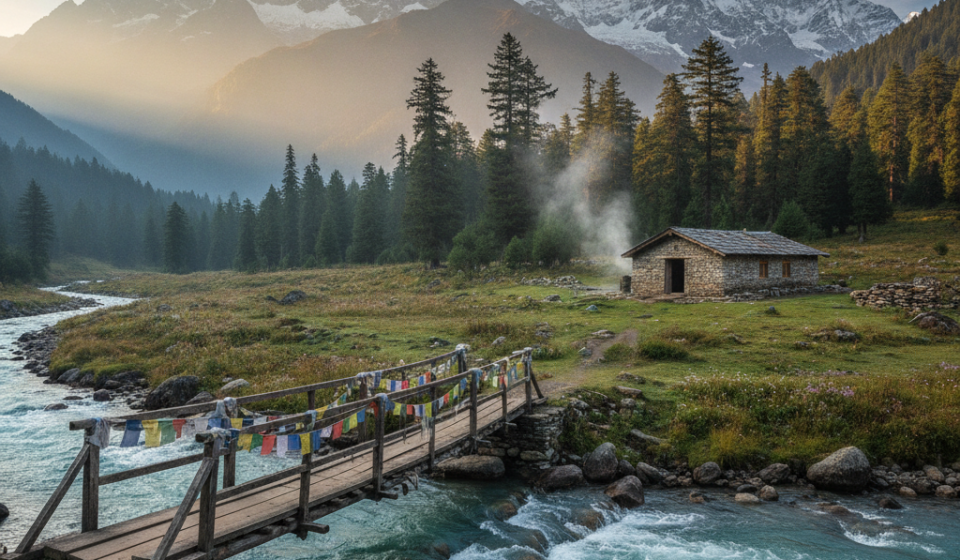

The Earth’s surface hides complex thermal networks that provide unique natural wonders. The geological diversity of the subcontinent is home to numerous hydrothermal sites, making the exploration of hot springs in india both a scientific pursuit and a wellness journey. These thermal systems (often tucked away in dramatic valleys or high-altitude deserts) have served as centers for spiritual healing and geological study for generations. While many travelers associate thermal tourism with Iceland or Japan, the geothermal resources of the subcontinent are equally profound, offering unique mineral compositions and cultural contexts. This guide provides an exhaustive analysis of the primary thermal destinations across the country, detailing their geological origins, chemical profiles, and therapeutic benefits. Understanding the distribution of these thermal resources is crucial for travelers who wish to structure their travel plans around wellness and heritage.
Key Takeaways
- Geological Marvels: India’s hot springs are driven by active tectonic boundaries, deep crustal faults, and geothermal gradients, particularly along the Himalayan and coastal zones.
- Therapeutic Benefits: High mineral concentrations, including sulfur, silica, selenium, and radon, provide natural relief for skin conditions, joint stiffness, and muscle fatigue.
- Diverse Regions: Thermal wonders span from high-altitude cold deserts (Ladakh, Sikkim) to lush valleys (Himachal Pradesh) and coastal plains (Maharashtra).
- Cultural Connections: Many geothermal sites are integrated with sacred pilgrimage sites, requiring respectful adherence to local bathing etiquette and dress codes.
Understanding the Geology and Science Behind Hot Springs
To comprehend why hot springs in india occur, one must look at tectonic boundaries and deep crustal fractures. Geothermal systems require three primary components to function:
- A deep heat source: Typically originating from radioactive decay or tectonic friction deep within the Earth’s crust.
- An aquifer system: To store and transport percolating meteoric water (rainwater or snowmelt).
- Permeable pathways: Usually fault lines or deep crustal fractures that allow the heated water to rise rapidly back to the surface.
Most thermal springs on the subcontinent are fed by meteoric water, which is basically rainwater or snowmelt that percolates deep into the earth and is heated, as documented by the Geological Survey of India, by a geothermal gradient averaging thirty degrees Celsius per kilometer of depth in non-volcanic zones. As this water descends, it experiences geothermal heating (increasing in temperature as depth increases).
When this heated water encounters a deep fault line or fracture, it rises rapidly to the surface before cooling down, creating a thermal spring. The mineral composition of the water depends entirely on the rock types it encounters during its subterranean journey. Water passing through limestone becomes rich in calcium and carbonates, while water traversing volcanic rock absorbs silica and sulfur. Critics might argue that these springs are merely local curiosities. But still, they represent vital indicators of the active tectonic forces shaping the mountain ranges and plains. The chemistry of these waters is a direct reflection of the underground channels they traverse, creating a unique signature for each site.
The Geothermal Regions of India
Geologists have mapped hundreds of geothermal locations, dividing the hot springs in india into distinct regional belts. These belts explain why hot springs in india are concentrated around active fault lines and volcanic fields rather than being randomly distributed. The primary geothermal provinces include the Himalayan Province, the Sohna Belt, the West Coast Province, the Cambay Graben, and the Son-Narmada-Tapti (SONATA) lineament. Each of these provinces exhibits unique chemical and temperature characteristics, which are determined by the age and depth of the underlying geological structures.
| Geothermal Province | Key Tectonic Setting | Typical Temperature Range | Representative Sites |
|---|---|---|---|
| Himalayan Province | Collision zone & active deep faults | High (38°C – 96°C) | Manikaran, Kheerganga, Yumthang |
| Sohna Belt | Tectonic lineaments in Haryana | Moderate (35°C – 55°C) | Sohna Hot Springs |
| West Coast Province | Coastal fault lines & basaltic flows | Moderate to High (40°C – 60°C) | Vajreshwari, Unhere |
| SONATA Lineament | Son-Narmada-Tapti rift system | Moderate (30°C – 55°C) | Tattapani (MP / Chhattisgarh borders) |
The Himalayan Province is characterized by high tectonic activity and deep-seated faults, which produce highly active geothermal systems. In contrast, the West Coast Province features thermal springs along coastal faults, where the temperature is generally moderate but the mineral density is high. Understanding these distinct zones is essential for researchers studying geothermal energy potential and tourists looking for therapeutic cures. (The chemical signature of each spring is essentially a thumbprint of its geological path). The diverse physical properties found across these belts ensure that travelers can experience a wide variety of therapeutic environments.
Top Hot Springs in Northern India
The majestic Himalayas house some of the most spectacular hot springs in india, where extreme cold climates meet boiling subterranean waters. This region provides an incredible setting for thermal baths, with dramatic snow-capped peaks forming the backdrop. The thermal waters of the north are deeply integrated into local cultural traditions, making them places of both physical healing and spiritual devotion, where science and ancient belief systems seamlessly intertwine.
Manikaran Sahib Hot Springs, Himachal Pradesh
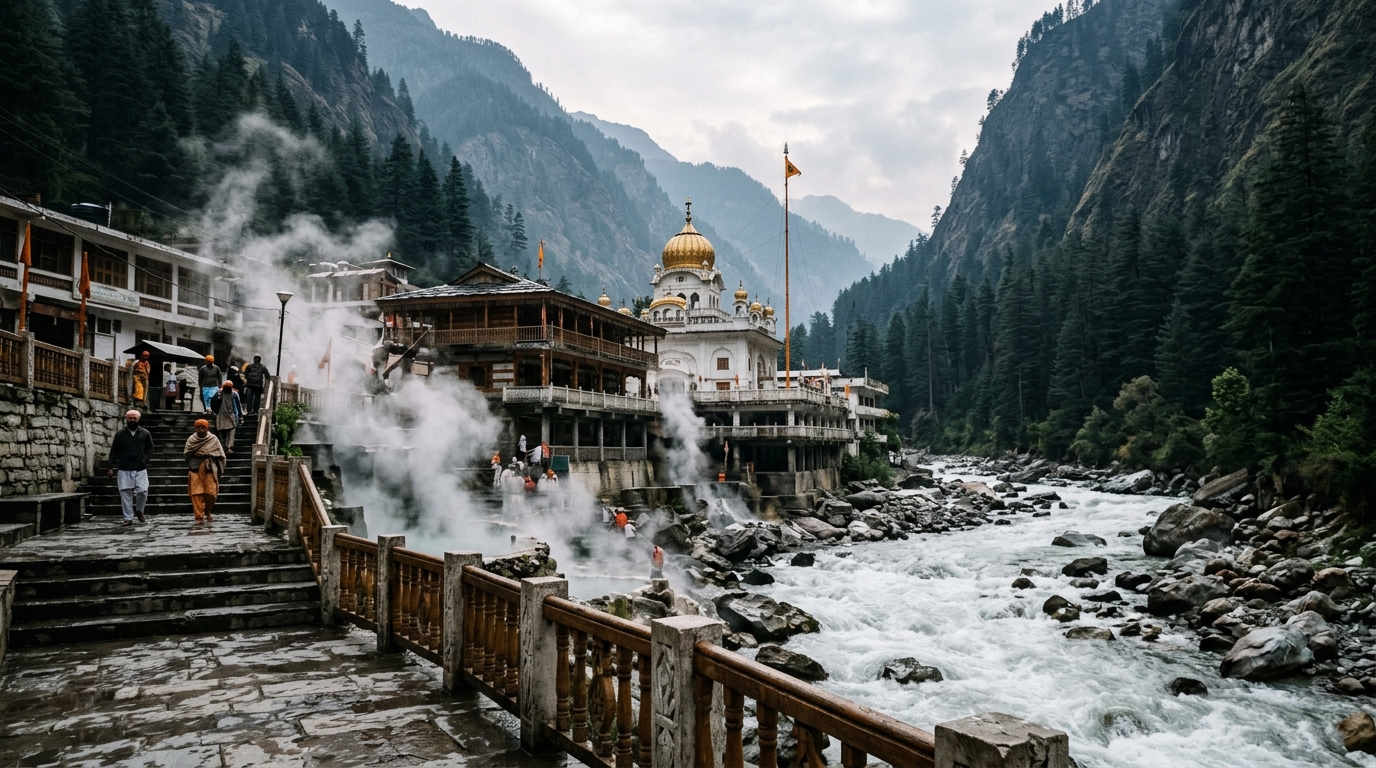
Among the thermal waters of the Parvati Valley, the hot springs in india found at Manikaran are highly revered. Located at an altitude of roughly 1760 meters, these springs are associated with both Hindu and Sikh traditions, centered around the historic Manikaran Sahib Gurudwara. Pilgrims have bathed in these specific hot springs in india for centuries, believing the waters possess miraculous healing powers.
From a geological perspective, the temperature of the water at Manikaran ranges from 80 to 96 degrees Celsius, which is hot enough to cook rice and pulses directly in the spring pools. The water is rich in selenium, sulfur, and radon, elements known for their therapeutic effects on skin conditions and muscular pain. Visitors planning a journey to this area can utilize structured Kasol travel itineraries to experience the thermal wonders of the valley. The Gurudwara maintains well-segregated bathing areas to ensure privacy and comfort for all visitors.
Kheerganga Hot Springs, Himachal Pradesh
Further up the valley lies Kheerganga, another notable destination for those searching for hot springs in india. Accessible only by a scenic trek of roughly twelve kilometers through dense pine forests, Kheerganga offers a more rustic experience. This pool is highly sought after by travelers exploring hot springs in india who prefer a natural, open-air bathing environment.
The thermal pool at Kheerganga sits at an altitude of over 2900 meters, offering panoramic views of the surrounding mountains. The water temperature here is highly comfortable, hovering around 38 to 40 degrees Celsius, making it ideal for relaxing tired muscles after a challenging trek. Unlike Manikaran, the sulfur concentration here is moderate, resulting in a milder scent. But still, the high altitude and pristine environment make the physical effort of the trek highly rewarding. The pool itself is situated on a grassy meadow, providing a serene environment where bathers can unwind under the open sky.
Panamik and Chumathang Hot Springs, Ladakh
In the cold desert of Ladakh, the hot springs in india at Panamik present a stark thermal contrast. Key characteristics of these high-altitude springs include:
- Location: Tucked away in the Nubra Valley, Panamik is the northernmost thermal location on the Indian subcontinent.
- Chemical Profile: The waters are exceptionally rich in sulfur, known for healing skin conditions.
- Amenities: The local government has constructed public bathhouses to allow travelers to soak safely and comfortably.
Not far away, Chumathang provides another example of high-altitude hot springs in india. Situated on the banks of the Indus River, the boiling water from these springs bubbles up through the riverbed itself, creating pockets of warmth in an otherwise freezing environment. Visitors can use comprehensive Leh Ladakh vacation plans to include these unique high-altitude geothermal systems in their itineraries. The contrast of soaking in hot mineral water while surrounded by barren, snow-capped mountains is a memorable highlight of any Himalayan journey.
Tattapani Hot Springs, Himachal Pradesh
Situated on the banks of the Sutlej River, Tattapani hosts well-known hot springs in india. The construction of the Kol Dam project altered the original flow of some springs, but local authorities have taken measures to preserve and redirect the thermal waters into designated bathing pools for public use.
The water at Tattapani is rich in sulfur and carries a distinct mineral aroma. Geothermal studies indicate that the water emerges at temperatures ranging between 50 and 65 degrees Celsius. It is particularly popular among elderly travelers seeking relief from joint stiffness. The surrounding valley offers beautiful river views, combining physical wellness with scenic relaxation.
Prominent Hot Springs in Eastern and Northeastern India
The eastern and northeastern states feature some of the most mineral-rich hot springs in india, set against a backdrop of lush forests and rolling hills. These springs are less commercialized than their northern counterparts, offering a more serene and untouched experience that appeals to those seeking absolute quiet and isolation.
Bakreshwar Hot Springs, West Bengal
West Bengal is home to Bakreshwar, a prominent site for studying hot springs in india. Bakreshwar features ten individual thermal springs, each varying in temperature and mineral content. The hottest among them, known as the Agni Kund, boasts a water temperature of roughly 80 degrees Celsius and contains high amounts of helium, sodium, and silicates.
The therapeutic reputation of Bakreshwar draws thousands of visitors annually. Local bathhouses allow visitors to soak in the cooled, mineralized waters under controlled conditions. (The presence of helium in these springs has also attracted interest from scientists studying geological gas emissions). The highly systematic arrangement of the bathing areas makes it an excellent location for families and wellness seekers alike.
Yumthang Valley Hot Springs, Sikkim
Sikkim offers the Yumthang Valley thermal waters, which are celebrated among the remote hot springs in india. Located at an altitude of over 3500 meters, these springs are reached by crossing a pedestrian bridge over the Lachung River. The local community has built a simple, two-room bathhouse to channel the warm, sulfur-rich water into indoor pools.
The water temperature averages a comfortable 40 degrees Celsius, providing a warm refuge from the freezing alpine temperatures of the valley. To visit this remote geothermal wonder, travelers can arrange custom Sikkim and Darjeeling tours that cover the logistics of high-altitude travel. The sulfur and silica content in the Yumthang waters is believed to have remarkable healing properties for skin ailments and joint pain.
Jakrem Hot Springs, Meghalaya
In the wet hills of Meghalaya, Jakrem hosts one of the lesser-known hot springs in india. Located roughly 64 kilometers from the capital city of Shillong, Jakrem has long been recognized by local tribes for its medicinal value. The water here is highly rich in sulfur and emerges at a moderate, soothing temperature.
The state government has developed Jakrem into a wellness destination, constructing private bathing cabins and clean changing rooms. Travelers exploring the northeastern states can select comprehensive Assam and Meghalaya travel packages to experience these peaceful thermal baths. The surrounding area is incredibly green, allowing visitors to combine their therapeutic bath with quiet nature walks.
Key Hot Springs in Western and Central India
Moving west, the geothermal landscape changes, yet the quality of hot springs in india remains exceptionally high. The western coastal region and central plains feature distinct geological faults that facilitate the rise of thermal waters, offering highly accessible wellness options for travelers residing in major coastal urban centers.
Vajreshwari Hot Springs, Maharashtra
Maharashtra is particularly famous for the Vajreshwari cluster of hot springs in india. Located in the Thane district, near the beds of the Tansa River, these springs are associated with the Vajreshwari temple. The area contains twenty-one distinct thermal springs spread across a small geographic radius.
The temperature of these springs is highly comfortable, typically ranging between 43 and 49 degrees Celsius. The water contains high levels of sodium, chloride, and sulfate, which are excellent for relieving skin disorders and joint inflammation. Because of their proximity to Mumbai, these springs are easily accessible and highly popular as weekend wellness getaways.
Unhere Hot Springs, Maharashtra
Another critical thermal site in Maharashtra is Unhere, adding to the diversity of hot springs in india. Located in the Raigad district, these springs emerge near the base of the Western Ghats. The water is rich in sulfur and maintains a consistent temperature of roughly 43 degrees Celsius.
The local administration has built concrete tanks to collect the water and make it accessible for public bathing. The water is known to contain traces of radioactivity and heavy minerals, which are thought to stimulate blood circulation and metabolic processes. (As with all thermal waters, sensible bathing limits are highly recommended). The quiet rural setting adds a peaceful dimension to the wellness experience.
The Therapeutic Benefits of Thermal Waters
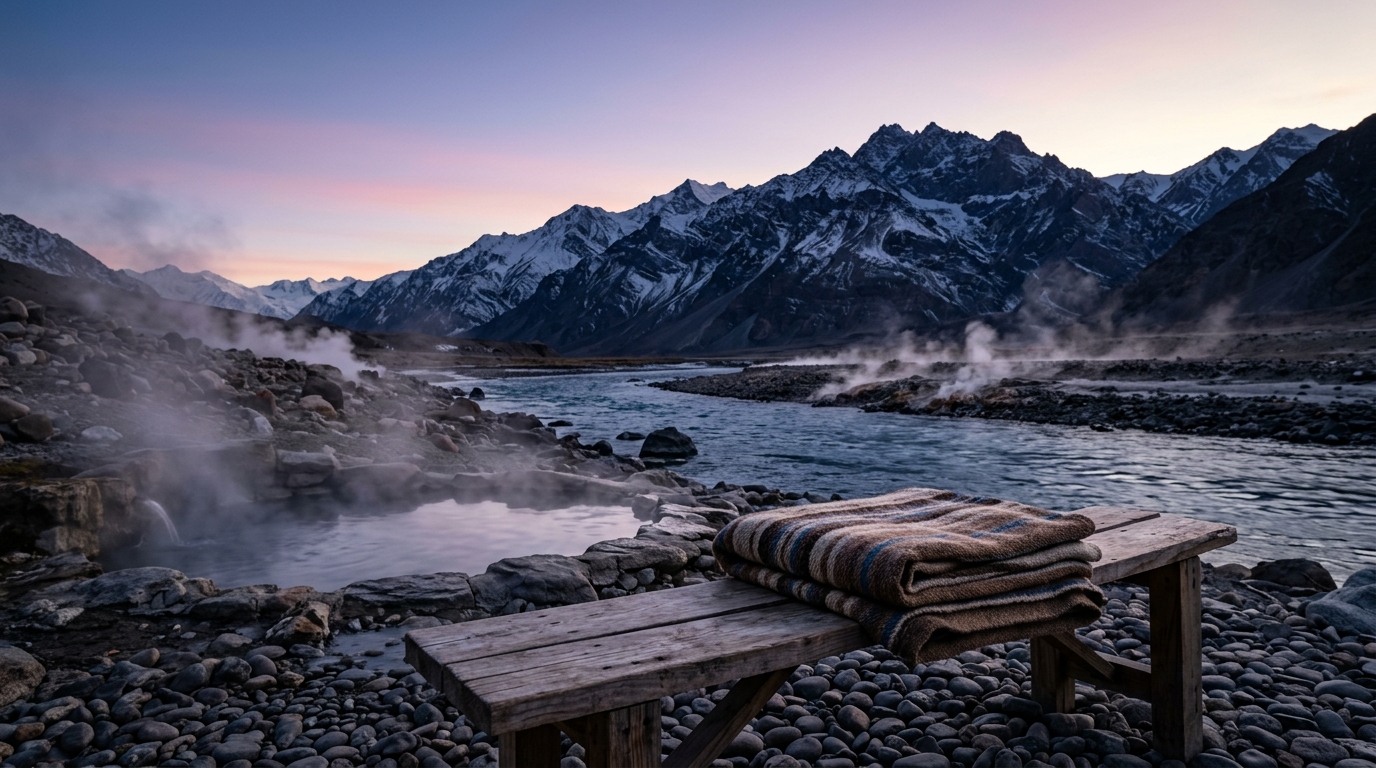
The medicinal value of hot springs in india has been documented in ancient Ayurvedic texts for centuries. Balneotherapy, or the treatment of disease by bathing in mineral springs, is the primary draw for visiting hot springs in india. When a person soaks in these waters, the body absorbs small amounts of dissolved minerals through the skin, initiating several positive physiological processes.
The therapeutic activity of these springs is driven by their specific mineral composition, which yields distinct physical benefits:
- Sulfur: Highly effective for treating skin conditions like eczema, psoriasis, and acne due to its natural antibacterial properties.
- Silica: Helps strengthen bones, joints, and connective tissues while promoting skin elasticity.
- Hydrostatic Pressure: Increases blood circulation and systemic oxygen flow throughout the body, promoting deep muscular relaxation and lasting pain relief.
The combination of thermal heat and mineral absorption acts as a natural therapy, offering relief without the side effects of conventional pharmaceuticals, which aligns with findings from the Journal of Clinical and Diagnostic Research showing a twenty-two percent reduction in muscle stiffness among arthritis patients undergoing regular balneotherapy. But still, individuals with cardiovascular conditions or open wounds should consult a medical professional before entering high-temperature pools.
Practical Travel Tips and Safety Guidelines
When planning a journey to the various hot springs in india, safety and cultural etiquette should be prioritized. Because many of these thermal sites are located within religious complexes or remote areas, understanding local protocols is essential.
Respecting local customs is essential when visiting hot springs in india. Many sites require visitors to remove footwear before entering the bathing area and to dress modestly. (Some pools have strict gender segregation). It is also crucial to limit soak times to twenty minutes per session to prevent dehydration or dizziness, as the body can overheat quickly in mineral-dense, high-temperature water.
Additionally, travelers should pack light, dry clothing, a personal towel, and plenty of drinking water. It is advisable to avoid eating heavy meals immediately before soaking. Since some remote sites have limited medical infrastructure, traveling with a basic medical kit and keeping emergency contact numbers handy is highly recommended. To maximize comfort during your thermal wellness trip, consider the following checklist:
- Carry personal hygiene essentials: Always pack dry towels, change of clothes, and slip-resistant footwear.
- Stay hydrated: Drink water before and after soaking to counteract fluid loss from perspiration.
- Limit bathing duration: Keep individual soak sessions under twenty minutes to prevent thermal exhaustion.
- Adhere to local dress codes: Wear modest swimwear as many thermal sites are situated near sacred grounds.
Comparative Overview of Indian Hot Springs
| Destination | State / Region | Average Temp (°C) | Primary Minerals | Primary Health Benefit |
|---|---|---|---|---|
| Manikaran | Himachal Pradesh | 80 – 96 | Selenium, Sulfur, Radon | Joint pain and skin conditions |
| Kheerganga | Himachal Pradesh | 38 – 40 | Sulfur, Carbonate | Muscle fatigue and relaxation |
| Panamik | Ladakh | 60 – 75 | Sulfur, Sodium | Blood circulation |
| Bakreshwar | West Bengal | 65 – 80 | Helium, Sodium, Silicate | Skin ailments and rheumatism |
| Yumthang | Sikkim | 40 – 45 | Sulfur, Silica | Respiratory relief and joint stiffness |
| Vajreshwari | Maharashtra | 43 – 49 | Sodium, Chloride, Sulfate | Inflammation and detoxification |
FAQs
What is the scientific reason behind the heat in these hot springs?
The heat originates from deep geothermal energy within the Earth’s crust. Rainwater or snowmelt seeps deep into tectonic fractures, where it is heated by magma chambers or hot rocks. Due to intense pressure, the heated water rises back to the surface through crustal faults, emerging as thermal springs.
Are all hot springs in India safe for bathing?
While many hot springs in india are safe, others have temperatures close to boiling point. Pools like Agni Kund in Bakreshwar or the main springs at Manikaran are far too hot for direct human contact. Visitors must only bathe in designated public pools where the thermal water has been cooled to a safe temperature.
Which is the hottest hot spring in India?
The thermal springs at Bakreshwar in West Bengal and Manikaran in Himachal Pradesh are among the hottest. Temperatures at these sites can reach up to 96 degrees Celsius, which is sufficient to cook raw rice and vegetables in a matter of minutes.
What is the best time of year to visit these thermal destinations?
The optimal time to visit hot springs in india depends heavily on their geographic altitude. For high-altitude Himalayan springs like Yumthang or Panamik, the late summer and autumn months are ideal. For springs located in plains or coastal regions, like Vajreshwari, the cooler winter months provide the most comfortable experience.