
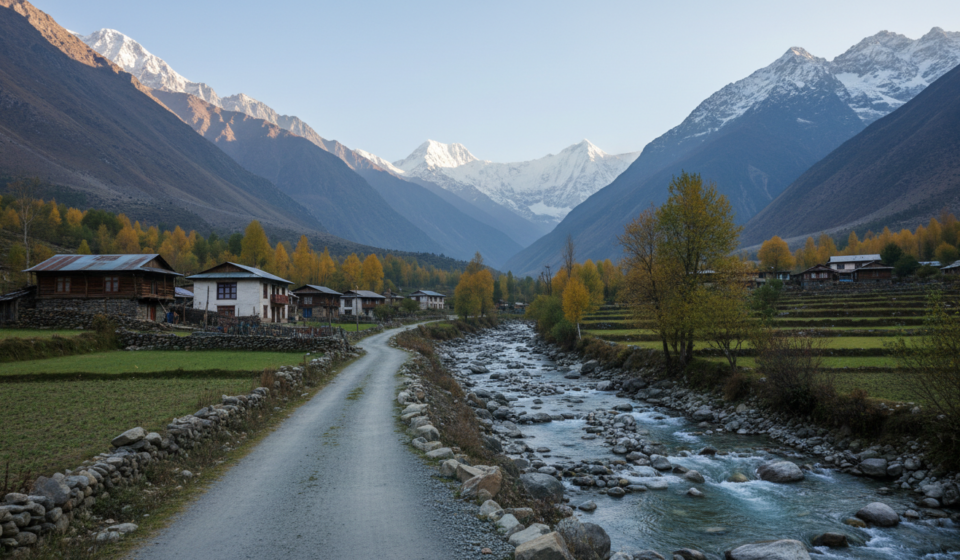

If you are tired of negotiating elbow-to-elbow crowds on Mall Roads in Shimla, Nainital, or Mussoorie, you are not alone. As popular hill stations and desert hubs become increasingly commercialized, finding peace requires looking beyond the standard tourist circuits.
Finding true **hidden places to visit in north india** requires looking beyond generic travel lists. It demands knowing which highway bypass to take, where digital payments stop working, and which mountain passes require physical permit copies. Whether you are a solo traveller seeking silence, a family looking for authentic homestays, or a couple searching for undisturbed mountain views, this guide covers 15 route-tested, offbeat destinations in North India—complete with real ground details, micro-transit instructions, and current budgeting facts.
—
15 Uncrowded & Hidden Places to Visit in North India
1. Gurez Valley, Jammu & Kashmir
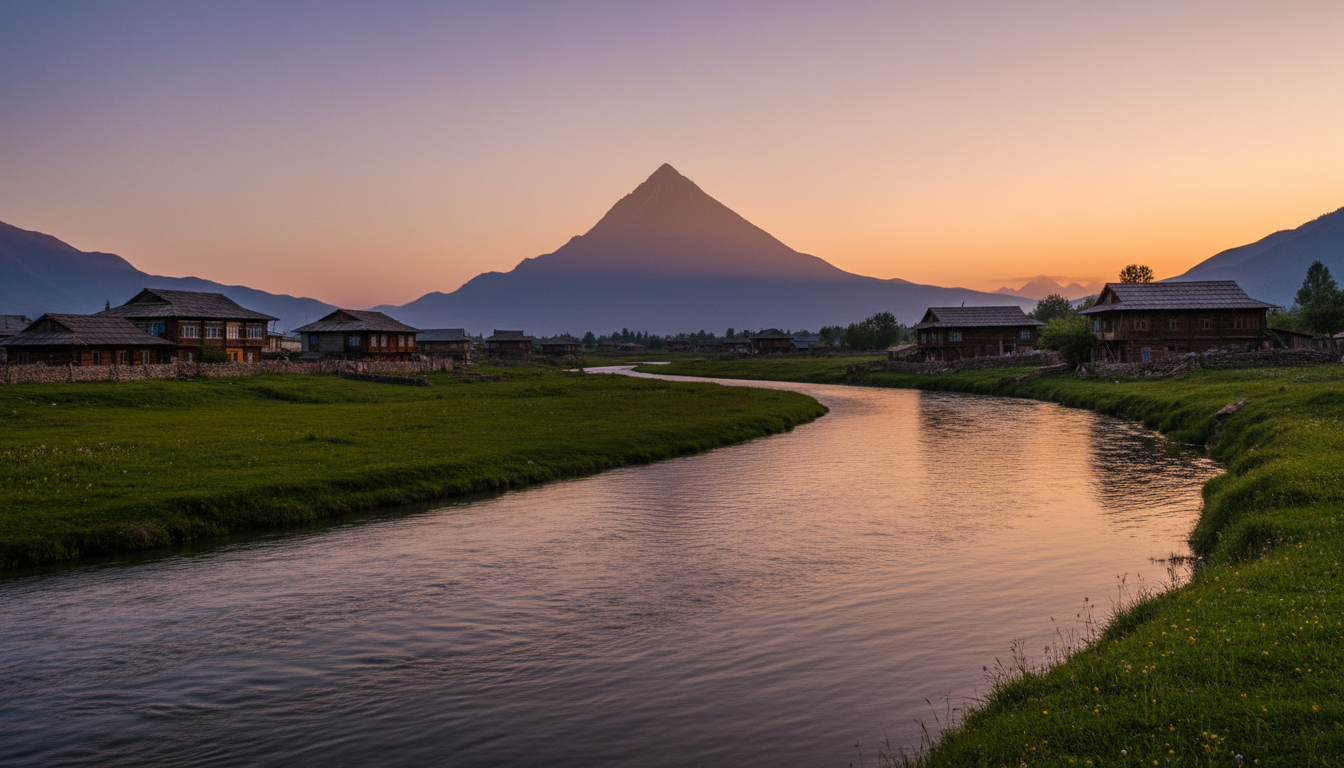
Located along the Line of Control in Bandipora district, Gurez Valley is one of Kashmir’s most serene and untouched high-altitude valleys. Guarded by the pyramid-shaped Habba Khatoon peak, the valley is defined by the flowing Kishanganga River, traditional wooden homes, and the distinct Shina tribal culture in towns like Dawar and Tulail.
- Best Time to Visit: Late May to October. The valley remains completely cut off from mid-December to April due to extreme snowfall on Razdan Pass.
- How to Reach: Fly to Srinagar International Airport (140 km away). From Srinagar, drive 6 to 7 hours via Bandipora and cross the Razdan Pass (11,672 ft). A high-clearance SUV is strongly recommended for the rough, unpaved mountain stretches.
- Estimated Budget: ₹2,500 – ₹4,500 per person per day. Local wooden homestays in Dawar charge around ₹1,200 – ₹2,000 per night, including home-cooked meals.
- Key Highlights: Watching the sunset over Habba Khatoon Peak, walking along the Kishanganga River, and exploring the remote border architecture of Tulail Valley.
- Permits & Foreigner Rules: Indian tourists must carry valid physical government photo IDs for army checkpoint registrations after Razdan Pass. Foreign nationals face strict entry restrictions and must obtain specific clearance from local administration in Srinagar before travelling.
- Ground Reality Warning: There are no fuel stations in Gurez Valley. Fill your fuel tank completely at Bandipora. Only postpaid mobile connections (BSNL and Airtel) function in Jammu & Kashmir.
2. Barot Valley, Himachal Pradesh
Hidden in Mandi district’s Chuhar Valley, Barot developed around the Uhl River and the historic Shanan Hydroelectric Project. Surrounded by evergreen deodar forests, it serves as a gateway to the Nargu Wildlife Sanctuary and remains a tranquil retreat for anglers and trekkers.
- Best Time to Visit: March to June and September to November. Avoid peak monsoon months (July–August) due to frequent landslide risks along narrow valley roads.
- How to Reach: Board an overnight HRTC bus from Delhi to Mandi (10–11 hours). Alight at Mandi and take a local bus or cab to Ghatasni on the Pathankot highway. At Ghatasni, switch to a local bus or shared jeep for the final 25 km winding descent into Barot. The nearest broad-gauge train station is Pathankot (114 km).
- Estimated Budget: ₹1,000 – ₹2,500 per person per day. Basic village homestays start at ₹800 – ₹1,200 per night.
- Key Highlights: Fresh Himalayan trout dining, visiting the Government Trout Farm, walking along the Uhl riverbanks, and hiking the trail towards Winch Camp (8,000 ft).
- Permits: No permits required for domestic or international tourists.
- Ground Reality Warning: Note that the heritage funicular trolley to Winch Camp is currently non-operational for passengers; the path is now strictly an uphill trekking trail. There are no functional ATMs in Barot town—carry adequate cash from Mandi or Joginder Nagar.
3. Munsiyari, Uttarakhand
Perched in the Kumaon hills of Pithoragarh district, Munsiyari translates to “a place with snow.” It offers an unobstructed, up-close view of the famous Panchachuli peaks (ranging from 6,334m to 6,904m) right from village balconies.
- Best Time to Visit: March to June for pleasant weather and alpine blooms, or October to February for clear snow-capped Himalayan views.
- How to Reach: Take a train to Kathgodam Railway Station (275 km away). From Kathgodam, drive 9 to 10 hours via Almora, Bageshwar, and Thal. Due to the high mountain route over Kalamuni Pass, plan an overnight halt at Almora or Chaukori rather than driving in a single stretch.
- Estimated Budget: ₹1,500 – ₹3,000 per person per day. Family-run homestays with peak views cost ₹800 – ₹1,500 per night.
- Key Highlights: Day trek to Khaliya Top (11,500 ft) for 360-degree Himalayan vistas, visiting Birthi Falls (126 m drop), and buying hand-woven sheep wool shawls in Darkot Village.
- Permits: No permits needed for Munsiyari town. Inner Line Permits (ILP) are required only if you plan to trek beyond Lilam towards the Indo-China border area near Milam Glacier.
- Ground Reality Warning: Kalamuni Top (15 km before Munsiyari) accumulates dangerous black ice during mid-winter. Strictly avoid driving over this pass after sunset. Check our month-by-month travel calendar for Indian states to time your trip according to seasonal road safety.
4. Turtuk, Ladakh
Situated in Nubra Valley along the banks of the Shyok River, Turtuk was under Pakistani control until 1971 and opened to domestic tourists in 2010. It offers a fascinating glimpse into Balti Muslim heritage, complete with stone-carved homes, apricot orchards, and distinct cultural traditions.
- Best Time to Visit: June to September.
- How to Reach: Fly to Leh (205 km). From Leh, drive 6 to 8 hours crossing Khardung La Pass, passing Diskit and Hunder along the Shyok River route.
- Estimated Budget: ₹2,000 – ₹4,000 per person per day. Village homestays including authentic Balti meals cost ₹1,200 – ₹2,200 per night.
- Key Highlights: Walking through stone-paved alleyways, visiting historical Balti heritage houses, seeing natural stone cold-storage units (Nangro), and visiting Thang (the last Indian village visible from the LoC).
- Permits: Domestic Indian tourists require the LAHDC Environment Fee receipt (₹400) and Wildlife Fee (₹20/day). Foreign nationals must possess a Protected Area Permit (PAP) issued by a registered travel agent in Leh.
- Ground Reality Warning: Only BSNL postpaid mobile network works intermittently. Digital payments, UPI, and card machines fail consistently; carry physical cash from Leh. If you are planning a broader circuit, refer to our detailed 7-day Leh Ladakh itinerary for route planning.
5. Hanle, Ladakh
Set on the high-altitude Changthang Plateau at an elevation of 14,764 feet (4,500 m), Hanle is home to India’s first official Dark Sky Reserve (HDSR) and the Indian Astronomical Observatory. Its vast landscape offers unmatched stargazing conditions, with clear views of the Milky Way, nebulae, and satellites.
- Best Time to Visit: May to October.
- How to Reach: Drive 255 km from Leh (6 to 7 hours) via Karu, Upshi, Chumathang, Loma Bridge, and Nyoma. Alternatively, it connects from Pangong Tso via the Tsaga La pass route.
- Estimated Budget: ₹2,500 – ₹5,000 per person per day. Basic village homestays with heating facilities and home meals cost ₹1,500 – ₹2,500 per night.
- Key Highlights: Stargazing in zero-light-pollution zones, seeing the 2-meter Chandra High Altitude Telescope at the observatory, and spotting wildlife like the Kiang (Tibetan Wild Ass) and Black-necked Cranes.
- Permits: Inner Line Permit (ILP) / LAHDC permit receipt is mandatory for Indian tourists. Foreign nationals require a Protected Area Permit (PAP). Permits are verified at the Loma Bridge security checkpost.
- Ground Reality Warning: High risk of Acute Mountain Sickness (AMS). You must acclimatize for at least two full nights in Leh (11,500 ft) before travelling to Hanle. Note that night entry inside the active observatory building is prohibited; stargazing takes place outside in designated Dark Sky zones.
6. Shangarh & Sainj Valley, Himachal Pradesh
Located within the buffer zone of the UNESCO-listed Great Himalayan National Park, Shangarh is famous for its vast, picturesque pine meadow surrounded by dense deodar forests and traditional timber architecture.

- Best Time to Visit: March to June and September to November.
- How to Reach: Take an overnight Delhi–Manali Volvo bus and get down at the Aut Tunnel bypass. From Aut, catch a local bus to Sainj town (30–40 mins). From Sainj, hire a local cab (₹500–₹1,000) or take the local HRTC bus that ascends the narrow 15 km road to Shangarh.
- Estimated Budget: ₹1,200 – ₹3,000 per person per day. Wooden homestays and community hostels range from ₹800 to ₹1,800 per night.
- Key Highlights: Relaxing on the Shangarh Pine Meadow, admiring the wooden architecture of the Shangchul Mahadev Temple, and hiking to Barshangarh Waterfall.
- Permits: No special permits required.
- Ground Reality Warning: Shangchul Mahadev Meadow is considered sacred ground. Walking with shoes on the meadow, consuming alcohol, smoking, or pitching individual tents directly on the central grass is strictly prohibited by local village laws.
7. Peora, Uttarakhand
Tucked away between Nainital and Almora at an elevation of 6,600 feet, Peora is a quiet Kumaoni village surrounded by fruit orchards and pine forests. It offers sweeping views of major Himalayan peaks without the commercial commercialization of nearby Nainital.
- Best Time to Visit: March to June for orchard blooms and fresh fruit, or September to March for crisp mountain views.
- How to Reach: Take the Shatabdi Express from Delhi to Kathgodam Railway Station (77 km). From Kathgodam, hire a taxi to Peora (2.5 hours) via Bhowali and Ramgarh.
- Estimated Budget: ₹1,500 – ₹3,500 per person per day. Heritage homestays and eco-lodges cost ₹1,200 – ₹2,500 per night.
- Key Highlights: Panoramic views of Trishul and Nanda Devi, walking through plum, peach, and apple orchards, and seeing the historical 1905 British Inspection Bungalow.
- Permits: No permits needed.
- Ground Reality Warning: Peora has no commercial markets, bank ATMs, or standard standalone restaurants. Meals are prepared exclusively by your homestay hosts based on advance notice.
8. Kalpa & Chitkul, Kinnaur, Himachal Pradesh
Kalpa sits high above Rekong Peo overlooking the Sutlej River valley, directly facing the sacred Kinner Kailash peak. Further into the Baspa Valley lies Chitkul, recognized as the last inhabited Indian village near the Indo-Tibet border.
- Best Time to Visit: April to June and September to November.
- How to Reach: Take an HRTC bus or drive from Shimla to Rekong Peo (230 km, 8–9 hours). Kalpa is located 7 km uphill from Rekong Peo. Chitkul lies 60 km further into the Baspa Valley beyond Sangla.
- Estimated Budget: ₹1,500 – ₹3,500 per person per day. Traditional Kinnauri wood-and-stone homestays charge ₹1,000 – ₹2,200 per night.
- Key Highlights: Viewing the 79-foot natural rock Shivling of Kinner Kailash (6,050 m) from Kalpa, walking along the Baspa River in Chitkul, and visiting the wood-carved Mathi Temple.
- Permits: Indian nationals require no permits. Foreign nationals require an Inner Line Permit (ILP) only if travelling past Jangi towards Spiti Valley along the main highway.
- Ground Reality Warning: The road section around Taranda Dhank features narrow, carved-out cliff roads. Avoid driving this section late at night or during heavy rains.
9. Chaukori & Patal Bhuvaneshwar, Uttarakhand
Chaukori is a tranquil hill village in Pithoragarh district known for its tea gardens and views of the Nanda Devi crest line. Nearby lies Patal Bhuvaneshwar, a remarkable subterranean limestone cave shrine.
- Best Time to Visit: March to June and September to November.
- How to Reach: Take a train to Kathgodam Railway Station (180 km). From Kathgodam, drive 6 to 7 hours via Almora, Barechina, and Seraghat.
- Estimated Budget: ₹1,200 – ₹3,000 per person per day. KMVN tourist rest houses and private guesthouses cost ₹1,000 – ₹2,200 per night.
- Key Highlights: Strolling through tea gardens with views of Chaukhamba and Panchachuli, and exploring the 160-meter-long underground cave system at Patal Bhuvaneshwar.
- Permits: No permits required.
- Ground Reality Warning: Descending into the Patal Bhuvaneshwar cave involves climbing down a narrow 90-degree metal chain path underground. This cave walk is not recommended for individuals with claustrophobia, heart conditions, or limited mobility.
10. Chakrata, Uttarakhand
Located 88 km from Dehradun at an altitude of 7,000 feet, Chakrata is a quiet cantonment town surrounded by deodar forests. It offers impressive waterfalls, high-altitude meadows, and historical trails without commercial crowds.

- Best Time to Visit: March to June for pleasant outdoor weather, or October to February for winter snowfall.
- How to Reach: Drive 3 hours (88 km) from Dehradun Railway Station via Vikas Nagar and Kalsi.
- Estimated Budget: ₹1,500 – ₹3,200 per person per day. Cantonment guesthouses and eco-resorts range from ₹1,200 to ₹2,500 per night.
- Key Highlights: Visiting Tiger Falls (a 99-meter direct drop reached via a short forest walk), watching sunsets from Chilmiri Neck, and hiking through the dense forests of Deoban.
- Permits & Restricted Access: STRICT FOREIGNER RESTRICTION: Foreign nationals (except citizens of Nepal and Bhutan) are **strictly prohibited** from entering Chakrata without prior written permit clearance from the Ministry of Defence / Commandant 22 Force. Domestic Indian tourists face no entry restrictions.
- Ground Reality Warning: There are no functional petrol pumps inside Chakrata town. Refuel completely at Vikas Nagar or Dakpathar before starting the mountain climb.
11. Pangot, Uttarakhand
Located just 15 km beyond the busy streets of Nainital, Pangot lies within the Naina Devi Himalayan Bird Conservation Reserve. It offers peaceful oak and rhododendron forest trails inhabited by over 580 recorded bird species.
- Best Time to Visit: October to May (peak birdwatching season).
- How to Reach: Drive 50 km from Kathgodam Railway Station via Nainital town and Kilbury Road (approx. 2 hours).
- Estimated Budget: ₹1,800 – ₹4,000 per person per day. Eco-lodges and birding homestays cost ₹1,500 – ₹3,000 per night.
- Key Highlights: Birdwatching walks along Timla Pani and Kilbury trails (spotting Cheer Pheasants, Himalayan Griffons, and Woodpeckers), and peaceful forest hikes away from urban crowds.
- Permits: Nominal entry fee required at the conservation reserve checkpost.
- Ground Reality Warning: To experience Pangot’s peace, stay overnight in the village rather than taking a daytime trip from Nainital. Carry binoculars and sturdy walking shoes. For more winter ideas, browse our list of hidden destinations across India for winter.
12. Bundi, Rajasthan
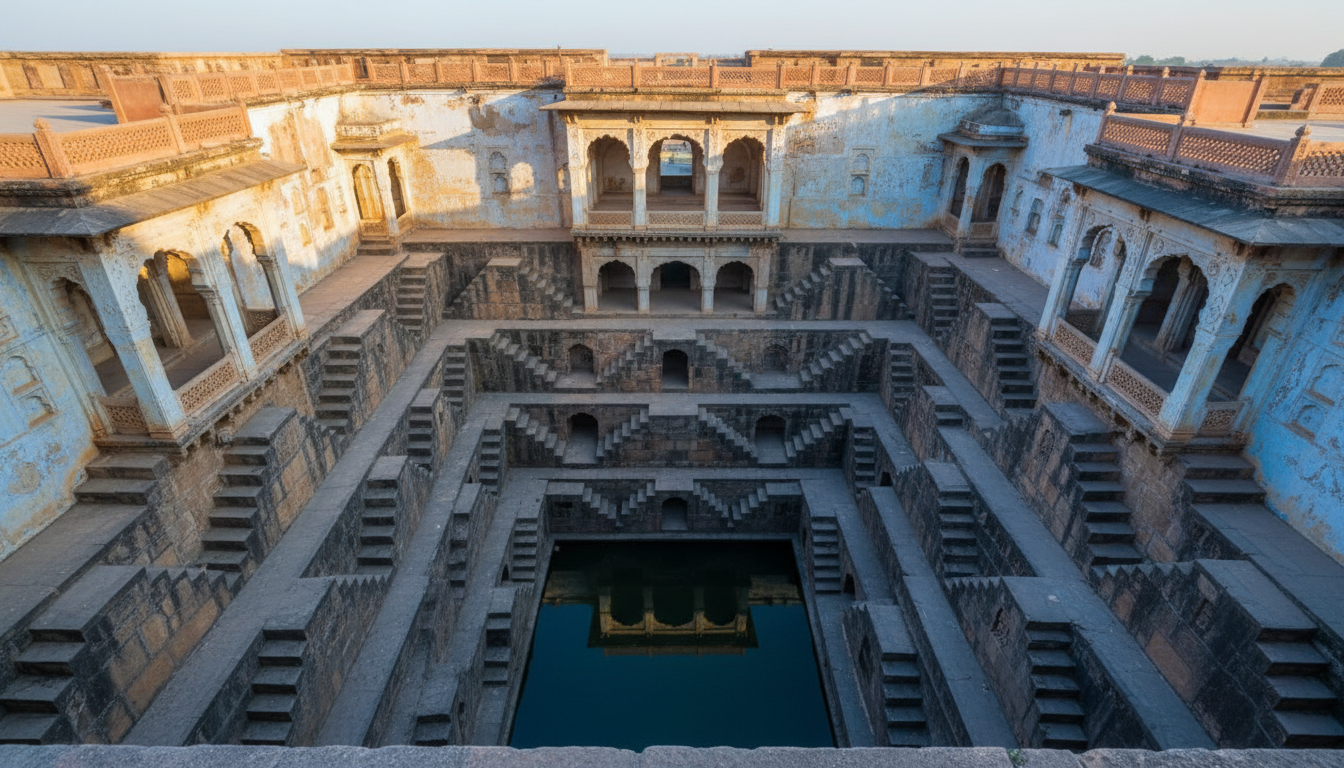
While Jaipur and Udaipur attract large numbers of tourists, Bundi remains an atmospheric, authentic town in Rajasthan’s Hadoti region. Famous for its stepwells, blue-painted houses, and weathered palaces, it offers rich historical exploration at a relaxed pace.
- Best Time to Visit: October to March.
- How to Reach: Take a train to Kota Junction (36 km away) or Bundi Railway Station. Alternatively, drive 3.5 hours (210 km) from Jaipur via NH52.
- Estimated Budget: ₹1,200 – ₹2,800 per person per day. Restored heritage havelis cost ₹1,000 – ₹2,000 per night.
- Key Highlights: Exploring the stepwells of Raniji ki Baori and Dabhai Kund, admiring the Chitrashala wall frescoes at Garh Palace, and exploring the hilltop Taragarh Fort.
- Permits: Entry tickets apply at Garh Palace and major stepwells.
- Ground Reality Warning: Bundi is best explored on foot or by autorickshaw. Avoid summer months (May–June), when daytime temperatures consistently exceed 42°C.
13. Mandawa & Shekhawati Region, Rajasthan
Mandawa serves as a cultural gateway to the Shekhawati region, often referred to as an “open-air art gallery.” The town is filled with 18th- and 19th-century merchant havelis covered in intricate wall frescoes depicting folklore, historical events, and mythology.
- Best Time to Visit: October to March.
- How to Reach: Drive 5 hours (260 km) from Delhi via Gurgaon and Narnaul, or 3 hours (170 km) from Jaipur. Nearby railheads include Jhunjhunu (30 km) and Churu (42 km).
- Estimated Budget: ₹1,500 – ₹3,500 per person per day. Restored frescoed haveli stays start at ₹1,200 – ₹2,800 per night.
- Key Highlights: Walking tours past Murmuria Haveli, Chokhani Double Haveli, and Goenka Double Haveli, and visiting neighbouring art-filled towns like Nawalgarh and Fatehpur.
- Permits: No municipal permits; individual havelis may charge a small entry fee (₹100–₹200) managed by local caretakers.
- Ground Reality Warning: Hiring a knowledgeable local guide helps you spot subtle artistic details on haveli walls that are easily overlooked. Consider adding Mandawa to a broader comprehensive Rajasthan road trip itinerary.
14. Dudhwa National Park & Katarniaghat, Uttar Pradesh
Stretching along the Indo-Nepal border in Lakhimpur Kheri and Bahraich districts, Dudhwa represents the natural Terai ecosystem. Its dense Sal forests and tall grasslands shelter tigers, single-horned rhinos, leopards, and swamp deer.
- Best Time to Visit: November 15 to June 15. (The park is closed during the monsoon season).
- How to Reach: Drive 5 to 6 hours (238 km) from Lucknow, or take a train to Shahjahanpur (115 km).
- Estimated Budget: ₹2,500 – ₹5,500 per person per day (including accommodation, meals, and safari expenses).
- Key Highlights: Open Jeep safaris through dense Sal forests, rhino tracking in the Sonaripur sanctuary zone, and boat safaris on the Girwa River in Katarniaghat to spot Gangetic dolphins and gharials.
- Permits: Safari bookings and entry permits must be secured in advance through the official Uttar Pradesh Forest Department portal.
- Ground Reality Warning: Morning safaris in December and January frequently experience dense Terai fog, which limits visibility before 9:00 AM. February to April offers optimal conditions for wildlife sightings.
15. Rawla Narlai & Khimsar, Rajasthan
Situated between Udaipur and Jodhpur, Rawla Narlai is a 16th-century heritage village set beneath a 350-foot granite monolith rock. Nearby Khimsar offers secluded sand dunes along the edge of the Thar Desert, far removed from crowded commercial camps.
- Best Time to Visit: October to March.
- How to Reach: Drive 2 hours from Udaipur or Jodhpur to reach Narlai. Falna Railway Station (45 km) is the closest railhead for Narlai; Jodhpur Junction (130 km) serves Khimsar.
- Estimated Budget: ₹3,000 – ₹7,000 per person per day for heritage retreats and boutique desert stays.
- Key Highlights: Climbing Narlai’s Elephant Rock at sunrise, experiencing traditional stepwell dinners lit by oil lamps, and observing wild blackbucks at the Panchla Conservation Reserve near Khimsar.
- Permits: No special permits required.
- Ground Reality Warning: The stone steps leading up Elephant Rock in Narlai are steep; climb early in the morning to avoid the afternoon sun.
—
Hidden Places to Visit in North India Comparison
| Destination | State / Region | Ideal Duration | Estimated Daily Budget | Best Months |
|---|---|---|---|---|
| Gurez Valley | Jammu & Kashmir | 3–4 Days | ₹2,500 – ₹4,500 | May to October |
| Barot Valley | Himachal Pradesh | 2–3 Days | ₹1,000 – ₹2,500 | March–June, Sept–Nov |
| Munsiyari | Uttarakhand | 3–4 Days | ₹1,500 – ₹3,000 | March–June, Oct–Feb |
| Turtuk | Ladakh | 2 Days | ₹2,000 – ₹4,000 | June to September |
| Hanle | Ladakh | 2 Days | ₹2,500 – ₹5,000 | May to October |
| Shangarh | Himachal Pradesh | 2–3 Days | ₹1,200 – ₹3,000 | March–June, Sept–Nov |
| Peora | Uttarakhand | 2–3 Days | ₹1,500 – ₹3,500 | March–June, Sept–March |
| Kalpa & Chitkul | Himachal Pradesh | 4–5 Days | ₹1,500 – ₹3,500 | April–June, Sept–Nov |
| Chaukori | Uttarakhand | 2–3 Days | ₹1,200 – ₹3,000 | March–June, Sept–Nov |
| Chakrata | Uttarakhand | 2–3 Days | ₹1,500 – ₹3,200 | March–June, Oct–Feb |
| Pangot | Uttarakhand | 2 Days | ₹1,800 – ₹4,000 | October to May |
| Bundi | Rajasthan | 2 Days | ₹1,200 – ₹2,800 | October to March |
| Mandawa | Rajasthan | 2 Days | ₹1,500 – ₹3,500 | October to March |
| Dudhwa | Uttar Pradesh | 2–3 Days | ₹2,500 – ₹5,500 | Nov 15 to June 15 |
| Rawla Narlai | Rajasthan | 2 Days | ₹3,000 – ₹7,000 | October to March |
—
Common Mistakes to Avoid When Planning Offbeat North India Trips
- Overestimating Driving Speeds on Mountain Routes: A 200 km drive on mountain roads in Kumaon or Kinnaur often takes 8 to 10 hours. Plan realistic driving legs and avoid night driving over high passes.
- Relying Exclusively on Digital Payments: In remote valleys like Turtuk, Hanle, Barot, or Shangarh, mobile networks and UPI services frequently drop. Always carry sufficient physical cash.
- Choosing Low-Clearance Vehicles for Rough Terrain: Driving city sedans on unpaved village roads (such as the ascent to Shangarh or the Razdan Pass road) can damage your vehicle’s underbody. Use high-clearance SUVs or hire experienced local drivers.
- Skipping Acclimatization Days: Traveling directly to high-altitude destinations like Hanle (14,764 ft) without resting in Leh increases the risk of Acute Mountain Sickness (AMS). Allow at least two days for gradual acclimatization.
- Overlooking Local Customs and Sacred Sites: Respect regional guidelines, such as keeping shoes off sacred meadows like Shangarh or following entry regulations in quiet village communities.
—
How TravelDham Helps You Plan Offbeat Routes
Organizing trips off the mainstream grid requires reliable logistics. At TravelDham, we help you plan seamless travel across North India’s hidden locations:
- Customized Road Itineraries: Tailored multi-stop routes across Himachal, Uttarakhand, Ladakh, and Rajasthan designed around realistic travel times.
- Permit Assistance: On-ground help with Inner Line Permits (ILP), LAHDC fees, and border zone checkpost clearances.
- Verified Homestays: Bookings at family-run homestays and heritage properties offering home-cooked local meals.
- Reliable Vehicles: High-clearance SUV rentals driven by experienced mountain drivers familiar with local routes.
—
Frequently Asked Questions
Which offbeat place in North India is best for a quick 3-day trip from Delhi?
Pangot (a 7-hour drive), Chakrata (a 6-hour drive), and Shangarh / Sainj Valley (accessible via an overnight Volvo bus to the Aut Tunnel bypass) are ideal 3-day destinations from Delhi that offer quiet surroundings without excessive travel times.
Are offbeat destinations in North India safe for solo female travellers?
Yes. Destinations like Barot Valley, Shangarh, Peora, and Munsiyari have strong safety records due to close-knit community cultures and family-operated homestays where hosts offer attentive local support.
Can foreign nationals visit all hidden places in North India?
No. Foreign nationals are strictly restricted from entering Chakrata due to military cantonment regulations, and require Protected Area Permits (PAP) for high-altitude border zones like Gurez Valley, Hanle, and Turtuk.
What is the best time to visit offbeat places in Rajasthan like Bundi and Mandawa?
October to March offers comfortable daytime temperatures (18°C–25°C) ideal for heritage walking tours and exploring open-air frescoes. Summer months (May–June) should be avoided due to severe heat exceeding 42°C.