
Planning a trip to India’s most popular coastal destination requires more than just booking flights. A well-structured Goa itinerary serves as the primary tool to balance the intense energy of the north with the quiet charm of the south. Whether seeking historic colonial architecture, bustling night markets, or pristine stretches of sand, four days provide ample time to experience the distinct dual personality of this state. Success lies in focusing on specific regions each day to avoid spending the entire vacation in transit.
Key Takeaways for Your Goa Trip
- Ideal Duration: A 4-day trip is perfect to experience both the heritage of Central Goa and the distinct vibes of the North and South.
- Base Location: Stay in North Goa (Candolim or Anjuna) for nightlife and activities, or South Goa (Palolem or Majorda) for peace and relaxation.
- Best Mode of Transport: Renting a scooter or using app-based cabs provides the highest flexibility for daily sightseeing.
- Seasonal Timing: November to February offers optimal weather, while the shoulder months offer fewer crowds and better rates.
Understanding the Geography of Goa
The state divides itself into two primary districts: North Goa and South Goa. North Goa remains the hub for tourism, nightlife, water sports, and social gatherings. In contrast, South Goa maintains a slower pace, featuring secluded beaches and high-end resorts. Understanding this split is critical for any Goa itinerary.
| District | Key Vibe | Best Suited For |
|---|---|---|
| North Goa | Lively, social, fast-paced | Party lovers, shoppers, active travelers |
| South Goa | Calm, pristine, scenic | Couples, families, peace-seekers |
- North Goa: Ideal for travelers who prioritize social activity, markets, and diverse dining options. Popular spots include Calangute, Baga, and Anjuna.
- South Goa: Recommended for those seeking relaxation, privacy, and natural beauty. Notable areas include Palolem, Colva, and Agonda.
For a four-day visit, staying in one base is usually more efficient than moving hotels. If the goal is high energy, select a hotel in Candolim or Anjuna. If peace is the priority, look toward the resorts near Majorda or Palolem.
Day 1: The Historical Heart and Heritage
The first day is best spent exploring the cultural roots of the region. Start in Old Goa to visit the UNESCO World Heritage sites. The Basilica of Bom Jesus and the Se Cathedral showcase the intense colonial influence that shaped the area. These structures remain massive architectural feats, standing as remnants of the 16th century.
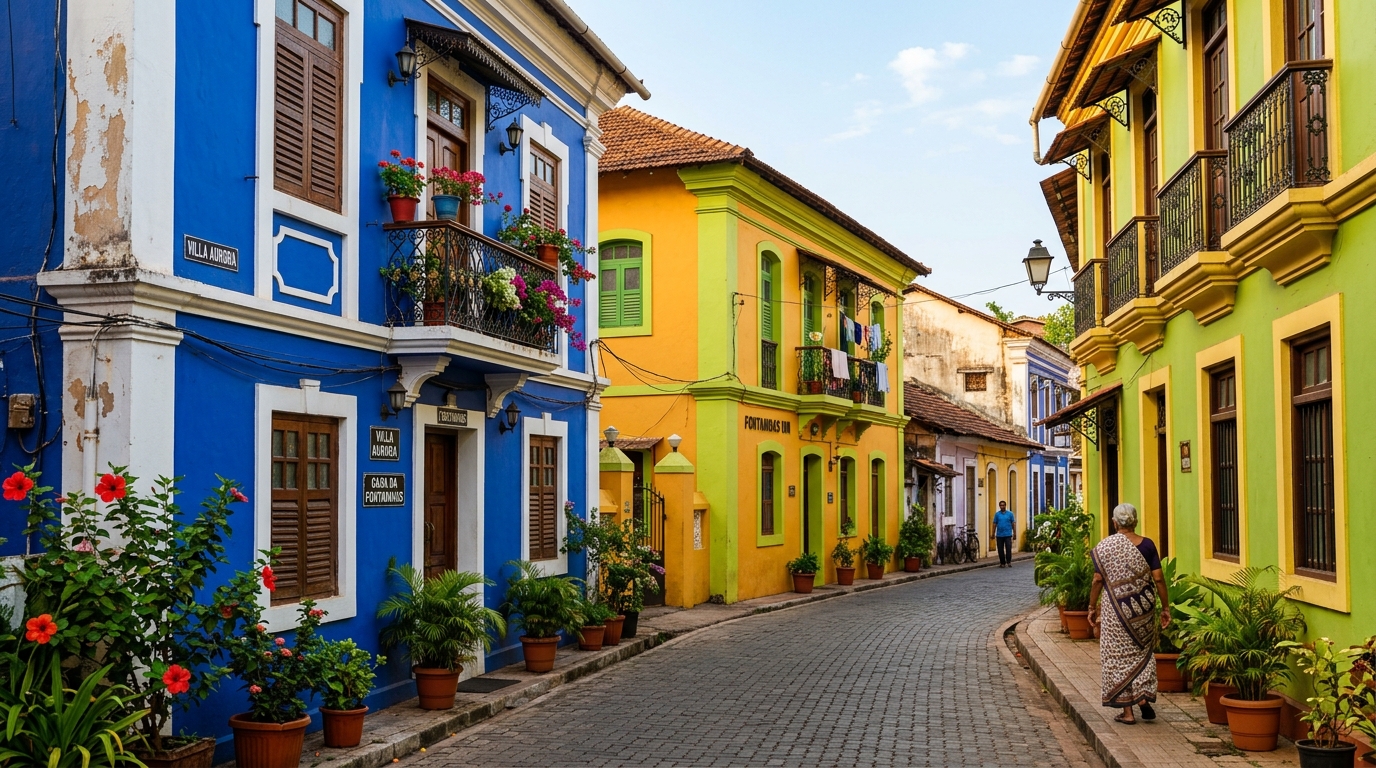
After a morning of history, move toward Panjim, the state capital. The Fontainhas district provides a sharp contrast to the monumental churches. Walking through these narrow lanes reveals brightly coloured houses influenced by Portuguese aesthetics. It is a photographer’s dream and a quiet escape from the coastal crowds.
| Location | Key Activity |
|---|---|
| Old Goa | Touring the Basilica of Bom Jesus |
| Fontainhas | Walking through the Latin Quarter |
| Panjim | Evening river cruise on the Mandovi |
Day 2: Coastal Vibrancy in North Goa
Transition to the coast for the second day. North Goa is famous for its lively beach culture. To make the most of your exploration, focus on these highlights:
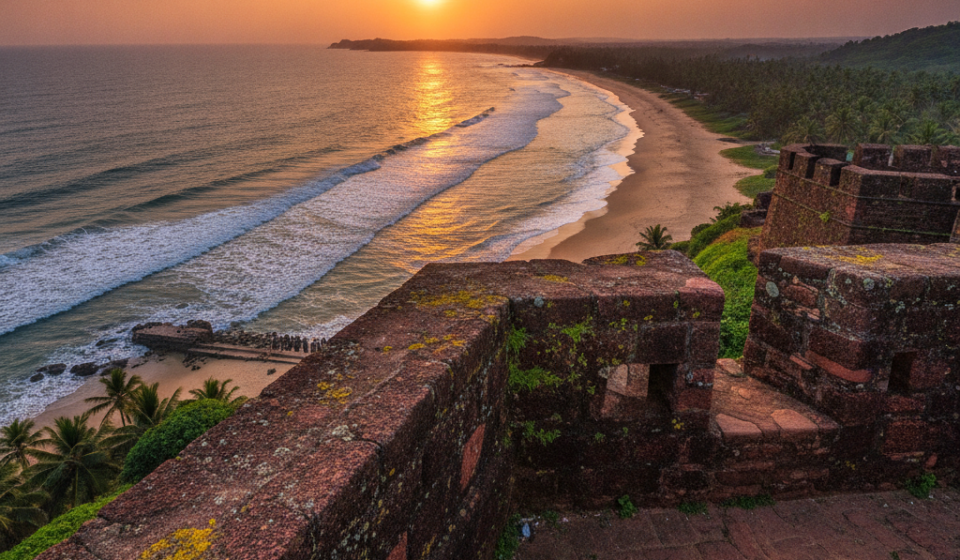
- Aguada Fort: Take in the panoramic views of the Arabian Sea from this iconic 17th-century fortification, which provides key context for the region’s maritime history.
- Anjuna or Vagator Beach: Spend the afternoon at these legendary coasts, which have evolved from bohemian hubs into centers for sophisticated beach clubs and curated dining.
- Chapora Fort: Head up here by late afternoon to witness one of the most magnificent sunsets in Goa, looking down over the sweeping Vagator coastline.
Day 3: Nature and Serenity in the South
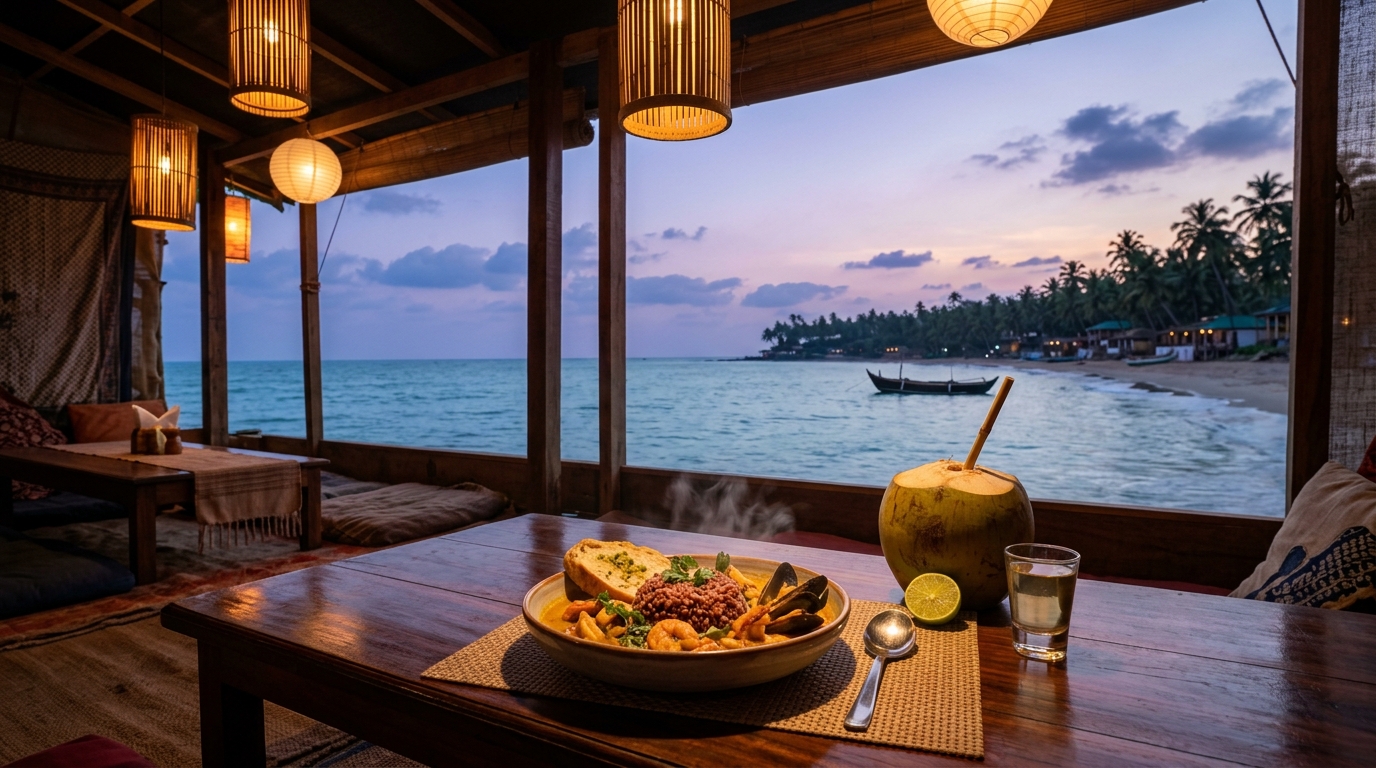
Dedicate the third day to the southern region. The shift in atmosphere is immediate as soon as one crosses the Zuari Bridge. Beaches here are wider, cleaner, and significantly less populated. Palolem Beach stands out as a prime destination for its crescent shape and calm waters, which are suitable for kayaking and swimming.
The southern beaches offer a tranquil alternative to the northern hubs, proving that luxury and isolation can coexist perfectly in a tropical setting.
Consider visiting a spice plantation near Ponda on the drive south. These estates provide guided tours that explain the cultivation of cardamom, cinnamon, and black pepper. It offers a sensory change from the salt air of the beaches and provides insight into the agricultural backbone of the local economy.
Day 4: Markets and Final Leisure
Use the final day for shopping and relaxation. Depending on the schedule, the local markets are essential stops. The Mapusa Market operates daily and offers a genuine look at local trade, from dried fish to colorful textiles and spices.
If the Goa itinerary falls during the weekend, the Anjuna Flea Market or the Saturday Night Market in Arpora becomes the centerpiece of the trip. These venues bring together global cuisine, live music, and eclectic shopping. They provide a high-energy conclusion before departure. Use the remaining hours to enjoy a long seafood lunch at a beach shack, reflecting on the mix of history, nature, and culture experienced over the previous days.
FAQs
What is the best time to visit?
The period between November and February offers the most pleasant weather, with clear skies and moderate temperatures. This is the peak season, so expect higher prices and larger crowds.
How should one travel around the state?
Renting a scooter or a car is the most flexible way to navigate the region. Taxis are available, though they operate on fixed zones rather than meters. App-based cab services now provide a more predictable pricing structure.
Are there dress codes for religious sites?
Yes. When visiting churches and temples, modesty is required. Ensure shoulders and knees are covered as a sign of respect, regardless of the heat.
Is Goa safe for solo travelers?
The state is generally safe and welcoming. Standard precautions apply, such as securing belongings and avoiding isolated beaches late at night. The tourism infrastructure is well-developed, making it easy to find assistance if needed.
For more detailed planning tools, visit our Goa Tour Packages page or explore our comprehensive Travel Tips for India guide to ensure your journey is seamless.