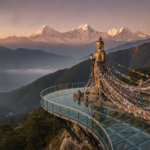
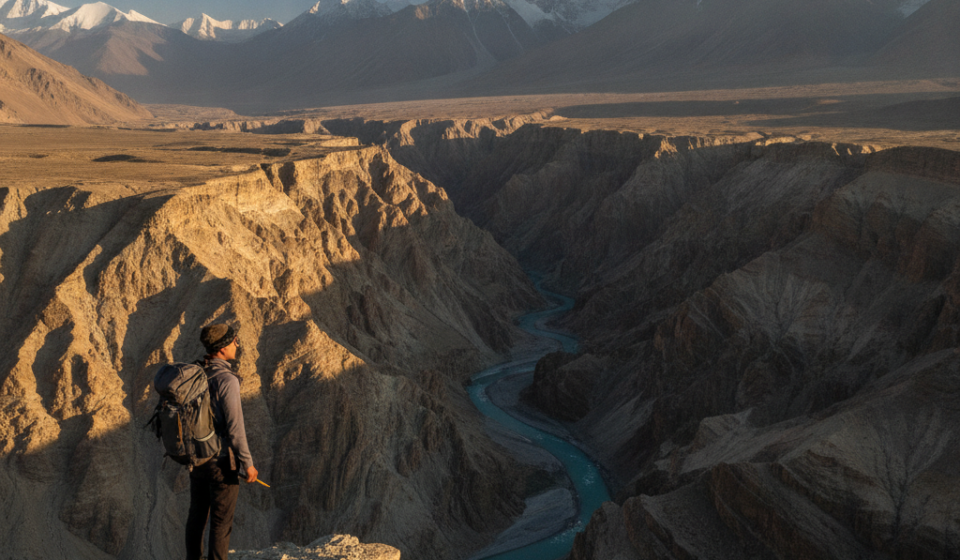

Most travelers view the Indian subcontinent as a destination solely defined by historical monuments, ancient temples, or dense tropical forests. But beneath this surface layer lies a far older, deeply dramatic narrative written in rock, salt, and basalt over billions of years. From the towering fold mountains of the Himalayas to the ancient, stable shield of the Deccan Plateau, the topography provides a vast open-air museum of planetary history. Today, scientific researchers, students, and curious explorers are turning to geological tour packages in india to explore these pristine geological records first-hand. This specialized form of travel, often referred to as geotourism in India, offers a profound understanding of how our planet was shaped. By tracing ancient tectonic movements, volcanic eruptions, and meteor impacts, visitors can witness the raw, dynamic forces of nature that continue to sculpt the land. Selecting the right geological tour packages in india allows participants to move past simple sightseeing and instead decipher the earth’s complex history.
Key Takeaways
Before planning your scientific journey, keep these essential geotourism highlights in mind:
- Diverse Geotourism Hubs: India offers varied geological marvels, from tectonic plate boundaries in Ladakh to the saline flats of Kutch and hyper-velocity impact craters in Maharashtra.
- Plate Tectonic Witness: Travelers can directly observe where the Indian plate crashed into the Eurasian plate, leaving behind marine fossils high in the Himalayas.
- Scientific Value: Specialized geological tour packages in India are led by trained geologists, making them perfect for academic fieldwork and earth science enthusiasts.
- Preparation is Key: Geotourism requires physical preparation, specialized field gear (such as Brunton compasses and hand lenses), and strict conservation awareness.
The Geological Framework of the Indian Subcontinent
Understanding the structural foundation of the region is essential before embarking on any physical journey. India is a geological mosaic, containing some of the oldest crustal fragments on Earth alongside the youngest and tallest mountain chains. The subcontinent is divided into three major structural divisions: the Peninsular Shield, the Indo-Gangetic Alluvial Plains, and the extra-peninsular mountain ranges of the Himalayas. To appreciate these divisions fully, selecting professional geological tour packages in india allows researchers and enthusiasts to observe the stark contrasts in terrain and lithology. For those seeking deep fieldwork, geological tour packages in india provide direct access to these ancient cratons and active seismic zones.
| Structural Division | Primary Rock Types | Geological Age Range | Key Exploration Sites | Tectonic Activity Level |
|---|---|---|---|---|
| Peninsular Shield | Granite, gneiss, basalt, and ancient metamorphic rocks | Archaean to Proterozoic (up to 3.5+ Billion Years) | Deccan Traps, St Mary’s Island, Dharwar Craton | Stable / Low Seismic Activity |
| Indo-Gangetic Alluvial Plains | Unconsolidated silt, clay, sand, and gravels | Pleistocene to Recent (Quaternary) | Ganges and Brahmaputra river basins | Passive accumulation zone |
| Extra-Peninsular Mountains (Himalayas) | Marine sedimentary, ophiolites, metamorphics | Cretaceous to Cenozoic (50-60 Million Years) | Ladakh, Indus Suture Zone, Tethyan sediment belts | Highly Active / High Seismic Zone |
The Indian Plate Tectonic Journey
Roughly 140 million years ago, the supercontinent of Gondwana began to fragment, sending the Indian plate on a rapid northward drift. Traveling at speeds of up to 20 centimeters per year, this epic journey can be understood through key geological milestones:
- Plate Separation (140 Million Years Ago): The Indian Plate split from Madagascar and Australia, initiating its rapid northward trajectory across the Tethys Ocean.
- The Eurasian Collision (50 Million Years Ago): The fast-moving Indian plate collided with the Eurasian plate, initiating the closure of the Tethys Ocean.
- The Himalayan Orogeny (Ongoing): The intense buckling of continental crust created the towering fold mountains of the Himalayas, raising ancient seabed sediments to extreme altitudes.
This tectonic collision is arguably the most dramatic event in modern geological history. It closed the ancient Tethys Ocean and buckled the crust to create the Himalayas. It is basically a slow-motion geological crash that shapes the climate and geography of entire nations. Most high-grade geological tour packages in india frequently feature excursions to tectonic boundaries where the suture zones are clearly visible to the naked eye. In these high-altitude regions, travelers can physically touch marine fossils perched miles above sea level, proving the existence of the lost ocean.
Major Geological Eras Represented
The lithological record of the region spans from the Archaean Eon to the Recent Epoch, divided into distinct crustal provinces:
- Archaean Cratons (3+ Billion Years): The Dharwar, Aravalli, and Bundelkhand cratons preserve some of the oldest rocks on Earth, offering a window into early crustal development.
- Mesozoic Volcanic Traps (66 Million Years): The massive volcanic outpourings of the Deccan Traps cover vast portions of western India, marking a global-scale catastrophic eruption phase.
- Cenozoic Sedimentary & Metamorphic Belts: The young, folded geological formations of the northern boundaries recording active tectonic uplift.
Specialized geological tour packages in india aim to decipher these distinct phases of Earth’s history, mapping out the progression from ancient metamorphic basements to modern sedimentary basins. Unlike standard sightseeing, specialized geological tour packages in india focus on the processes of petrogenesis and stratigraphy. By booking comprehensive geological tour packages in india, travelers can access remote field sites where these rock formations in India are exceptionally well-preserved.
Top Geological Wonders of the Subcontinent
The diversity of geological monuments of India is truly staggering, spanning vast geographic distances and climate zones. Exploring these sites through curated geological tour packages in india offers travelers an unparalleled look at rare planetary phenomena. Let’s examine some of the most extraordinary destinations featured in these specialized travel itineraries.
Lonar Crater Lake: A Cosmic Impact Site
Located in the Buldhana district of Maharashtra, Lonar Lake is one of the world’s most remarkable natural anomalies. Formed roughly 52,000 years ago (depending on the radiometric dating method used), this saline, alkaline lake is the only known hyper-velocity impact crater created in basaltic rock on Earth. The impact of the meteor, which weighed more than a million tonnes, created a deep, circular basin that has baffled scientists for decades. The basaltic walls of the crater show signs of shock metamorphism, which is a rare structural alteration that occurs under extreme pressure. High-grade geological tour packages in india prioritise Lonar because it provides a terrestrial analog for Martian basaltic basins. Academic institutions often leverage geological tour packages in india to conduct geochemical and mineralogical studies at this site.
The Majestic Cold Desert of Leh Ladakh
High in the northern latitudes, the trans-Himalayan region of Ladakh offers an exceptional display of mountain-building processes. This high-altitude desert is characterized by steep, barren peaks, deep gorges, and massive alluvial fans. The Indus Suture Zone, which marks the boundary where the Indian and Eurasian plates fused, passes directly through this region. Travelers can explore these tectonic phenomena by booking specialized travel options such as the Leh Ladakh tour packages, which showcase the raw power of crustal folding and faulting. The core appeal of geological tour packages in india focusing on the north lies in these clear, vegetation-free rock exposures. Here, the geological layers are completely laid bare, presenting a perfect laboratory for structural geology.
Limestone Cave Networks of Meghalaya
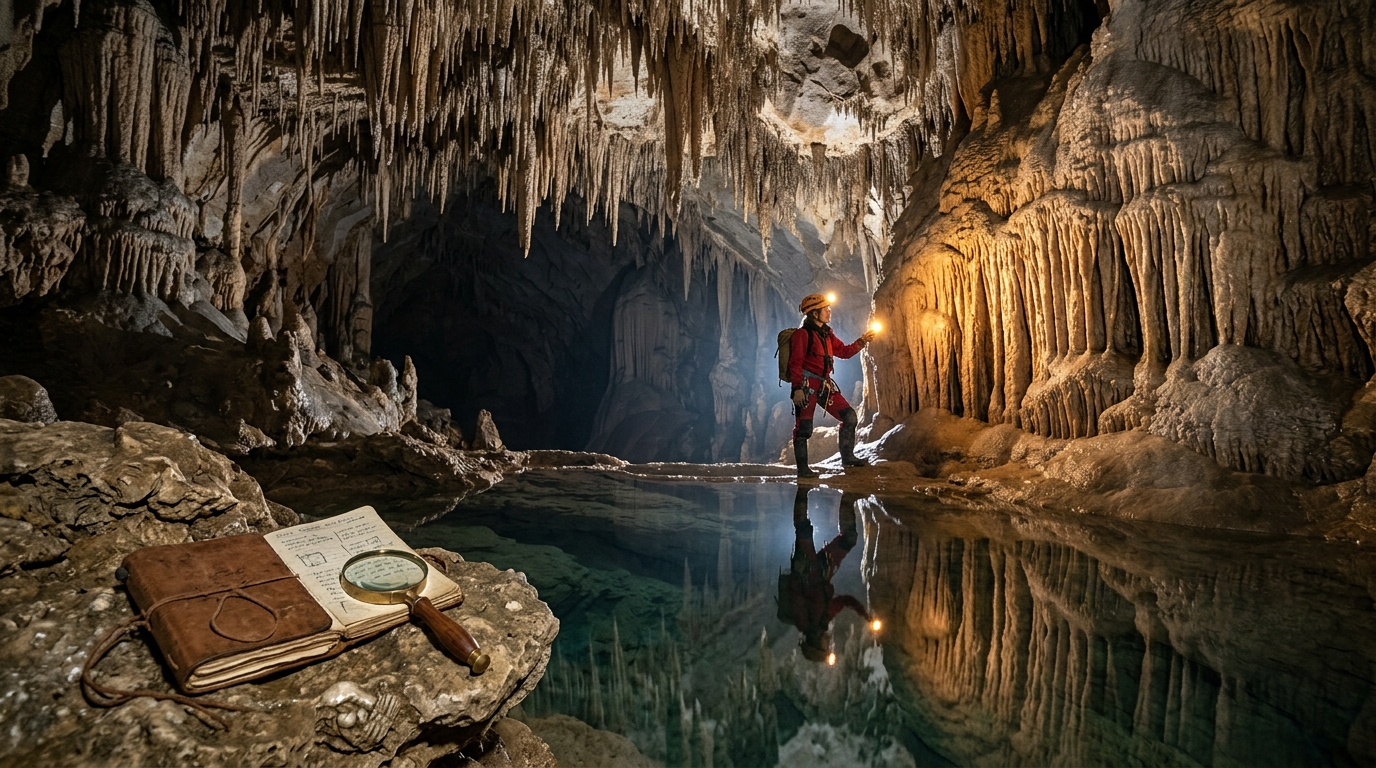
In contrast to the dry heights of the north, the northeastern state of Meghalaya is a lush, water-rich plateau dominated by ancient limestone. Over millions of years, heavy rainfall and acidic water have carved out some of the longest and deepest cave systems in South Asia. These speleological wonders, particularly around Cherrapunji and Jaintia Hills, feature spectacular stalactites, stalagmites, and flowstones. Travelers can experience these underground wonders via specialized Assam Meghalaya tour packages, which combine biological diversity with subterranean geologic exploration. Premium geological tour packages in india feature guided excursions into these deep caverns, where the rock formations in India tell a story of ancient tropical seas.
The Surreal White Salt Desert of Kutch
The Great Rann of Kutch, located in Gujarat, is one of the largest seasonal salt marshes in the world. This vast, flat expanse consists of pure white salt crystals formed by the evaporation of seawater during the dry months. The region is also highly active tectonically, shaped by major faults that have historically altered the course of major rivers. To observe these unique saline flats and geological fault lines, travelers often utilize customized Rann of Kutch tour packages. Reputable geological tour packages in india offer multi-day field trips to Kutch, allowing participants to examine the unique sedimentary patterns and mineral deposits of this arid basin.
St Mary’s Island and Columnar Basalt Formations
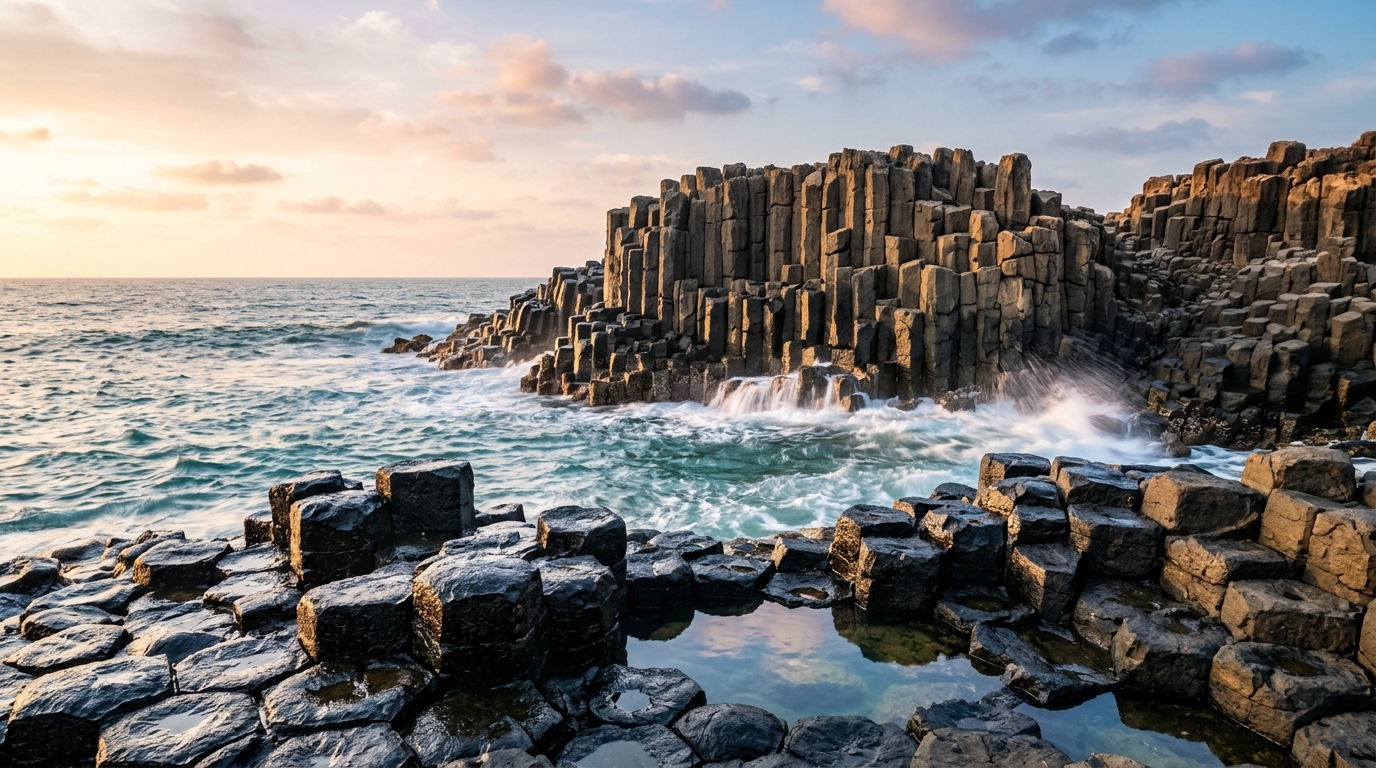
Off the coast of Malpe in Karnataka lies a series of small, uninhabited islands known as St Mary’s Island. These islands are famous for their unique columnar basaltic rock formations, which are hexagonal columns that formed during the rifting of Madagascar from India. The cooling of the lava created these highly regular, vertical joints, which resemble giant, hand-carved pillars. Well-structured geological tour packages in india often include coastal explorations of these volcanic remains. Coastal geological tour packages in india highlight these columnar joints, explaining how volcanic activity during the Cretaceous period helped shape the modern coastlines.
Key Features of Specialized Geological Tour Packages in India
Selecting a standard vacation itinerary rarely satisfies the intellectual curiosity of those interested in earth sciences. Standard tourism typically skims over the terrain, treating majestic landforms as mere backdrops for photographs. In contrast, specialized geotourism packages are built from the ground up to provide deep, analytical insight into the physical structures of the earth. The growing interest in geotourism in India has made geological tour packages in india highly sought after by academic departments, research groups, and serious hobbyists alike. The hallmark of premium geological tour packages in india lies in their scientific rigor, well-planned itineraries, and focus on physical engagement with the terrain.
Expert-Led Field Guidance
The primary differentiator of these academic journeys is the presence of qualified field guides. These are not general tour guides reciting historical folklore; they are trained geologists, stratigraphers, or academic researchers. That is why geological tour packages in india utilize academic experts who can explain the complex geological history of each site. They help participants read the geologic structures, identifying subtle clues such as mineral veins, fold axes, and fossil beds that would otherwise go unnoticed. For amateur geologists, selecting the right geological tour packages in india is crucial because a professional guide can translate complex academic theories into accessible, hands-on observations. (This intellectual bridge turns a simple mountain walk into an active, exciting discovery of ancient environments).
Comprehensive Academic and Educational Focus
Some may argue that geological study is best confined to academic classrooms. They are not entirely wrong, but direct field observation provides an intuitive clarity that no textbook can replicate. These packages are designed to foster intellectual growth and practical field skills. It is basically a structured field camp where participants can learn to use geological hammers, compasses, and topographic maps to analyze rock units. Consequently, educational geological tour packages in india cater to universities and research institutions looking to fulfill their fieldwork requirements. The curriculum-aligned itineraries focus on key geological concepts such as:
- Stratigraphic correlation and the law of superposition.
- Structural mapping of faults, folds, and shear zones.
- Petrological analysis of igneous, metamorphic, and sedimentary rocks.
- Geomorphological studies of glacial, fluvial, and aeolian processes.
By integrating these academic components, the journey becomes a valuable educational investment rather than a simple leisure trip.
A Comparative Analysis of Key Geological Destinations
When evaluating different geological tour packages in india, travelers should compare the scientific features and logistical requirements of each destination. India’s vast geography means that different regions highlight completely different geological epochs and physical processes. For instance, while the northern high-altitude zones showcase active, ongoing mountain building, the southern cratons provide a stable, undisturbed look at the earth’s earliest crust. The most comprehensive geological tour packages in india provide balanced itineraries that cover both volcanic and tectonic formations, ensuring a well-rounded field experience.
The following table provides a detailed comparison of the primary geological destinations featured in our itineraries, helping travelers select the region that best matches their scientific interests:
| Destination | Primary Geological Feature | Estimated Age / Geological Era | Scientific Significance | Target Field Skills Developed |
|---|---|---|---|---|
| Leh Ladakh | Indus Suture Zone, Fold Mountains | 50-60 Million Years (Cenozoic Era) | Active plate tectonic collision boundary | Structural mapping, structural analysis, fault identification |
| Lonar Crater | Hyper-velocity impact crater in basalt | Roughly 52,000 Years (Pleistocene Epoch) | Terrestrial analog for Martian basaltic basins | Geochemical sampling, shock metamorphism analysis |
| Meghalaya Caves | Karst topography, limestone caverns | Late Cretaceous to Eocene Epoch | Speleothem records for monsoon paleoclimatology | Speleological surveying, paleoclimate data collection |
| St Mary’s Island | Columnar basaltic jointing | 88 Million Years (Late Cretaceous) | Evidence of Gondwana rifting and volcanic activity | Petrology, volcanic joint system analysis |
| Rann of Kutch | Saline mud flats, active fault zones | Holocene Epoch (Ongoing deposition) | Sedimentology of modern evaporite basins | Sedimentological analysis, fault line tracing |
This analytical matrix shows how diverse the geologic record is across the country. It is clear that each site offers a distinct learning experience. For example, a traveler interested in petrology and volcanic processes would find St Mary’s Island or the Deccan Traps highly rewarding. But still, those focusing on structural geology and seismology will naturally gravitate toward the Himalayan suture zones. By aligning academic goals with the specific regional features outlined in this matrix, travelers can maximize the scientific value of their expedition.
Essential Preparation and Safety Guidelines
Conducting geological fieldwork requires careful preparation and strict adherence to safety protocols. Unlike standard leisure travel, exploring active fault lines, deep cave systems, and high-altitude deserts exposes participants to challenging environmental conditions. Highly rated geological tour packages in india provide safety briefings and pre-departure checklists to ensure all participants are fully prepared. Understanding the physical demands of the terrain is the first step toward a successful scientific expedition.
Terrain-Specific Gear Requirements
The equipment required for a geological excursion differs significantly from standard vacation packing lists. Participants booking geological tour packages in india are advised to invest in high-quality gear that can withstand rugged field conditions. Essential equipment includes:
- Geological Hammers and Chisels: Required for collecting rock samples (where permitted by local conservation laws).
- Hand Lenses (10x magnification): Essential for close-up examination of mineral grains and microfossils.
- Brunton Compasses: Used for measuring the strike and dip of geological strata.
- Sturdy, Ankle-Support Hiking Boots: Crucial for traversing types of terrains, loose scree slopes, and rugged volcanic rocks.
- Waterproof Field Notebooks: Necessary for recording scientific observations in any weather conditions.
Environmental and Heritage Conservation Protocols
As interest in geotourism grows, protecting these fragile geological monuments of India becomes a paramount responsibility. Many geological sites are unique, irreplaceable records of planetary history that can easily be damaged by careless human activity. Responsible geological tour packages in india emphasize low-impact fieldwork and strict adherence to conservation guidelines. Participants must follow the “leave no trace” principle, which means avoiding the defacement of rock faces and minimizing sample collection at highly sensitive sites. (Protecting these natural resources ensures that future generations of researchers can continue to study and appreciate Earth’s deep history).
Conclusion
Investing in professional geological tour packages in india transforms a simple holiday into a profound voyage of discovery through deep time. By exploring these unique landscapes under expert guidance, travelers gain a lasting appreciation for the dynamic forces that shape our world. From the volcanic columns of the coast to the ancient fossils of the high Himalayas, India’s geological heritage is a treasure waiting to be understood. For those ready to look beneath the surface, the journey of a lifetime awaits.