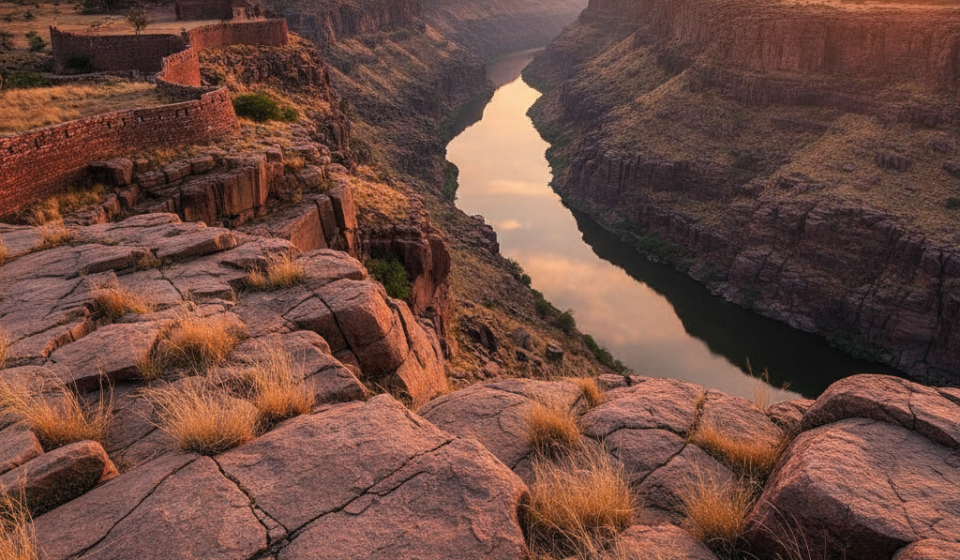

Deep within the dry plains of the Kadapa district in Andhra Pradesh flows the Pennar River, carving a massive gorge through ancient pink granite. This stunning geological structure remains largely undisturbed by commercialization, offering visitors a stark, majestic vista of natural erosion. Known historically as a strategic Deccan stronghold, the remote village requires careful physical preparation and systematic travel planning. Many travelers prioritize popular hill stations and beaches, yet this geological masterpiece remains a powerful destination that demands exploration. To achieve a successful journey, this comprehensive gandikota travel guide highlights essential logistics, historical architectures, and seasonal considerations. Readers will gain precise insights regarding regional transit channels, medieval fortification ruins, and safety protocols.
Key Takeaways for Your Visit
- Best Time to Visit: October to February offers pleasant weather ideal for outdoor trekking.
- Ideal Duration: Plan a 2-day, 1-night trip to explore both the fort and the scenic gorge thoroughly.
- Route Accessibility: Well-connected by road from major cities like Bangalore (340 km) and Hyderabad (360 km).
- Accommodation: Choose between the standard APTDC Haritha Resort and rustic cliffside camping.
- Crucial Travel Tip: Carry sufficient cash as there are no functioning ATMs in the immediate vicinity.
Why Gandikota is Called the Grand Canyon of India
The deep gorge draws direct comparisons to the Arizona canyon due to its layered sandstone cliffs and sheer scale. Over millennia, river flow cut through the sedimentary rock, forming a three hundred foot chasm. To comprehend this unique geological structure, this gandikota travel guide will elaborate on the sedimentary forces of the Kadapa basin. In addition, the deep gorge provides an acoustic phenomenon where sounds echo clearly across the river bed.
But still, the natural beauty is not merely a scientific curiosity. A massive fortress stands directly on the cliff edge, utilizing the deep vertical canyon as a defensive wall. It is basically an architectural marvel where military strategy integrated with natural terrain. For travelers organizing a trip, consulting a detailed gandikota travel guide is essential to appreciate these layers.
Geological studies indicate that these unique formations belong to the Dharwar craton system. These ancient stone structures date back roughly two billion years, representing some of the oldest rock strata in India. This historical scale is why a specialized manual is so valuable for first-time visitors who might otherwise miss the subtle features of the stone.
Crucial Travel Details: Best Time to Visit and Duration
The dry climate of Andhra Pradesh dictates the seasonal feasibility of this remote tourist destination. Consequently, as per this gandikota travel guide, the ideal window for planning a trip spans from October to February. During these winter months, the daytime temperature remains a comfortable twenty-eight degrees Celsius, and cool evening winds provide relief. The winter season is also characterized by pleasant weather conditions that are highly conducive to long-distance trekking and outdoor sightseeing. This seasonal predictability makes winter the ideal period for booking photography tours and organizing educational geology field trips.
To experience the region thoroughly, a travel duration of two days and one night is highly recommended. Planning via this gandikota travel guide helps visitors allocate their hours efficiently between the fortress ruins and the canyon viewpoints. The table below outlines the seasonal metrics to assist in selecting the perfect travel window:
| Season | Months | Average Temperature Range | Suitability for Tourists |
|---|---|---|---|
| Winter | October to February | 18°C to 30°C | Highly Recommended |
| Summer | March to June | 28°C to 43°C | Not Recommended |
| Monsoon | July to September | 22°C to 34°C | Moderate Suitability |
During the clear winter nights, sky observation becomes exceptionally rewarding due to the lack of local industrial units. This timing insight is a critical aspect of any practical travel plan aiming to secure a peaceful and quiet visit. Organizing the journey around local winter festivals also adds deep cultural value.
How to Reach Gandikota Fort and Gorge
The remote geographic coordinates of this historical village mean that direct commercial connectivity is limited. It is situated in the Kadapa district, roughly three hundred and eighty kilometers from Bangalore and three hundred and sixty kilometers from Hyderabad. This section of the gandikota travel guide outlines the primary transport channels to help travelers plan their transit safely. Understanding these geographic distances is critical for designing a stress-free travel schedule.
| Departure City | Distance (Approx.) | Driving Duration | Best Route Options |
|---|---|---|---|
| Bangalore | 340 km – 380 km | 6 hours | NH 44 to Anantapur, then Tadipatri & Jammalamadugu |
| Hyderabad | 360 km – 390 km | 7 hours | NH 44 to Kurnool, then Banaganapalli & Jammalamadugu |
| Chennai | 380 km | 7.5 hours | NH 716 to Kadapa, then Jammalamadugu |
Travelers using this gandikota travel guide often note the absence of a major airport in the immediate vicinity. However, the village remains accessible if one coordinates the final road journey systematically. The rural roads connecting the main highways to the historic fort are generally well-maintained.
Reaching by Road
Road transport provides the highest level of flexibility for travelers heading to the canyon edge. Our gandikota travel guide suggests utilizing the national highways for a smooth and predictable driving experience. Here is the recommended route breakdown:
- From Bangalore: Travel along National Highway 44 until Anantapur, before diverting onto regional roads toward Tadipatri and Jammalamadugu.
- Drive Duration: This drive takes approximately six hours under normal traffic conditions.
- Road Conditions: Major highways are well-maintained, though the last stretch near Jammalamadugu requires cautious driving due to local village traffic.
Reaching by Train
The rail network offers an economical and highly comfortable alternative to long road journeys. This gandikota travel guide recommends booking train tickets with the following details in mind:
- Nearest Railheads: Muddanuru (26 km away) or Jammalamadugu railway stations are the closest options.
- Connectivity: Muddanuru is well-connected to major southern transit hubs including Bangalore, Chennai, and Hyderabad.
- Onward Local Transport: From Muddanuru, local auto-rickshaws and regional state buses are readily available to transport visitors to the fort gate.
Reaching by Air
For air travelers, the nearest domestic airport is located in Kadapa, though it handles a limited schedule of flights. Readers of this gandikota travel guide should plan around the following airport options:
- Nearest Major Hub: Bengaluru International Airport, which is roughly three hundred and forty kilometers away.
- Aviation Connections: Bengaluru airport offers excellent domestic and international connections.
- Onward Cab Services: Upon landing, travelers can hire a reliable prepaid cab or self-drive vehicle to cover the remaining distance.
Top Things to Do in Gandikota
The medieval fort complex is expansive, housing several monuments that reflect the unique architectural styles of historical dynasties. This part of the gandikota travel guide showcases the primary points of interest that deserve a spot on your travel itinerary. The site contains a fine blend of defensive structures, religious temples, and natural gorges. It is recommended to allocate a full afternoon for the main fortress walks to appreciate the scale.
The primary gandikota travel guide highlights the defensive architecture, which is a marvel of ancient Indian military engineering. Built originally in the twelfth century, the fort underwent major modifications under the Pemmasani Nayaks and the Qutb Shahis. These historical layers are clearly visible in the contrasting stone masonry styles seen throughout the outer walls.
Each archaeological structure within the fortified walls tells a compelling story of regional conflict, architectural ambition, and historical transition.
Marveling at the Pennar River Gorge
The gorge is the main natural attraction and serves as the visual centerpiece of the entire region. Any reliable gandikota travel guide will advise visiting this spot during the early morning or late afternoon hours. The viewpoint near the fort walls offers a clear look at the river bending around the deep rock formations.
Exploring the Ancient Gandikota Fort
The fort itself is a massive structure made of red sandstone, featuring a five-mile defensive perimeter wall. This gandikota travel guide describes the fort as a silent witness to many power struggles between regional kingdoms and sultanates. Inside, visitors can observe distinct architectural ruins:
- The Granary: A massive brick-and-mortar vault used to store grains for military forces during sieges.
- The Royal Palace: Broken structural foundations and ruined halls reflecting medieval royal architectural styles.
- The Guard Rooms: Heavily fortified watch structures lining the extensive perimeter.
Visiting the Madhavaraya and Raghunatha Swamy Temples
The fort complex houses two major Hindu temples that display distinct Vijayanagara architectural styles. The gandikota travel guide outlines the historical significance of these structures, which date back to the sixteenth century. The Madhavaraya Temple features a massive five-story gateway tower that dominates the skyline, while the Raghunatha Swamy Temple offers a unique view of the gorge from its courtyard.
Discovering the Jamia Masjid
Located adjacent to the Raghunatha Swamy Temple, the Jamia Masjid represents the Islamic architecture introduced during the Golconda rule. This gandikota travel guide points out the elegant double-minaret structure and the central dome that remains largely intact today. The mosque features a large courtyard with a central ablution pool, indicating a complex social history.
Kayaking and Adventure Sports
For adventure seekers, the river far below the fort offers excellent opportunities for exciting water-based activities. Our gandikota travel guide advises participating in kayaking and rock climbing organized by certified local operators. When planning these sports, it is essential to check water levels and safety equipment standards. For safety, travelers should track their water discharge rate or Canyon Flow Threshold (CFT) before embarking.
The Ultimate Gandikota Camping Experience
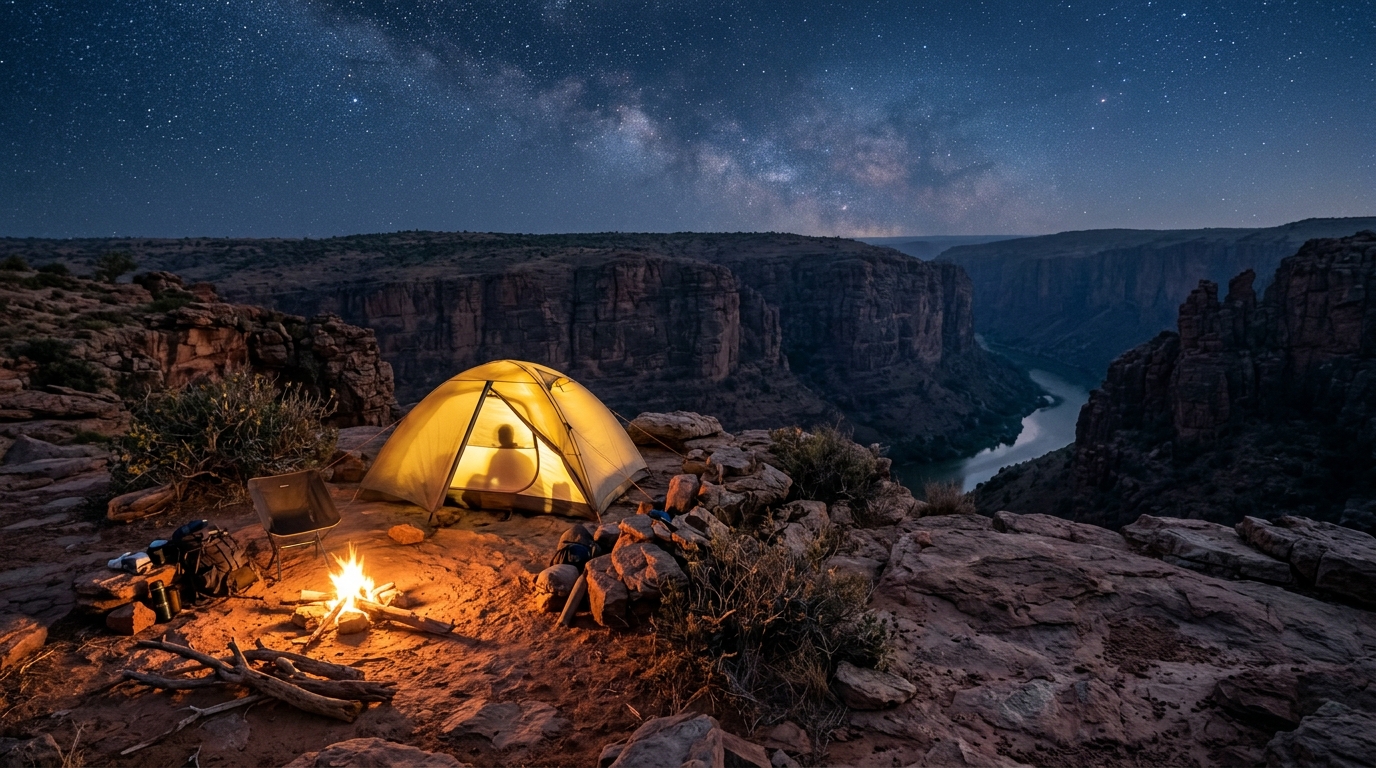
Spending a night under the stars along the deep gorge is arguably the most memorable activity for modern outdoor travelers. This segment of the gandikota travel guide explores the practical aspects of arranging an overnight stay in this rugged terrain. Camping permits travelers to observe both the sunset and the sunrise directly from the edge of the granite cliffs. Local vendors set up temporary camps along the flat sandstone plateaus, offering simple weatherproof tents and basic bedding.
The gandikota travel guide details the logistics of coordinating these outdoor camp packages, which typically include campfire setups and simple meals. But still, the experience remains rustic and is not suited for travelers who require luxury amenities. There are no permanent brick-and-mortar restrooms near the cliffside camps, meaning visitors must use temporary dry toilets. Additionally, wind velocities along the open gorge can increase dramatically at night, requiring tents to be anchored securely with heavy stone blocks.
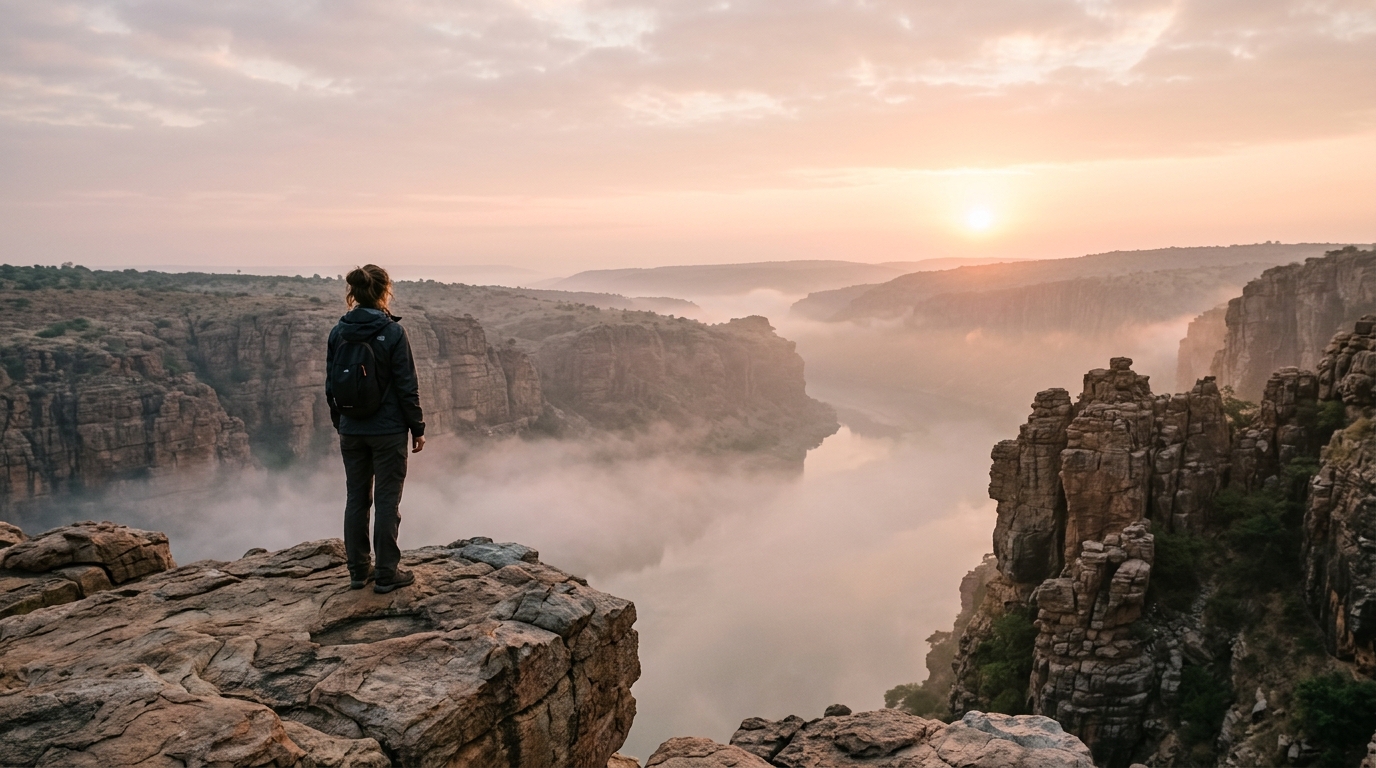
Furthermore, securing a gandikota travel guide copy or hiring an authorized local escort is useful for finding camping spots away from the crowd. The quiet atmosphere of the gorge at night is interrupted only by the sound of the wind and regional birds. Waking up to watch the morning mist rise from the Pennar River is the primary reward for enduring these simple camp conditions. To ensure safety and comfort, campers should carry these essential gear items:
- Power Solutions: High-capacity power banks, as there is no electricity at the campsites.
- Illumination: Portable headlamps or robust LED flashlights for negotiating uneven rocks after dark.
- Skin Protection: Quality insect repellents and sunscreen for day-use.
- Comfort: Inflatable pillows, light blankets, and basic personal hygiene kits.
Experienced hikers suggest setting up camp at least fifty meters away from the cliff edge to avoid accidents during the dark hours. The rocky ground is highly uneven, which makes walking at night hazardous without a reliable flashlight. Respecting the local wilderness by bringing back all plastic waste is also an essential responsibility of every traveler. This commitment to conservation ensures that the pristine nature of this natural canyon is preserved for future generations of outdoor enthusiasts.
What and Where to Eat: Culinary Options
The culinary infrastructure in this quiet regional village is exceptionally basic, reflecting its distance from major commercial districts. This gandikota travel guide reveals that there are no standard multi-cuisine restaurants or upscale dining spaces near the historical site. Visitors must rely on the modest restaurant at the state-run Haritha Resort or choose simple regional dhabas. The local food is representative of the Rayalaseema culinary tradition, which is known for its high spice levels and simple ingredients.
Consulting our gandikota travel guide ensures that travelers are prepared for these food limitations before arrival. It is highly recommended to carry a sufficient supply of dry fruits, energy bars, and packaged water when exploring the fort ruins. The Haritha Resort provides a simple vegetarian buffet for lunch and dinner, though pre-booking meals is highly advisable. The table below provides a practical comparison of the regional dining options to help you plan your meals:
| Dining Option | Cuisine Type | Price Category | Hygiene Standard |
|---|---|---|---|
| Haritha Resort | North & South Indian Vegetarian | Moderate | High (Standard Government Facility) |
| Local Village Dhabas | Spicy Andhra Meals & Snacks | Low | Basic (Open-air seating) |
| Campsite Kitchens | Basic Rice, Dal & Barbecue | Included in package | Moderate (Prepared by guides) |
For individuals who prefer mild food, requesting reduced spice levels at local dhabas is highly recommended. Simple regional items such as curd rice or freshly made idlis are gentle on the stomach and widely available during morning hours. A regional culinary overview always notes that carrying personal water filtration bottles is a wise precaution. This preventive step helps prevent waterborne health issues during your outdoor stay in this remote regional destination.
Where to Stay: Accommodation Options in Gandikota
According to this gandikota travel guide, accommodation options are highly restricted due to the location’s remote nature. The primary brick-and-mortar lodging is the Haritha Heritage Resort, which is managed by the Andhra Pradesh Tourism Development Corporation (APTDC). This property features air-conditioned rooms, cottages, and a large dining hall. The rooms are basic but functional, offering the only reliable source of electricity and running water in the immediate area.
This gandikota travel guide highly recommends booking rooms at the Haritha Resort several weeks in advance, especially for weekend stays. The resort is often fully booked by tour groups and individual travelers who prefer solid walls over tents. For those who cannot secure a room, the alternative is to camp near the gorge or look for budget hotels in the nearby town of Jammalamadugu.
The standard gandikota travel guide accommodation list highlights that Jammalamadugu offers simple guesthouses with basic amenities. While staying in the town requires a fifteen-kilometer commute to the fort each day, it provides more reliable access to shops and medical facilities. For those looking to plan a larger journey across southern India, customized packages can be arranged. If looking for broader itineraries, travelers can explore various domestic tour packages like those at TravelDham Domestics.
Choosing between hotel accommodation and camping depends largely on your comfort requirements and adventure appetite. Families with young children or elderly travelers will find the Haritha Resort far more suitable, whereas younger backpackers often opt for the unique experience of riverside camping. This practical distinction is a key point emphasized in every comprehensive analysis to help travelers make informed decisions.
Practical Tips for Travelers
To ensure a safe and enjoyable journey, this gandikota travel guide lists several essential tips that every visitor should review. The remote and rugged nature of the terrain means that minor oversights can lead to significant inconveniences. First, there are no functional automated teller machines (ATMs) in the village, so carrying sufficient cash is mandatory for all local transactions.
The physical preparations checklist also emphasizes personal safety and environmental responsibility. Visitors must wear sturdy trekking shoes with good grip, as the granite rocks near the gorge can be highly slippery. The sun can be intense even during the winter months, making high-SPF sunscreen, wide-brimmed hats, and sunglasses crucial.
To protect the delicate ecosystem, visitors should adhere to the following simple regional conservation guidelines:
- Carry trash bags: The village lacks a formal waste management system, so carrying your waste back to the nearest town is highly appreciated.
- Respect monuments: Refrain from littering or defacing the ancient red sandstone walls within the fort complex.
- Download offline resources: Mobile network connectivity remains highly erratic, making offline regional maps essential.
A well-prepared travel companion will always emphasize that self-reliance is the key to enjoying this rugged Deccan marvel to its fullest. Carrying a compact first-aid kit with basic medicines, rehydration salts, and band-aids is highly recommended for all hikers. Additionally, carrying a fully charged backup power bank ensures your communication devices remain active during your exploration of the extensive fort complex.
Conclusion
A journey to this geological masterpiece offers a rare glimpse into the raw physical power of nature and the rich military history of the Deccan. This gandikota travel guide serves as a complete manual to help travelers navigate the logistical challenges of visiting this unique destination. From the crimson sandstone cliffs of the gorge to the ancient arches of the fort, the site rewards those who plan carefully and respect the rugged environment.
Ultimately, utilizing this gandikota travel guide ensures a balance between adventure and safety. Whether choosing to spend a night camping under the stars or exploring the intricate stone carvings of the medieval temples, visitors will leave with a deep appreciation for this majestic landscape. The Grand Canyon of India remains a remarkable destination that challenges the conventional ideas of Indian tourism, waiting to be explored by discerning travelers.