
The Ultimate Digboi Travel Guide: Explore Asia’s Oldest Oil Town, British Heritage, and Wildlife Secrets

Digboi remains one of the most intriguing destinations in Upper Assam, blending colonial history with industrial significance. This Digboi travel guide explores a town that transformed from a dense forest into the centre of Asia’s first oil production. While many visitors flock to the tea gardens of Jorhat or the national parks of Kaziranga, those who head further east to Digboi discover a unique atmosphere defined by British-era architecture and lush natural surroundings.
Key Takeaways for Your Digboi Trip
- Asia’s Oldest Oil Town: Discover the rich industrial heritage of India’s first commercial oil refinery established in 1901.
- Colonial Architecture: Marvel at British-era bungalows, historic social clubs, and a beautifully planned township.
- World War II History: Pay respects at the serene Digboi War Cemetery, a major historical landmark.
- Ecotourism Hub: Explore nearby rainforests like Dehing Patkai and the riverine ecosystem of Dibru-Saikhowa.
History of Digboi
The story of Digboi started in the late 19th century when explorers discovered oil reserves while building the Assam Railway and Trading Company line. Legend suggests an elephant with oil-stained feet led workers to the seepage, leading to the phrase “Dig boy, dig” (the likely origin of the name). Commercial extraction began in 1901, making it the oldest oil refinery in Asia still in operation today.
The colonial influence remains visible across the town. Exploring Digboi provides insight into how industrial development shaped the social and structural landscape of North East India during the early 1900s through:
- Structured Layouts: Well-planned residential areas built specifically for workers and British officers.
- Bungalow Architecture: Classic Assam-type wooden bungalows raised on stilts to withstand heavy rainfall.
- Social & Recreation Clubs: Elegant colonial clubs that served as the social hub for British administrators.

Top Attractions in Digboi
Visitors to the region often find the following sites essential for understanding the local heritage and environment.
| Attraction | Timings | Key Highlight |
|---|---|---|
| Digboi Centenary Museum | 9:00 AM – 5:00 PM (Closed Mondays) | Vintage steam engines and historical drilling equipment |
| Digboi War Cemetery | 8:00 AM – 4:00 PM (Daily) | Well-maintained graves of WWII Allied soldiers |
| Digboi Golf Course | 6:00 AM – 6:00 PM (Prior permission needed) | Scenic 18-hole course surrounded by tea estates |
- Digboi Oil Refinery and Museum: This facility documents the history of oil exploration. Visitors can view vintage machinery and learn about the technical evolution of the refinery.
- Digboi War Cemetery: A peaceful site maintained by the Commonwealth War Graves Commission. It serves as a final resting place for soldiers who served in the region during World War II.
- Ridge Point: Located near the golf course, this spot offers a panoramic view of the town and, on clear days, the distant Himalayan peaks.
- Digboi Golf Course: Established in the early 20th century, this 18-hole course is renowned for its well-maintained greens and scenic backdrop of tea gardens.
Cultural and Heritage Significance
The town maintains a distinct character that sets it apart from other commercial hubs in Assam. The coexistence of modern oil industry operations with preserved British bungalows creates a unique visual contrast. Many residents still live in the original colonial quarters, and the influence of these early years is evident in the local social clubs and community spaces.
Digboi serves as a living archive of industrial history, preserved through its architecture, the carefully managed war cemetery, and the continued operation of its original refinery.
Wildlife and Nature Near Digboi
Beyond the industrial history, the town acts as a gateway to rich biodiversity. The area is surrounded by dense forests and tea plantations that house diverse wildlife species. For nature enthusiasts, the proximity to protected regions makes it a strategic base.
| Location | Key Feature |
|---|---|
| Dehing Patkai National Park | Rainforest biodiversity and migratory birds |
| Dibru-Saikhowa National Park | Riverine habitats and rare feral horses |
| Digboi Forest Reserve | Local trekking trails and wildlife spotting |
Travel Tips for Digboi
Effective planning ensures a smooth trip to this remote corner of Assam. Consider these practical logistics for your visit.
- Best Time to Visit: October to March offers the most comfortable weather for outdoor exploration and wildlife spotting.
- Connectivity: The nearest major airport is Mohanbari Airport in Dibrugarh, approximately 85 kilometres away. Tinsukia serves as the primary railway gateway for those travelling by train.
- Transportation: Hiring a private taxi from Dibrugarh or Tinsukia is the most reliable way to navigate the region. Local transport within Digboi is limited to auto-rickshaws.
- Accommodation: Visitors generally stay in guest houses managed by the oil corporation or private hotels in Tinsukia.
Planning Your Itinerary
A comprehensive trip typically requires two to three days. Consider this structured route to optimize your experience:
- Day 1: Historical Discovery: Explore the Digboi Centenary Museum, visit the Digboi War Cemetery, and catch the sunset from Ridge Point.
- Day 2: Wilderness Exploration: Head out early to Dehing Patkai National Park for birdwatching and rainforest trekking.
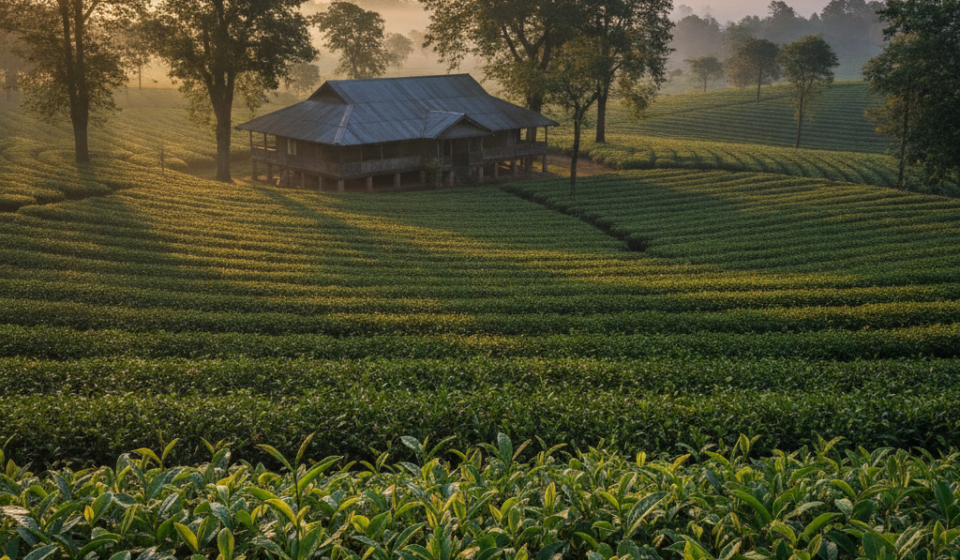
- Day 3: Tea Estates & Local Culture: Enjoy a guided walk through lush tea gardens and visit historic colonial bungalows.
For those interested in logistics and support, refer to our travel planning services to manage your itinerary and transport arrangements. Our team also provides guided regional tours for travellers seeking a deeper understanding of Upper Assam’s industrial and colonial history.

Conclusion
Digboi provides a rewarding experience for those who appreciate history, heritage, and nature. While the journey to this part of India requires careful planning, the combination of its historical refinery, quiet war cemetery, and nearby national parks makes it a destination worth visiting. By taking time to understand its industrial roots, visitors gain a better perspective on the development of the region over the last century.