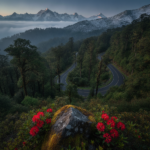

The Ultimate Deoghar Travel Guide: How to Experience the Holy City, Baidyanath Jyotirlinga, and Sacred Hills

Deoghar has served as a center for spiritual reflection and historical study for centuries. This city in Jharkhand holds a unique position in the Indian cultural landscape, anchored by the Baba Baidyanath Dham temple complex. While many visitors arrive purely for religious observance, a comprehensive Deoghar travel guide reveals a destination with layered history, serene landscapes, and significant architectural interest. Understanding the rhythm of this city allows for a more meaningful experience, whether the motivation is pilgrimage or general discovery.
Key Takeaways
- Spiritual Hub: Deoghar is home to the revered Baba Baidyanath Temple, one of the 12 sacred Jyotirlingas in India.
- Best Time to Visit: October to March offers the most pleasant weather for exploring the temples and surrounding hills.
- Key Attractions: Beyond the main temple, visit Nandan Pahar, Satsang Ashram, and the scenic Trikuta Hills.
- Local Specialties: Do not miss tasting the famous Deoghar Peda, a traditional sweet offered as prasad.
- Travel Logistics: Easily accessible via Deoghar International Airport and Jasidih Junction railway station.
Understanding Deoghar
Deoghar, often referred to as the city of temples, functions as a major junction for those traveling through eastern India. Its identity remains inseparable from the cult of Shiva, specifically the Baidyanath Jyotirlinga, which draws millions during the Shravani Mela. However, the region offers more than just this focal point. The geography combines urban density with pockets of natural quiet found in the surrounding hills and water bodies.
While most travelers approach the city with a specific pilgrimage goal, exploring Deoghar thoroughly reveals its diverse local character:
- Active Temple Lanes: The narrow streets immediately surrounding the main temple complex are vibrant, bustling, and continuously filled with devotees.
- Historic Charm: Moving further away from the central temple area reveals colonial-era architecture and structures.
- Traditional Markets: Local bazaars operate much as they have for generations, offering unique regional handicrafts and authentic local interactions.
- Geographic Significance: Situated in the Deoghar district of Jharkhand, it is well connected by rail and road.
- Spiritual Importance: Home to one of the 12 Jyotirlingas, making it a primary destination for Shaivite traditions.
- Cultural Atmosphere: A blend of traditional religious practices and contemporary regional commerce.
Planning Your Trip to Deoghar
Effective preparation determines the success of a visit. The climate plays a decisive role, as the summers are intense and the monsoon season brings heavy rainfall and high humidity. The ideal time to visit spans from October to March, when the weather remains pleasant for walking and exploring the various sites. During this period, the temperature stays within a manageable range for most travelers.
Logistics require coordination, particularly during peak festival times. If your travel dates coincide with Shravani Mela, expect significant congestion and limited availability of accommodation. Pre-booking transport and lodging is a necessity rather than an option during these times. For those seeking a quieter experience, mid-week visits during the shoulder season are highly recommended.
| Season | Travel Suitability |
|---|---|
| Winter (Nov – Feb) | High – Comfortable weather for site visits |
| Summer (Mar – May) | Low – High temperatures limit outdoor activity |
| Monsoon (Jun – Oct) | Moderate – Heavy rain but lush surroundings |
Essential Sites and Landmarks
The city layout centres on the Baba Baidyanath temple, but the architectural and historical significance extends further. Visitors often find that dedicating at least two full days allows for a balanced view of both the religious landmarks and the secondary points of interest. The following sites are essential for a complete understanding of the area.
| Landmark | Significance & Attraction | Recommended Duration | Best Time to Visit |
|---|---|---|---|
| Baidyanath Jyotirlinga Temple | One of the 12 sacred Jyotirlingas; classic Nagara architecture | 2–3 hours | Early morning or late evening |
| Nandan Pahar | Scenic hill park offering panoramic sunset views and family recreation | 1–2 hours | Late afternoon (4:00 PM – 6:00 PM) |
| Satsang Ashram | Spiritual and educational center founded by Sri Sri Thakur Anukulchandra | 1–2 hours | Morning hours |
| Trikuta Hills | Sacred peaks featuring a ropeway ride and historic trekking trails | Half day | October to March (daytime) |
Baidyanath Jyotirlinga Temple
The core of the city is the Baidyanath temple complex. It consists of the main temple of Baba Baidyanath and several smaller shrines. The architectural style, typical of the Nagara tradition, features high towers that are visible from various points in the city. The interior remains modest, focusing the attention of the devotee on the Jyotirlinga itself. It is a place of intense focus, often crowded, which requires patience and a respectful attitude during the observation of rituals.
To ensure a smooth and respectful visit to the Baidyanath Jyotirlinga Temple, keep these essential practices in mind:
- Dress Code: Wear traditional and modest clothing (such as dhotis, sarees, or salwar-kameez) to respect the sanctity of the temple.
- Timing: Arrive early in the morning (around 4:00 AM) or late in the evening to avoid the heaviest crowds.
- Patience is Key: Expect long queues, especially during Mondays and the holy month of Shravan, requiring significant patience.
- Rituals: Standard offerings include gangajal (holy water from Sultanganj), flowers, and sweets.

Nandan Pahar and Satsang Ashram
Nandan Pahar offers a reprieve from the urban environment. It is a hill located on the outskirts that provides a panoramic view of the town. It houses a small garden and is a popular spot for families, particularly in the late afternoon. The Satsang Ashram, established by Sri Sri Thakur Anukulchandra, presents a different facet of the city. This site serves as a spiritual center that emphasizes communal living and education, offering a structured environment that feels distinct from the surrounding city streets.
“The character of a city is rarely found in its main squares alone. It hides in the quiet spaces between the main landmarks, in the local markets, and in the rhythms of the people who call the place home.”
Navigating Local Transportation
Deoghar maintains a functional transport network, though it lacks the complexity of larger metropolitan areas. For most visitors, the most efficient way to navigate the inner city involves using cycle rickshaws or auto-rickshaws. These vehicles can access the narrow lanes where larger cars struggle to manoeuvre. When using these services, it is standard practice to negotiate the fare before beginning the journey.
For those navigating the external and internal connections of Deoghar, several convenient options exist:
- Deoghar International Airport: Connects the holy city directly with major domestic airports.
- Jasidih Junction Railway Station: Located about 8 km away, this is the main rail hub connecting Deoghar to eastern and northern India.
- Private Cabs & Auto-Rickshaws: Best suited for covering longer distances to outlying attractions like Trikuta Hills.
- Cycle Rickshaws: Highly recommended for navigating the extremely narrow streets near the main temple.
The road conditions in the primary city areas are generally well-maintained, though rural roads can present challenges during the rainy season.

Local Culture and Culinary Experiences
The local culture of Deoghar is heavily influenced by the devotional practices of the region. This manifests in the food, the dress, and the daily schedule of the town. Street food in the proximity of the temple focuses on vegetarian options, adhering to the religious significance of the site. Notable local snacks include various preparations of chana and traditional sweets like Peda, which is considered a specialty of the area.
Eating in Deoghar is an exercise in appreciating simple, robust flavours. You will find that most dining establishments offer traditional North Indian and regional Jharkhandi dishes. Given the high volume of visitors, there is a wide range of options, from informal stalls to more established restaurants catering to diverse palates. Exploring the markets in the evening provides the best opportunity to sample local delicacies while observing the daily commerce of the city.
FAQs
What is the best way to reach Deoghar?
The city is accessible via the Deoghar International Airport and the Jasidih Junction railway station, which serves as a major connection point to the city.
Is it necessary to pre-book a guide for the temple visit?
While not strictly necessary, having a local guide can assist in navigating the complex customs and rituals associated with the temple, especially if you are visiting for the first time.
Are there restrictions on photography within the temple?
Photography is strictly prohibited inside the sanctum sanctorum of the Baidyanath temple. Visitors should respect these regulations to avoid any complications.
What should be the duration of a typical visit?
A duration of two to three days is sufficient to cover the main temple, the ashrams, and the surrounding natural sites like Trikuta Hills.
Conclusion
Deoghar remains a significant destination that combines deep-seated religious traditions with a quiet, regional charm. By approaching the city with an understanding of its logistical nuances and a respect for its cultural landscape, visitors can gain much more than a simple sightseeing tour. Whether navigating the busy lanes near the Baidyanath temple or viewing the town from the height of Nandan Pahar, the experience rewards those who take the time to look closely. For assistance with your travel plans, please contact our support team to discuss your itinerary.