The Ultimate Guide to Cultural Tours in India: Immerse Yourself in Authentic Experiences

Many travel itineraries focus entirely on ticking off famous monuments from a checklist. (A common mistake made by hurried vacationers). A deeper look reveals that the true essence of travel lies not in merely viewing ancient stone but in engaging with the living communities surrounding it. For those seeking cultural tours, India remains an unmatched destination. The country does not merely preserve its past in museums. It lives its heritage daily through active religious rituals, centuries-old craft guilds, and culinary systems that have survived generations.
Modern tourism often misses this depth by prioritizing speed over engagement. But still, taking a slower approach to exploring the subcontinent can reveal a highly sophisticated way of life that continues to thrive in the modern age. When organizing comprehensive cultural tours, India presents a vast spectrum of options. Each region functions almost as a distinct country with its own language, architecture, and culinary philosophy. This guide breaks down the essential components of Indian heritage travel, offering a structured roadmap to help you plan an authentic and highly rewarding journey through the historic heart of the subcontinent.
Key Takeaways for Your Cultural Journey
- Living Traditions: Experience heritage through active rituals, historic crafts, and culinary customs rather than static museum exhibits.
- Regional Diversity: Choose 1-2 regions (like Rajasthan or South India) to explore deeply rather than rushing across the entire subcontinent.
- Best Timing: Plan your visit between October and March for comfortable weather and spectacular cultural festivals.
- Responsible Travel: Respect local customs, dress modestly, and support local artisans to contribute positively to the communities.
Why Choose Cultural Tours in India?
Choosing to explore this ancient land through a cultural lens is about moving beyond the superficial layer of sightseeing. It is basically an invitation to understand how historical forces, spiritual traditions, and artistic movements have converged over thousands of years to shape the modern nation. While standard leisure travel might focus on comfortable resorts or scenic backdrops, cultural travel places the human element at the center of the experience. By focusing on cultural tours, India travel experts emphasize that visitors gain an appreciation for the continuity of human civilization. Indeed, as reported by the Ministry of Tourism in its late 2025 bulletin, cultural tourism drives over 60% of all international visitor activity in India, highlighting the enduring appeal of its heritage.
A Journey Through Living Heritage
The concept of living heritage means that history is not locked behind glass cases. It is found in the busy lanes of old markets, the domestic kitchens of family homes, and the local festivals that temporarily close down entire cities. For anyone embarking on cultural tours, India offers an immersion where the past is constantly negotiated in the present. Consider the historic neighborhood of Old Delhi. Here, seventeenth-century mansions stand alongside modern electrical grids, yet the daily social structures and market trades remain largely unchanged from the Mughal era. This dynamic environment requires a shift in how travelers observe their surroundings. Rather than looking for sterilized, perfectly preserved ruins, visitors learn to appreciate the layers of history stacked on top of one another. The resulting experience is raw and complex.
Understanding the Diversity of India
To speak of Indian culture as a single, uniform entity is a fundamental misunderstanding. The nation comprises twenty-eight states and eight union territories, each with its own cultural footprint. When designing cultural tours, India reveals a linguistic pattern of over 120 major languages and thousands of regional dialects.
When planning your journey, keep in mind these distinct regional highlights:
- North India: Dominated by Persian and Central Asian influences, featuring majestic Mughal monuments, Hindustani classical music, and rich clay oven (tandoori) cuisines.
- South India: Ancient Dravidian traditions, home to towering temple gateways (gopurams), Carnatic music, and coastal spice-infused culinary systems.
- East India: A refined blend of indigenous tribal cultures, rich literary heritages, and exquisite handloom weaving.
- West India: Celebrated for royal Rajput fortresses, vibrant desert folk arts, and intricate textile printing techniques.
Recognizing these regional distinctions is crucial for anyone planning a trip. It is far better to explore one or two regions deeply than to attempt a superficial sweep.
Top Regions to Experience Cultural Tours in India
To help structure cultural tours, India can be divided into major heritage zones, each offering a distinct historical narrative and aesthetic style. Depending on whether your interests lean toward royal history, spiritual practices, or coastal traditions, specific regions will stand out as natural priorities for travelers looking to explore the subcontinent deeply.
The Golden Triangle: Delhi, Agra, and Jaipur
For travelers booking cultural tours, India usually starts with the classic Golden Triangle. This route connects the national capital of Delhi with the Mughal city of Agra and the Rajasthani city of Jaipur. Each corner of this triangle represents a different facet of northern Indian history. Delhi showcases the transition from ancient Hindu kingdoms to the Delhi Sultanate, the Mughal Empire, and eventually British colonial rule. Agra contains the pinnacle of Islamic architecture in India, highlighted by the Taj Mahal and Agra Fort. The construction of these monuments relied on highly specialized craftsmen whose descendants still practice the art of marble inlay in the city today. Moving west, the pink-hued bazaars of Jaipur showcase Rajput planning and defense strategies. This layout reflects a sophisticated understanding of urban planning, and data released by the Archaeological Survey of India shows that Jaipur’s major historic monuments recorded over 3.2 million admissions during the 2025 winter season alone.
Royal Rajasthan: Udaipur, Jodhpur, and Jaisalmer
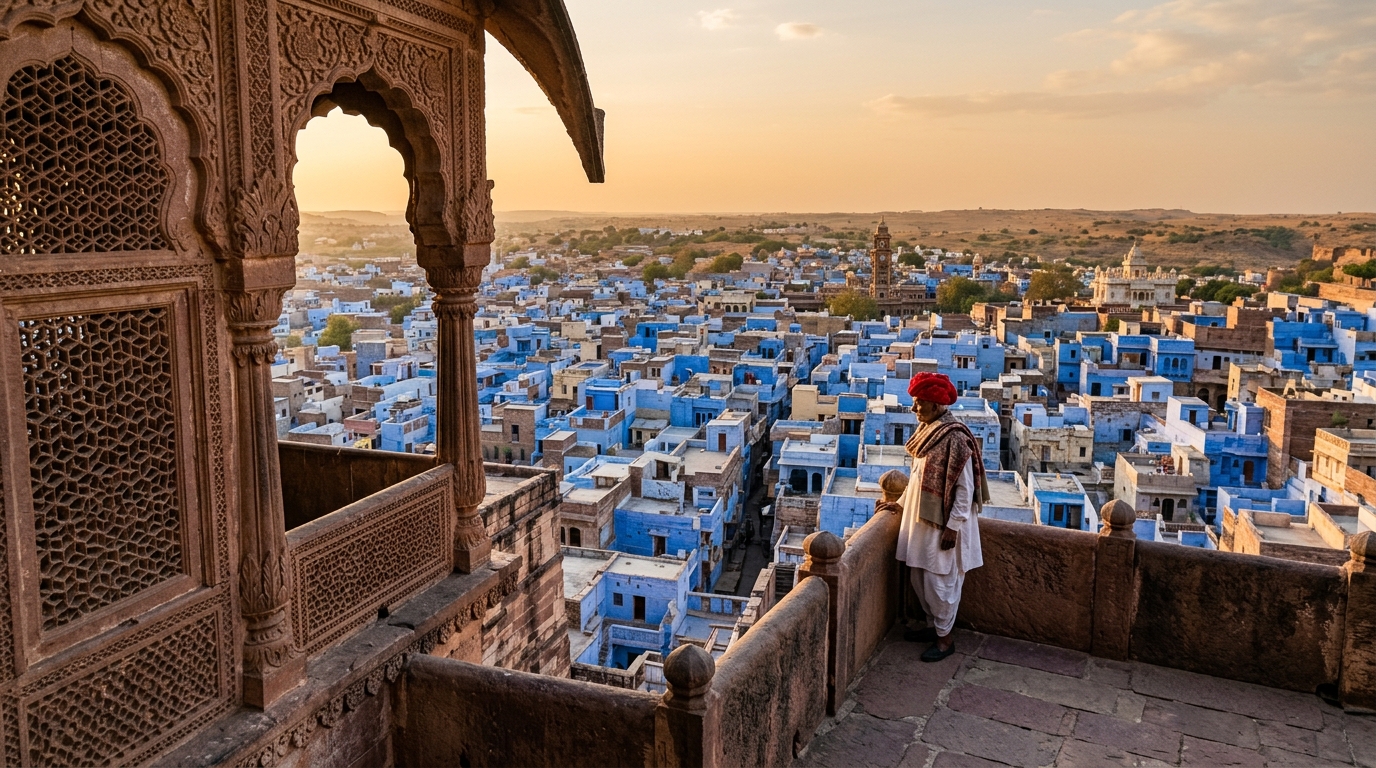
Rajasthan represents the popular imagination of historic India with its desert fortresses, ornate palaces, and legendary tales of chivalry. As part of regional cultural tours, India features Rajasthan’s iconic forts that double as living museums. Beyond Jaipur, the state extends into the Thar Desert, where cities like Jodhpur and Jaisalmer served as vital trade outposts on the ancient Silk Route caravans. In Jodhpur, the massive Mehrangarh Fort looms over the blue-painted houses of the old city, showcasing Rajput military engineering. Jaisalmer, with its golden sandstone fort that still houses roughly a quarter of the city’s population, offers a glimpse of medieval urban life. Further south, the lake city of Udaipur presents a softer, more romantic aspect of Rajput culture, with its white marble palaces reflecting off Lake Pichola. Making Rajasthan central to cultural tours, India packages often highlight the preservation of folk music communities, who have kept oral musical traditions alive for centuries.
Spiritual India: Varanasi, Ayodhya, and Haridwar
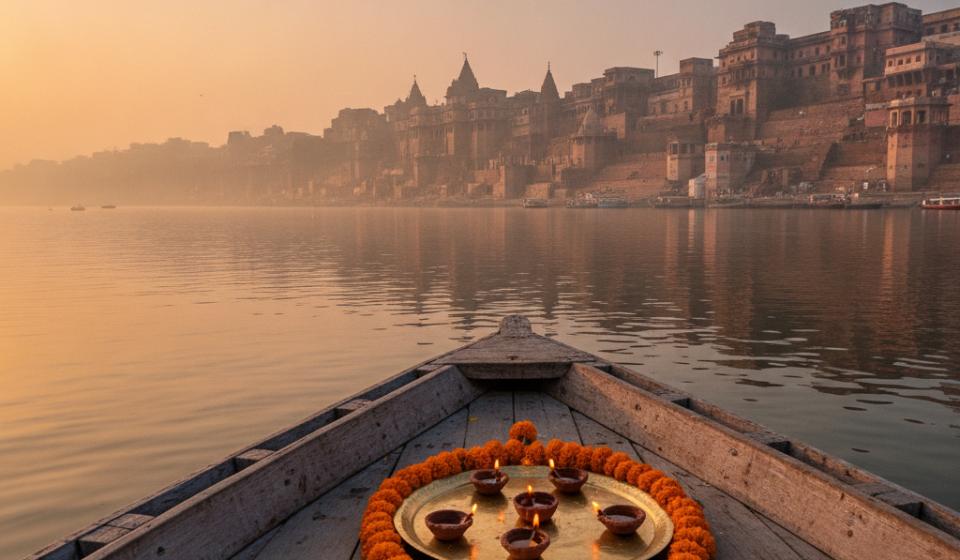
To experience spiritual cultural tours, India has several sacred river hubs that provide unparalleled depth along the sacred Ganges River and its tributaries. Varanasi, arguably one of the oldest continuously inhabited cities in the world, is the spiritual heart of Hinduism. The city is defined by its stone steps (ghats) leading down to the river, where pilgrims gather daily for ritual bathing and cremation ceremonies. Observing the evening Ganga Aarti, a highly choreographed ritual of light and chants, offers a profound look into the devotional life of the country. Further north, Haridwar serves as the gateway to the Himalayas, where the Ganges enters the plains. Nearby, Ayodhya offers rich historical layers associated with ancient epics, presenting visitors with historic temples. Among these spiritual cultural tours, India reveals its deepest devotion, showing how faith governs daily schedules, architecture, and social structures.
Southern Heritage: Kerala, Tamil Nadu, and Hampi
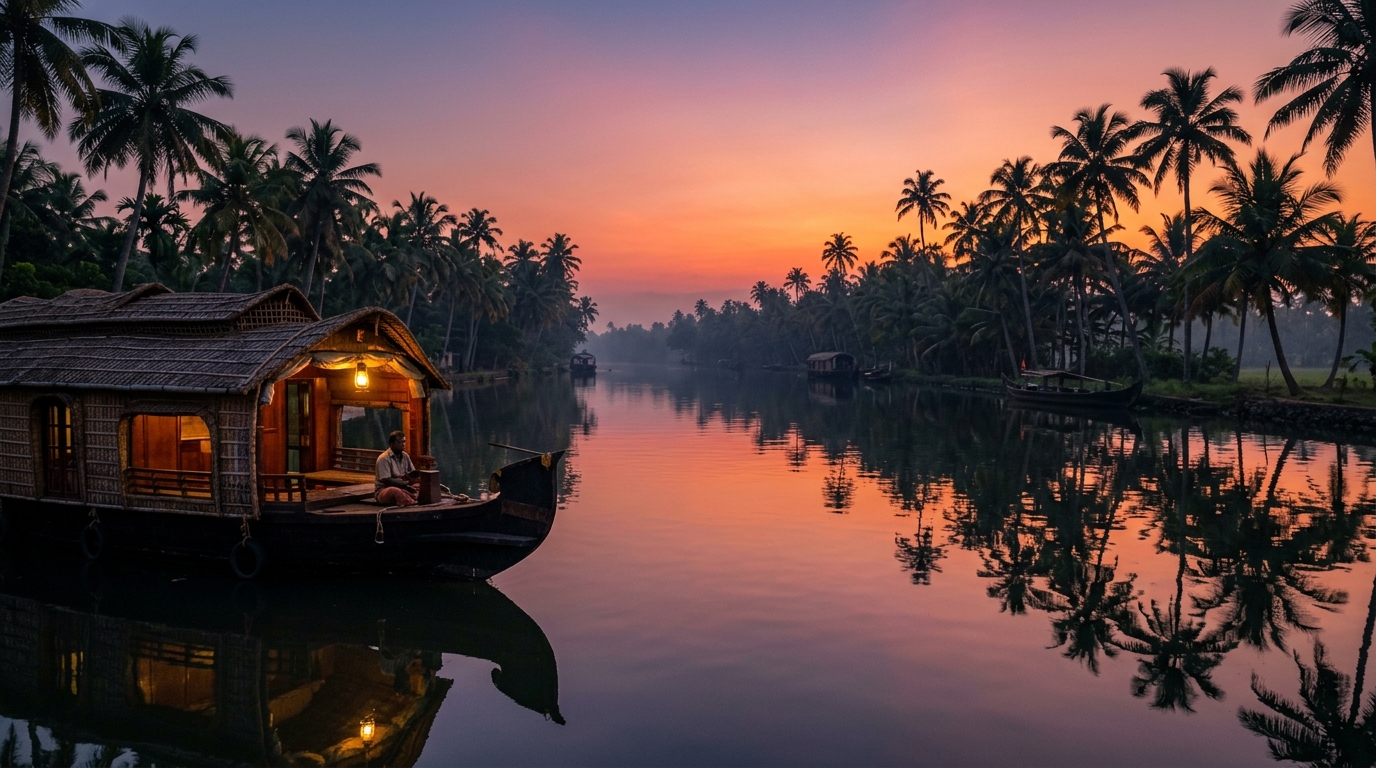
Through southern cultural tours, India displays a preserved Dravidian architecture and a distinct rhythm of life that remained largely isolated from foreign invasions. Tamil Nadu is home to massive living temple complexes, such as the Meenakshi Temple in Madurai and the Brihadisvara Temple in Thanjavur. These are not merely places of worship but massive administrative and artistic centers that patronized bronze casting, classical dance, and stone carving. In neighboring Karnataka, the ruins of Hampi (the capital of the historic Vijayanagara Empire) present a unique terrain of granite boulders interspersed with ruined palaces, temples, and aqueducts. Further west, Kerala offers a unique combination of coastal trade history, spice plantations, and classical arts like Kathakali dance-drama. These coastal elements enrich the cultural tours, India portfolio, proving that the country’s heritage is as varied as its geography.
Key Cultural Experiences to Look For
An authentic itinerary must prioritize active participation over passive observation. During authentic cultural tours, India communicates its history through physical crafts, musical expressions, and culinary traditions that require direct engagement from the traveler, turning a simple vacation into a profound learning experience.
Art, Craft, and Architecture
The architectural styles of the subcontinent tell stories of cultural synthesis. For instance, the Indo-Islamic style seen in Agra and Delhi combines Persian geometric symmetry with Hindu decorative motifs like lotus flowers and stone brackets. When evaluating art-focused cultural tours, India preserves centuries-old methods of production. Visitors can witness block printing in Rajasthan, bronze casting in Tamil Nadu, or silk weaving in Varanasi. Supporting these artisan communities through direct purchases is a vital aspect of responsible tourism. It ensures these intricate skills remain economically viable for the next generation. This support is critical because, as a study by the World Travel and Tourism Council in late 2025 noted, heritage travelers spend roughly 38% more than standard leisure tourists, which directly aids local preservation.
Classical Music, Dance, and Folklore
The performing arts in India are deeply rooted in sacred texts and ancient treatises like the Natya Shastra, the foundational text for performing arts. In the sphere of performing arts cultural tours, India organizes grand regional festivals that attract top talent from across the country. Understanding the difference between northern Hindustani and southern Carnatic music systems reveals how regional isolation and external trade shaped artistic expression. Similarly, classical dance forms like Bharatanatyam (from Tamil Nadu), Kathak (from Uttar Pradesh), and Kathakali (from Kerala) use intricate hand gestures (mudras) and facial expressions to tell stories from Indian mythology. Attending an performance in a historic setting, such as a temple courtyard or a heritage haveli, is far superior to watching a staged show in a hotel, offering an atmospheric connection to the art.
Culinary Journeys and Traditional Cooking
Food is perhaps the most accessible and expressive medium of Indian culture. Every state, and often every district, features a unique culinary vocabulary governed by geography, religion, and trade history. For food lovers on cultural tours, India serves as a giant kitchen where spices are treated not just as flavoring agents but as medicinal elements based on Ayurvedic principles. A culinary tour might involve learning the complex art of spice blending in a family home in Jaipur, exploring the vegetarian temple kitchens of South India, or sampling the rich, meat-centric Mughlai dishes of Old Delhi. These culinary experiences offer deep insights into domestic life and social structures, as the rules of preparing and sharing food are closely linked to community identity and regional heritage.
Structuring Your Cultural Tours in India: A Comparative Overview
When planning a trip of this scale, selecting the right itinerary requires balancing travel times, physical comfort, and specific cultural interests. To help plan cultural tours, India options are summarized in the comparison below, highlighting three classic routes designed for different traveler profiles.
| Itinerary Name | Primary Regions Covered | Ideal Duration | Best Suited For | Key Cultural Highlights |
|---|---|---|---|---|
| The Imperial North | Delhi, Agra, Jaipur, Jodhpur | 8 to 10 Days | First-time visitors | Mughal architecture, Rajput forts, craft bazaars |
| Spiritual Ganges Corridor | Delhi, Varanasi, Haridwar, Rishikesh | 7 to 9 Days | Spiritual seekers, history enthusiasts | Evening Ganga Aarti, ancient ghats, yoga heritages |
| Southern Dravidian Heritage | Chennai, Madurai, Thanjavur, Kerala Backwaters | 10 to 12 Days | Return travelers, art historians | Bronze casting, monumental temples, classical dance |
When selecting cultural tours, India travel packages should be matched to your personal stamina and interests. Northern routes often involve busier cities and more travel by road or rail, while southern routes tend to have a slightly more relaxed pace, particularly when incorporating coastal regions.
Best Time to Plan Your Cultural Journey
The geography of the Indian subcontinent creates highly diverse weather patterns, making timing a critical factor in the success of your trip. To optimize cultural tours, India seasonal patterns must be studied carefully before booking flights.
Here is a breakdown of the best seasons to experience cultural tours in India:
- Peak Season (October to March): Ideal weather with temperatures between 15°C and 25°C. This is the prime time for outdoor heritage walks and major festivals like Diwali, Holi, and Rajasthan’s desert celebrations.
- Shoulder Season (September & April): Fewer crowds at iconic monuments and lower rates for heritage properties, offering a balanced and peaceful travel experience.
- Off-Peak Season (May to August): The summer heat followed by the monsoon. While challenging for outdoor excursions, it is excellent for experiencing local rainfall festivals and traditional Ayurvedic wellness retreats in the South.
Traveling during the shoulder seasons (September and April) can offer distinct advantages, such as fewer crowds at major monuments and more competitive pricing for heritage accommodations, which makes a big difference.
Essential Tips for Cultural Travel in India
Exploring a country with such deep-seated traditions requires a high level of cultural sensitivity and preparation. To get the most out of cultural tours, India guidelines suggest respecting local norms to ensure a harmonious experience for both travelers and host communities. First, modesty in dress is paramount, particularly when visiting active religious sites. Both men and women should keep their shoulders and knees covered. (Carrying a light scarf is highly recommended for women, as it can be easily used to cover the head when entering temples, mosques, or Sikh gurdwaras). Shoes must always be removed before entering any place of worship, and many sites will also restrict the entry of leather items like belts or bags.
- Always ask for permission before taking photographs of local people, especially during religious rituals or inside temple sanctums.
- Use your right hand for eating, greeting, and exchanging money, as the left hand is traditionally associated with personal hygiene.
- Hire certified local guides registered with the Ministry of Tourism to ensure accurate historical context and ethical travel practices.
Following these tips ensures cultural tours, India experiences remain positive, fostering genuine mutual respect between visitors and local hosts. Additionally, employing a certified guide who respects local customs can bridge communication gaps and prevent accidental misunderstandings. This small step guarantees that your exploration remains respectful, collaborative, and deeply educational for everyone involved.
Frequently Asked Questions (FAQs)
Planning a heritage trip often brings up practical questions about logistics, dress codes, and formal documentation. Below are the answers to the most common queries regarding cultural travel in the subcontinent.
Do I need a visa for cultural tours in India?
Yes, almost all international visitors require a valid entry permit before arriving in the country. The government of India offers an Electronic Travel Authorization (e-Visa) system for citizens of over 160 countries. This digital application is highly convenient and must be completed online at least four days before your scheduled arrival. Depending on your nationality, e-Visas are available for durations of 30 days, one year, or five years, allowing multiple entries for tourism purposes. Travelers should ensure their passports have at least six months of validity remaining and two blank pages. When planning cultural tours, India visa regulations are a common query, and utilizing professional visa services can prevent common application errors and ensure a smooth start to your journey.
| e-Visa Type | Validity Period | Allowed Entries | Processing Time | Key Requirements |
|---|---|---|---|---|
| 30-Day Double Entry | 30 Days from entry date | Double | 72-96 Hours | Passport (6 months validity), digital photo, fee |
| 1-Year Multi-Entry | 365 Days from grant date | Multiple | 72-96 Hours | Passport, return ticket, financial proof |
| 5-Year Multi-Entry | 5 Years from grant date | Multiple | 72-96 Hours | Passport, digital photo, background check details |
How should I dress when visiting religious sites in India?
During temple visits on cultural tours, India customs expect modesty and respect. Loose, breathable clothing that covers both shoulders and knees is the standard requirement. For women, long skirts, loose trousers, or traditional Indian tunics (salwar kameez) are ideal. Men should avoid sleeveless shirts and shorts. Many religious sites require visitors to cover their heads before entering; hence, carrying a lightweight cotton scarf or shawl is highly practical. Footwear must always be left at the designated shoe counters outside the sacred premises. (It is often wise to wear slip-on shoes or carry a spare pair of socks, as the stone courtyards can become quite warm under the afternoon sun). MODESTY is key when entering these spaces.
What is the best way to get around during cultural tours in India?
Arranging transport for cultural tours, India destinations requires a strategic combination of flights, trains, and private vehicles. For long distances between major heritage hubs, domestic flights are highly efficient. However, traveling by train is arguably one of the most iconic Indian cultural experiences in itself, offering a fascinating look at the country’s social fabric. For shorter regional journeys and city exploration, hiring a private air-conditioned car with a professional driver is the most comfortable and flexible option. It allows you to travel at your own pace, stop at minor heritage sites along the route, and manage your schedule without relying on public transport timetables. Within historic city centers, traditional auto-rickshaws provide an efficient way to get through narrow lanes.
Conclusion
Ending your cultural tours, India leaves you with memories that go far beyond standard travel snapshots. The experience of watching the sunrise over the Ganges, listening to the echoing chants of a temple ceremony, or sharing a traditional meal in a heritage home changes how you view the world. These encounters remind us that culture is not a static relic of the past, but a living, breathing force that shapes communities and guides daily life.
Ultimately, investing in cultural tours, India offers an unparalleled return in personal enrichment. By stepping off the beaten path, choosing responsible travel practices, and engaging deeply with local traditions, you contribute to the preservation of these historic communities. The warmth of local hospitality and the depth of the history will likely draw you back, revealing new layers of this complex and beautiful land with every visit.