

The Ultimate Guide to Cryptid Tourism in India: Exploring Local Legends and Mysterious Wilderness Trails

The pursuit of the unexplained has long driven humanity into the earth’s most hostile and remote corners. While traditional safaris offer glimpses of known wildlife, a growing sub-genre of adventure travel focuses on the legendary, undocumented creatures known as cryptids. In India, this search spans the freezing altitudes of the Himalayas to the dense, impenetrable rainforests of the northeast. At the same time, a modern shift in how global explorers fund and execute these deep-wilderness expeditions has catalyzed the growth of cryptocurrency tourism in india, allowing enthusiasts to secure off-grid travel packages through decentralized networks. This development appeals to those who value financial privacy and decentralized systems, making it easier to arrange complex logistics in regions where conventional banking networks often fail. By combining ancient folklore with advanced payment options, these journeys offer a rare mix of historical mystery and digital-age convenience.
Key Takeaways
- Decentralized Exploration: Cryptocurrency tourism in india is revolutionizing how off-grid adventure travel is funded, bypassing traditional banking limits in remote borderlands.
- Himalayan Mysteries: High-altitude trails in Ladakh offer a gateway to explore ancient Yeti (Migoi) legends using modern GPS and tech-enabled gear.
- Northeastern Legends: The dense, biodiverse jungles of Meghalaya are home to the Mande Burung (Forest Man) folklore, accessible through specialized eco-tours.
- Empowering Local Communities: Peer-to-peer digital transactions allow indigenous guides and eco-lodges to receive direct payments without intermediary fees.
- Expedition Preparation: Successful cryptid tracking requires robust survival gear, experienced local trackers, and secure, cold-storage financial planning.
The Rise of Cryptid Tourism and Wilderness Legends in India
Cryptid tourism has evolved from a niche hobby into a highly structured sector of the adventure travel industry. Travelers are no longer content with standard sightseeing. Instead, they seek out remote geographies where local legends speak of bipedal apes, giant serpents, and unidentified predators. India’s diverse ecological zones (ranging from alpine tundra to tropical marshes) provide the perfect backdrop for these mystery-led expeditions. The growing fascination with these legends has created a unique travel ecosystem. Interestingly, this evolution matches the rise of cryptocurrency tourism in india, as tech-savvy adventurers utilize digital assets to fund their search for these hidden creatures.
Local folklore is not merely a collection of campfire stories; it is an oral history that often reflects undocumented biological realities. When travelers venture into these remote communities, they find that the line between myth and science is remarkably thin. This phenomenon is particularly evident in the border areas, where modern infrastructure is minimal. It is here that cryptocurrency tourism in india serves a practical purpose. By allowing travelers to pay for localized guiding services, specialized equipment, and off-grid stays with digital currencies, blockchain technology bridges the gap between high-tech travelers and isolated indigenous communities. As cryptocurrency tourism in india scales up, more tour operators are designing bespoke packages that cater specifically to this unique intersection of folklore, survivalist trekking, and decentralized finance.
Understanding the role of cryptocurrency tourism in india requires analyzing how modern explorers plan their trips. These are not typical tourists; they are often developers, investors, and technologists who spend long periods off-grid and have unique requirements:
- Specialized Equipment: Carrying high-tech survival gear, satellite communication devices, and tracking tools.
- Expert Tracking: Hiring experienced local guides who possess deep knowledge of remote wilderness terrains.
- Financial Flexibility: Avoiding traditional banking issues such as transaction limits or card freezes in remote Indian borderlands.
- Direct Compensation: Ensuring instant, secure payments directly to local trackers and guides, even in areas completely lacking physical bank branches.
This financial flexibility has unlocked access to some of the most challenging terrains on the subcontinent.
The Himalayan Yeti: Tracking the Abominable Snowman in Ladakh
The high-altitude deserts and snow-capped ridges of the western Himalayas have harbored stories of the Yeti for centuries. Known locally by various names, this elusive creature is described as a massive, ape-like hominid that leaves oversized footprints in the high passes. For the modern explorer, tracking these legends requires exceptional physical endurance, thorough acclimatization, and reliable logistical backing. This extreme environment is another reason why cryptocurrency tourism in india is gaining traction among those who seek to push their physical limits while utilizing modern, decentralized payment systems to organize their journeys.
The Legend of the Migoi and Yeti Footprints
In the high-altitude wilderness, the creature is often referred to as the Migoi or the Mirka. Local nomadic communities, such as the Changpa of the Changthang plateau, have passed down accounts of these towering beings for generations. They describe a creature that possesses immense strength, easily traversing steep ridges that would challenge even the most experienced human mountaineer. Academic researchers have occasionally attempted to dismiss these claims as misidentified Himalayan brown bears or Tibetan blue bears. Still, the consistency of the descriptions across isolated valleys suggests a deeply rooted biological mystery that continues to defy simple explanations.
Over the years, several mountaineering expeditions have documented unusual, large footprints in the snow at altitudes exceeding 5,000 meters. These tracks, showing a distinct bipedal stride and toe structure, do not match any known local fauna. This mystery aligns with the principles of cryptocurrency tourism in india, which prioritizes exploration, technological independence, and the pursuit of unconventional experiences. Explorers who embark on these high-altitude tracks often use digital ledgers to fund independent research teams, purchase advanced thermal imaging gear, and secure reliable mountain guides who can read the subtle signs of the Himalayan wilderness.
Chasing Shadows: Leh Ladakh Trails and High-Altitude Treks
To search for the Yeti, travelers must venture into the most isolated sectors of the region. The trails around the Hemis National Park and the Changthang Wildlife Sanctuary offer the best opportunities to study these local legends. These areas are characterized by extreme cold, thin air, and rugged terrain. Organizing an expedition here requires meticulous planning, from securing inner line permits to hiring pack mules. Travelers can experience this dramatic alpine region through a specialized Leh Ladakh tour package, which provides the necessary infrastructure to explore these mysterious highlands safely.
But still, the challenge of navigating these high-altitude trails is significant, as weather conditions can change in a matter of minutes. This is why having access to robust financial assets is vital for emergency evacuation planning. The integration of cryptocurrency tourism in india allows explorers to keep emergency funds in secure, digital wallets that can be accessed instantly from any satellite internet terminal. Whether paying for emergency helicopter services or securing additional high-altitude porters on short notice, the utility of decentralized finance in these extreme conditions is undeniable. It ensures that the focus remains entirely on the expedition, rather than on the limitations of regional banking services.

Mande Burung: The Forest Man of Meghalaya
In the northeast of India, the dense tropical rainforests of Meghalaya hold a different kind of mystery. Here, deep within the Garo and Khasi Hills, lives the legend of the Mande Burung. Described as a massive, hair-covered hominid resembling the North American Bigfoot or the Indonesian Orang Pendek, this creature is said to inhabit the thickest, most inaccessible parts of the jungle. Enthusiasts of cryptocurrency tourism in india often combine their passion for digital assets with these deep-forest expeditions, utilizing decentralized platforms to book highly customized, low-impact eco-tours in these ecologically sensitive zones.
Garo Hills: Deep Inside India’s Most Enigmatic Jungles
The Garo Hills, particularly the area surrounding Nokrek National Park and the Balpakram canyon, are famous for their biological diversity and dense canopy cover. This region receives some of the highest rainfall on the planet, creating a lush, primeval environment where new species of flora and fauna are still being discovered. The local Garo people have coexisted with the legend of the Mande Burung for centuries. They describe it as a peaceful yet highly elusive creature that feeds on wild fruits, roots, and occasionally fish, avoiding human contact at all costs.
The terrain here is exceptionally challenging, characterized by steep gorges, thick bamboo thickets, and fast-flowing rivers. Exploring these jungles requires deep local knowledge, which is why hiring indigenous Garo guides is absolutely essential. The infrastructure supporting cryptocurrency tourism in india in these northeastern regions has grown as local eco-lodges and community-led tourism initiatives begin to recognize the value of digital payments. By accepting direct peer-to-peer transfers, these local communities can retain a larger share of the tourism revenue, bypassing urban intermediaries and traditional banking fees that often drain resources from rural areas.
Assam-Meghalaya Wilderness Routes for Modern Explorers
For those looking to explore these ancient forests, a comprehensive journey through the region is the most effective approach. An organized Assam Meghalaya tour package offers a structured route that transitions from the wildlife-rich plains of Assam to the misty hills of Meghalaya. This route allows travelers to search for clues of the Mande Burung while experiencing the rich cultural heritage and natural wonders of Northeast India. These trails take explorers through sacred groves, living root bridges, and deep limestone caves that have remained unexplored for centuries.
While some travelers might prefer standard tourist sites, the true appeal of these states lies in their untouched wilderness. The expansion of cryptocurrency tourism in india into these states has enabled a new wave of conservation-minded travelers to fund local forestry and wildlife tracking initiatives. These tech-enabled explorers use blockchain technology to ensure their travel spending directly funds the preservation of the very habitats they are investigating. This ethical approach to adventure travel ensures that the search for the Mande Burung helps protect the biodiversity of the region for future generations.
The Intersect: Technology, Adventure, and Cryptocurrency Tourism in India
The emergence of cryptocurrency tourism in india represents a fascinating convergence of high-technology and primal exploration. At first glance, the digital realm of blockchain seems entirely disconnected from the muddy, rain-soaked trails of the Indian wilderness. However, these two worlds are increasingly overlapping. Modern adventurers are using decentralized technologies to redefine how expeditions are financed, organized, and recorded, creating a highly resilient model for remote travel.
Why Crypto Investors Seek Extreme Wilderness Trails
Many individuals who have achieved financial independence through digital assets are drawn to extreme travel experiences. Having conquered the digital frontier, they seek physical challenges that offer a stark contrast to their screen-based lives. They are typically driven by three primary desires:
- Authentic Physical Trials: Seeking raw adventures that test their physical endurance and survival instincts in harsh environments.
- Pursuit of the Unexplained: Satisfying intellectual curiosity by investigating ancient legends and undocumented biological mysteries.
- Decentralized Autonomy: Matching their financial philosophy of independence with self-sufficient, off-grid exploration.
The rise of cryptocurrency tourism in india has proven that these individuals are looking for more than just luxury resorts; they want true mystery and adventure.
By integrating blockchain payments, cryptocurrency tourism in india provides these travelers with the level of privacy, speed, and autonomy they expect. In a note that slipped quietly under the radar, global tourism analysts mentioned that high-net-worth tech travelers are increasingly choosing destinations based on the availability of decentralized payment options. This is not merely a matter of convenience. It is a philosophy that values decentralized systems over centralized control. When these travelers venture into the Indian wilderness, they want their financial transactions to match their decentralized worldview, and cryptocurrency tourism in india makes this possible.
“The modern explorer is no longer just carrying a compass and a notebook. They are equipped with satellite transponders, decentralized digital wallets, and blockchain-based logs that record their geographical coordinates and environmental data in real time, creating an unalterable record of their journey.”
Critics argue that cryptocurrency tourism in india is too niche to have a lasting impact on the broader travel sector. They are not entirely wrong, as the average tourist still relies on credit cards and fiat currency. But still, they underestimate how quickly technology is adopted in remote areas. For a local guide in Arunachal Pradesh or Ladakh, receiving payment in a stable digital asset can be far more reliable than waiting for a bank wire that might take weeks to clear. Advocates of cryptocurrency tourism in india point out the transformative potential of peer-to-peer finance in developing regions, showing how it empowers local entrepreneurs without the need for traditional banking infrastructure.
How Decentralized Finance Powers Remote Borderland Tourism
In many of India’s border regions, such as the high-altitude trails of Arunachal Pradesh or the deep forests along the Myanmar border, traditional banking infrastructure is virtually non-existent. There are no ATMs for miles, and local merchants are often hesitant to accept international credit cards due to high fees and fraud risks. This is where the practical utility of cryptocurrency tourism in india becomes obvious. By using lightweight, mobile-friendly digital wallets, travelers can conduct transactions directly with local service providers, ensuring that funds are transferred instantly and securely.
| Feature | Traditional Banking Payments | Cryptocurrency Payments (DeFi) |
|---|---|---|
| Processing Speed | 3-5 business days for international wire transfers | Near-instantaneous peer-to-peer settlement |
| Network Availability | Requires physical branches or active ATM networks | Accessible offline via pre-loaded wallets & satellite net |
| Transaction Fees | High conversion fees (up to 5-10% in remote regions) | Minimal network gas fees (often under 1%) |
| Security | Risk of card cloning, freezing, or physical cash theft | Secured by cryptography; offline cold-storage option |
| Direct Support | Intermediary banks drain revenue from local communities | 100% of payment goes directly to indigenous guides |
The future of cryptocurrency tourism in india looks promising as more regional operators adopt digital assets. According to a Chainalysis report, India ranked first in global grassroots crypto adoption in late-2024, highlighting the country’s rapid integration of digital finance. This widespread domestic familiarity makes it much easier for international cryptocurrency tourism in india participants to find local businesses, guides, and drivers who are willing to accept digital tokens. Local communities also benefit from cryptocurrency tourism in india because it protects them from the high inflation rates and currency conversion fees associated with traditional banking systems, allowing them to keep 100% of their hard-earned income.
When discussing cryptocurrency tourism in india, one cannot ignore the security benefits it offers to the travelers themselves. Carrying large amounts of physical cash through remote borderlands presents significant safety risks. By utilizing digital assets, travelers can secure their funds in cold storage (hardware wallets that keep digital assets completely offline) until they need to make a transaction. This minimize the risk of theft and ensures that their financial resources remain secure, even if they lose their physical luggage or gear during a strenuous trek through the jungle.
Other Mysterious Cryptids of the Indian Subcontinent
While the Yeti and the Mande Burung are the most famous cryptids in India, the subcontinent is home to numerous other legends that warrant close investigation. From the Western Ghats to the Indo-Gangetic plains, local communities have long documented encounters with strange, unclassified animals. Those engaging in cryptocurrency tourism in india frequently explore these lesser-known regions, using their digital assets to commission independent research and exploratory treks into these untamed areas.
The Muhnochwa and the Kallana of the Western Ghats
In the early 2000s, the rural areas of Uttar Pradesh were gripped by panic over a creature known as the Muhnochwa (the face-scratcher). Described as a small, fast-moving cryptid with glowing red or blue lights, it was said to attack villagers in the dead of night. While skeptics attributed the sightings to mass hysteria or ball lightning, many local residents remain convinced that a physical, unknown creature was responsible for the attacks. Exploring these northern plains offers a fascinating look into how modern folklore develops in densely populated rural environments.
Further south, in the misty, high-altitude rainforests of the Western Ghats, lives the legend of the Kallana. This is a rumored breed of pygmy elephant, standing roughly speaking five feet tall, which is said to inhabit the steep, rocky slopes of Kerala. Unlike the common Indian elephant, the Kallana is described as being exceptionally agile, capable of climbing rocky terrain with the ease of a mountain goat. This is a key highlight for cryptocurrency tourism in india seekers who want to explore the southern wilderness, as the Western Ghats offer some of the most biodiverse and biologically rich trails in the country.
Wilderness Survival Tips for Cryptid Seekers
Venturing into these remote terrains requires more than just an adventurous spirit; it demands rigorous physical preparation and strict adherence to safety protocols. Whether you are trekking through the freezing Himalayan passes or navigating the humid, leech-infested jungles of the northeast, having the right survival skills can make the difference between a successful expedition and a life-threatening emergency. Such safety protocols are essential for cryptocurrency tourism in india participants who often travel to areas far removed from modern medical facilities.
Before setting out on any cryptid hunt, ensure you have packed the following essential survival items:
- Satellite Messenger: A reliable GPS communication device that works independently of cellular networks, allowing you to send SOS signals and coordinate pick-ups.
- Water Purification System: Portable filtration pumps or chemical treatment tablets to ensure access to clean drinking water in the wild.
- Thermal Protection: High-performance, lightweight clothing layers designed to handle extreme temperature fluctuations, from freezing mountain nights to humid jungle days.
- First Aid Kit: A comprehensive medical kit containing trauma bandages, snakebite treatment, antiseptic wipes, and essential personal medications.
In addition to physical gear, travelers must possess a deep respect for the local environment and its wildlife. Never attempt to track a cryptid or explore deep wilderness without a certified local guide who understands the terrain and animal behavior. For those planning around cryptocurrency tourism in india, selecting travel agencies that prioritize ecological conservation and support local communities is a crucial step in ensuring a safe and ethical adventure.
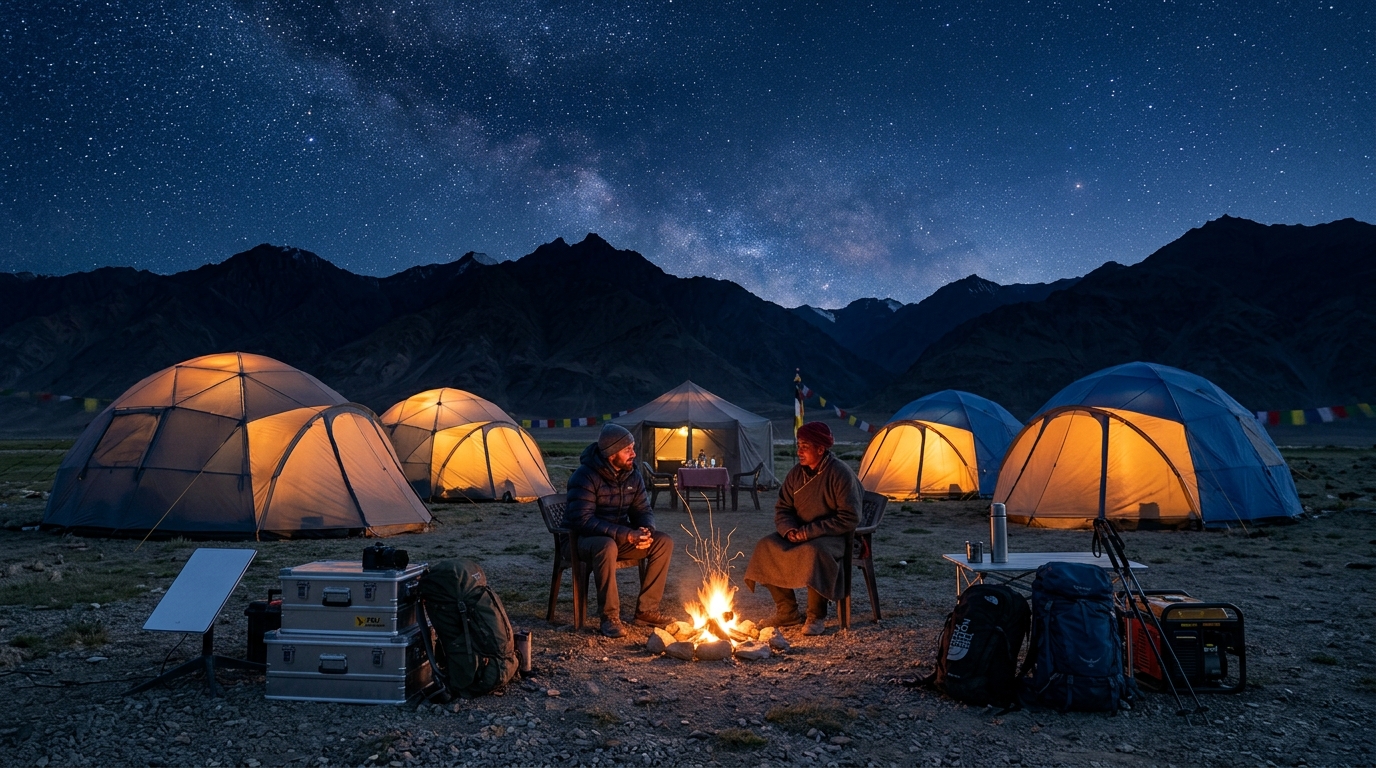
Planning Your Expedition: Practical Guide and Tour Packages
Organizing a high-altitude or deep-jungle expedition in India requires careful coordination of logistics, permits, and financial transactions. For those interested in cryptocurrency tourism in india, the process begins with selecting a reputable agency that can facilitate both your travel arrangements and your preferred digital payment methods. The standard operating procedure for cryptocurrency tourism in india involves choosing a package, verifying the regulatory requirements of your destination, and ensuring your digital wallet is fully prepared for off-grid use.
Comparative Overview of Cryptid Exploration Trails
To help you choose the right destination for your adventure, the following table compares key regions for cryptocurrency tourism in india and details the specific cryptid legends, terrain difficulties, and best times to visit each location:
| Region | Target Cryptid | Terrain Difficulty | Optimal Travel Window | Primary Base Camp |
|---|---|---|---|---|
| Ladakh Highlands | Himalayan Yeti (Migoi) | Extreme (High Altitude) | June to September | Leh |
| Garo Hills (Meghalaya) | Mande Burung (Forest Man) | Challenging (Dense Jungle) | October to April | Tura |
| Western Ghats (Kerala) | Kallana (Pygmy Elephant) | Moderate (Rainforest) | September to March | Munnar |
| Arunachal Rainforests | Unknown Apex Predators | High (Mountain Slopes) | November to April | Roing |
As cryptocurrency tourism in india becomes more streamlined, many of these base camps are developing local networks of merchants who accept digital tokens for basic goods, meals, and guiding services. This makes it increasingly feasible to travel through these regions with minimal reliance on physical cash, allowing for a more seamless and modern travel experience.
Securing Your Off-Grid Indian Adventure
Once you have selected your destination, the next step is securing your bookings and completing the necessary paperwork. This is particularly important for regions like Arunachal Pradesh, which require special Inner Line Permits (ILPs) for domestic tourists and Protected Area Permits (PAPs) for international visitors. If you are planning to travel to the northeastern states, a structured tour option like an Arunachal Pradesh tour package can save you considerable time and effort by handling these administrative details on your behalf.
Booking portals that support cryptocurrency tourism in india now offer integrated services where you can pay for your permits, transport, and lodging using various digital assets. It is highly recommended for cryptocurrency tourism in india travelers to keep backup physical copies of all permits and transaction receipts, as digital networks can be offline for days at a time when you are deep in the wilderness. By combining the convenience of digital finance with the reliability of established local travel agencies, you can embark on your search for India’s legendary cryptids with absolute peace of mind.
Conclusion
The unique combination of wilderness exploration and cryptocurrency tourism in india offers an unparalleled experience for the modern, tech-minded adventurer. By stepping off the well-trodden tourist paths and venturing into the mysterious regions where local legends live, you are not just taking a vacation; you are participating in a grand tradition of exploration and discovery. Whether you are searching for the footprints of the Yeti in the frozen passes of Ladakh, tracking the elusive Mande Burung through the dense jungles of Meghalaya, or seeking out the agile Kallana in the high rainforests of the Western Ghats, these journeys will challenge your body, expand your mind, and leave you with stories that last a lifetime.
Embracing cryptocurrency tourism in india allows global explorers to support local communities directly, preserve fragile ecosystems, and enjoy financial freedom and security in the most remote corners of the world. Ultimately, cryptocurrency tourism in india represents the ultimate fusion of our ancient past and our digital future, proving that even in an age of global connectivity and advanced technology, there are still plenty of mysteries left in the wild, waiting to be uncovered by those brave enough to seek them out.