
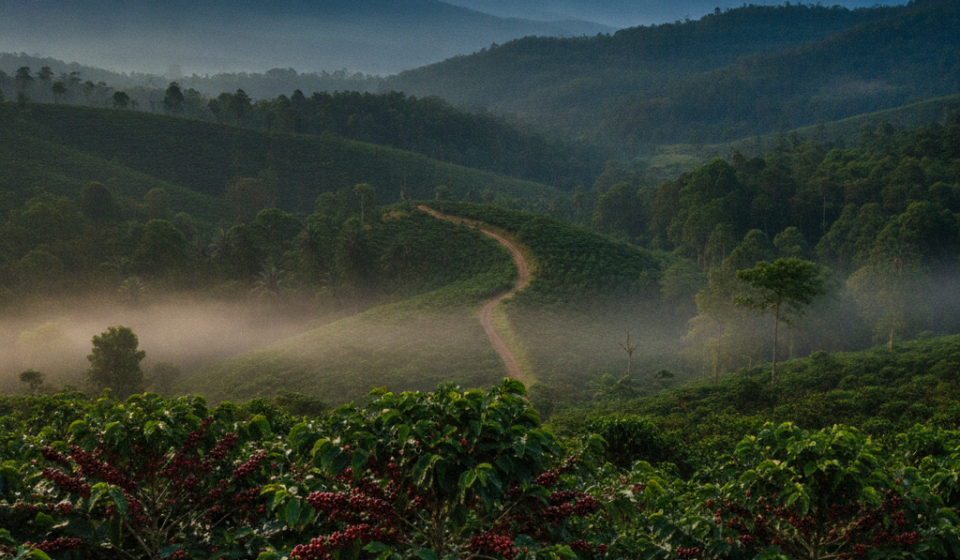

Planning a trip to the Scotland of India requires more than just picking a hotel. Coorg, or Kodagu, offers a dense landscape of coffee estates, misty mountains, and ancient temples. A well-structured Coorg itinerary allows travellers to experience the region without feeling rushed or overwhelmed by the winding hill roads. This guide provides a strategic framework for a three-day visit, balancing iconic viewpoints with the quieter pace of local life.
- Optimal Duration: A 3-day Coorg itinerary is the perfect timeframe to experience both popular sightseeing spots and tranquil coffee estates without rushing.
- Geographical Strategy: Grouping attractions by region (Madikeri, Northern Bylakuppe, and Southern Talakaveri) reduces travel fatigue on winding roads.
- Best Mode of Transport: Hiring a private cab or taxi is highly recommended for safety and convenience across steep terrains.
- Cultural Diversity: Coorg offers a unique blend of Kodava heritage, Tibetan Buddhist culture in Bylakuppe, and stunning natural landscapes.
Why Three Days in Coorg
Coorg is a district that rewards slow exploration rather than rapid sightseeing. While many visitors attempt to compress the experience into a single weekend, three days represent the ideal duration. This timeframe permits a genuine connection with the local environment, from the sprawling coffee plantations to the dense forest reserves.
The primary advantage of a three-day plan involves regional grouping. Coorg is geographically vast, and the terrain consists primarily of steep inclines and sharp bends. By dedicating specific days to distinct areas, logistics become manageable rather than burdensome. This structure minimizes time spent in transit, which is essential given that average road speeds remain low.
Key Considerations for Your Trip
- Logistics: Hiring a private taxi for the duration of the trip remains the most efficient choice for navigating between attractions.
- Seasonality: The monsoon season from June to September brings intense rain, making some outdoor trails inaccessible.
- Accommodation: Choose a homestay located on a coffee estate to gain an authentic perspective on the regional economy.
Day 1: The Heart of Madikeri and Heritage
The first day focuses on the administrative and historical center of the district, Madikeri. This town acts as the primary hub and serves as an excellent starting point for orienting oneself within the region. The elevation here provides cooler temperatures, which are welcome regardless of the time of year.
Begin the morning exploring Madikeri’s key historical landmarks:
- Raja Seat: A historical viewpoint offering sweeping panoramic views of the surrounding valleys, once favored by the kings of Kodagu.
- Madikeri Fort: A historical structure holding rich stories of the region’s past, featuring a small museum.
- Omkareshwara Temple: An architectural marvel that uniquely blends Gothic and Islamic styles with traditional South Indian heritage.
| Location | Focus Area |
|---|---|
| Raja Seat | Panoramic views and photography |
| Madikeri Fort | Local history and museum access |
| Omkareshwara Temple | Unique architectural heritage |
After a local lunch, spend the afternoon walking through the Abbey Falls area. While popular, the cascading water amidst the spice and coffee trees remains a quintessentially Kodagu experience. Ensure you reach the waterfall early to avoid the peak afternoon crowds.
Day 2: Spirituality and Nature
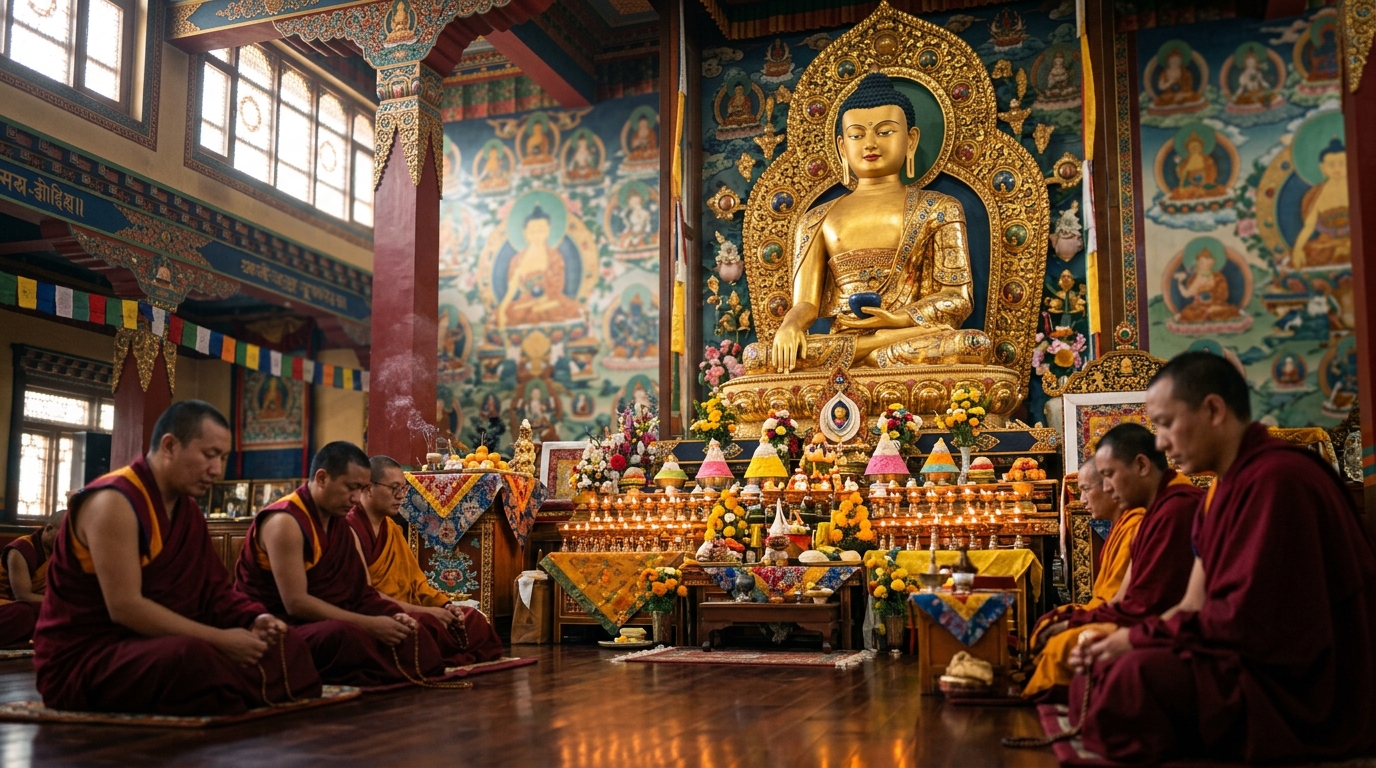
The second day of this Coorg itinerary shifts toward the northern part of the region, focusing on the Namdroling Monastery in Bylakuppe. As one of the largest Tibetan settlements in India, the monastery complex is visually striking and offers a distinct shift in cultural atmosphere compared to the rest of the district.
To get the most out of your visit to Bylakuppe and Nisargadhama, keep these details in mind:
- Namdroling Monastery: Take your time to appreciate the massive golden statues and intricate wall murals. Visitors are encouraged to observe active prayer sessions silently.
- Nisargadhama Forest Park: A peaceful island formed by the Cauvery River, perfect for a quiet walk amidst towering bamboo groves and teak trees.
The atmosphere at Namdroling Monastery provides a profound sense of stillness, distinguishing it from the active, rugged nature of the surrounding hill stations.
If time permits, visit the Harangi Dam on the return journey. The structure manages irrigation for a significant portion of the region and offers a expansive view of the reservoir. It is a prime location for those interested in industrial architecture or simply looking for a quiet place to observe the sunset.
| Attraction | Key Highlight | Best Time to Visit | Entry Fee (Approx) |
|---|---|---|---|
| Namdroling Monastery | Golden Temple & Tibetan murals | 9:00 AM – 12:00 PM | Free |
| Nisargadhama Park | Bamboo groves & deer park | 12:30 PM – 3:00 PM | INR 10 |
| Harangi Dam | Reservoir views & sunset | 4:00 PM – 6:00 PM | INR 10 |
Day 3: Adventure and Coffee Plantations
On the final day, travel south toward the Talakaveri region. As the source of the river Cauvery, this site holds significant cultural and religious importance. The climb to the Brahmagiri peak nearby offers a challenge for those seeking physical activity, rewarding hikers with clear views of the Western Ghats.
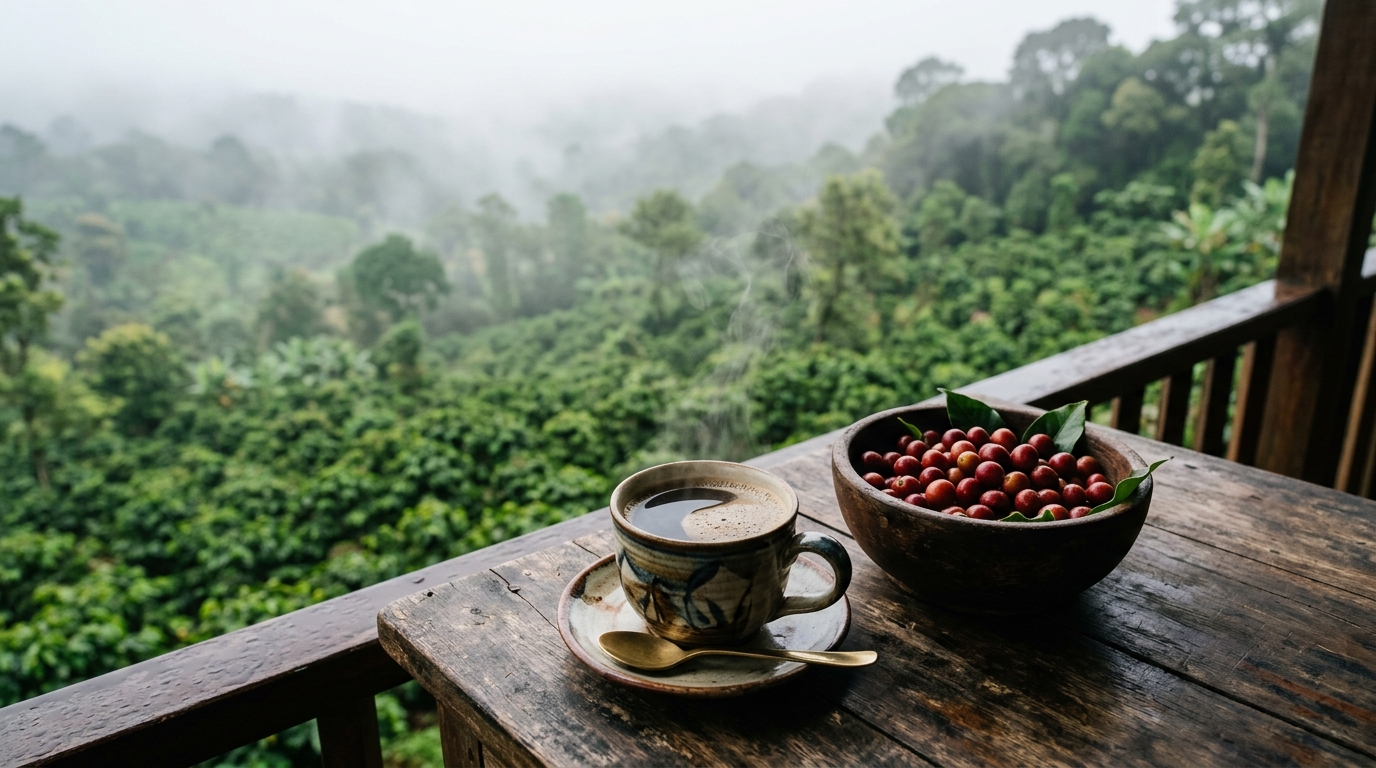
The afternoon should be reserved for exploring the primary industry of Coorg: coffee production. Guided estate tours typically cover:
- The Lifecycle of Coffee: Insights into planting, nurturing, harvesting, and processing coffee cherries.
- Drying and Roasting: Understanding the techniques that lock in the rich flavor profiles of the beans.
- Arabica vs. Robusta: Learn why both varieties thrive uniquely in Coorg’s high-altitude microclimates.
Before concluding the visit, consider these final tips for a smooth experience:
- Local Cuisine: Sample Pandi curry, a traditional pork dish, at a local eatery.
- Coffee Purchases: Buy beans directly from estate owners rather than roadside vendors to ensure quality.
- Connectivity: Download offline maps, as mobile data coverage fluctuates significantly once you leave the main towns.
Conclusion
Executing a well-planned Coorg itinerary relies on acknowledging the geography of the land. By focusing on Madikeri, the monastic centers of the north, and the coffee estates of the south, travelers can capture the essence of the district without succumbing to travel fatigue. Success here is not measured by the number of sites visited, but by the quality of the time spent in one of India’s most ecologically diverse regions. For those requiring assistance with logistics or planning, TravelDham offers comprehensive support for regional excursions across Karnataka.