
The Ultimate Cola Beach Travel Guide: How to Visit Goa’s Secret Lagoon and Coastal Paradise

Goa remains a primary destination for travellers seeking coastal tranquility, yet the crowds often obscure its most pristine corners. Cola Beach stands as a notable exception to the bustling commercial hubs found further north. This destination offers a rare geographical feature where a freshwater lagoon meets the Arabian Sea, creating a distinct environment for those who prioritise seclusion and natural beauty. This Cola Beach travel guide provides the necessary information to plan an effective visit to this southern enclave.
Key Takeaways
- Unique Freshwater Lagoon: Cola Beach is famous for its serene freshwater lagoon running parallel to the Arabian Sea.
- Secluded Escape: Located in South Goa, it remains one of the region’s least commercialised and most tranquil coastal spots.
- Rugged Road Access: Reaching the shore requires navigating a bumpy, unpaved dirt path, which naturally restricts heavy tourist crowds.
- Cash and Connectivity: Network signals are highly unreliable and digital payments often fail; carrying physical cash is essential.
Understanding the Appeal of Cola Beach
Cola Beach serves as a quiet sanctuary away from the high-density tourist circuits. Visitors are drawn to this coastal paradise for several distinct features:
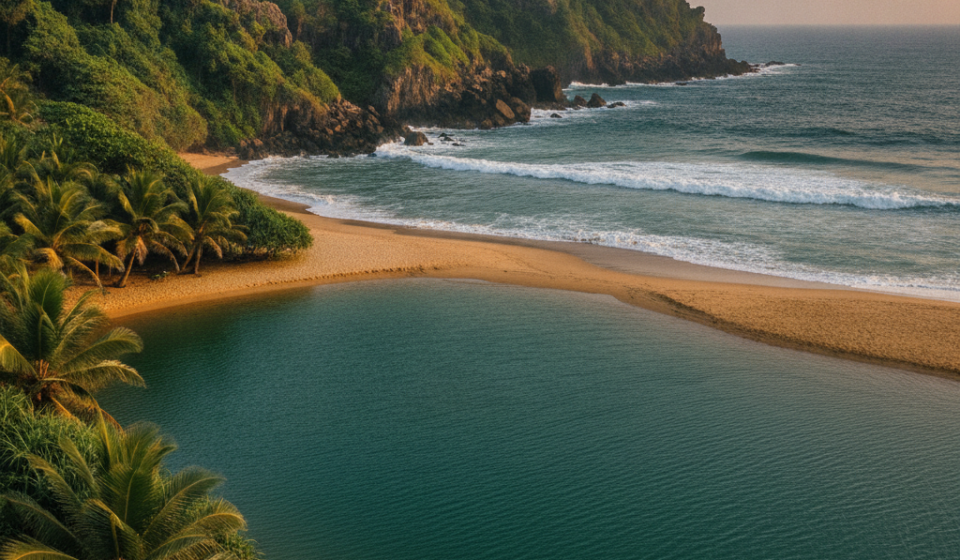
- The Blue Lagoon: A calm freshwater lagoon separated from the ocean by a narrow strip of golden sand.
- Dual Swimming Experiences: The unique geography allows guests to easily switch between the tranquil freshwater lagoon and the active sea surf.
- Eco-Preservation: The lack of extensive commercial development helps protect the local ecosystem and guarantees a peaceful atmosphere.
- Scenic Landscape: Striking, dramatic cliffs surround the shore, offering a majestic backdrop without loud beach shacks.
Best Time to Visit
Selecting the correct timing is essential for a positive experience. Goa follows a clear seasonal pattern that dictates accessibility and weather conditions.
- Peak Season (November to February): This is the most popular window. The weather is dry, comfortable, and sunny, making it ideal for swimming in the lagoon.
- Shoulder Season (March to May): Temperatures rise during these months. It is significantly quieter, though the afternoon heat can be intense for coastal exploration.
- Monsoon Season (June to September): Heavy rainfall and rough sea conditions make swimming unsafe. Many local accommodations and services close during this period.
How to Reach the Destination
Logistics require some planning because the access road to the beach is unpaved and somewhat rugged. This physical barrier contributes to the relative lack of crowds.
| Transport Method | Considerations |
|---|---|
| Private Taxi/Rental Car | The most direct option. Ensure the driver is comfortable with narrow, rural roads. |
| Scooter Rental | Popular for flexibility. Only recommended for experienced riders due to the final unpaved stretch. |
| Local Bus | Not feasible for a direct route. Requires a significant walk from the nearest main road stop. |
For those arriving from Dabolim or Mopa airports, the journey to South Goa takes time. Travellers should allocate at least 90 to 120 minutes for the final leg of the drive from the airport to the Cola area.
Essential Gear and Preparation
Preparation is key since the infrastructure is minimal. Unlike the commercialised beaches near Baga or Calangute, one cannot rely on shops being nearby to supply forgotten necessities.
- Footwear: Sturdy sandals are needed for the uneven paths leading down to the water.
- Sun Protection: High-SPF sunscreen and hats are mandatory, as shade is limited on the open beach.
- Cash: Digital payment networks are unreliable in this remote area. Carry sufficient physical currency for meals and local services.
- Connectivity: Mobile signal strength fluctuates significantly. Download offline maps and plan navigation before departure.
Activities and Experiences
The primary attraction here is the ability to relax in an untouched natural setting. Outdoor activities focus on low-impact engagement with the beautiful landscape:
- Kayaking on the Lagoon: The most popular way to traverse the calm freshwater, offering scenic views of palm-fringed banks.
- Lagoon Swimming: Safe and peaceful swimming in the still freshwater, serving as a gentle alternative to the strong ocean currents.
- Cliffside Walks: Scenic trekking along the surrounding cliffs, providing elevated vantage points for stunning sunrise and sunset photography.
The lagoon at Cola Beach is a rare geological gem in Goa, offering a stark visual contrast between the deep blue of the freshwater and the turquoise tones of the ocean.

Accommodation Options
The lodging strategy in this region revolves around boutique retreats rather than large-scale hotel chains. Many visitors choose to stay in eco-tents or small, locally managed cottages that overlook the lagoon. These accommodations often lack high-speed internet and televisions, which is part of their intended appeal. Booking well in advance is critical, particularly for stays between December and January, as the limited capacity fills rapidly.
| Accommodation Type | Key Features | Best Suited For |
|---|---|---|
| Eco-Tents | Basic amenities, close to nature, rustic setup, and shared or private bathrooms depending on the resort. | Backpackers and nature lovers. |
| Wooden Cottages | Air conditioning, private balconies, modern attached bathrooms, and scenic lagoon views. | Couples and luxury-seeking travelers. |
| Day Trip (No Stay) | Access to the beach for a few hours, dining at local resort shacks without overnight bookings. | Day-trippers and short-term visitors. |
Local Dining and Amenities
Dining choices are limited compared to larger towns. Most food is provided by the few eco-resorts positioned near the beach. These establishments focus on fresh, locally sourced seafood and traditional Goan preparations. It is wise to communicate any dietary requirements to the staff well before meal times. Because there are no traditional supermarkets in the immediate vicinity, travellers should ensure they have adequate supplies of water and snacks before reaching the site.

Responsible Tourism
Maintaining the integrity of Cola Beach requires conscious effort from every visitor. The area is fragile, and the lack of municipal waste management means that all refuse must be taken back out. Avoid using single-use plastics during your visit. Respect local privacy if you wander near the small residential clusters located above the cliffs. Keep noise levels low to avoid disrupting the local wildlife and the tranquility that other guests are seeking.
FAQs
Is swimming safe at Cola Beach?
The freshwater lagoon is generally safe for swimming as it remains calm throughout the day. However, always exercise caution when swimming in the ocean, as the currents can be strong and unpredictable.
Do I need to hire a guide?
Professional guides are not required for a standard visit. The path to the beach is relatively straightforward, and the area is compact enough to explore independently.
Are there lifeguards on duty?
Lifeguard presence is minimal compared to major tourist beaches in North Goa. Visitors should rely on their own swimming abilities and remain vigilant near the ocean surf.
Is this beach family friendly?
Yes, though the rugged access road might be difficult for small children or individuals with mobility limitations. The calm lagoon is excellent for families, provided they are prepared for the more secluded nature of the location.
Conclusion
Cola Beach represents a specific type of travel experience that rewards those willing to sacrifice convenience for seclusion. By understanding the logistical requirements of the site, visitors can enjoy one of the last quiet spots on the Goan coastline. Whether you are looking to spend the afternoon kayaking in the lagoon or simply watching the sunset from the cliffs, this location offers a memorable escape from the standard tourist itinerary. Proper preparation ensures that your time spent at this coastal paradise remains both safe and sustainable.