
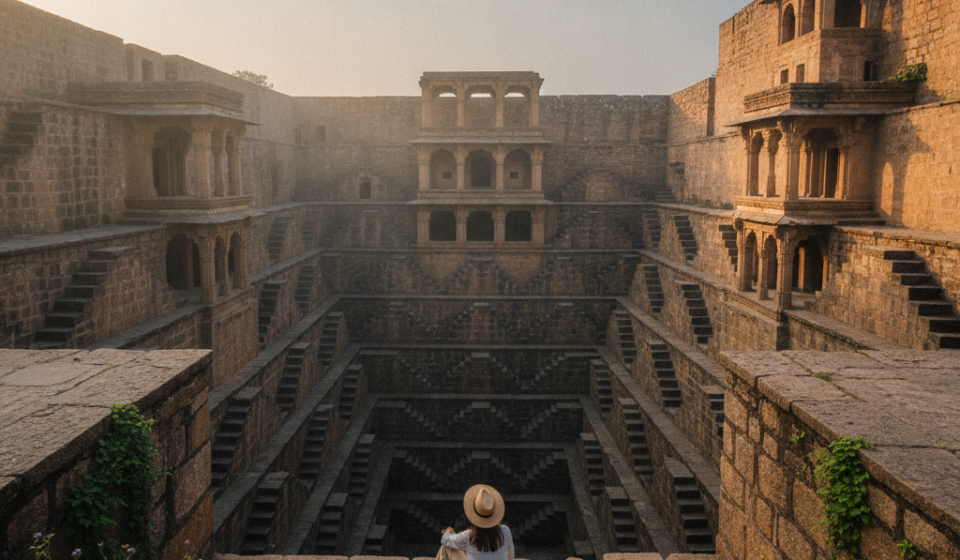

The pursuit of cost-effective exploration across the Indian subcontinent has long been an exercise in strategic trade-offs. While conventional tourism often emphasizes high-end hospitality, the region’s true character reveals itself through local infrastructure. Executing a successful itinerary for budget travel india requires structured planning, meticulous route management, and an understanding of regional economic dynamics. For many global explorers, mastering budget travel india has become the premier way to experience the true variety of the subcontinent. It is basically a systematic process of optimizing resources without compromising on safety or cultural depth. Travel throughout this diverse country does not demand astronomical expenditures. Instead, it relies on leveraging domestic transport networks, choosing alternative regional hubs, and engaging in local culinary practices. By shifting the focus from luxury enclaves to authentic regional experiences, travelers can extend their itineraries substantially while maintaining high analytical standards of safety and comfort.
- Target shoulder seasons: Plan your trip during September or April to secure a 30% to 50% drop in accommodation rates while avoiding peak crowds.
- Choose alternative hubs: Swap overcrowded spots like North Goa or Shimla for quieter, cheaper alternatives like Gokarna or Kasol.
- Leverage train travel: Utilize the Indian Railways network, specifically the AC 3-Tier (3A) class, to save on accommodation and long-distance transit.
- Eat local and vegetarian: Dine at busy dhabas and select vegetarian thalis to enjoy authentic, highly nutritious meals safely for under 200 INR.
- Utilize UPI payments: Set up digital payment options designed for tourists to handle transaction dynamics smoothly.
Strategic Planning for Cost-Effective Travel
To execute a successful journey, thorough preparation must occur long before arrival. The economics of travel in the subcontinent are highly seasonal, meaning that a strategic calendar is your most valuable asset. Those who plan without considering seasonal pricing often find themselves paying triple the standard rates for accommodation and transport.
Selecting Off-Peak Seasons
Understanding seasonal pricing trends is crucial for cost optimization:
- Peak Season (October to March): Best weather across most regions, but prices for accommodation and activities escalate dramatically.
- Shoulder Season (September and April): Manageable climatic conditions with a substantial 30% to 50% reduction in lodging rates depending on the province.
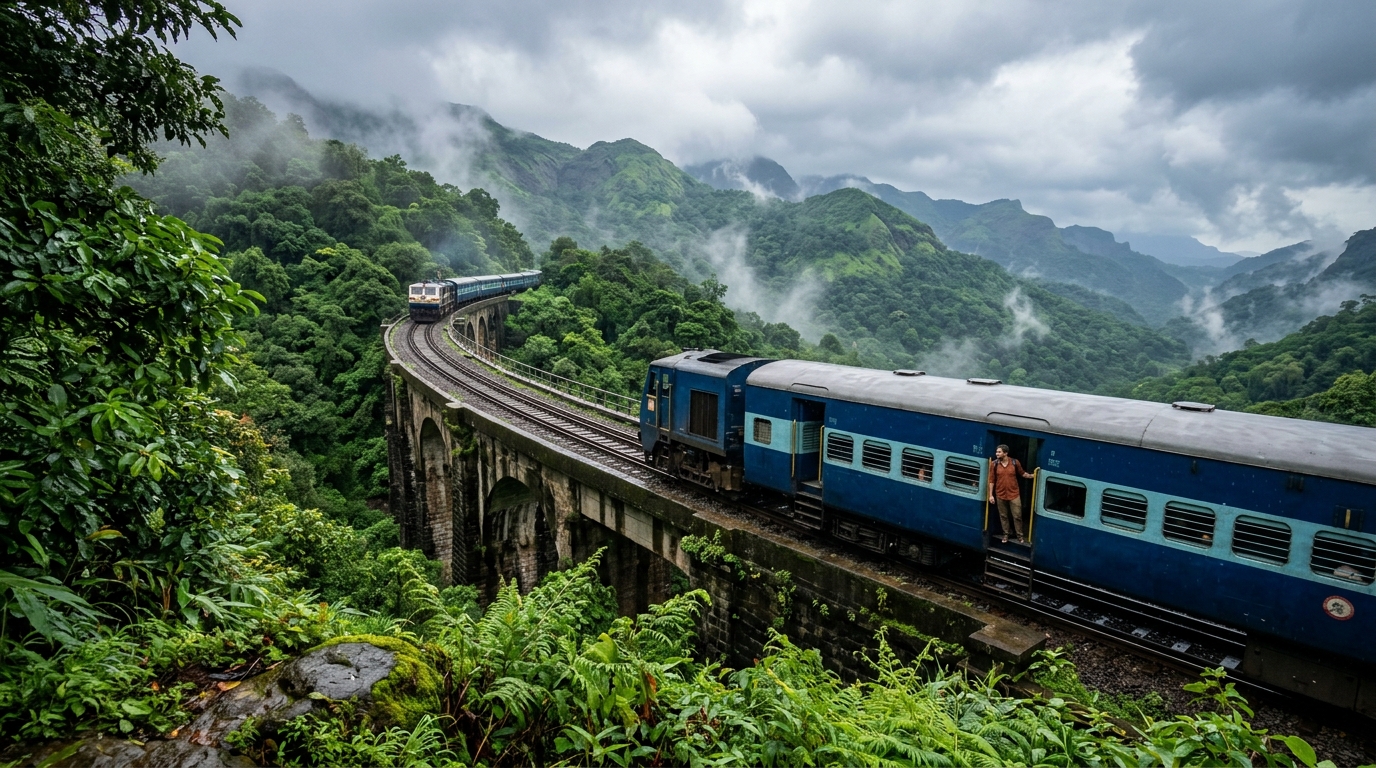
- Monsoon Season (June to August): Steepest discounts available, but introduces logistical challenges like transport delays. Visual benefits include lush green hills and rushing waterfalls.
By aligning your itinerary with these low-demand months, budget travel india becomes far more affordable.
Embracing Alternative Destinations
Overtourism in primary destinations like North Goa often leads to inflated costs. Selecting lesser-known geographical alternatives helps maintain a low daily spend. For example, instead of the highly commercialized beaches of North Goa, seeking out the quieter coastal stretches of Karnataka or the pristine shores of southern Maharashtra offers a comparable geographic experience at a fraction of the price. Similarly, travelers looking for alpine experiences can bypass overcrowded hubs like Shimla or Manali in favor of quiet valleys in Uttarakhand or eastern Himachal Pradesh. This approach is arguably the most effective way to manage costs, as local merchants in these alternative locations do not adjust their prices for mass international tourism. It is basically a method of trading high-density commercial spots for authentic, quiet regional settings. When executing budget travel india, choosing secondary cities also ensures that your financial footprint directly supports local communities.
| Popular Destination | Budget Alternative | Estimated Cost Reduction | Primary Appeal |
|---|---|---|---|
| North Goa Beaches | Gokarna (Karnataka) | 40% | Pristine coastlines, quiet temples, affordable beach shacks |
| Shimla or Manali | Jibhi or Kasol | 35% | Pine forests, alpine valleys, low-cost wooden homestays |
| Udaipur Palace Areas | Bundi (Rajasthan) | 50% | Historical stepwells, crowd-free forts, cheap heritage stays |
| Alleppey Houseboats | Monroe Island (Kerala) | 45% | Canoe tours, quiet backwater homestays, local seafood |
Optimizing Accommodation and Lodging
Securing clean, safe, and inexpensive lodging is critical to sustaining a long-term itinerary. In the context of budget travel india, accommodation expenses typically consume the second-largest portion of a traveler’s financial resource. However, the rise of modern hostel networks and structured homestays has changed how travelers manage their overnight stays.
Leveraging Hostels and Homestays
Choosing the right budget accommodation type depends on your travel style:
- Backpacker Hostels: Costing between 400 and 800 INR per night, they offer clean dormitory beds, high-speed internet, communal kitchens, and a vibrant social scene for solo travelers.
- Local Homestays: Perfect for pairs or small groups, offering private rooms, home-cooked regional meals, and direct cultural immersion that keeps funds within the host community.
This model represents a highly sustainable approach to budget travel india, ensuring mutual benefit for both host and guest.
Negotiating Directly for Long-Term Stays
In practice, booking the first two nights online and then discussing extended stay rates directly with the manager is the most effective approach. Property owners are generally keen to avoid platform commission fees (which often range from 15% to 20%) and prefer the stability of a guaranteed guest. During these conversations, maintaining a polite, professional demeanor is essential. It is also wise to inquire if laundry facilities or kitchen access can be included in the final agreed price. This strategy is especially useful in hubs popular with long-term remote workers, such as Rishikesh, McLeod Ganj, or quiet villages in Kerala. For those who prefer a structured itinerary without the hassle of manual negotiations, choosing curated domestic tour packages can offer pre-negotiated, highly competitive rates across reliable properties. By securing these direct agreements, the daily cost of budget travel india can be reduced even further, freeing up capital for transport and experiential activities.
Cost-Efficient Transportation Across India
Transporting oneself across vast distances is one of the most complex aspects of managing budget travel india. The sheer geographic scale of the country means that poorly planned journeys can quickly exhaust both time and money. Fortunately, the country possesses one of the largest and most affordable public transit networks in the world.
| Transport Option | Approx. Cost (per 100 km) | Best Used For | Pro Tip |
|---|---|---|---|
| Sleeper Class Train (SL) | 60 – 100 INR | Overnight journeys on an extreme budget | Book well in advance; bring your own bedsheet |
| AC 3-Tier Train (3A) | 200 – 300 INR | Comfortable long-distance travel | Includes clean bedding and air conditioning |
| State-Run Bus (Ordinary) | 80 – 120 INR | Short-distance regional routes | Great for reaching remote mountain valleys |
| Shared Jeep / Auto | 50 – 100 INR | Last-mile rural transport | Wait until fully loaded to split the fare |
The Indian Railways Network
The Indian Railways network is the absolute backbone of budget travel india. It connects virtually every town and city of significance. For long-distance overnight journeys, trains are far more economical than domestic flights, saving you both transit costs and the price of a night’s accommodation. When booking, understanding the different classes of travel is vital. While Sleeper Class (SL) is the most economical option, it can be crowded and lacks climate control. For a balanced experience of cost and comfort, the AC 3-Tier (3A) class is highly recommended. It offers air conditioning, berths with bedding, and a reasonable level of privacy at a modest price. To secure these tickets, travelers must familiarize themselves with the IRCTC (Indian Railway Catering and Tourism Corporation) booking portal and keep track of their PNR (Passenger Name Record) status. Relying on the rail network is a fundamental pillar of budget travel india, allowing travelers to cover thousands of kilometers with minimal expenditure.
Utilizing Local Buses and Shared Transport
When trains are unavailable or fully booked, regional road networks provide a highly flexible alternative. State-run transport corporations operate regular bus services between major towns and remote villages. These state buses are divided into ordinary, express, and deluxe classes. While ordinary buses are incredibly cheap, they can be slow and physically demanding on long mountain routes. For short-distance regional travel, shared auto-rickshaws and shared jeeps (often referred to as ‘service’ vehicles) are indispensable. These vehicles operate on fixed routes and only depart when full, distributing the fuel and driver costs among all passengers. It is basically the standard method of transit for rural communities. While using shared transport requires a degree of physical resilience, it represents the absolute baseline of cost efficiency. For those looking to master budget travel india, learning to utilize these regional bus and jeep networks is an invaluable skill that ensures complete geographic freedom without breaking the bank.
Maximizing Food and Culinary Experiences
One of the greatest advantages of traveling through this region is that high-quality, flavorful food is exceptionally affordable. Food does not need to be a major expense on your ledger. In fact, some of the most memorable culinary experiences are found far away from white-tablecloth establishments.
Prioritizing Street Food and Local Dhabas
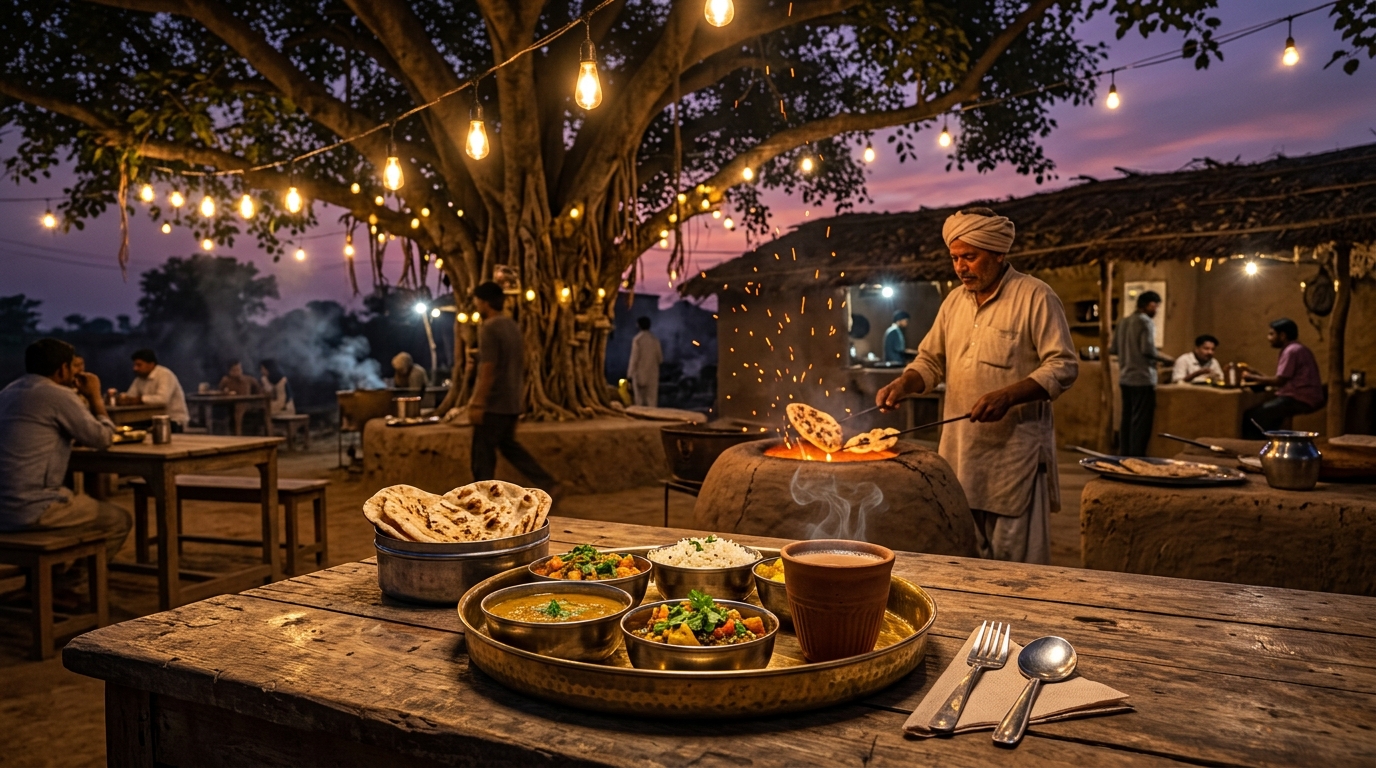
Roadside eateries, known locally as dhabas, and street vendors are the true culinary centers of the country. A traditional vegetarian thali (a platter containing rice, flatbread, lentils, and various vegetable dishes) at a local dhaba typically costs between 100 and 200 INR. This represents an incredibly nutritious and filling meal at an extremely low price point. Street food specialties such as samosas, kachoris, and various regional flatbreads are even cheaper, often costing less than 50 INR per serving. Engaging with these local eating habits is not just a way to save money. It is an integral part of the budget travel india experience. By bypassing tourist-oriented restaurants, which often charge inflated prices for adapted Western menus, travelers can experience authentic regional spices while keeping their daily food expenditure to a bare minimum. Practicing this culinary philosophy is a hallmark of successful budget travel india.
Safe Dining Practices on a Budget
While eating cheaply is simple, maintaining physical health is crucial. A single foodborne illness can disrupt your entire itinerary and lead to unexpected medical costs. To enjoy delicious local food without risking your health, adhere to these simple rules:
- Look for High Turnover: Busy stalls or dhabas indicate fresh, fast-moving ingredients that have not been sitting out.
- Water and Ice Safety: Ensure water is either boiled or served from sealed, reputable bottles. Avoid ice in drinks unless source purity is verified.
- Favor Vegetarian Dishes: Choose vegetarian options over meat in smaller, rural venues since local refrigeration standards can vary.
- Observe Cleanliness: Take a quick look at the cooking area and hygiene practices of the vendors before ordering.
Following these food safety guidelines is a key element of budget travel india, safeguarding your health while protecting your wallet.
| Meal Type | Typical Items Included | Average Price Range (INR) | Budget Strategy |
|---|---|---|---|
| Breakfast | Idli, Dosa, Poha, or Parathas with Chai | 40 – 100 | Eat at local South Indian outlets or roadside tea stalls |
| Lunch | Vegetarian Thali (Unlimited Rice/Roti and Dal) | 100 – 200 | Choose busy local dhabas near transport hubs |
| Dinner | Regional curries with flatbread, or Biryani | 150 – 300 | Share larger portions in a small group to split costs |
| Beverages and Snacks | Filtered water, fresh coconut water, seasonal fruits | 50 – 120 | Carry a reusable water bottle with a built-in purifier |
Smart Packing and Money Management
Effective financial management and strategic packing are two closely linked components of cost-effective travel. Packing too much leads to excess baggage fees and physical exhaustion, while packing poorly leads to unnecessary purchases on the road.
Essential Gear to Avoid Unnecessary Purchases
To keep the expenses of budget travel india low, carrying specific, high-utility items is essential. A reliable water purification bottle is arguably the most important piece of gear. It eliminates the need to buy plastic water bottles daily, which is both financially wasteful and environmentally damaging. Over a month-long trip, this simple item can save several thousand rupees.
To prevent unexpected costs, travelers should prioritize packing the following high-utility items:
- Universal adapter: Avoids purchasing overpriced charging gear at local transport hubs.
- Microfiber towel: A compact, quick-drying alternative that reduces reliance on paid laundry services.
- Lock with keys: Crucial for securing physical baggage in hostel lockers and train berths.
- First-aid supplies: Pre-emptively manages minor ailments without requiring premium pharmacy rates.
Carrying quality gear ensures that budget travel india remains secure and completely within your projected financial boundaries.
Digital Payments and Cash Strategies
India’s digital payment infrastructure, driven by the Unified Payments Interface (UPI), is incredibly advanced. Many street vendors and budget establishments now accept UPI payments. For international travelers, setting up UPI-enabled apps designed for tourists is a highly convenient way to pay exact amounts without carrying large sums of cash. But still, when traveling to remote regions such as parts of Ladakh or quiet villages in Rajasthan, having sufficient cash is non-negotiable. When withdrawing cash, try to use ATMs associated with major public sector banks, as they often have lower transaction fees compared to private or international ATMs. Always carry smaller denominations, as local vendors often struggle to provide change for high-value notes like 500 INR. This structured financial approach is central to budget travel india, protecting your funds from high conversion rates and unnecessary bank fees. For those who wish to combine smart financial planning with professionally structured travel, explore our dedicated travel insurance guide to protect your trip against unexpected medical or travel disruptions.
FAQs
What is the cheapest month to travel in India?
Generally speaking, the cheapest months for budget travel india are during the low monsoon season, which spans from June to August. During this period, flight prices drop significantly, and luxury properties offer massive discounts to maintain occupancy. However, if the heavy rains are a concern, the shoulder months of September and April represent an excellent alternative. During these times, you can secure reduced accommodation rates while still enjoying highly favorable weather conditions. Planning your trip during these off-peak periods is one of the most effective strategies to lower the overall cost of budget travel india.
Is budget travel in India safe for solo travelers?
Yes, budget travel india is highly viable and safe for solo travelers, provided standard precautions are observed. Utilizing reputable hostel networks like Zostel is highly recommended, as they offer secure dormitories and a reliable traveler community. For transit, traveling during daylight hours is advisable. On overnight trains, booking berths in AC 3-Tier (3A) class is preferred over standard Sleeper Class due to superior security and regulated passenger access. Keeping family members updated on your travel itinerary also provides critical peace of mind. While solo exploration requires constant situational awareness, it remains an incredibly rewarding way to experience budget travel india.
How much does a daily budget trip to India cost?
A standard daily budget for budget travel india can vary based on personal comfort preferences and travel speed. Roughly speaking, a backpacker budget ranges from 1,200 to 2,000 INR per day (approximately 15 to 25 USD). This daily allowance comfortably covers a clean hostel dormitory bed, three local meals, public transit, and entry fees to major historical sites. For those seeking slightly more comfort, a mid-range budget of 3,000 to 5,000 INR per day allows for private double rooms in homestays, occasional private taxi transfers, and dining in mid-tier restaurants. Keeping a detailed digital record of daily expenses helps ensure that your spending remains aligned with your target budget travel india limits.