The Ultimate Bhairavakona Travel Guide: How to Explore Andhra’s Mystical Rock-Cut Caves and Waterfall

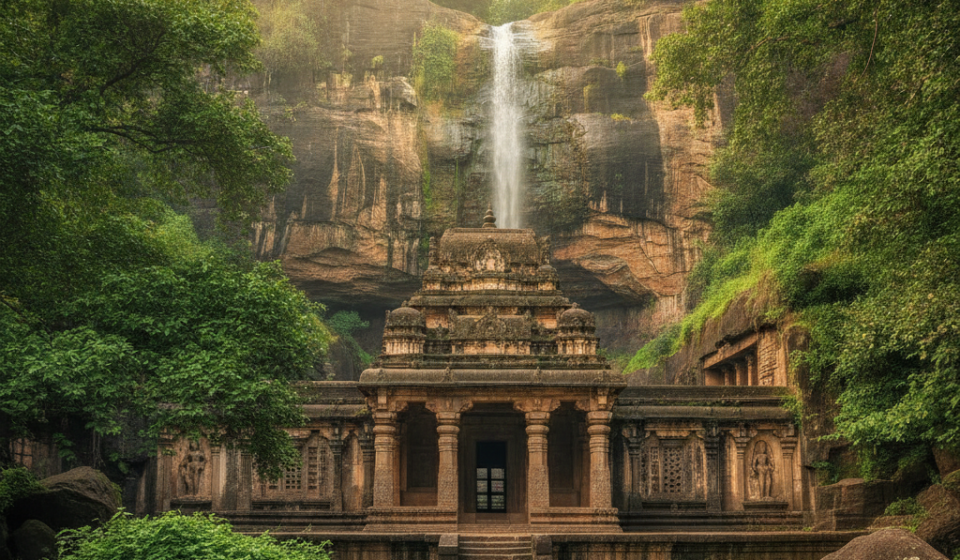
Bhairavakona stands as a remarkable testament to ancient architectural skill and natural beauty nestled deep within the Nallamala hills of Andhra Pradesh. This remote destination offers a rare combination of monolithic rock-cut shrines and a serene waterfall that cascades down the cliff face. For those planning a trip, this Bhairavakona travel guide provides the essential details to explore this mystical site effectively while respecting its historical and religious significance.
Key Takeaways:
- Unique Heritage: Explore eight exquisite 7th-8th century monolithic rock-cut cave temples dedicated to Lord Shiva.
- Scenic Splendor: Enjoy a natural, peaceful waterfall cascading directly adjacent to the cave structures.
- Optimal Timing: Plan your visit between October and March for comfortable weather and pleasant trekking conditions.
- Remote Location: Located in the Prakasam district, the site is best accessed via road from nearby hubs like Kanigiri.
- Essential Prep: Carry food and water as local amenities are highly limited around the forest area.

Understanding the Historical Significance of Bhairavakona
The site derives its name from a combination of Bhairava, a fierce manifestation of Lord Shiva, and Kona, meaning corner or valley. These shrines date back to the 7th and 8th centuries, during the period of the Pallava and Chalukya influence in the region. Visitors will find eight distinct rock-cut temples carved directly into the hillside, each dedicated to different forms of Shiva.
The artistry displayed in these structures reflects the artistic transition occurring in south Indian temple architecture during the medieval era. Unlike larger, more accessible temple complexes, the caves here remain quiet and offer a glimpse into the life of ascetics and pilgrims from centuries ago.
- Eight primary rock-cut shrines dedicated to Lord Shiva.
- Intricate carvings depicting deities and traditional motifs.
- A unique architectural style blending regional influences.
- Proximity to the Nallamala forest range.
Planning Your Journey: Best Time to Visit
The Nallamala region experiences distinct climatic shifts, and choosing the right time for travel is essential for a comfortable experience:
- Winter (October to March): The most favourable period for visiting when the weather remains cool and pleasant, ideal for trekking and photography.
- Summer (April to June): Brings intense heat to the region, making long hikes around the caves difficult.
- Monsoon (July to September): Brings lush greenery and fills the waterfall, but road conditions may become challenging due to heavy rains.
Always check local weather reports before finalising your travel dates.
| Season | Months | Travel Conditions |
|---|---|---|
| Winter | October – March | Ideal for trekking and photography |
| Summer | April – June | Very hot; not recommended for outdoor exploration |
| Monsoon | July – September | Beautiful waterfall views; potential travel delays |
How to Reach Bhairavakona
Reaching this destination requires some planning as it is located in a relatively secluded area of the Prakasam district. Most travellers approach the site via road, as no direct rail or air access exists for the immediate vicinity.
| Transport Mode | Nearest Hub / Connection | Approx. Distance to Site | Key Recommendation |
|---|---|---|---|
| Road | Kanigiri Town | ~43 km | Best for direct access via private vehicle or hired taxi. |
| Rail | Ongole Railway Station (OGL) | ~115 km | Convenient for long-distance trains; hire a taxi from the station. |
| Air | Vijayawada International Airport (VGA) | ~250 km | Best for interstate/international flyers; requires a 5-6 hour drive. |
Road Connectivity
The nearest major town is Kanigiri, which serves as a primary hub for those approaching the site. From major cities like Hyderabad or Vijayawada, visitors should plan for a long drive.
- Private Vehicles/Taxis: Provide the most reliable means of transport and flexibility through forested approach roads.
- Local Buses: Limited APSRTC bus services connect Kanigiri to surrounding villages, but timetables can be irregular.
Rail and Air Options
If travelling from further away, consider using the railway network. The Ongole railway station is often the preferred choice for rail travellers. From Ongole, one must arrange for private road transport to reach the temple site. Similarly, the closest commercial airport is in Vijayawada. Expect to drive for several hours from either of these transport hubs to reach the final destination.

What to Expect at the Site
The primary attraction involves the temple complex and the adjacent natural waterfall. Upon arrival, visitors are greeted by a calm atmosphere. The sound of water falling against the rocks often creates a meditative environment that complements the ancient stone structures.
The beauty of Bhairavakona lies in its silence. It is one of the few historical sites where the natural landscape remains as prominent as the man-made carvings.
Most visitors spend between two to four hours exploring the shrines and the waterfall area. Because the site is managed as a place of worship and historical interest, please follow these site rules:
- Maintain Decorum: Respect the religious sanctity and the physical boundaries of the monuments.
- No Climbing: Avoid touching or climbing on the delicate carvings to ensure their preservation.
- Leave No Trace: Avoid littering in the natural forest and waterfall pool.
Essential Travel Tips for Your Visit
Preparation helps in navigating the challenges of remote travel. Follow these guidelines to ensure a smooth experience:
- Carry sufficient drinking water and snacks, as facilities near the site are very limited.
- Wear sturdy walking shoes, as the path around the rock caves involves uneven terrain.
- Plan to arrive in the morning to maximize daylight hours for exploration.
- Respect local customs by dressing modestly, especially if you intend to participate in temple rituals.
- Ensure your mobile phone is fully charged, though signal strength may be inconsistent in the forest area.
Nearby Attractions and Experiences
While the temple complex serves as the main draw, the surrounding region offers more for those interested in nature. The Nallamala hills provide opportunities for nature walks and bird watching. If time permits, coordinate with local guides who can offer insight into the flora and fauna of the surrounding forest reserves. Remember that any movement into restricted forest areas requires prior permission from local authorities.
For more travel guidance on exploring Andhra Pradesh, you can visit our travel services page to plan your itinerary. Also, check our destination resources for detailed maps and support.
FAQs
Is there an entry fee for visiting Bhairavakona?
Generally, there is no formal entry fee to visit the site as it functions as a public temple complex, though voluntary offerings at the shrines are common.
Are there accommodation options available at Bhairavakona?
Limited accommodation exists directly at the site. Most visitors prefer staying in larger nearby towns like Kanigiri or Ongole and taking a day trip to the caves.
Is photography allowed inside the temple caves?
Photography is generally permitted in the exterior areas. Always look for signage or ask temple authorities before taking photos inside the sanctums, as some areas may be restricted.
Is the site safe for solo travellers?
The site is relatively safe during daylight hours. However, due to its remote location within a forest area, it is strongly advised to travel with others or hire a local guide, especially if you are unfamiliar with the region.
Are there restaurants near the cave temples?
No formal restaurants operate at the site. Carry your own food and water, as you will need to travel back to the nearest town for dining options.
Conclusion
Bhairavakona offers a rare intersection of history, faith, and nature. By following this Bhairavakona travel guide, you can prepare for a rewarding journey into the heart of the Nallamala hills. Respecting the historical importance of these rock-cut structures while enjoying the peaceful environment will ensure a memorable visit to one of Andhra Pradesh’s hidden treasures.